Shipping electronics is fundamentally different from shipping garments, furniture, or general cargo. A scratched connector, moisture inside a sealed carton, or a misdeclared battery can turn a potentially lucrative order into a total loss. Importers who treat electronics as ordinary goods often end up paying a heavy price.
Electronics account for over 40% of China’s total exports, yet nearly 30% of electronics shipments encounter customs delays, damage, or compliance issues. Below are the key risks that truly matter when shipping electronics.
Why is electronics freight forwarding riskier than general cargo?
Electronics carry four overlapping risks that most consumer goods do not.
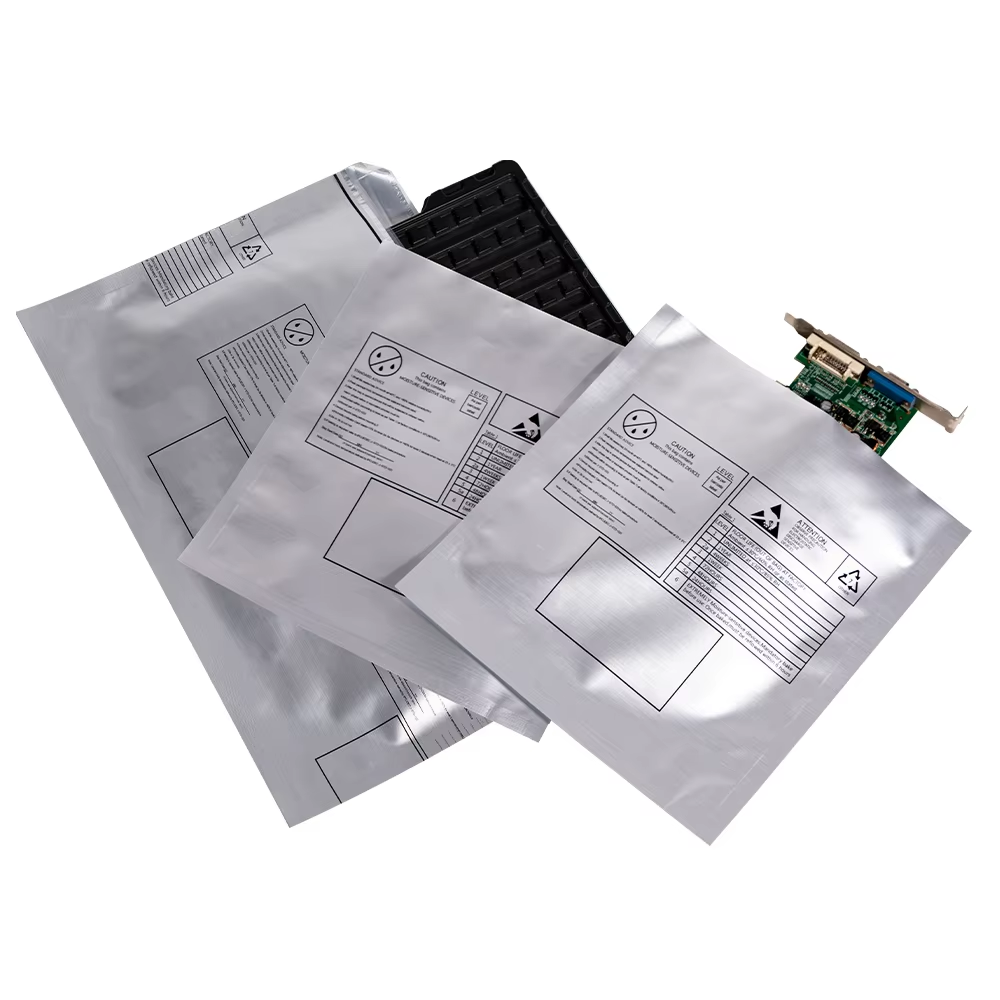
- Physical and static damage. Circuit boards and chips are vulnerable to electrostatic discharge (ESD) and shock. A spark invisible to the human eye can destroy a component.
- Environmental exposure. Semiconductors and sensors are moisture sensitive. Humid ocean containers can breach sealed packaging and cause hidden corrosion.
- Compliance complexity. Many devices contain lithium cells. These are regulated as dangerous goods under air and sea rules.
- High value and theft. A small carton of chips can be worth more than a pallet of apparel. That raises both insurance needs and cargo-security concerns.
Good electronics freight forwarding manages all four at once, not as an afterthought.

Sea or air: which mode fits your electronics shipment?
Most importers choose between ocean consolidation (LCL), full container (FCL), and air freight. The right answer depends on value, volume, and how fast the parts must arrive.
| Factor | Ocean (LCL / FCL) | Air freight |
|---|---|---|
| Speed | 20–45 days depending on lane | 3–10 days |
| Cost per kg | Low | High |
| Best for | Bulk, non-urgent, stable inventory | Prototypes, urgent restocks, high-value density |
| Main risk | Moisture, longer transit | Lithium-battery restrictions |
Choose ocean when you are moving stable volumes and can plan inventory weeks ahead. Choose air when the cargo is dense, urgent, or high value relative to weight. Many electronics freight forwarding programs use both: air for launches, sea for replenishment.
How should electronics be packaged for international transit?
Packaging is where most damage is prevented — or caused. Three layers matter.
ESD protection
Use anti-static or static-shielding bags that meet ANSI/ESD S20.20. Never pack bare circuit boards in ordinary plastic. Label packages clearly so handlers know they are static sensitive.
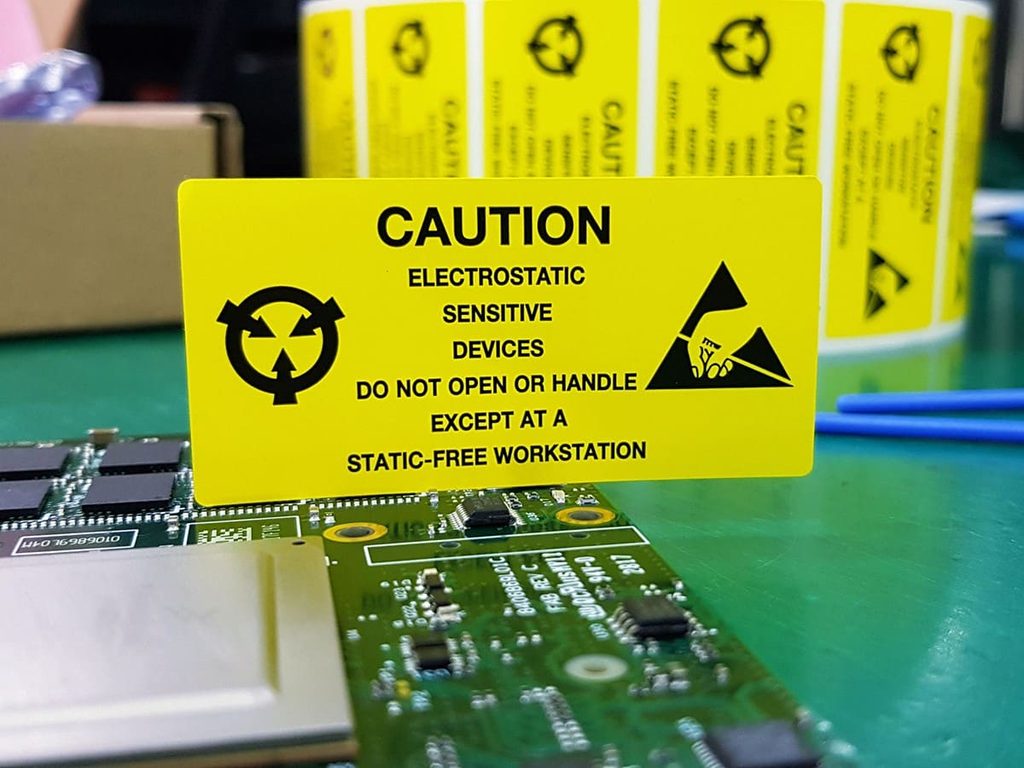
Moisture control
For moisture-sensitive devices, use moisture-barrier bags with desiccant and a humidity-indicator card. Follow IPC/JEDEC J-STD-020 moisture-sensitivity levels. This matters most on ocean lanes, where container humidity swings are severe.
Physical cushioning
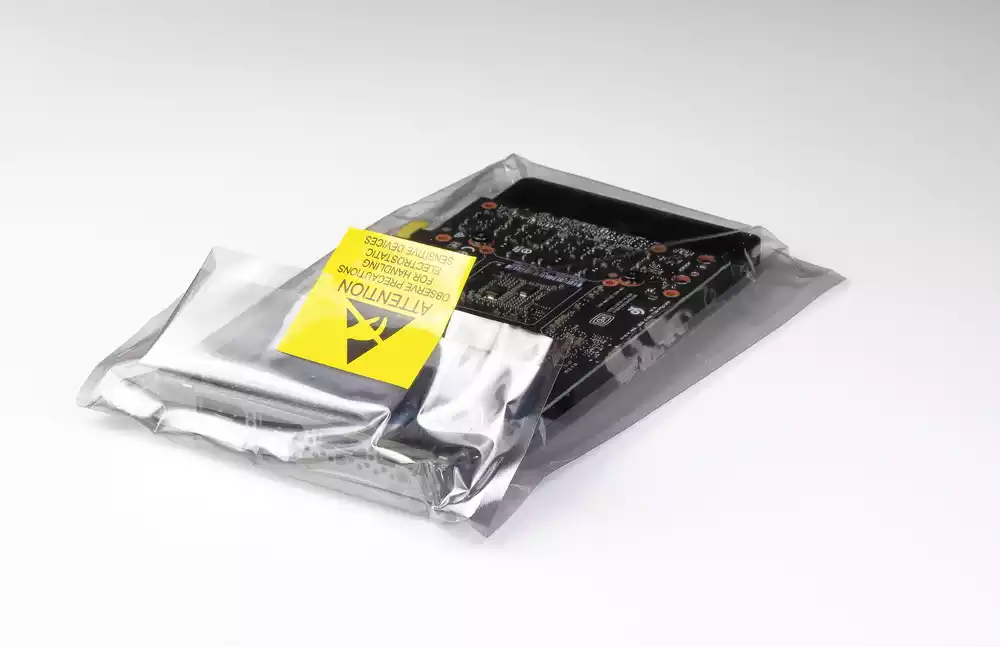
Use foam, corrugated inserts, and a tight carton fit. Avoid void space that lets products shift. Mark cartons with orientation and fragility labels.
Do lithium batteries change the shipping rules?
Lithium batteries are ubiquitous—smartphones, Bluetooth headphones, laptops, smartwatches, power banks, and even PCBs with onboard batteries all fall under the category of electronic products. Therefore, any discussion regarding the transport of electronic products inevitably involves the regulations governing lithium batteries.
- Standalone lithium batteries moved by air must follow IATA Dangerous Goods Regulations and carry a UN38.3 test summary.
- Many air shipments require cells at or below 30% state of charge and UN-specification packaging.
- Even products with installed batteries, such as smartphones or power banks, fall under battery rules.
We cover air movements in detail in our guide to shipping lithium batteries from China by air, and battery compliance under DDP in our electronics DDP guide. If your product contains cells, confirm the pathway before you book.
Which HS codes apply to common electronics?
Customs classify electronics by product type using the Harmonized System. Common headings include:
| Product | HS heading |
|---|---|
| Computers, laptops, servers | 8471 |
| Smartphones, routers, comms gear | 8517 |
| Monitors, TVs, projectors | 8528 |
| Diodes, transistors, LEDs | 8541 |
| Integrated circuits, chips | 8542 |
| Headphones, microphones | 8518 |
| Power adapters, chargers | 8504 |
| Lithium-ion battery packs | 8507 |
| SSDs, memory cards | 8523 |
Exact subheadings and duty rates vary by destination and by product specifics. Classify early, because the wrong code delays clearance and can trigger penalties. Our importer documents checklist shows what to prepare before departure.
This works best when your freight forwarder runs a China consolidation warehouse with static-safe handling. See our overview of sensitive-goods shipping from China for the compliance side.
Why does cargo insurance matter more for electronics?
A single carton of semiconductors can exceed the value of an entire furniture shipment. That changes the math on insurance.
- Standard carrier liability is limited and rarely covers full product value.
- “All Risks” coverage is usually worth it for high-value electronics.
- Declare true value. Under-declaring to save premium leaves you underpaid after a loss.
Our guide to cargo insurance for DDP explains the options in plain terms.
How do you choose the right electronics freight forwarder?
Use this short checklist when evaluating a partner:
- Can they handle dangerous goods and show UN38.3 / IATA processes?
- Do they offer ESD-aware, climate-controlled warehousing in China?
- Can they route both sea and air and advise which fits?
- Do they provide cargo insurance and transparent landed-cost quotes?
- Can they consolidate from multiple suppliers and run pre-shipment QC?
A forwarder who treats electronics as ordinary cargo is a forwarder you will outgrow quickly.
FAQ
Can electronics be shipped DDP?
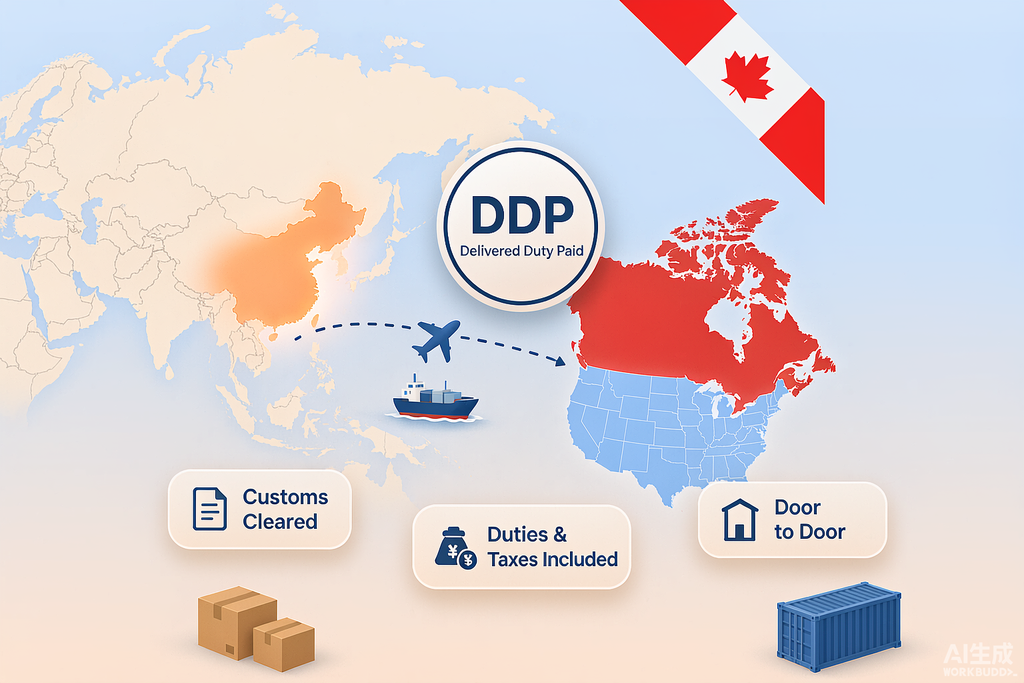
Yes. Delivered Duty Paid is common for electronics, but lithium compliance must be solved first. Our DDP electronics guide covers the battery and documentation path.
What documents do I need?
A commercial invoice, packing list, HS classification, and — for battery products — a UN38.3 summary and dangerous-goods declaration. Start from the importer documents checklist.
How long does electronics freight forwarding take?
Air runs about 3–10 days; ocean 20–45 days by lane. Battery screening and customs can add time, so build buffer for launches.
Are some electronics restricted?
Encryption, dual-use, and certain radio modules can need licenses depending on the market. Confirm with your broker before quoting.
Related guides in this cluster
This pillar sits inside a wider set on moving electronics and components from China. Read the core guide to electronic component shipping from China, the HS code classification guide for electronics, and our packaging guide for ESD and moisture-safe component shipping. Each covers one decision in the import process.
Conclusion
Electronics freight forwarding rewards planning. Get the packaging, classification, and battery compliance right at origin, and the rest of the journey is routine. If you are moving sensitive or high-value tech cargo from China, work with a forwarder who treats it as what it is: high-value, fragile, and regulated. For regional lanes such as China to Vietnam electronics and EV component logistics, factor in time-sensitive supply chains from the start.
 English
  Chinese
  Arabic
  French
  German
  Portuguese
  Spanish