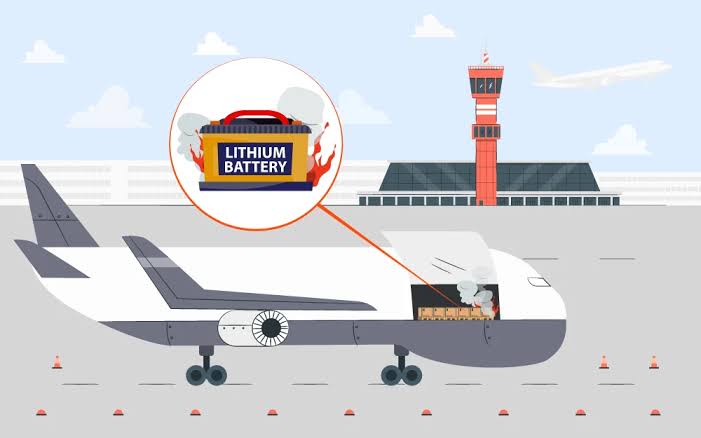
Standalone lithium batteries are banned as cargo on passenger aircraft. They move by cargo aircraft under IATA Dangerous Goods Regulations, with a UN38.3 test summary on file, cells at or below 30% state of charge, and UN-specification packaging. Skip any one of those and the shipment sits at the origin airport.
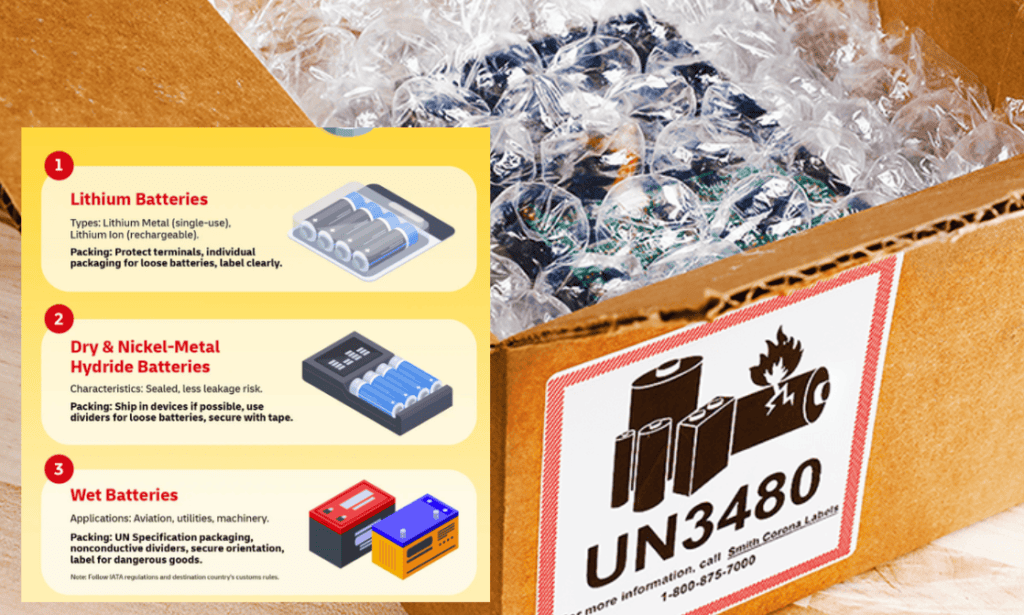
This guide covers what actually gets a battery shipment cleared or held.
The three things that stop a battery shipment
Most holds come from one of three gaps:
- No UN38.3 test summary for the cell or battery model.
- State of charge above 30% on standalone cells.
- Packaging or marking that does not meet the applicable Packing Instruction.
All three are fixable before the truck reaches the airport.
Lithium ion vs lithium metal
The rules split by chemistry.
| Type | Common in | Packing instruction | Key limit |
|---|---|---|---|
| Lithium ion | Phones, power banks, e-bike packs | PI 965 standalone, 966 packed with, 967 in equipment | SOC capped at 30% when standalone |
| Lithium metal | Watches, some medical devices | PI 968 standalone, 969 packed with, 970 in equipment | Lithium content limit per cell |
The “standalone” instructions (PI 965, PI 968) are the strict ones. A loose power bank is standalone. A phone with a built-in battery is “in equipment” and travels under easier rules.
State of charge and quantity limits
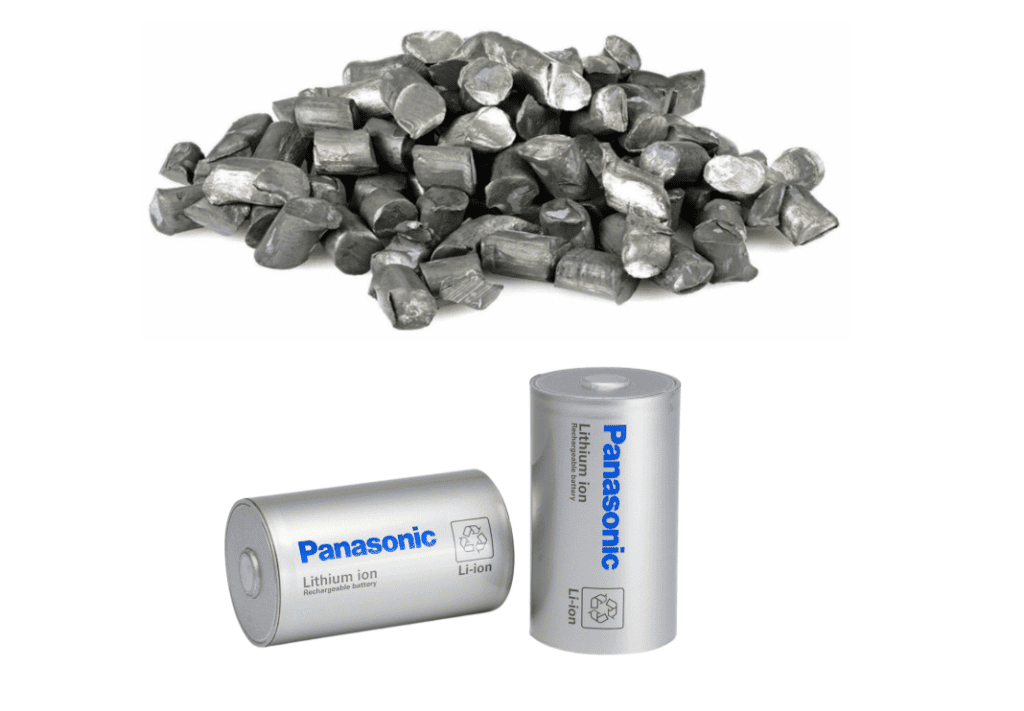
For standalone lithium ion batteries shipped by air, keep the state of charge at or below 30% of rated capacity. Section II, the most common small-parcel path, typically covers cells at or below 20 Wh and batteries at or below 100 Wh, with tight per-package counts.
Confirm the exact per-package count against the current IATA DGR edition, because the limits are revised regularly.
What the package needs
A compliant battery shipment usually carries:
- A UN specification box marked with the UN packaging symbol and test date.
- The lithium battery handling mark (the square-with-flame label used for most Section II loads).
- A copy of the SDS and the UN38.3 test summary available to the carrier.
- Strong inner cushioning so cells cannot shift or short.
Editor note: Insert a redacted UN38.3 test summary cover sheet and a photo of the lithium battery handling mark here before publishing.
How we screen a battery shipment at Vantage Forwarding
Before we quote, we confirm three things, in this order: the UN38.3 test summary is on file and current for the cell or battery model, the state of charge is at or below 30% for standalone cells, and the packaging matches the correct Packing Instruction. If any one is missing, we tell you before the truck leaves the factory. A hold at the origin airport costs more than a same-day fix in the warehouse, and it is the single most common reason a battery booking fails.
A hold that cost four days and $1,200
In 2025, a Shenzhen seller of e-bike parts booked 300 loose power banks as air cargo. The forwarder rejected the booking at Guangzhou because the UN38.3 test summary was not on file and a spot check showed state of charge at 65%.
The batteries were re-contained under PI 965 Section II, discharged to 28%, and re-labeled. The fix added four days and about $1,200 in dangerous-goods handling and re-work. The cargo moved on a cargo-only aircraft and cleared.
Dangerous-goods handling and re-work typically runs a few hundred dollars for a small parcel and up to a few thousand for a full batch, depending on volume and how far the shipment has traveled. The lesson is dull but repeatable: get the test summary and the SOC right before the truck leaves the factory.
Air vs sea for batteries
Small battery goods under the Section II limits move fast by air. Larger volumes, or batteries above the air limits, often move by ocean as dangerous goods with different paperwork.
The air vs sea comparison lays out when each mode makes sense beyond the battery question.
Authoritative sources to verify against
- IATA Dangerous Goods Regulations: https://www.iata.org/en/programs/cargo/dgr/
- ICAO Technical Instructions: https://www.icao.int/
- U.S. Pipeline and Hazardous Materials Safety Administration: https://www.phmsa.dot.gov/
- U.S. Customs and Border Protection: https://www.cbp.gov/trade/basic-import-export
- USTR Section 301 tariff lists: https://ustr.gov/issue-areas/enforcement/section-301-investigations/tariff-actions
Keep duty separate from danger
Battery goods still carry normal import duty and may fall under Section 301. The Section 301 explainer covers how to confirm a quote includes those surcharges.
About this article. A language model helped with outlining and editing. Compliance steps were checked against IATA, ICAO, PHMSA, CBP, and USTR sources current as of 2026. Vantage Forwarding’s licensed broker reviewed the compliance steps. Always confirm counts and SOC limits against the current IATA DGR edition before booking.


 English
  Chinese
  Arabic
  French
  German
  Portuguese
  Spanish