مقدمة
مع استمرار حركة التجارة العالمية خلال عام 2026، يواجه ممر الشحن الجوي بين الصين وأسواق الوجهة الرئيسية — ولا سيما الاتحاد الأوروبي — أشد تشديد تنظيمي منذ سنوات. وبالنسبة للمصدرين المقيمين في الصين، وبائعي التجارة الإلكترونية عبر الحدود، وشركات الشحن التي تنقل بضائعهم، هناك ثلاثة أطر متقاربة تشكل الآن كيفية تجهيز الشحنة وتعبئتها والإعلان عنها قبل أن تغادر أي مركز شحن صيني: قواعد أكثر صرامة لشحن بطاريات الليثيوم، ونظام تسعير الكربون على الحدود الذي يفرضه الاتحاد الأوروبي والذي يتم تحويل عبئه بشكل متزايد إلى جانب المصدرين من خلال عقود DDP، والإيداع الجمركي الرقمي الإلزامي بالكامل.
إن عدم الامتثال في هذه المرحلة لا يعني مجرد تأخيرات من جانب الاتحاد الأوروبي فحسب — بل يعني فرض غرامات، أو احتجاز الشحنات، أو الرفض التام في مراكز التصدير الصينية نفسها، بما في ذلك مطار شنغهاي بودونغ (PVG)، ومطار قوانغتشو باييون (CAN)، ومطار شينزين باوان (SZX).
يشرح هذا الدليل بالتفصيل التغييرات التي طرأت في عام 2026، مع التركيز على الإجراءات التي يتعين على المصدرين ووكلاء الشحن في الصين اتخاذها فعليًّا بشكل مختلف — وليس فقط الالتزامات التي تقع على عاتق المستوردين المقيمين في الاتحاد الأوروبي.
1. الاتحاد الأوروبي CBAM — لماذا أصبح الأمر مشكلة تواجه المصدرين وشركات الشحن، وليس مجرد مشكلة تواجه المستوردين في الاتحاد الأوروبي
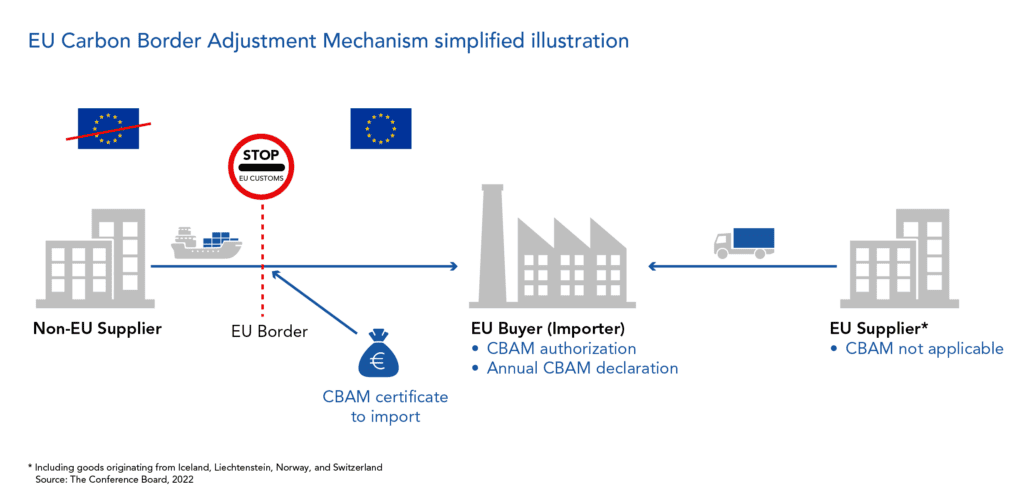
دخلت آلية تعديل ضريبة الكربون على الحدود التابعة للاتحاد الأوروبي حيز التنفيذ النهائي في 1 يناير 2026. وقد انتهت الفترة الانتقالية المقتصرة على تقديم التقارير — وأصبحت الالتزامات المالية سارية المفعول الآن بالنسبة للسلع المشمولة (الحديد والصلب، والأسمنت، والألومنيوم، والأسمدة، والكهرباء، والهيدروجين).
من الناحية النظرية، تقع التزامات آلية تسعير الكربون الحدودية (CBAM) على عاتق المستورد المقيم في الاتحاد الأوروبي أو ممثله الجمركي غير المباشر. أما في الواقع العملي، فإن التكلفة وعبء البيانات يقعان بشكل متزايد على الجانب الصيني من المعاملة:
أسعار الشهادات المؤكدة لعام 2026
| الربع | السعر (يورو/طن مكافئ ثاني أكسيد الكربون) | نُشر |
|---|---|---|
| Q1 2026 | €75.36 ($89.64) | 7 أبريل 2026 |
| الربع الثاني من عام 2026 | €75.28 | 6 يوليو 2026 |
| الربع الثالث من عام 2026 | الموعد النهائي: 5 أكتوبر 2026 | — |
| الربع الرابع من عام 2026 | الموعد النهائي: 4 يناير 2027 | — |
لن تبدأ عمليات بيع الشهادات فعليًّا إلا اعتبارًا من 1 فبراير 2027، ويكون الموعد النهائي الأول للإقرار السنوي وتسليم الشهادات هو 30 سبتمبر 2027، ويشمل ذلك جميع الانبعاثات المضمنة في الواردات لعام 2026. واعتبارًا من عام 2027 فصاعدًا، سيتحول التسعير من المتوسطات الفصلية إلى المتوسطات الأسبوعية لأسعار التسوية في مزادات نظام تداول حقوق الانبعاثات في الاتحاد الأوروبي (EU ETS).
التأثير الفعلي على التكلفة — مثال توضيحي: بالنسبة لعام 2026، يبلغ معامل التعديل (التطبيق التدريجي) لنظام CBAM 2.5%. المنتج الذي يحتوي على 2.0 طن من ثاني أكسيد الكربون المضمن لكل طن، وفقًا لأسعار الربع الأول، يساوي تقريبًا 2.0 × 75.36 يورو × 2.5% ≈ 3.77 يورو لكل طن من المنتج لذلك الربع — قبل أي خصم لسعر الكربون الذي تم دفعه بالفعل في الصين. ويرتفع هذا العامل كل عام حتى الوصول إلى التطبيق الكامل بحلول عام 2034، وبالتالي تتضاعف المخاطر بمرور الوقت حتى في حالة ثبات سعر الشهادات.
ملاحظة خاصة بالقطاع: يُطبق نظام «CBAM» حاليًا على ما يقارب 3% من إجمالي واردات الاتحاد الأوروبي من حيث الحجم، لكن تلك القطاعات تمثل أكثر من 50% من الانبعاثات الصناعية ضمن نظام تداول حقوق الانبعاثات في الاتحاد الأوروبي (EU ETS) — مما يعني أن التدقيق التنفيذي على السلع المشمولة بالنظام مرتفع بشكل غير متناسب مقارنة بحجم التجارة.
لماذا يهم هذا الأمر بالنسبة للجانب الصيني:
- يعمل المشترون في الاتحاد الأوروبي بشكل متزايد على إعادة هيكلة العقود بهدف البرنامج الإنمائي شروط تهدف تحديدًا إلى تحويل تكلفة الامتثال لآلية CBAM والمخاطر التي تتحملها الجهة المصدرة/الشاحنة. إذا كانت عروض الأسعار الخاصة بك لا تزال تستند إلى افتراضات FOB/CFR بالنسبة للمواد المشمولة بنظام CBAM، فمن المرجح أنك تحدد سعرًا أقل من اللازم لهذه الصفقة.
- ينبغي على المصنعين والمصدرين الصينيين الذين يشحنون سلعًا مشمولةً بآلية التعديل الحدودي للكربون (CBAM) (الصلب، والألومنيوم، والأسمنت، والأسمدة) أن يتوقعوا أن يبدأ المشترون من الاتحاد الأوروبي في طلب بيانات الانبعاثات المدمجة لكل شحنة — يجب أن يبدأ جمع هذه البيانات الآن، وليس في عام 2027، لأن الموعد النهائي للتسليم في سبتمبر 2027 يشمل كل ما تم شحنه في عام 2026.
- شركات الشحن التي تقدم عروض أسعار وفقًا لشروط DDP فيما يتعلق بالبضائع الخاضعة لنظام CBAM، ينبغي إدراج بند تكلفة CBAM في أدوات حساب التكلفة الإجمالية عند الوصول، بدلاً من اعتبارها مشكلة تقع على عاتق المشتري — حيث سيتوقع العملاء بشكل متزايد أن يكون ذلك مدرجًا بالفعل في عرض الأسعار.
2. الشحن الجوي لبطاريات الليثيوم — مشكلة تتعلق بخط التعبئة ومراقبة الجودة قبل الشحن تواجه المصدرين الصينيين
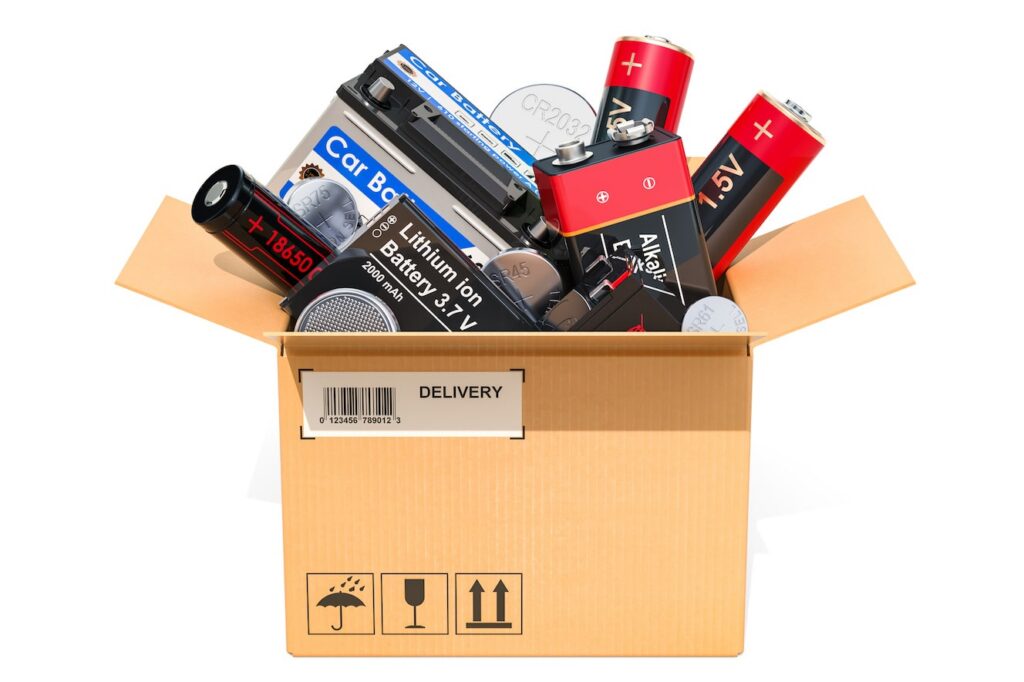
هذا هو التغيير الأكثر أهمية من الناحية التشغيلية بالنسبة للمصدرين في عام 2026، وهو يؤثر على مرحلة التوريد والتعبئة في الصين — قبل أن تصل الشحنة إلى المطار.
ما الذي تغير في 1 يناير 2026:
في السابق، كان الحد الأقصى لمستوى الشحن (SoC) 30% ينطبق فقط على بطاريات الليثيوم أيون السائبة/المستقلة (UN 3480). وبموجب الطبعة السابعة والستين من لائحة نقل البضائع الخطرة (DGR) الصادرة عن الاتحاد الدولي للنقل الجوي (IATA)، والتي تدخل حيز التنفيذ اعتبارًا من 1 يناير 2026، تم توسيع نطاق هذا الحد بشكل كبير:
يجب الآن أيضًا أن تُقدَّم بطاريات الليثيوم أيون المدمجة في المعدات (UN 3481) التي تزيد سعتها المقننة بالواط/ساعة عن 2.7 واط/ساعة، والمركبات التي تعمل ببطاريات الليثيوم أيون (UN 3556) التي تزيد سعتها المقننة عن 100 واط/ساعة، للنقل في حالة شحن لا تتجاوز 30% من السعة التصميمية المقننة، أو بسعة بطارية مُشار إليها لا تتجاوز 25%.
من الناحية العملية، يؤدي هذا إلى سد ثغرة كان يعتمد عليها العديد من الموردين الصينيين وشركات الشحن التابعة لهم: فقد كانت الأجهزة التي تُشحن مع بطاريات معبأة بجانبها (وليس مركبة فيها) تُستثنى سابقًا من الحد الأقصى المحدد في لائحة SoC الذي كان ينطبق على الخلايا السائبة. وقد تم إلغاء هذا الاستثناء.
| نوع الشحنة | رقم الأمم المتحدة | القاعدة السارية قبل عام 2026 | قاعدة عام 2026 |
|---|---|---|---|
| البطاريات التي يتم شحنها بمفردها | UN 3480 / 3090 | ≤30% SoC | ≤30% SoC (دون تغيير) |
| البطاريات المرفقة مع المعدات | UN 3481 / 3091 | لا يوجد حد أقصى لعدد أنظمة SoC | ≤30% SoC (جديد) |
| المركبات التي تعمل بالبطاريات | UN 3556 | لا يوجد حد أقصى لعدد أنظمة SoC | ≤30% SoC إذا كانت الطاقة أكبر من 100 واط/ساعة (جديد) |
| تجاوز الحد الأقصى | — | — | يتطلب موافقة خطية من كل من دولة المنشأ ودولة المشغل (الشرط الخاص A331) |
مقياس التعرض: شهدت شحنات بطاريات الليثيوم جواً نمواً بنسبة 25% تقريباً مقارنة بالفترة نفسها من العام الماضي، مع إدخال ما يقرب من 100 تحديث تنظيمي في أدلة الاتحاد الدولي للنقل الجوي (IATA) لعام 2026 — وهذا ليس تشديداً لمرة واحدة، بل اتجاه مستمر يتعين على المصدرين التكيف معه باستمرار.
متطلبات الامتثال الأساسية التي لم تتغير (ولا تزال تُطبق في مراكز التصدير الصينية):
- تقارير ملخص اختبار UN 38.3 مطلوبة لجميع الشحنات التي تحتوي على بطاريات الليثيوم، سواء كانت منفردة أو معبأة مع/داخل المعدات.
- تقرير تقييم ظروف النقل الجوي — لا يزال مطلوبًا من قبل شركات الخدمات الأرضية الصينية، ويصدر عن هيئات معتمدة مثل DGM أو CQC، ويكون صالحًا للسنة الحالية.
- تظل قيود «طائرات الشحن فقط» (CAO) سارية على الشحنات ذات السعة الكبيرة أو الشحنات الخاضعة للأقسام IA/IB — يجب أن تحمل الطرود الخاضعة لتعليمات التعبئة رقم 968، الأقسام IA/IB، ملصق «طائرات الشحن فقط» (CAO) بالإضافة إلى العلامات القياسية.
الآثار المترتبة على عملية التوريد/التعبئة بالنسبة للمصدرين: أي منتج يأتي مزودًا ببطاريته — مثل الأدوات الكهربائية، والأجهزة الروبوتية، والدراجات الكهربائية، وأجهزة المنزل الذكي — والذي كان يُشحن سابقًا وهو مشحون بالكامل لإجراء اختبارات الأداء، أصبح الآن بحاجة إلى خطوة التفريغ المدمجة في خط التعبئة قبل وحدة تزويد الهواء, ، وإلا فسيتم احتجازها في مطارات PVG أو CAN أو SZX قبل أن تغادر أصلاً. وهذا تغيير في إجراءات خط الإنتاج ومراقبة الجودة، وليس مجرد تغيير في الإجراءات الورقية.
3. الجمارك الإلكترونية وتقديم قوائم الشحن الرقمية — ما يجب على المصدرين ووكلاء الشحن الصينيين تقديمه قبل التحميل
اكتملت المرحلة الأخيرة من عملية تطبيق نظام مراقبة الواردات 2 (ICS2) التابع للاتحاد الأوروبي، مع إغلاق الاستثناء الوحيد المتبقي. ورغم أن نظام ICS2 هو نظام تابع للاتحاد الأوروبي، فإن الالتزام بتقديم البيانات يبدأ من الجانب الصيني — فلا يمكن تحميل البضائع دون تقديم البيانات الصحيحة قبل التحميل من بلد المنشأ.
| علامة فارقة | الحالة |
|---|---|
| الإصدار 3 من نظام ICS2 (الجو، البحر، الممرات المائية الداخلية) | تعمل بكامل طاقتها |
| الإصدار 3 من نظام ICS2 — الطرق والسكك الحديدية، عام | يصبح إلزاميًا اعتبارًا من 3 فبراير 2026 |
| الدول التي لا تزال تخضع للاستثناء النهائي (كرواتيا، لاتفيا، بولندا، رومانيا، سلوفاكيا) | تم تمديده حتى 1 يونيو 2026، وقد أُغلق الآن |
| النظام القديم ICS1 | تم إيقاف تشغيله بالكامل بعد تاريخ الإنهاء في يونيو 2026 |
أي إيداع لا يزال يستخدم تنسيقات المراسلة الخاصة بالإصدار 2 بعد تواريخ الانتهاء هذه يتم رفضه فوراً من قِبل المستودع المشترك ICS2 — مما يعني أن شركة الشحن الصينية التي لا تزال تستخدم قوالب EDI قديمة تواجه الآن الرفض التلقائي في مرحلة تقديم الطلب, ، وليس مجرد تحذير في مرحلة لاحقة من السلسلة.
ملاحظة بشأن التوقعات المستقبلية: بحلول نهاية عام 2026، من المتوقع أن يدعم نظام ICS2 تقديم بيانات ENS متعددة، مما يتيح للأطراف المختلفة في سلسلة التوريد (شركة النقل، وكيل الشحن، المستورد) تقديم بيانات جزئية بدلاً من اشتراط أن يحتفظ طرف واحد بمجموعة البيانات الكاملة — وهو أمر يستحق المتابعة بالنسبة لوكلاء الشحن الصينيين الذين يتحملون حاليًا المسؤولية الكاملة عن ENS نيابة عن عملائهم، حيث إن ذلك قد يؤدي إلى إعادة توزيع جزء من عبء البيانات هذا.

المتطلبات الأساسية التي لم تتغير في بلد المنشأ:
- PLACI (المعلومات المسبقة عن الشحنة قبل التحميل): يجب على وكيل الشحن الصيني تقديم بيانات MAWB/HAWB الكاملة إلكترونيًّا قبل تحميل البضائع.
- دقة رمز HS: يلزم وجود رموز مكونة من 6 إلى 8 أرقام على جميع قوائم الشحن. تؤدي الأوصاف الغامضة (“عينات”، “أجهزة إلكترونية”، “قطع غيار سيارات”) إلى الرفض الفوري إلكترونيًّا وتجميد الشحنة في محطات التصدير الصينية — ويتم تطبيق هذا الإجراء في بلد المنشأ، قبل وصول الشحنة إلى الجمارك في الاتحاد الأوروبي.
4. قائمة مهام عام 2026 للمصدرين ووكلاء الشحن الصينيين
CBAM (في حالة شحن البضائع السائبة المشمولة إلى الاتحاد الأوروبي):
- تأكد مما إذا كان المشترون من الاتحاد الأوروبي يتحولون إلى شروط التسليم «DDP» بالنسبة للمواد المشمولة بآلية CBAM، وقم بإنشاء آلية CBAM إدراج بند التكلفة في التكلفة الإجمالية بعد الشحن الاقتباس وفقًا لذلك
- ابدأوا الآن في جمع وتنظيم بيانات الانبعاثات المضمنة من جانب الموردين — فالمشترون سيبدأون في طلب هذه البيانات قبل موعد التسليم النهائي لعام 2027 بفترة طويلة
- تتبع اتجاه الأسعار في الربعين الأول والثاني (75.36 يورو → 75.28 يورو) عند وضع نموذج لتقدير التكاليف التي قد يتحملها العميل فيما يتعلق بشحنات الربعين الثالث والرابع
بطاريات الليثيوم:
- قم بمراجعة جميع خطوط الإنتاج التي تتضمن بطاريات والتي تتعامل معها — وليس فقط وحدات التخزين (SKU) الخاصة بالبطاريات المستقلة — وفقًا للقاعدة الجديدة 30% الخاصة بشرائح المعالجة المتكاملة (SoC) للشحنات المعبأة مع المعدات
- تأكد من أن عملاءك من الشركات الصناعية الصينية قد احتفظوا في ملفاتهم بنسخ محدثة من ملخصات UN 38.3 وتقارير تقييم شروط النقل الجوي الخاصة بالسنة الحالية
- إدراج خطوة التفريغ/الاختبار في عملية مراقبة الجودة قبل الشحن لأي جهاز يتم شحنه مع بطارية مركبة أو مرفقة، قبل وصوله إلى PVG/CAN/SZX
الجمارك الإلكترونية:
- تأكد من أن أنظمة التبادل الإلكتروني للبيانات (EDI) الخاصة بك وأي شركاء في النقل البري أو السكك الحديدية قد انتقلوا من استخدام ICS1 إلى دعم تنسيقات الرسائل الحالية وفقًا لمعيار ICS2
- تأكد من أن عملية تقديم طلبات PLACI/ENS تتم بشكل آلي بالكامل من جانبك، دون الحاجة إلى أي إعادة إدخال يدوي قبل الموعد النهائي
- تشديد رمز النظام المنسق الدقة في جميع قوائم الشحن الصادرة — فالأوصاف الغامضة تؤدي الآن إلى احتجاز الشحنات في محطة التصدير الصينية، وليس فقط في المراحل اللاحقة
الخاتمة
التقييم هو: هذا يمثل مخاطرة ونقطة بيع في آن واحد. يتوقع العملاء بشكل متزايد منكم تضمين بنود تكاليف CBAM، وعمليات تفريغ بطاريات الليثيوم، والإقرارات التلقائية ICS2 معًا في عروض الأسعار الخاصة بكم وفقًا لشروط التسليم DDP.
ومن يقوم بتوحيد هذه القدرات أولاً سيتمكن من الاستحواذ على حصة سوقية أكبر وسط مخاوف الامتثال السائدة هذا العام. أما المنافسون الذين ما زالوا يعتبرون هذا الأمر “مسألة تخص الاتحاد الأوروبي” فسيتخلفون تدريجيًا عن الركب بسبب القيود التي تفرضها PVG وCAN وSZX على الشحنات.
 English
  Chinese
  Arabic
  French
  German
  Portuguese
  Spanish