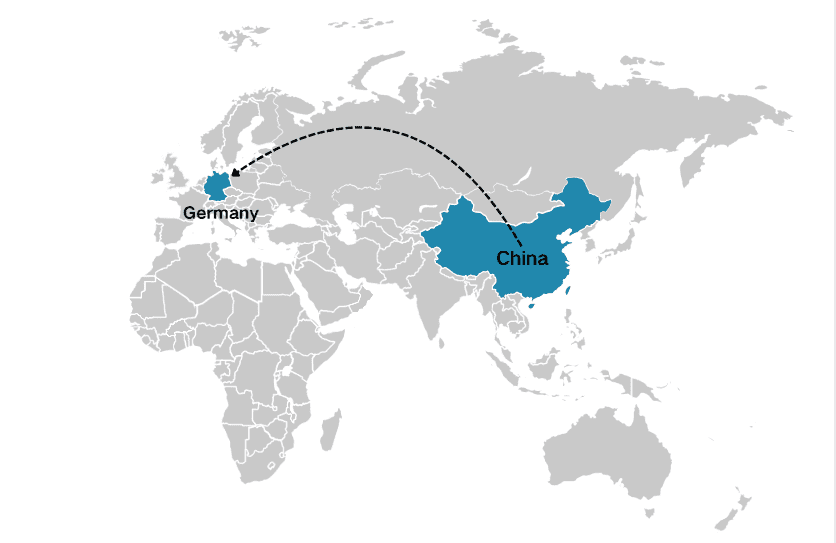
Export to Germany from China is one of the most common China-EU shipping lanes, and also one of the most rule heavy. German customs applies EU law, plus extra scrutiny on electronics, batteries, and product compliance. This guide explains the pathway, the documents, and the mistakes that delay Germany-bound cargo.
Why export to Germany from China is rule heavy
Germany is the largest economy in the EU and applies the union’s common rules. That means EU customs union duty rates, EU product law, and VAT handled through the Import One-Stop-Shop (IOSS) or standard import VAT. For electronics, add CE marking, WEEE registration, and battery regulation on top.
شركتنا guide to shipping from China to the EU covers the union-wide rules. This guide focuses on the Germany-specific and electronics-specific layers.
What documents do you need for Germany?
The core set is the same as other EU lanes, with German specifics:
- Commercial invoice with Incoterms and declared value
- Packing list with per-item HS codes
- بوليصة الشحن البحري أو بوليصة الشحن الجوي
- CE declaration of conformity for electronics
- WEEE registration number for affected e-waste categories
- Battery passport or UN38.3 summary where cells are present
- EORI number for the German importer
ابدأ من موقعنا قائمة مراجعة مستندات المستورد so nothing is missing. Our دليل رموز HS للأجهزة الإلكترونية helps you classify each line.
How do CE, WEEE, and battery rules apply?
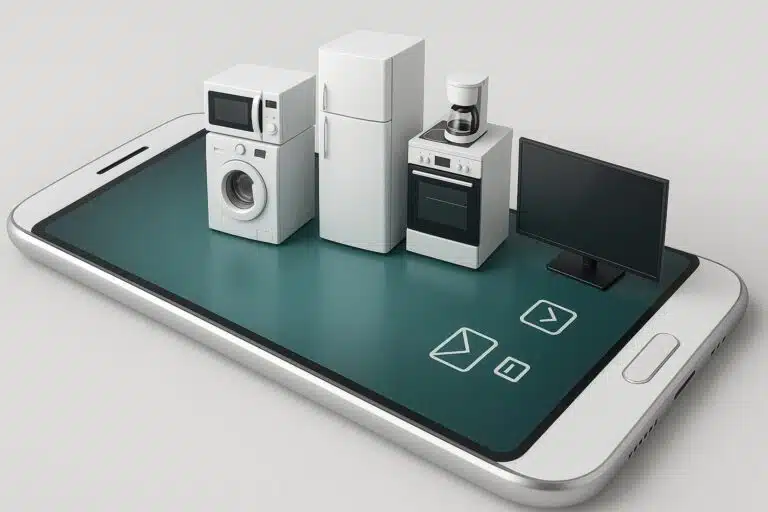
Electronics placed on the German market need CE marking backed by a technical file. WEEE (Waste Electrical and Electronic Equipment) requires registration with a German competent body and a take-back scheme. Batteries fall under the EU Battery Regulation, which adds carbon-footprint and due-diligence expectations for larger cells.
These are product-compliance steps, not freight steps, but they block clearance if missing. Our sensitive-goods overview explains how compliance and freight connect.
Which shipping mode fits Germany?
| الوضع | النقل العابر | الأفضل لـ |
|---|---|---|
| شحن بحري بالحاويات الكاملة (FCL) أو الشحن الجزئي (LCL) إلى هامبورغ أو بريمرهافن | من 30 إلى 45 يومًا | مخزون كبير ومستقر |
| Rail to Duisburg (China-Europe) | من 18 إلى 25 يومًا | Balance of cost and speed |
| Air to Frankfurt | من 3 إلى 7 أيام | Urgent, high-value, launches |
Frankfurt is the main air gateway. Hamburg and Bremerhaven are the sea gateways. Duisburg is the rail hub. Choose by value, urgency, and inventory plan.
DDP or DAP for Germany?
DDP means the seller clears customs and pays German import VAT and duty. DAP means the buyer handles import. Many B2B buyers prefer DDP for predictability, but DDP requires the seller to register for German VAT or use a fiscal representative. Our دليل مقارنة بين IOSS و DDP explains the VAT mechanics. Our دليل DDP و3PL بين الصين والاتحاد الأوروبي covers the fulfillment side.
Common mistakes when exporting to Germany
- Missing WEEE registration and getting held at customs
- Treating CE as a sticker rather than a documented conformity process
- Underestimating German import VAT on DDP
- Using the wrong Incoterm and disputing who pays duty
- Forgetting the EORI number at the border
Each is avoidable with the right checklist before departure.
الأسئلة الشائعة
Do I need a German VAT number to export to Germany?
For DAP, the importer’s EORI and VAT handle it. For DDP, the seller typically needs a German VAT registration or a fiscal representative.
Can I ship electronics with batteries to Germany?
Yes, with UN38.3 and dangerous-goods handling. Our lithium battery air guide covers the pathway.
What is the fastest lane to Germany?
Air to Frankfurt runs 3 to 7 days. Rail to Duisburg is the middle option at roughly 18 to 25 days.
الخاتمة
Export to Germany from China rewards preparation. Get CE, WEEE, and battery compliance in place, choose the right mode and Incoterm, and document every line. The lane is busy and well served, but German customs expects the paperwork to be correct the first time.
 English
  Chinese
  Arabic
  French
  German
  Portuguese
  Spanish