If you’re buying jerseys in bulk from China, the first thing to get straight is that there isn’t one market. There are at least two, and they behave nothing alike. One side is built for foreigners who want a clean checkout and a parcel at the door. The other is the domestic Chinese supply chain, where the prices are real but nothing is handed to you.
The real question is whether you want a transaction or a profit. If you want a transaction, you can place an order on Alibaba or DHgate tonight. If you want a profit — real margin on cheap jerseys from China — you’re dealing with 1688, freight forwarders, and a language you don’t speak.
Here are the six routes, and what each one is actually like once the honeymoon ends.
Quick Comparison: 6 Wholesale Jersey Sourcing Platforms
| Platform | Best For | Typical MOQ | Buyer Protection | Ships Direct? |
|---|---|---|---|---|
| Alibaba.com | First order, custom branding | Low–Medium | Trade Assurance | Yes |
| 1688.com | Volume buyers chasing margin | Medium–High | None (agent-dependent) | No — needs a forwarder |
| DHgate | Small-batch, dropshipping, testing | 1–10 pieces | Buyer protection | Yes |
| Made-in-China.com | Verified factories, heavy customization | Medium–High | Limited | Yes |
| Global Sources | Compliance-first, corporate buyers | High | Vetted suppliers | Yes |
| Niche stores (BestSoccerStore, GoalJerseys, etc.) | Fan clubs, small teams, fast turnaround | Very low | Store-dependent | Yes |
If you’re sourcing from a single factory a few times a year, marketplaces are simpler. Once you’re moving real volume, 1688 typically wins on unit cost — once you factor in the agent fee.
Alibaba.com — The Default, and Usually the Right First Stop
Alibaba is where most people land, and not without reason. It’s the one platform that balances access with a safety net.
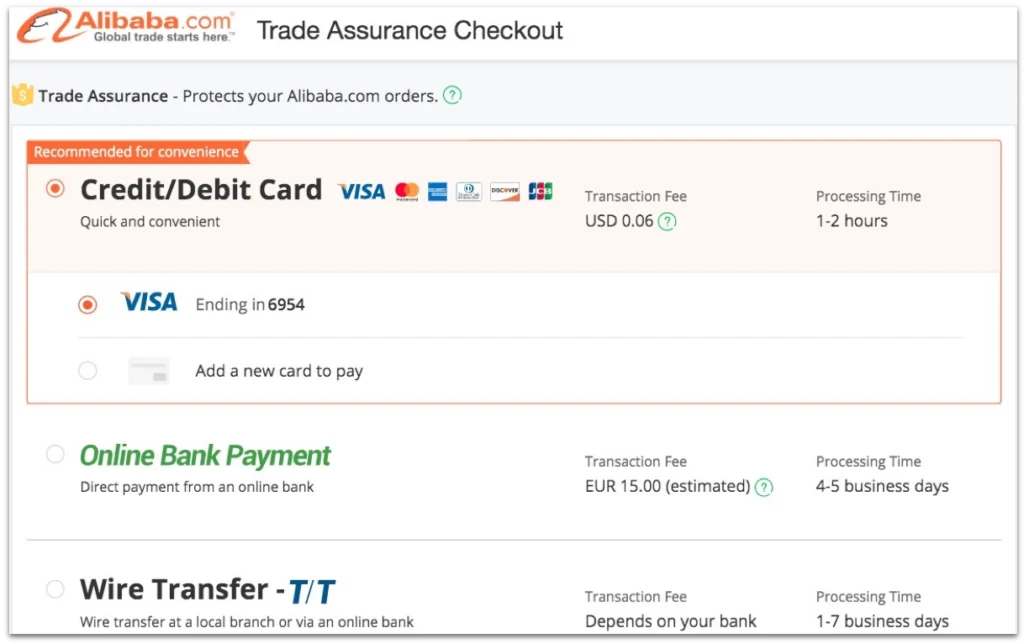
That safety net is Trade Assurance. You pay through Alibaba, and the money doesn’t release to the supplier until you confirm delivery, or until a dispute window closes. This actually pays out when a shipment arrives short by a few hundred units — it won’t save you from a bad product, but it keeps a supplier from taking your deposit and disappearing, which happens more often than the case studies admit.
Where Alibaba earns its keep is customization. If you want your own brand, your own colors, dye-sublimation prints, or tackle twill, you can find a jersey factory there that does it. The supplier filters are usable once you learn to ignore the “Gold Supplier” badge (it mostly means they paid for a membership) and look at transaction history and years in business instead.
The catch is price. You’re paying a trading markup, and some “manufacturers” on Alibaba are trading companies reselling from the same jersey factories you’d find cheaper on 1688. For a first order or a mid-size run, that markup is worth the convenience. For a 5,000-piece reorder, it starts to sting.
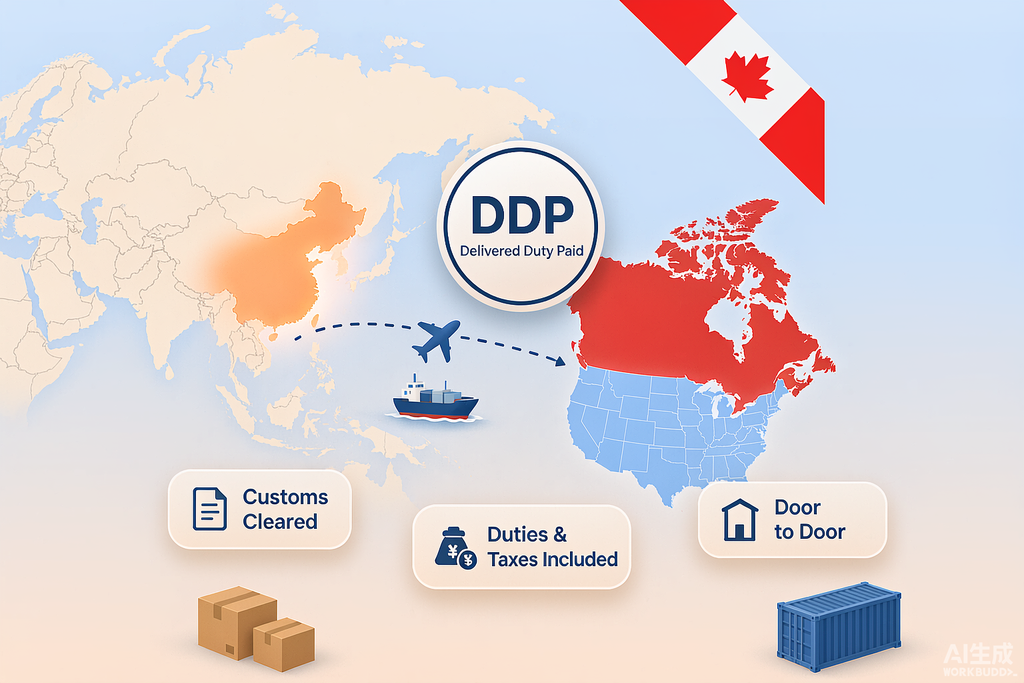
Shipping goes direct: express, air, or sea, including DDP (delivered duty paid) if you ask for it.
1688.com — The Real Price, and the Real Work
1688 is Alibaba’s domestic sister site. Same company, a completely different world. The prices there are what Chinese wholesalers actually pay for jerseys, often 30 to 50 percent below the English-language sites for the identical goods.
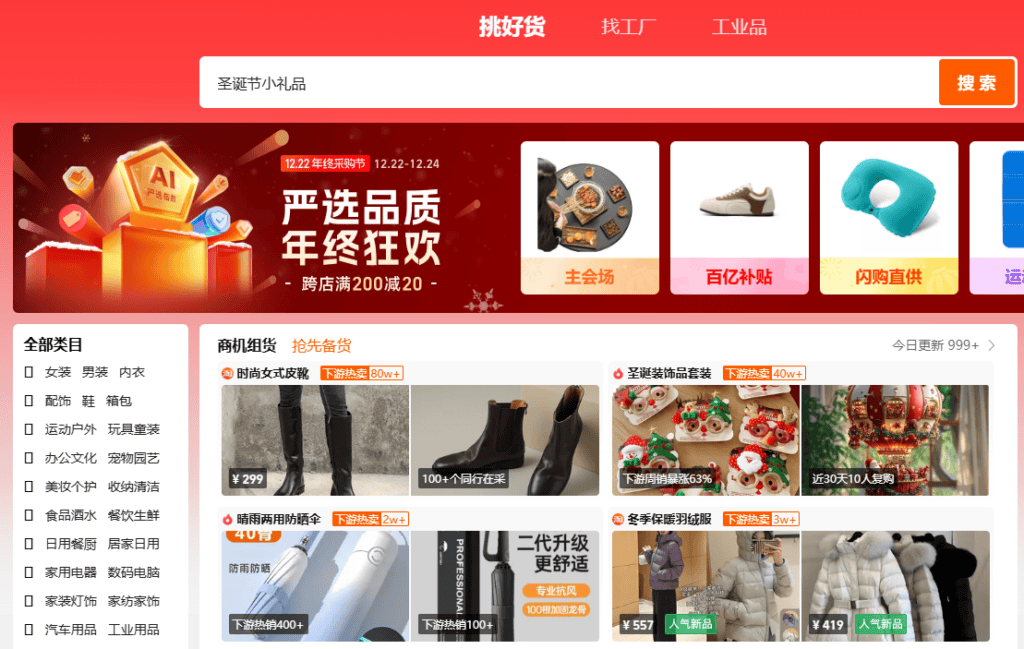
You can’t buy from 1688 as a foreigner and have it shipped to your door. The site is in Chinese, the sellers don’t do international shipping, and they expect local payment methods. To use it you need either a Chinese partner or a sourcing agent slash freight forwarder. The agent gives you a warehouse address in Guangzhou, Shenzhen, or Yiwu. Your jersey suppliers ship there. The agent inspects, consolidates your packages, and sends the lot overseas, usually via DDP air or sea.
This is the route that separates hobby buyers from people running a real margin business. The savings are real, but so is the friction: you’re now managing a middleman, you’re paying agent fees, and quality control is on you, because there’s no Trade Assurance cushion. If a 1688 jersey supplier sends junk, your recourse is basically your agent’s negotiation skills.
Use 1688 when volume justifies the overhead. For a one-off small batch, it’ll cost you more in time than you save in unit price.
DHgate — Low MOQ, Low Stakes
DHgate is closer to wholesale AliExpress than to Alibaba. The whole point is you can order 1 to 10 jerseys at a time. For dropshippers, for testing a product before you commit, for a pop-up shop that needs stock next week, it’s the path of least resistance.
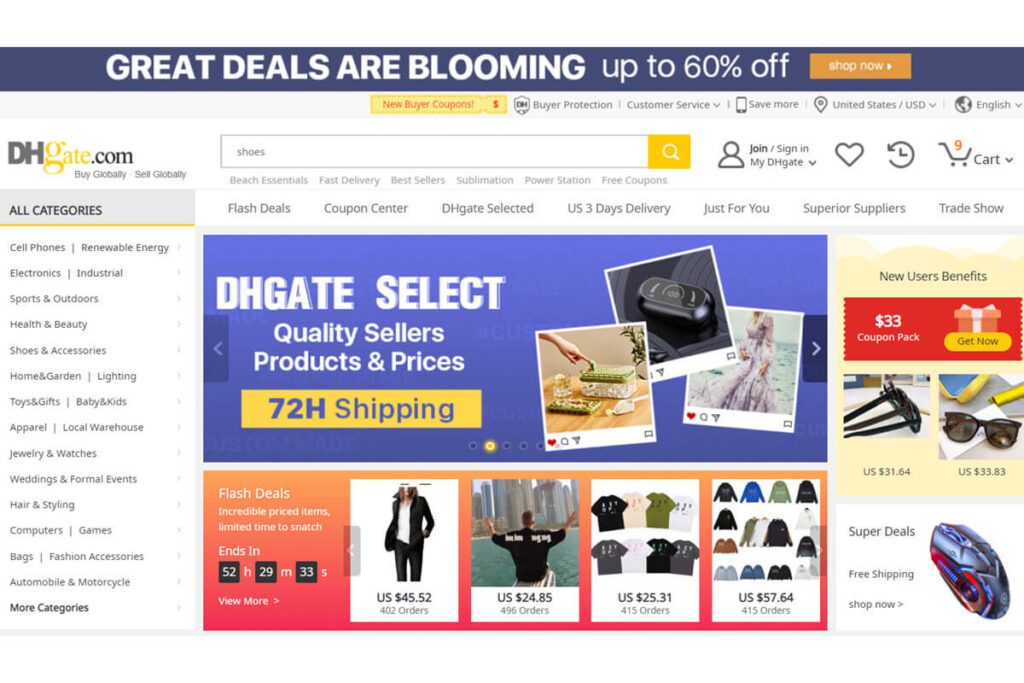
Buyer protection exists and checkout is simple. You don’t negotiate. You don’t talk to a factory. You pick a listing and pay. That’s the appeal and the ceiling: you’re buying off-the-shelf jerseys, mostly soccer, basketball, and NFL, not building a brand.
Shipping is direct via ePacket, EMS, DHL, or postal lines. Expect it slow, and expect that the “same jersey” you loved at 5 pieces may look different at 200 if you switched suppliers. DHgate has the most uneven seller quality of the group, so sample before you scale.
Made-in-China.com — When You Care the Factory Is Real
Made-in-China is older-school and more selective about its supplier base. The thing worth noting is audit transparency: many jersey listings show actual factory audit reports, so you can tell a real manufacturer from a trading company pretending to be one.
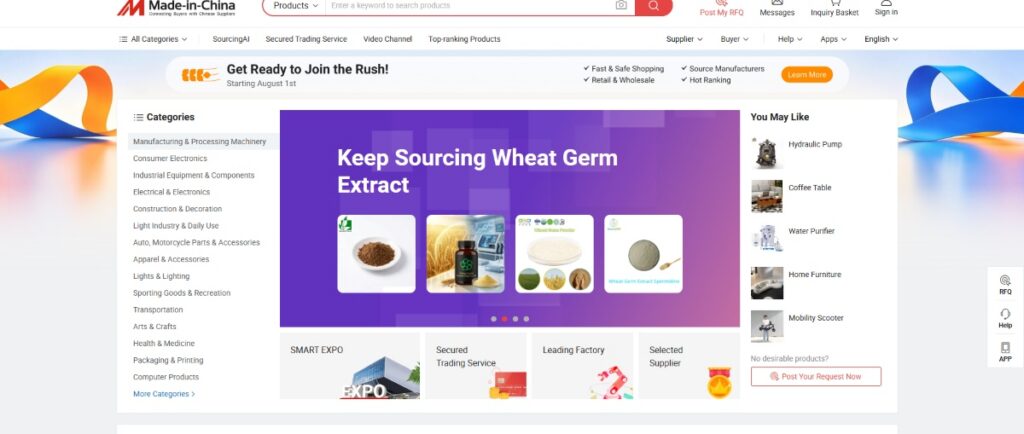
If you’re a sports brand or a club buying licensed-style teamwear with heavy customization (stitching, technical moisture-wicking fabrics), this is a sensible place to look. You skip the middlemen and deal with the people who own the machines.
The tradeoff is that it’s less friendly to small buyers. MOQs tend higher, the interface is clunkier, and you’ll do more back-and-forth email than on Alibaba. Shipping is standard international freight: FOB, CIF, DDP.
Global Sources — The Compliance-First Route
Global Sources sits at the top of the food chain for buyers who need proof, not promises. Its jersey suppliers are vetted, export-ready, and often already supplying major international brands. If your business requires ESG documentation, audit trails, and OEM/ODM at volume, this is where corporate buyers go.
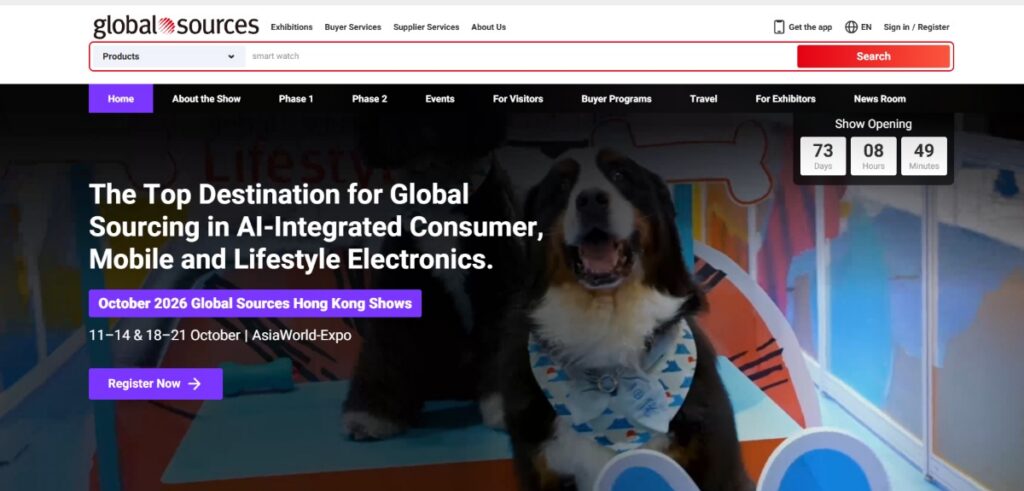
You pay for that assurance in price and in minimums. It isn’t a place to grab 20 samples. It’s a place to place a 10,000-piece order with a paper trail. They also run trade shows, the Hong Kong fairs especially, which are worth attending if you’re serious. You learn more in a day of touching fabric than in a week of request-for-quote emails.
Niche Stores — BestSoccerStore, GoalJerseys, and the Rest
Then there’s the long tail of vertical shops that sell nothing but jerseys and fanwear. They aren’t marketplaces; they’re stores. The upside is speed and specificity: you pick a player, add a name and number on the spot, and it ships. The downside is you’re at the mercy of their sourcing, their quality, and their stock. Good for a fan club or an amateur team that needs 15 matching shirts by next month. Not where you build a wholesale business.
Marketplace or Factory: The Decision That Actually Matters
Strip away the feature lists and the choice is simple.
Marketplaces (Alibaba, DHgate, Global Sources) give you buyer protection, low MOQs, English, and direct shipping. You pay a markup and you accept uneven seller quality.
Factory and domestic routes (1688, Made-in-China, direct contracts) give you the lowest unit cost and a direct line to the people making the product. You pay in Chinese-language friction, higher MOQs, and the need for a freight forwarder.
Startup stores, dropshippers, and small-volume buyers belong on the marketplace side. Scaling brands and high-volume wholesalers with a local agent belong on the factory side. There’s no shame in starting on the marketplace side and moving to 1688 once you know your numbers.
Wholesale Jersey Pricing: What the Numbers Actually Look Like
Wholesale jersey pricing tracks manufacturing spec more than brand. Rough tiers, per unit at volume:
| Jersey Type | Price Range (per unit) |
|---|---|
| Basic mesh or blank jerseys | $3 – $6 |
| Sublimated custom jerseys | $6.50 – $12 |
| Stitched, heavyweight jerseys | $12 – $22+ |
The spread comes down to a few things.
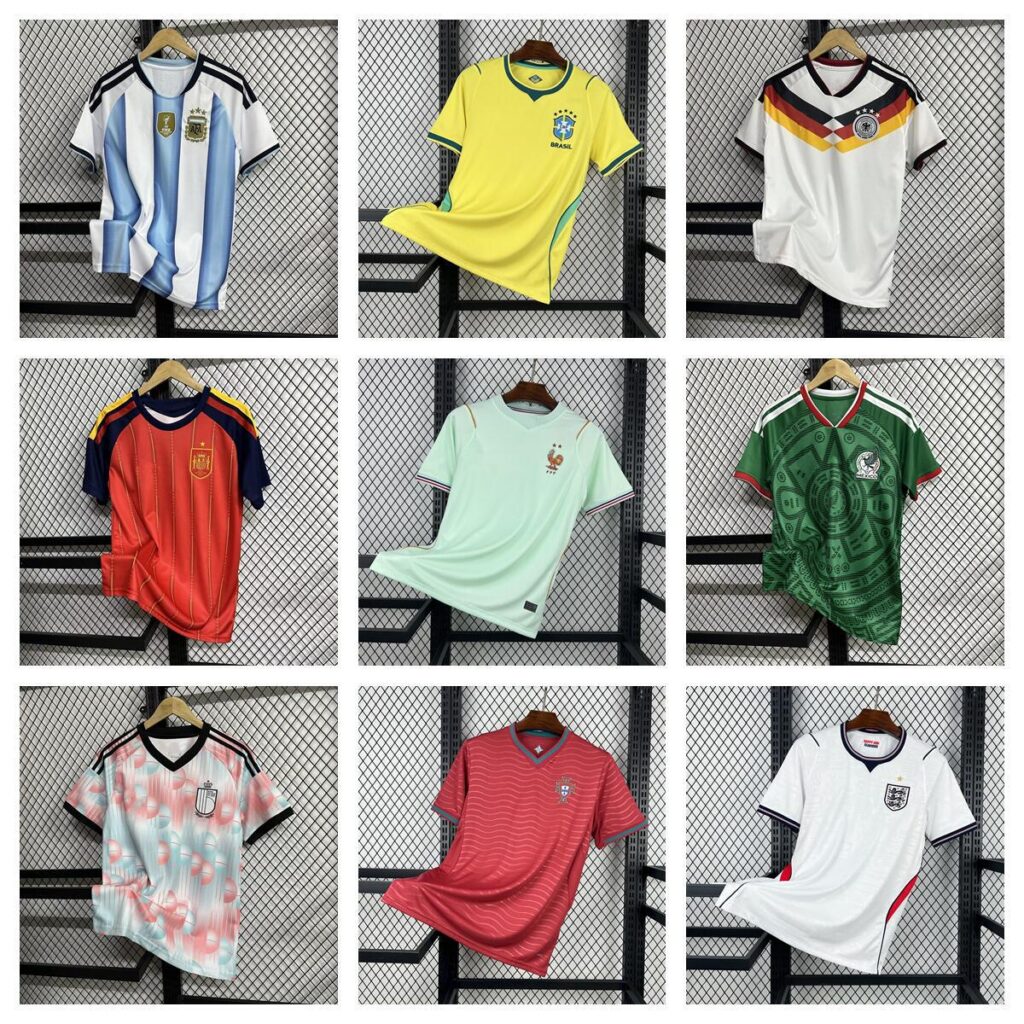
Print method matters most. Screen printing is cheapest and fine for a single-color logo on a long run. Dye sublimation pushes the ink into the fiber, so the print doesn’t peel and doesn’t add weight. It’s the sweet spot for all-over, full-color designs. Tackle twill and embroidery are the expensive end: layered fabric patches with dense stitching, the look you see on premium baseball and hockey jerseys, and the reason those cost what they cost.
Fabric is the quiet cost driver. Plain polyester mesh is cheap. Anti-bacterial, four-way-stretch, moisture-wicking dry-fit material is not, and a factory will charge for it.
Quantity is where the real money moves. Hitting a tier break (50 pieces, then 500, then 3,000) drops your unit cost sharply. The jump from a 50-piece quote to a 500-piece quote is usually bigger than the jump from 500 to 3,000.
Shipping Jerseys from China: What Nobody Enjoys
Whether your order shows up at your door depends entirely on the platform.
Alibaba, DHgate, Made-in-China, and the niche stores ship internationally themselves. You enter an overseas address, pick a carrier (DHL, FedEx, UPS, EMS), and track it.
1688 does not. Its sellers ship only to mainland China. To get goods out, you use a Chinese 3PL agent who receives, inspects, consolidates, and forwards via DDP air or sea. This is the single biggest reason people give up on 1688: it’s a second job, not a checkout button.
Freight type decides your landed cost. Jersey shipments are light but bulky, so volumetric weight rules. Shipping 1,000 jerseys by sea DDP might add around 80 cents a unit. Express air could add $3.50 or more per unit. On a 5,000-piece order, that difference is the gap between a profit and a write-off.
FAQ: Buying Wholesale Jerseys from China
What’s the difference between Alibaba and 1688 for jerseys?
Alibaba is built for international buyers — English language, Trade Assurance, direct shipping — but carries a trading markup. 1688 is the domestic Chinese site with the real wholesale price, often 30–50% lower, but it requires a freight forwarder or agent since sellers don’t ship internationally.
What’s the minimum order quantity (MOQ) for wholesale jerseys?
It depends on the platform. DHgate allows orders as low as 1–10 pieces. Alibaba is typically low-to-medium MOQ depending on the factory. 1688, Made-in-China, and Global Sources generally require higher volume to make sense financially.
Is it safe to buy jerseys from 1688 as a foreigner?
You can’t buy directly — the site only ships domestically within China. You need a sourcing agent or freight forwarder with a warehouse address in a hub like Guangzhou, Shenzhen, or Yiwu to receive, inspect, and consolidate your order before it ships overseas via DDP.
How much does DDP shipping add to the cost per jersey?
Roughly 80 cents per unit for sea freight on a 1,000-piece order, versus $3.50 or more per unit for express air. On larger orders, this difference can be the gap between profit and a write-off.
Should I order samples before placing a bulk jersey order?
Yes, every time. Check seam strength, embroidery density, sizing (Asian sizing tends to run small), and fabric breathability before committing to a bulk run. A sample costs a fraction of what a bad 1,000-piece order costs.
Advice for First-Time Buyers
Order samples first, every time. Before any bulk order, get one in hand and check seam strength, embroidery density, sizing (Asian sizing runs small, plan for it), and whether the fabric actually breathes. A sample costs you $10. A bad 1,000-piece run costs you the whole order.
Watch the intellectual property line. Custom logos and team designs can get held at customs if they trip trademark rules. Know what you’re allowed to reproduce in your market before you print it.
Pack for the freight, not the shelf. Ask suppliers to vacuum-pack bulk shipments. It compresses the volume, and on a sea or air shipment that alone can shave real money off the total.
And be honest about which route fits you today. The marketplace is fine. 1688 is better once you’re big enough that the agent’s fee is smaller than the margin you’re recovering. Most people should start on Alibaba, learn what a good jersey feels like, then decide if the factory discount is worth the work.
 English
  Chinese
  Arabic
  French
  German
  Portuguese
  Spanish