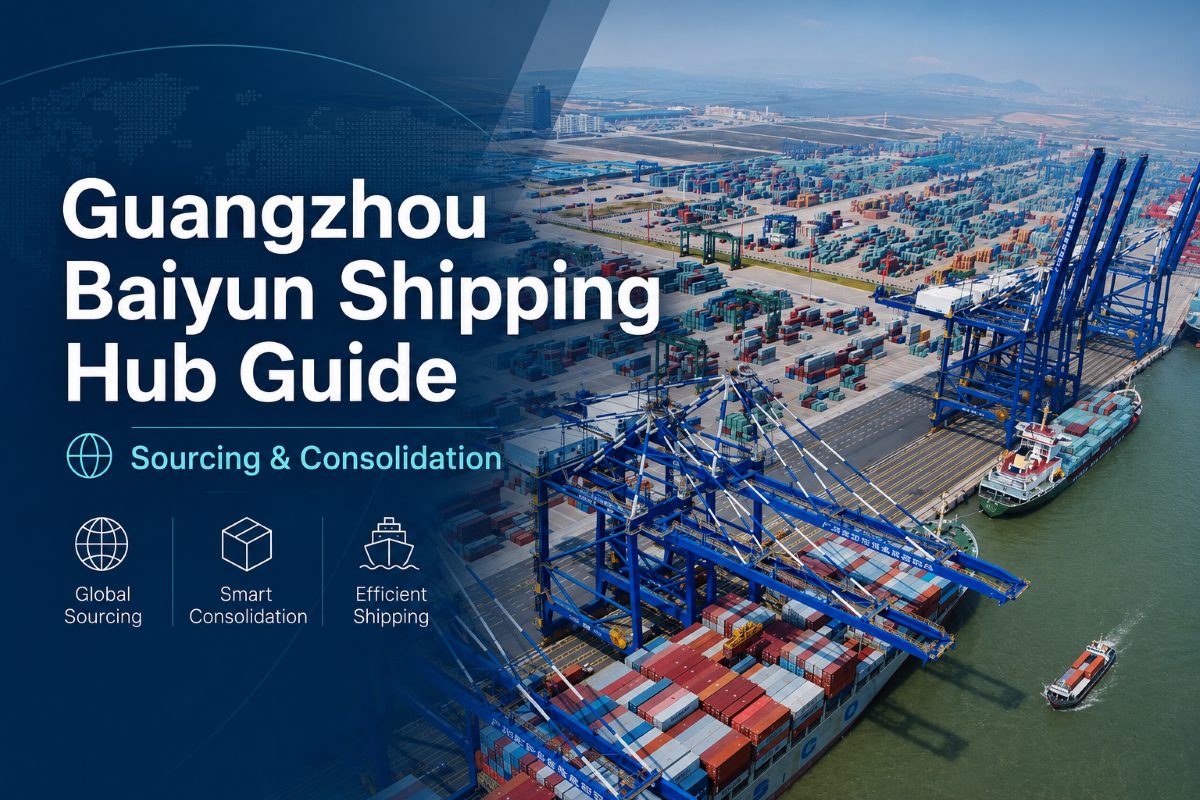
For global apparel brands sourcing across South China, the Guangzhou Baiyun shipping hub is not just an airport or a warehouse cluster—it is the single most critical lever for controlling landed costs and customs compliance. However, maximizing its potential requires more than booking freight; it demands a structured buyer’s consolidation strategy that turns fragmented factory outputs into optimized, fully-audited export manifests.
This guide breaks down how to execute secure consolidation within the Baiyun logistics zone, vet origin warehouses for moisture and security risks, lock in reliable carrier space during peak seasons, and generate clean documentation that survives strict 2026 border audits. Master these fundamentals to protect your margins and ensure predictable retail delivery.
The Strategic Importance of the Guangzhou Baiyun Logistics Network
The Pearl River Delta operates as an aggregated manufacturing ecosystem where specialized industrial clusters are located within a two-hour trucking radius of central Guangzhou. The Guangzhou Baiyun shipping hub serves as the central collection point for these disparate manufacturing streams, transforming fragmented factory outputs into structured, highly optimized export manifests.
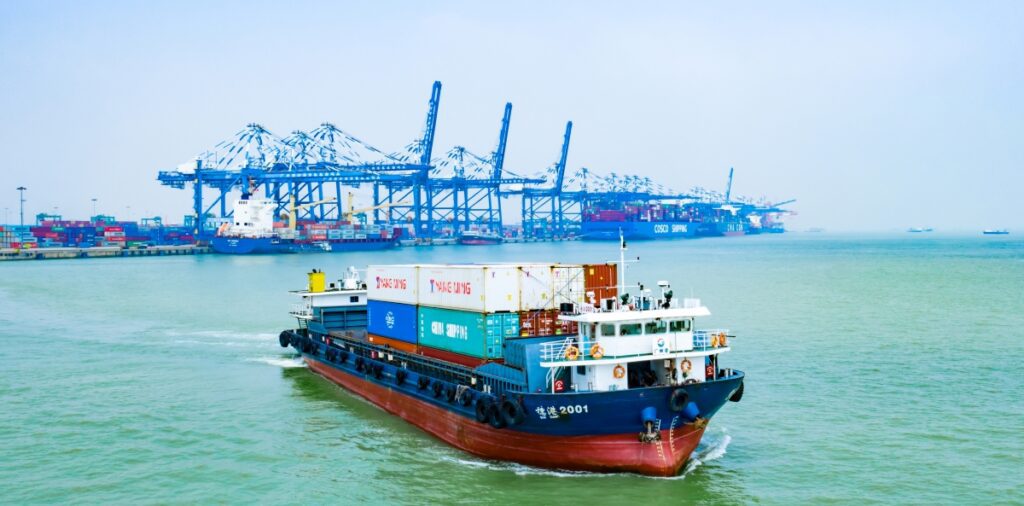
By positioning your primary origin consolidation activities within this specific perimeter, your supply chain gains direct access to flexible multi-modal logistics pathways. Whether your inventory requires expedited air freight through the world-class terminals of Guangzhou Baiyun International Airport (CAN) or rapid trucking integration to nearby deep-water maritime ports like Nansha and Shenzhen Yantian, this hub minimizes domestic transit times. Under modern just-in-time replenishment models, eliminating days from origin domestic movements is the definitive mechanism to buffer your brand against unexpected international transport holds.
Executing Secure South China Consolidation Workflows
Managing cargo from multiple independent suppliers is a persistent friction point for international buyers. Standalone LCL (Less-than-Container-Load) shipments not only multiply terminal handling fees and duplicate customs clearance costs, but also expose high-value inventory to excessive physical re-handling. To secure maximum cost efficiency and legal protection, you must deploy a structured South China consolidation strategy.
The Origin Buyer’s Consolidation Model
Instead of allowing dozens of independent mills to book their own unvetted freight options, experienced importers leverage a dedicated buyer’s consolidation workflow within the Baiyun logistics zone. In this model, all suppliers deliver finished stock to a single, secured warehouse managed by your appointed logistics partner. (For guidance on selecting the right commercial entity, review our comparative analysis on China freight forwarders vs local customs brokers to ensure your vendor aligns with strict export compliance).
At this centralized point, individual cargo lots are audited, sorted, and packed into exclusive Full Container Load (FCL) units or air-freight ULDs assigned solely to your brand. This approach drastically reduces destination terminal fees and, more critically, insulates your consolidated cargo from third-party non-compliance penalties that often plague shared containers.
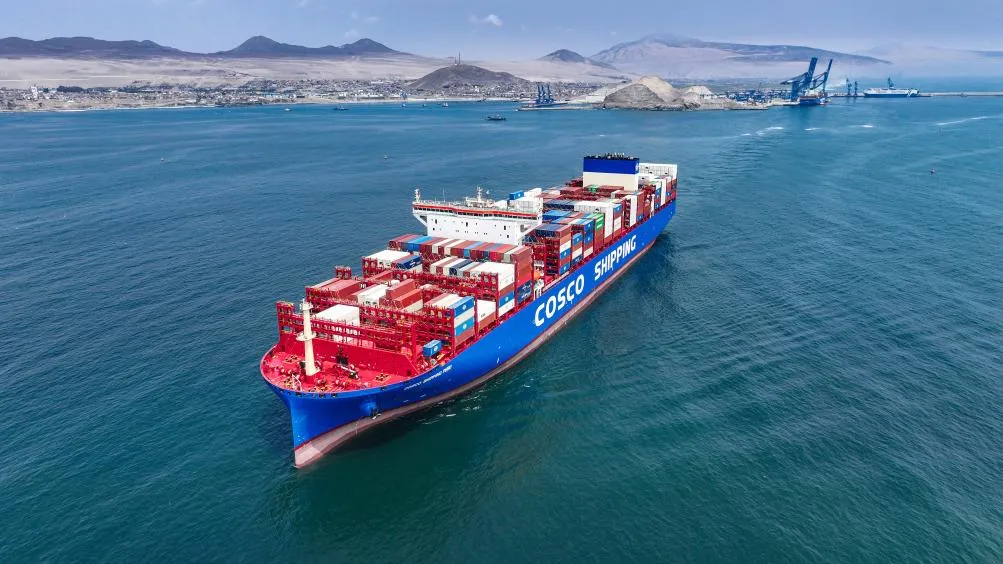
Essential On-Site Warehouse Vetting Criteria
However, this model is only as strong as the physical facility behind it. Since the container is sealed at origin, any error—whether moisture intrusion or count discrepancy—becomes your irrevocable liability. When auditing a consolidation facility, your compliance team must enforce these three operational imperatives:
- Advanced Environmental and Moisture Controls: High-density textiles and electronics degrade rapidly under thermal stress. Verify active dehumidification systems and proper palletized clearance; a single 48-hour spike in humidity can depreciate sensitive fabrics by over 20% before the vessel even departs.
- Granular Digital Inventory Tracking: The warehouse must operate a modern WMS (Warehouse Management System) that supports real-time, barcode-level SKU tracking, providing full visibility from the moment factory trucks unload.
- Comprehensive Security Protocols: Demand documented proof of 24/7 CCTV surveillance, biometric access-control logs, and verified asset protection bonds to eliminate origin theft and downstream inventory manipulation disputes.
Navigating Export Customs and Cargo Space Allocation
Clearing origin border barriers smoothly requires absolute documentary accuracy and a proactive approach to carrier relationships, especially during peak seasonal shipping squeezes.
Demanding Transparent Invoicing and Documentation
A major compliance pitfall at the origin is the presence of ambiguous, bundled billing formats provided by non-vetted brokers. To ensure your shipments pass strict destination audits by agencies like the World Customs Organization (WCO) or regional revenue offices, every document produced at the Baiyun hub must be flawless. Your logistics partner must provide fully itemized export declarations, clean bills of lading, and verified supplier declarations that accurately map to your commercial invoices. Ensuring transparency at this stage prevents your cargo from hitting high-risk screening profiles when arriving at Western borders.
Securing Reliable Cargo Space Allocation
During high-volume retail quarters, the competition for air and ocean capacity within the South China transport network intensifies dramatically. Opaque freight forwarders often overbook their capacity, leaving low-margin cargo rolled or stranded on origin tarmacs for weeks. Protecting your pipeline requires working with a logistics specialist that maintains direct Contract Rate Agreements (CRAs) with primary commercial airlines and major ocean alliances. Securing allocated capacity ensures predictable shipping schedules even amidst volatile macroeconomic shifts.

Operational Efficiency Matrix: Consolidated vs. Fragmented Shipments
The following matrix compares the operational costs and compliance protections of a consolidated logistics model versus traditional fragmented shipping structures.
| Sourcing Metric | Fragmented Multi-Supplier Shipping | Structured Buyer’s Consolidation Model | Supply Chain Operational Impact |
| Domestic Logistics Fees | Multiplied minimum handling fees at individual ports | Single, aggregated handling fee at a central hub | Fragmented: High per-unit overhead Consolidated: Maximum margin preservation |
| Customs Documentation | Multiple entry declarations across every supplier SKU | One single consolidated export manifest per container | Fragmented: High risk of clerical errors Consolidated: Clean, streamlined data trails |
| Cargo Inspection Vulnerability | Exposed to random multi-party container delays | Segregated, verified, and pre-audited cargo batches | Fragmented: High risk of third-party contamination Consolidated: Absolute isolation from external risks |
| Transit Damage Risk | High physical handling due to frequent LCL re-sorting | Single origin pack, direct transit to destination hub | Fragmented: Elevated depreciation risk Consolidated: Minimal transit wear and tear |
Summary: Optimizing Your Logistics Foundation
In summary, the Guangzhou Baiyun shipping hub represents the ideal geographical and operational base for scaling international apparel and consumer goods distribution. By enforcing a centralized buyer’s consolidation model, thoroughly auditing your origin storage facilities, demanding completely transparent documentation, and locking down direct carrier space allocations, international enterprises can secure a highly resilient, cost-effective pipeline. Managing your logistics with absolute precision at the source remains the definitive mechanism to protect your global margins and ensure predictable retail success.
To further strengthen your global supply chain compliance and optimize your international shipping costs, explore our specialized field analyses:
- Evaluate your cost optimization strategies by reviewing our detailed guide comparing China freight forwarders vs local customs brokers.
- Ensure your valuation mechanics satisfy regional compliance mandates by examining our technical breakdown on UK HMRC customs valuation rules.
- Protect your capital assets against maritime transit damage risks by setting up secure cargo insurance for DDP shipping.
Frequently Asked Questions
Why should a brand select the Guangzhou Baiyun shipping hub over smaller regional ports?
The Baiyun logistics zone provides an unmatched concentration of international air cargo capacity, specialized fulfillment warehouses, and direct multi-modal trucking networks. Smaller regional hubs frequently lack direct international airline routing, forcing your cargo through secondary domestic transfer legs that increase transit times, double handling exposure, and introduce unnecessary administrative friction.
How does a transparent freight quoting structure protect against unexpected destination fees?
A transparent, fully itemized quote completely separates actual origin line-haul rates, warehouse processing fees, export declaration costs, and destination port handling outlays. This granular transparency prevents non-vetted forwarders from hiding inflated markups or introducing unverified auxiliary charges when your container arrives at the destination port.
What are the main documentation requirements when executing buyer’s consolidation?
Executing a successful buyer’s consolidation requires a clear master bill of lading (BOL) encompassing the entire container, supported by individual house bills of lading for each participating supplier. Additionally, the consolidation warehouse must generate a precise, unified packing manifest detailing the exact pallet counts, weights, and corresponding commercial invoice values for every factory batch inside the container.

 English
  Chinese
  Arabic
  French
  German
  Portuguese
  Spanish