On t'a donné un devis pour $300, mais la facture s'élève à $750. Mais qu'est-ce qui s'est passé ?
Vous venez de recevoir un devis pour l'expédition de vos marchandises de Guangzhou à Sydney : $300. Vous êtes ravi. Mais voilà que la facture arrive, et le montant est de $750. Mais que s’est-il donc passé ? Ce $450 supplémentaire n’est pas apparu comme par magie. Ce sont les coûts cachés, les surcoûts sournois et tout ce dont personne ne vous parle avant qu’il ne soit trop tard. Lorsque vous expédiez du fret vers l’Australie, en particulier depuis la Chine, vous vous aventurez dans un champ de mines si vous ne connaissez pas les règles. Faisons sauter ces mines et parlons franchement.
Le piège du ‘ poids volumétrique ’ qui fait doubler votre facture
Imaginez que vous expédiez un énorme colis contenant des oreillers légers comme une plume. Il pèse peut-être 2 kilogrammes, mais il a la taille d’un petit réfrigérateur. Vous pensez que vous allez payer pour 2 kg, n’est-ce pas ? Eh bien non. Tous les transporteurs, qu’ils soient aériens ou maritimes, appliquent une règle de ‘ poids volumétrique ’. Ils mesurent les dimensions de votre colis – longueur × largeur × hauteur – et les divisent par un coefficient spécifique (souvent 5 000 ou 6 000 pour le fret aérien, différent pour le fret maritime). Si ce ‘ poids volumétrique ’ est supérieur à votre poids réel, vous payez pour l’espace occupé par vos oreillers moelleux, et non pour leur poids réel. C’est le piège numéro un qui prend au dépourvu les vendeurs en ligne. Calculez toujours les deux et partez du principe que c’est le plus élevé qui vous sera facturé. Ne laissez pas un produit léger mais encombrant grignoter votre budget à votre insu.
Pourquoi votre devis vient de doubler : Le Frais cachés Ce qui mord fort
Au-delà du poids volumétrique, toute une meute de loups n’attend que de dévorer votre budget. Il ne s’agit pas là de suppléments facultatifs, mais de frais standard du secteur qui ne sont souvent pas inclus dans une offre de base ‘par kg‘ » C’est en les ignorant qu’on se retrouve avec cette facture surprise bien désagréable.

L'« Assassin » de la surtaxe carburant (FSC)
C'est un véritable casse-tête. Les prix du carburant fluctuent sans cesse, et les transporteurs répercutent directement ces coûts sur vous. Il s'agit d'un pourcentage du coût de base du fret, qui peut varier chaque semaine ou chaque mois. Vous ne pouvez pas y échapper, et cela peut alourdir considérablement le montant total de votre facture. Ne partez jamais du principe qu'un devis inclut un coût de carburant fixe ; celui-ci est toujours variable.
Le « Hitman » de la surtaxe pour zones isolées (RAS)
L'Australie est un pays immense. Si votre destination n'est ni Sydney, ni Melbourne, ni Brisbane, ni Perth, ni Adélaïde, il y a de fortes chances que vous vous rendiez dans une région isolée. La livraison vers une ferme dans la campagne du Queensland ou une petite ville de Tasmanie coûte plus cher. Les transporteurs facturent un supplément en raison des temps de trajet plus longs, du nombre réduit d'itinéraires de livraison et de la logistique spécialisée requise. Si votre client ne se trouve pas dans une grande agglomération, prévoyez ce surcoût dans votre budget.
Frais de dédouanement : bien plus que de simples droits de douane
Vous devrez s'acquitter des droits d'importation et de la GST (taxe sur les biens et services) auprès du gouvernement australien, cela va de soi. Mais vous devrez également payer des frais pour le service proprement dit consistant à faire dédouaner vos marchandises par les douanes australiennes. Il s'agit des honoraires du courtier, c'est-à-dire des frais administratifs liés au traitement de tous les documents et à la vérification de la conformité. Ces frais sont distincts des taxes proprement dites.
Engorgement des ports et surtaxes de haute saison : un casse-tête mondial
Lorsque les ports sont saturés – en raison de conditions météorologiques défavorables, d’une pénurie de main-d’œuvre ou simplement d’un nombre trop important de navires –, les transporteurs appliquent une surtaxe de congestion. De même, pendant les périodes de forte affluence (comme avant Noël ou le Nouvel An chinois), la demande explose, tout comme les prix. Ces situations sont imprévisibles mais courantes. Votre transitaire devrait vous prévenir si elles risquent de se produire.
Suppléments liés à la sécurité : la norme en vigueur depuis le 11 septembre
En particulier pour le fret aérien, une surtaxe de sécurité obligatoire est appliquée afin de financer le renforcement des contrôles et des mesures de sécurité. Il s'agit d'une somme modique par kilogramme, mais qui finit par représenter un montant non négligeable. Cette surtaxe n'est pas négociable et fait partie intégrante des coûts liés au commerce international aujourd'hui.
Entreposage, surestaries et détention : les pénalités liées à un ‘ séjour trop long ’
Si vos marchandises arrivent au port ou à l'aéroport et ne sont pas récupérées ou dédouanées rapidement, vous commencez à accumuler des frais. Surestaries concerne les conteneurs qui restent trop longtemps au port. Détention c'est pour utiliser le conteneur en dehors du port, au-delà du délai de gratuité. Stockage concerne les marchandises stockées dans un entrepôt. Ces frais peuvent être très élevés et grignoter rapidement vos bénéfices. Mettez vos documents en ordre et soyez prêt à dédouaner vos marchandises rapidement.
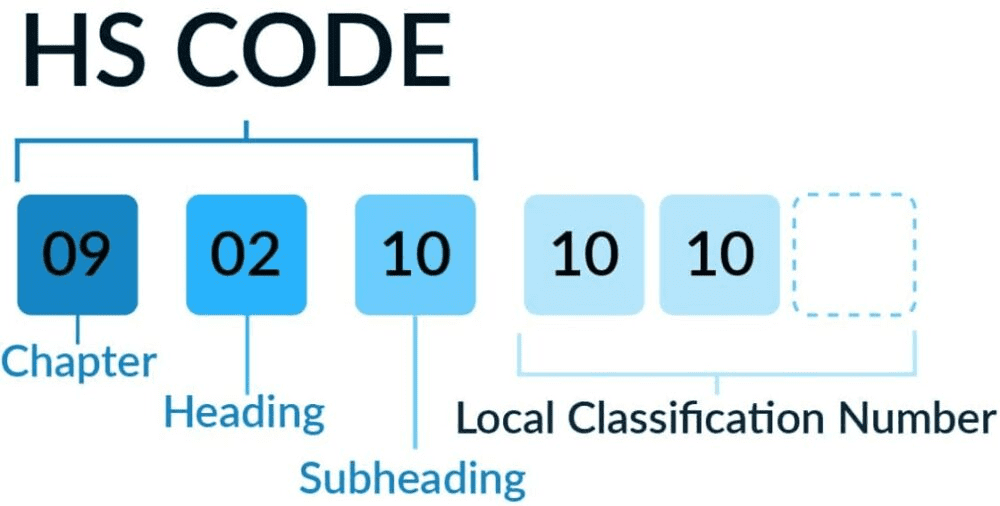
Le ‘Code SH‘ Le passeport : l'identifiant de votre produit qui détermine le montant de votre facture fiscale »
Considérez le code SH comme le « passeport douanier » de votre produit. Il s’agit d’un numéro à 6 chiffres (ou plus) qui indique à toutes les administrations douanières du monde la nature exacte de votre produit. S’agit-il d’un t-shirt en coton (6109.10) ? Ou d’un jouet en plastique (9503.00) ? Ce code n’est pas qu’un simple détail administratif ; il détermine le montant de vos droits d’importation en Australie, la nécessité d’obtenir des autorisations spéciales pour votre produit, voire s’il est autorisé à entrer dans le pays. Si vous vous trompez, votre envoi sera bloqué, vous devrez payer des amendes, ou pire encore, il sera renvoyé. Ne vous fiez pas à des suppositions. Assurez-vous que votre fournisseur vous fournisse le bon code SH et vérifiez-le vous-même. C’est votre première ligne de défense contre les tracas douaniers.
Incoterms : qui paie quoi ? Ne vous faites pas prendre au dépourvu
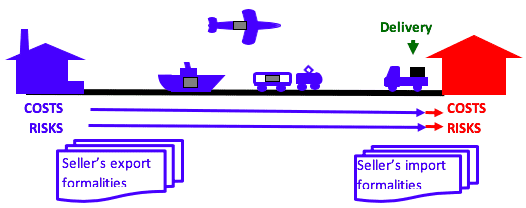
C'est là que de nombreuses petites entreprises se font vraiment avoir. Les Incoterms définissent qui paie quoi, et à quel moment la responsabilité passe du vendeur à l'acheteur. Si vous vous trompez sur ce point, votre client risque d'avoir une mauvaise surprise, ou vous risquez de devoir payer des frais auxquels vous ne vous attendiez pas.
DAP (Livré sur lieu de destination) : l'option « facture surprise »
Avec le DAP, nous livrons vos marchandises directement chez votre acheteur en Australie. Ça a l’air génial, n’est-ce pas ? Mais voici le hic : votre acheteur est responsable de tous les droits d’importation, taxes (comme la GST) et frais de dédouanement dès que les marchandises arrivent sur le sol australien. Il reçoit une facture surprise de la part des douanes australiennes ou du transporteur local. Dans le domaine du e-commerce, cela constitue une expérience client désastreuse. Votre acheteur pensait avoir tout payé, et là, BOUM, une facture inattendue. Il sera furieux, et vous recevrez un avis négatif. Évitez cela pour vos ventes directes aux consommateurs.
DDP (Delivered Duty Paid) : l'option ‘ sans surprise ’
C’est exactement ce qu’il vous faut pour le commerce en ligne. Avec le DDP, nous nous occupons de tout. Nous prenons en charge l’ensemble des frais d’exportation en Chine, ainsi que tous les frais de transport, les droits d’importation, les taxes et les frais de dédouanement en Australie. Votre acheteur reçoit son colis sans frais supplémentaires ni mauvaises surprises. Cela représente certes un coût initial plus élevé pour vous, mais cela garantit une expérience fluide à votre client. C’est une tranquillité d’esprit pour toutes les parties concernées. Ne lésinez pas sur ce point ; la réputation de votre marque est en jeu. Le DDP garantit à votre client de recevoir exactement ce pour quoi il a payé, sans mauvaise surprise.
Transport maritime ou transport aérien ?: Le duel entre vitesse et coût
Le choix du mode d'expédition de vos marchandises est une décision fondamentale qui a une incidence tant sur votre budget que sur les délais de livraison. Il n'existe pas de solution ‘ idéale ’ ; tout dépend de votre produit, de l'urgence et de votre budget.
Fret aérien : rapide, coûteux, pour les marchandises urgentes ou de grande valeur
Si vous avez besoin de vos marchandises en Australie pour hier, le fret aérien est votre seule option. C'est rapide : il faut généralement compter entre 3 et 10 jours pour acheminer une cargaison de Guangzhou vers un aéroport australien. Cependant, ce mode de transport est nettement plus coûteux, en particulier pour les articles lourds ou volumineux. Optez pour le fret aérien pour les échantillons, les appareils électroniques de grande valeur, les articles de mode dont la saison est courte ou les réapprovisionnements urgents. N'oubliez pas que c'est le poids volumétrique qui pèse le plus dans ce cas.
Fret maritime : lent, abordable, pour les envois en vrac et non urgents
Si vous disposez de suffisamment de temps (généralement entre 20 et 45 jours de port à port, auxquels s’ajoutent les formalités douanières et la livraison locale), le fret maritime constitue l’option la plus économique pour les envois volumineux, lourds ou peu urgents. Il s’agit de la solution privilégiée par la plupart des vendeurs en ligne qui importent régulièrement des stocks. Deux options principales s’offrent à vous :
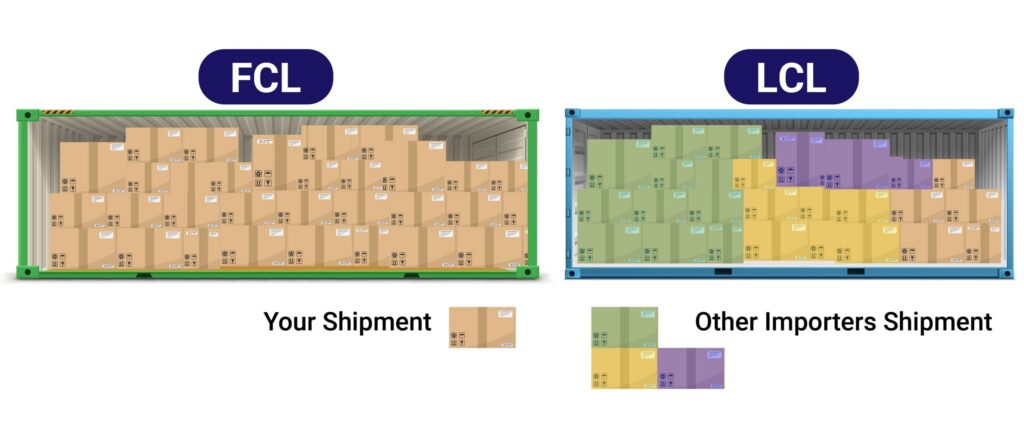
- LCL (Less than Container Load) : Cela signifie que vos marchandises partagent l'espace d'un conteneur avec celles d'autres expéditeurs. C'est la solution idéale pour les petits envois qui ne suffisent pas à remplir un conteneur entier. Vous payez uniquement pour l'espace occupé par vos marchandises. Cette solution est généralement moins coûteuse que le fret aérien, mais elle prend plus de temps en raison des processus de groupage et de dégroupage.
- FCL (Full Container Load) : Si vous expédiez suffisamment de marchandises pour remplir vous-même un conteneur de 20 pieds ou de 40 pieds, le transport en conteneur complet (FCL) est généralement la solution la plus rentable à l'unité. Vous disposez de votre propre conteneur, ce qui peut parfois se traduire par un transit plus rapide et moins de manutention. Cette option est réservée aux volumes importants.
Le cauchemar administratif : ce dont vous avez ABSOLUMENT besoin
Ce n’est pas seulement une question de formalités administratives ; c’est la clé du bon déroulement de votre expédition. Des documents manquants ou erronés sont le moyen le plus rapide de voir vos marchandises bloquées à la douane, ce qui vous exposera à ces frais de stockage exorbitants dont nous avons parlé. Veillez à ce qu’ils soient corrects, à chaque fois.
- Facture commerciale : Voici votre contrat de vente. Il précise les coordonnées du vendeur et de l'acheteur, la description du produit, la quantité, le prix unitaire, le montant total et les Incoterms. Les services douaniers s'appuient sur ce document pour calculer les droits de douane et les taxes.
- Liste d'emballage : Un inventaire détaillé de chaque article de votre envoi, comprenant le poids, les dimensions et le mode d'emballage (par exemple, le nombre de cartons). Cela permet aux services douaniers de vérifier le contenu.
- Connaissement (pour le fret maritime) / Lettre de transport aérien (pour le fret aérien) : Il s'agit du contrat de transport et de la preuve de propriété. Il indique l'expéditeur, le destinataire, l'origine, la destination et la description des marchandises. Vous en avez besoin pour réclamer votre cargaison.
- Certificat d'origine : Parfois requis pour des produits spécifiques ou si vous souhaitez bénéficier de tarifs préférentiels dans le cadre d'accords de libre-échange entre la Chine et l'Australie. Vérifiez si votre produit remplit les conditions requises.
- Permis d'importation/licences : Pour certaines marchandises réglementées comme les produits alimentaires, les cosmétiques, l'électronique, certains textiles ou tout ce qui est soumis à des normes de santé ou de sécurité spécifiques, l'Australie peut exiger des permis d'importation spéciaux. Ne présumez pas ; vérifiez auprès des douanes australiennes ou de votre transitaire bien à l'avance.
Selon l'équipe opérationnelle du hub de Guangzhou Baiyun de Vantage Forwarding, 80% des retards d'expédition sont dus à des documents incorrects ou incomplets., Nous voyons tous les jours des cas de ce genre, en particulier des codes HS erronés ou des permis manquants. Nous voyons cela tous les jours. Il ne s'agit pas seulement d'une question de coût, mais aussi de temps et de maux de tête liés à une expédition retardée et à des clients mécontents.
Choisir son transitaire : Ne vous contentez pas de choisir le moins cher
Votre transitaire est votre bouée de sauvetage. Ne vous contentez pas du devis le moins cher que vous trouvez en ligne. Un devis trop bas signifie souvent que le transitaire a ‘oublié’ d'inclure la moitié des frais. Recherchez la transparence, une communication claire et une expérience avérée de la voie Chine-Australie. Vous avez besoin d'un transitaire qui comprenne la réglementation douanière australienne, qui soit capable de gérer les complexités de Guangzhou et qui vous donne d'emblée le coût total au débarquement. Un bon transitaire vous posera beaucoup de questions - c'est bon signe. Il essaie de comprendre vos besoins pour vous donner un devis précis, et pas seulement un chiffre pour vous appâter.
Votre plan d'action : Comment éviter de se faire arnaquer
Alors, comment se protéger ? Savoir, c'est pouvoir, mais agir, c'est tout. Ne devinez pas ces coûts cachés. Ne vous fiez pas à une simple calculatrice qui ne vous donne que la moitié de l'information. Voici ce que vous devez faire :
- Connaître son produit : Demandez à votre fournisseur les dimensions exactes, le poids et le code HS correct.
- Comprendre les Incoterms : Pour le commerce électronique, optez pour le DDP afin d'offrir à vos clients une expérience transparente.
- Demandez un devis tout compris : Exigez un devis détaillant tous les frais depuis Guangzhou jusqu'à votre destination finale en Australie, y compris tous les suppléments, droits et taxes.
- Soyez prêts : Préparez tous vos documents et assurez-vous qu'ils sont exacts avant même que vos marchandises ne quittent l'usine.
Oubliez les calculs, les conjectures et les mauvaises surprises potentielles. Faites passer les spécifications, les dimensions et la destination exactes de votre produit par notre calculateur de coûts à l'atterrissage à l'adresse suivante Vantage Forwarding. Nous vous donnerons un devis réel, bloqué et tout compris au départ de Guangzhou, afin que vous sachiez exactement ce que vous payez, jusqu'au dernier dollar australien. Pas de surprises, juste de l'honnêteté fret vers l'Australie.

 English
  Chinese
  Arabic
  French
  German
  Portuguese
  Spanish