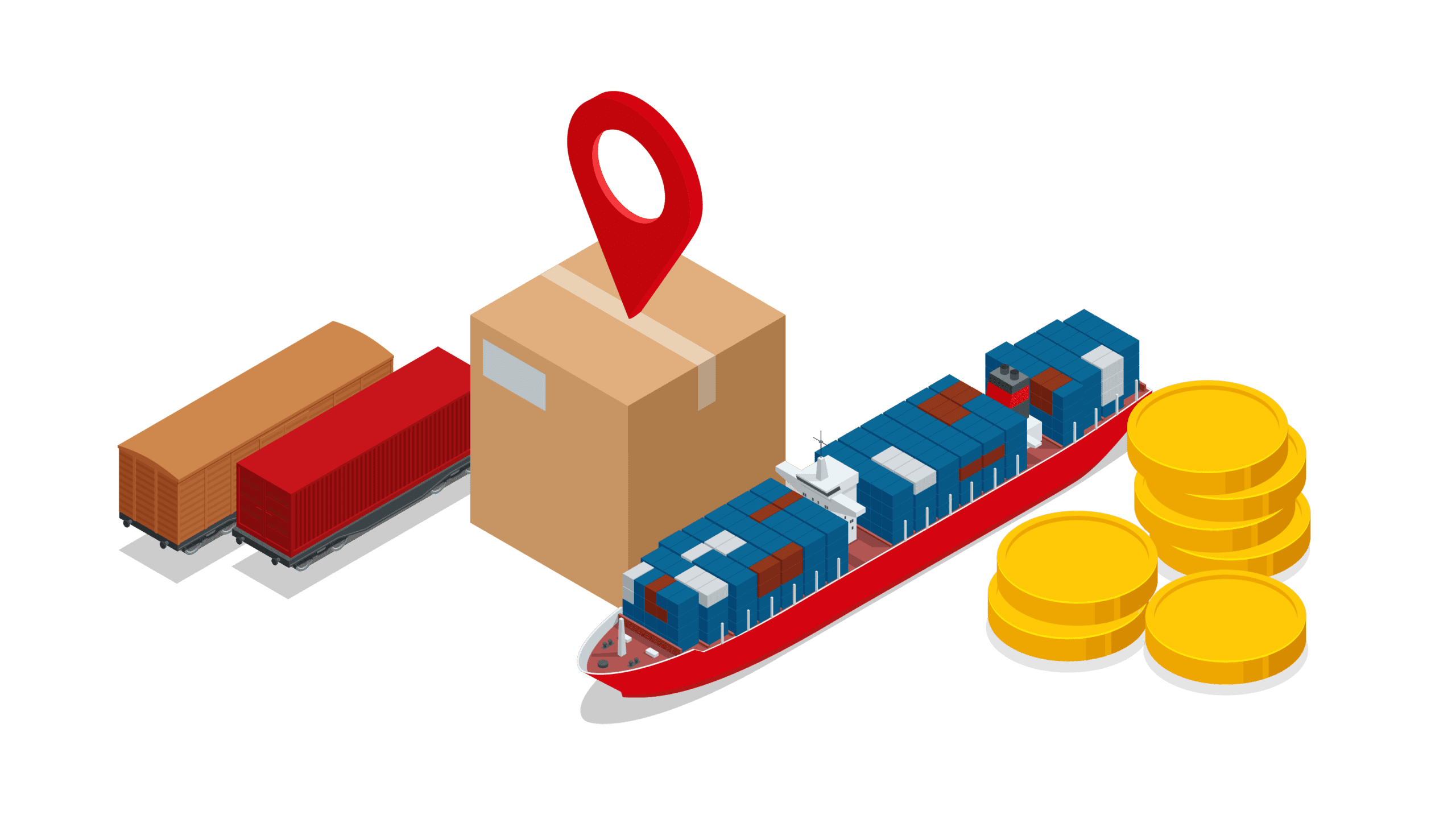
Para los comerciantes transfronterizos, las marcas independientes y los directores de cadenas de suministro globales, el concepto de “doble despacho aduanero” se ha promocionado desde hace tiempo como un atajo logístico sin complicaciones. Este modelo promete una solución integral en la que un único transportista se encarga de los trámites aduaneros de exportación en el origen, gestiona el despacho aduanero en el puerto de destino, abona por adelantado todos los aranceles de importación y entrega los paquetes directamente en los centros de distribución o en los puntos de venta.
Sin embargo, al entrar en 2026, el panorama del comercio mundial ha cambiado radicalmente. Tras una serie de reformas legislativas de gran alcance —entre las que destacan el decreto ejecutivo estadounidense de junio de 2026 sobre el “Fortalecimiento de la aplicación de la normativa aduanera”, dirigido a los importadores extranjeros registrados, y la plena implementación del Sistema de Control de Importaciones 2 (ICS2) digitalizado de la UE—, el tradicional y poco controlado proceso de “doble despacho con derechos pagados” ha pasado de ser un atajo conveniente a convertirse en un grave problema estructural. Los importadores que dependen de los antiguos canales de transporte de mercancías “todo incluido” se están dando cuenta de que cualquier pequeño atajo administrativo en la frontera puede paralizar cadenas de suministro enteras. Esta guía técnica analiza por qué los métodos tradicionales Shuangqing se enfrenta a un callejón sin salida normativo y cómo deben estructurar los operadores sus acuerdos «Delivered Duty Paid» (DDP) para seguir cumpliendo con los marcos normativos que entrarán en vigor en 2026.

La realidad jurídica del doble despacho en la nomenclatura aduanera moderna
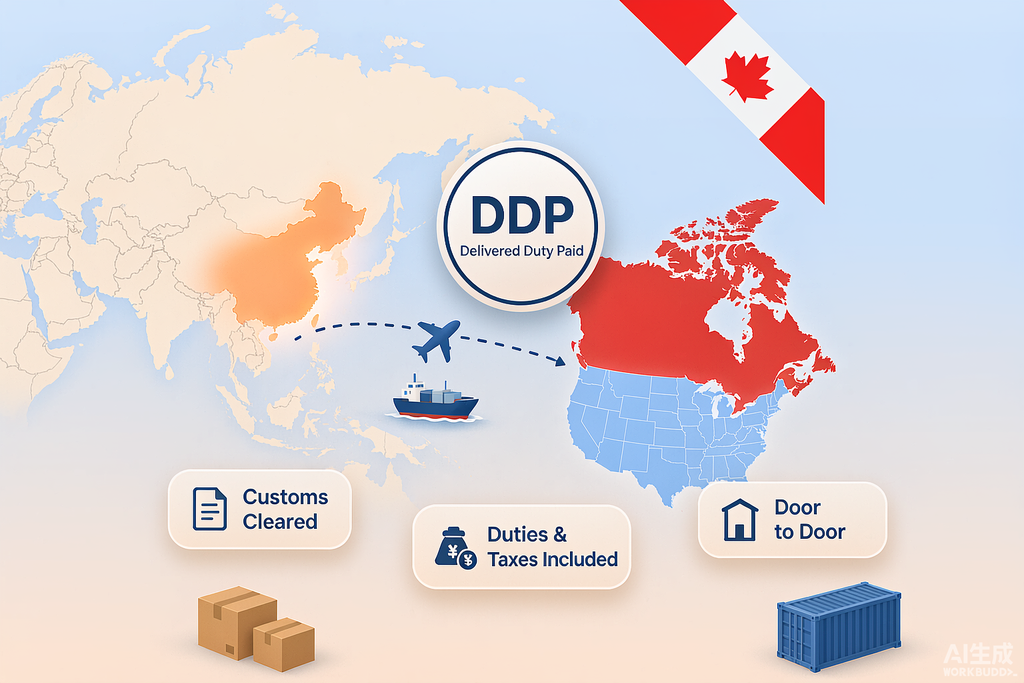
Desde el punto de vista del Derecho mercantil internacional, ni el Servicio de Aduanas y Protección Fronteriza de EE. UU. (CBP) Ni las autoridades aduaneras de la Unión Europea reconocen el término “doble despacho” como un término jurídico válido. El transporte comercial internacional legítimo debe ajustarse a los Términos Comerciales Internacionales (Incoterms) estandarizados, concretamente DDP (Entregado derechos pagados).
En un marco DDP auténtico, el vendedor extranjero o su agente designado asume la responsabilidad financiera del transporte, los derechos de importación y los impuestos locales. Sin embargo, el fallo operativo fundamental en los casos no verificados Shuangqing Uno de los aspectos clave es cómo se gestiona la identidad jurídica de la parte importadora. Para reducir los costes administrativos y agilizar la consolidación de grandes volúmenes, las redes de transporte que no cumplen con la normativa suelen recurrir a tres mecanismos de alto riesgo:
- Importadores registrados (IOR) nominales o falsos: Los transitarios suelen tramitar la carga a través de portales de despacho automatizados utilizando sociedades ficticias o “identidades de compra” no verificadas que carecen de participación real o de vínculo estructural con la carga física.
- Manipulación sistémica de la valoración: Para compensar las tarifas fijas prometidas a los expedidores, los agentes de aduanas del mercado gris modifican habitualmente las facturas comerciales, reduciendo de forma sistemática el valor declarado de los artículos de lujo, los productos electrónicos y los textiles con el fin de eludir los aranceles ad valorem legítimos.
- Clasificación errónea agregada (carga conjunta estructurada): Las mercancías sujetas a estrictos controles o a restricciones severas (como los productos sanitarios que requieren la validación de la FDA o los productos industriales sujetos a parámetros específicos de la marca CE) se clasifican erróneamente de forma intencionada y se embalan en contenedores compartidos de carga fraccionada (LCL) bajo códigos arancelarios generales de bajo riesgo.
Medidas de control más estrictas en EE. UU. y la UE
La tolerancia hacia las declaraciones fronterizas ambiguas ha llegado oficialmente a su fin debido a las medidas de control sincronizadas y basadas en datos que se están llevando a cabo en los dos principales corredores comerciales occidentales.
Los umbrales de “buena situación” en EE. UU. y de activos en cuentas de depositantes extranjeros (IOR)
En virtud de las estrictas directrices de aplicación promulgadas a mediados de 2026, la Casa Blanca de EE. UU. y la CBP llevaron a cabo una reforma integral del Entorno Comercial Automatizado (ACE) portal. Los importadores extranjeros registrados se enfrentan a un intenso escrutinio, que incluye umbrales mínimos obligatorios de activos tangibles nacionales o requisitos de fianza continua considerablemente elevados.
Además, la CBP aplica ahora una matriz automatizada de verificación de “buena situación”. Si se detecta que un agente de aduanas o un IOR extranjero realiza valoraciones erráticas de activos o declara de forma estructurada y no oficial productos de líneas no relacionadas, sus privilegios de importación quedan suspendidos de forma inmediata. En virtud del artículo 19 U.S.C. § 1612, la mercancía que incumpla la normativa se enfrenta a un decomiso acelerado y a su eliminación inmediata por parte de terceros, lo que elimina por completo el margen de tiempo que históricamente existía para presentar largos recursos administrativos.
Matriz de valoración común de la fase 3 del ICS2 de la UE
Al otro lado del Atlántico, la Unión Europea ha puesto en marcha íntegramente la tercera fase de su Sistema de Control de Importaciones 2 (ICS2), que abarca todos los flujos de mercancías por vía marítima, ferroviaria y por carretera. Antes de que cualquier contenedor procedente de China sea cargado en un buque con destino a la UE, debe registrarse digitalmente una declaración resumida de entrada (ENS) exhaustiva.
Esta declaración requiere códigos SA precisos de 6 dígitos, números EORI (Registro e Identificación de Operadores Económicos) verificados de los compradores y registros transparentes del recorrido de las transacciones. Intentar realizar una transacción no verificada Shuangqing El despacho de aduana mediante la designación de un importador representante en el puerto de destino provocará un rechazo inmediato por parte del sistema en el punto de origen, lo que detendrá el contenedor antes incluso de que salga de aguas asiáticas.
Los cuatro riesgos críticos relacionados con el doble despacho de aduanas en las cadenas de suministro modernas
Para las marcas que dan prioridad al valor empresarial y a la fidelización a largo plazo de los clientes, seguir aplicando modelos de doble liquidación sin verificar supone una amenaza existencial tanto a nivel operativo como financiero.
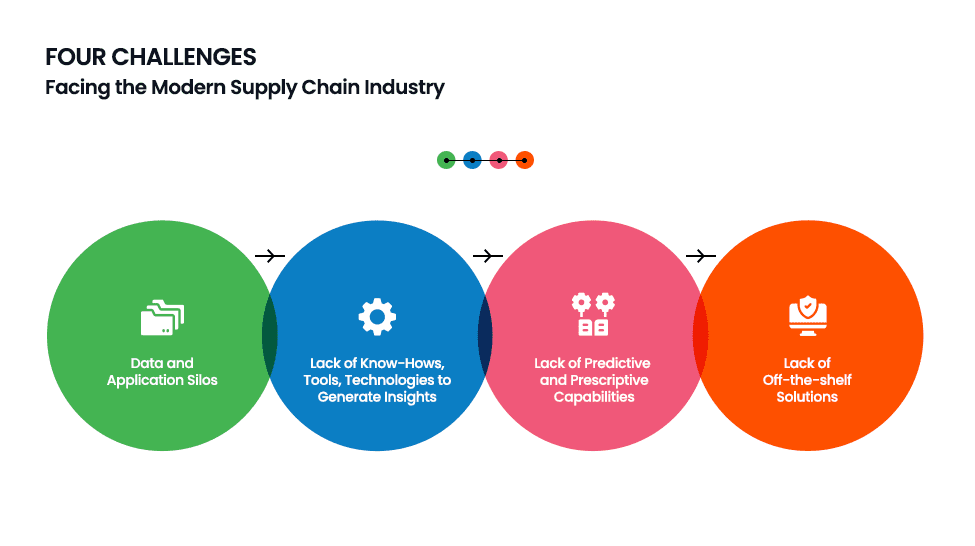
Matriz de cumplimiento normativo en el comercio de productos estructurales: Shuangqing «DDP» conforme a la normativa frente a Shuangqing del mercado gris
| Dimensión operativa | Doble liquidación del mercado gris (Shuangqing) | Arquitectura DDP conforme / Arquitectura IOR estructurada |
| Resiliencia en materia de auditoría | Alta probabilidad de incautación inmediata; abandono directo por parte del transportista. | Poder notarial válido; la presencia local de la empresa facilita las auditorías. |
| Transparencia en las tarifas y los impuestos | Facturas con el importe en efectivo incluido; sin recibos aduaneros oficiales individuales. | Declaración de aduana personalizada que se adapta a la identidad específica de la empresa. |
| Seguridad de los activos | Expuesta a responsabilidades derivadas de la carga conjunta “All-Hold” por parte de terceros. | Documentación de carga independiente; tramitación aduanera separada. |
| Concordancia financiera | Los aranceles y el IVA local no pueden recuperarse ni contabilizarse como gastos de la empresa. | El IVA de las importaciones es totalmente recuperable a través de las declaraciones fiscales oficiales. |
1. Privación absoluta de la documentación aduanera oficial
Al utilizar un canal de doble despacho del mercado gris, el proveedor logístico no proporcionará un resumen oficial e individualizado de la declaración de aduana —como el formulario 7501 de la CBP en Estados Unidos o un documento C88/SAD verificado en Europa— en el que figure la denominación social de su empresa.
Desde el punto de vista del cumplimiento normativo financiero, esto genera un vacío catastrófico. Los gastos de logística de salida, las tasas de tramitación de las terminales locales y los aranceles de importación no pueden considerarse gastos operativos corporativos legítimos, lo que supone un incumplimiento inmediato de los requisitos básicos de las auditorías fiscales nacionales de las empresas.
2. La trampa de la detención conjunta en un contenedor compartido
Las operaciones de doble despacho sin control previo dependen de la consolidación masiva de contenedores LCL. Su stock minorista legítimo y estrictamente regulado se embalará de forma compacta en un contenedor «high-cube» de 40 pies junto con mercancía de terceros que puede incluir artículos de lujo falsificados, baterías de iones de litio no certificadas o productos químicos sujetos a restricciones.
Cuando los algoritmos de escaneo automatizado detectan un solo artículo no conforme dentro de ese contenedor, las autoridades aduaneras imponen una retención total sobre todo el conocimiento de embarque. Tu stock estacional, para el que el tiempo es un factor crucial, queda inmediatamente retenido en un centro de inspección aduanera (CES) a largo plazo, sin posibilidad alguna de extraerlo de forma aislada.
3. Medidas coercitivas contra el fraude fiscal y en materia de IVA con carácter retroactivo
En la Unión Europea, la importación de mercancías a través de entidades comerciales intermediarias bajo el pretexto de un “envío todo incluido libre de impuestos” constituye una evasión estructural del IVA. Si, en el marco de una inspección fiscal de la UE, se rastrea el origen de una operación de logística digital hasta una plataforma de comercio electrónico o un almacén independiente en el que las existencias recibidas carecen del IVA de importación correspondiente abonado bajo un número EORI coincidente, las autoridades están legalmente facultadas para bloquear el stock activo.
Además, pueden liquidar con carácter retroactivo los impuestos no recaudados y presentar denuncias formales por fraude comercial que abarquen hasta tres años de volumen de ventas histórico.
4. Pasivos por tasas de demora y almacenamiento exponenciales
Cuando se señala un contenedor para someterlo a una auditoría exhaustiva de cumplimiento normativo comercial debido a circunstancias dudosas Shuangqing Según la documentación, el transportista incumple con frecuencia sus obligaciones operativas. A medida que el contenedor permanece inmovilizado en las principales terminales marítimas o en las estaciones ferroviarias del interior, las tasas de demora en las terminales y de retención de equipos se acumulan de forma exponencial, superando a menudo los miles de dólares a la semana.
Cuando un transportista del mercado gris abandona el envío para evitar la ruina financiera, las autoridades portuarias del destino utilizan los datos de seguimiento marítimo para perseguir al titular beneficiario último (UBO) o al destinatario que figura en la lista con el fin de cobrar la deuda portuaria pendiente.
La hoja de ruta estratégica para una logística transfronteriza que cumpla con la normativa
Para proteger sus operaciones globales frente a las incautaciones en frontera y desenvolverse en el panorama aduanero actual, las marcas internacionales deben orientarse de forma activa hacia arquitecturas de enrutamiento de carga transparentes y totalmente auditables.
Transición a la condición de importador autónomo no residente
En lugar de operar a través de entidades proxy anónimas, las empresas extranjeras que exportan a Estados Unidos deberían establecer una Importador extranjero no residente (NRI) protocolo. Al obtener una secuencia de identificación IOR independiente, respaldada por una fianza aduanera continua validada, su empresa ejerce un control directo sobre cada registro de entrada. Esto garantiza una transparencia total de los datos, aísla su carga de las responsabilidades de terceros y permite a su proveedor de logística cumplir con las condiciones DDP legítimas sin obstáculos normativos.
Aplicar un sistema de contratación de transporte de mercancías segregado y por entidad única
Rompa las relaciones con los agregadores de transporte que se nieguen a revelar la identidad corporativa exacta de sus agentes de despacho en destino. Traslade su volumen a transitarios integrados digitalmente y orientados al cumplimiento normativo que ofrezcan presupuestos logísticos completamente desglosados. Un proveedor altamente profesional separará las tarifas puras de transporte marítimo o aéreo, las tasas de manipulación en las terminales locales y los gastos reales de despacho de aduanas, garantizando que cada céntimo pagado en concepto de aranceles se corresponda con una partida clara y verificable según las tarifas oficiales del gobierno.
Llevar a cabo auditorías aduaneras previas a la salida
Establezca un protocolo interno riguroso en el que se recopilen y comprueben minuciosamente las fichas de datos de seguridad de los materiales (FDSM) completas, las listas de materiales (BOM) detalladas y las justificaciones exactas de los códigos arancelarios de 10 dígitos, con suficiente antelación a que la mercancía salga de los centros de producción de origen. Colaborar con un transportista especializado en el cumplimiento normativo para realizar pruebas de diagnóstico automatizadas previas al despacho aduanero protege sus mercancías transportadas en contenedores de que sean objeto de perfiles de control de alto riesgo en los puertos de destino.
Resumen: Garantizar la resiliencia logística a largo plazo
En última instancia, la escalabilidad transfronteriza sostenible depende de la eliminación de las vulnerabilidades estructurales en materia de cumplimiento normativo antes de que alcancen las fronteras internacionales. La era del uso de vías opacas de “doble despacho” para eludir los protocolos fiscales y arancelarios estándar ha llegado a su fin definitivo bajo el peso unificado de las modernas estructuras de control aduanero de 2026. Al reivindicar la titularidad directa sobre su identidad como importador, exigir una transparencia absoluta en la facturación financiera y crear una cartera de múltiples niveles de registros de declaraciones limpias, su empresa transforma el cumplimiento normativo comercial de un obstáculo administrativo en una ventaja competitiva sólida.
Para perfeccionar aún más sus estrategias de distribución global y proteger su empresa de las obligaciones fiscales transfronterizas, consulte nuestros informes técnicos especializados:
- Analice las ventajas y desventajas financieras y operativas de los marcos de autorización localizados consultando nuestra evaluación estratégica de Agentes de transporte de China frente a agentes de aduanas locales.
- Protege a tu organización frente a evaluaciones catastróficas de activos con carácter retroactivo familiarizándote con los criterios fundamentales que se describen en nuestra guía sobre Normas de valoración en aduana de la HMRC del Reino Unido para prendas de vestir de alta gama.
- Pro eteenmoeodnriésdofrcr uótd vasfcesadine atyole seointnal lttdsooocpenori atootr lpicael apatrs odptrsp lmsov aru dc i paramo aas gneeai nussapilme daar clleg maiepmesr ee tde rara seguro de carga para DDP compañías navieras.
Preguntas frecuentes
¿Por qué las autoridades aduaneras actuales consideran que el “doble despacho” tradicional es una práctica de alto riesgo?
El «double clearance» tradicional se basa en el uso de intermediarios —a menudo automatizados o importadores ficticios— para despachar grandes volúmenes de carga consolidada procedente de partes que no guardan relación alguna entre sí. Dado que estos canales recurren con frecuencia a la subvaloración y la clasificación errónea sistemáticas para reducir los costes operativos, las agencias aduaneras los consideran los principales vectores estructurales de la evasión fiscal, las infracciones de seguridad y el contrabando. Esto provoca la retención inmediata y automática de los contenedores durante los procedimientos estándar Inspecciones aduaneras de EE. UU. y la UE.
¿Puede mi empresa ser considerada legalmente responsable si un transportista abandona un contenedor con doble despacho que ha sido retenido?
Sí. Si un proveedor de logística no verificado decide abandonar un contenedor en un puerto de entrada para eludir el pago de tasas portuarias acumuladas o evitar acciones legales, las autoridades aduaneras del destino y las compañías navieras llevan a cabo auditorías forenses exhaustivas de la cadena de suministro. Mediante el seguimiento de las transferencias bancarias internacionales, los conocimientos de embarque comerciales y las direcciones de entrega finales, los investigadores identifican al titular beneficiario último de la mercancía para recuperar los derechos de importación impagados y las sanciones portuarias fijas.
¿En qué se diferencia un acuerdo DDP auténtico de un canal de doble despacho del mercado gris?
En un acuerdo DDP (Delivered Duty Paid) legítimo, la transacción se estructura estrictamente en torno a parámetros de comercio internacional claros y auditables. El vendedor extranjero o su agente autorizado recurre a una entidad corporativa legalmente registrada y que cumple plenamente con la normativa (como un importador no residente validado) para presentar las declaraciones de aduana. Cada uno de los aranceles, el pago del IVA a la importación y las tasas de despacho locales se detallan línea por línea, coincidiendo exactamente con el nombre y la identidad jurídica de la parte legalmente responsable de la mercancía.
 English
  Chinese
  Arabic
  French
  German
  Portuguese
  Spanish