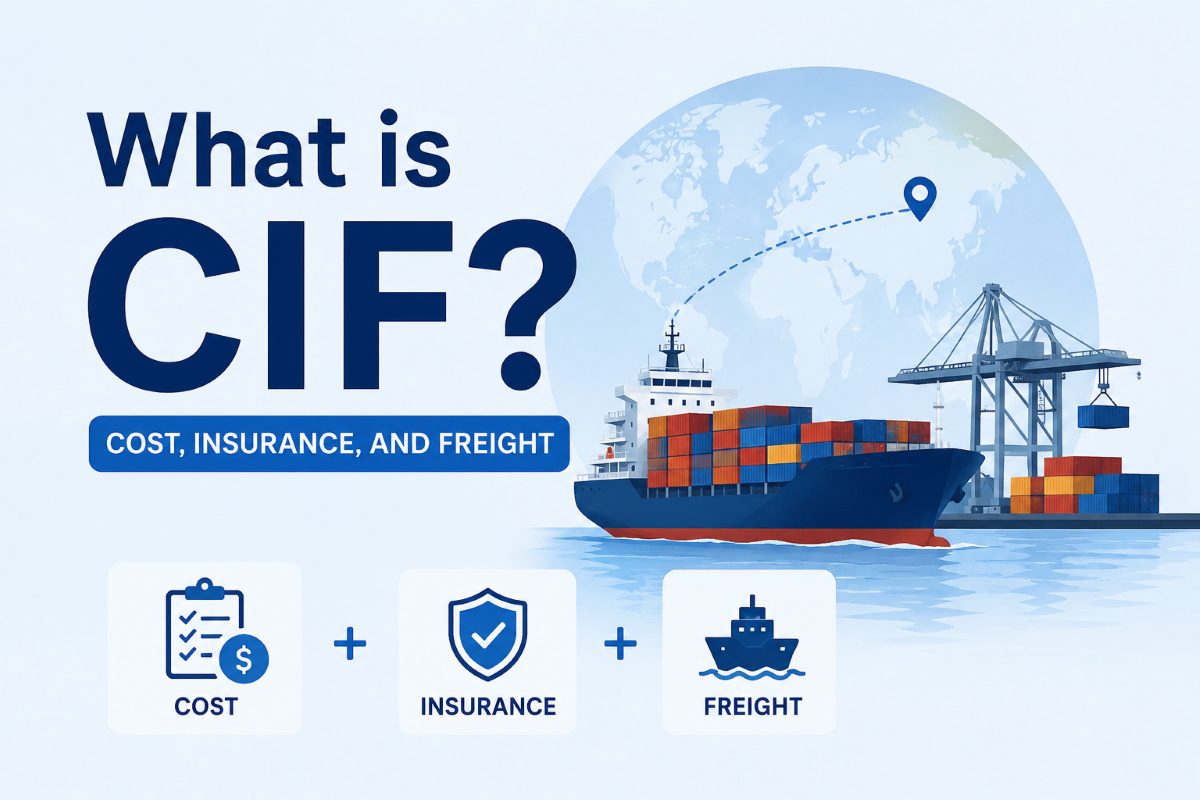
في حين أن أ CIF (التكلفة والتأمين والشحن) على الرغم من أن “quote” يقدم حلاً لوجستياً يبدو «غير تدخلي» للمستوردين البحريين، فإن الاعتماد الأعمى على هذا المصطلح من مصطلحات «إنكوتيرم» غالباً ما يعرض المشترين لخسائر مالية فادحة. ولحماية هوامش أرباحك، يجب أن تتقن الفصل الحاسم بين التكاليف مقابل المخاطر, ، تجاوز التعريف النمطي، وافهم كيف يعمل مصطلح CIF في ظل الواقع الحديث متعدد الوسائط مقارنةً بمصطلح FOB.
1. المعنى الحقيقي لمصطلح «CIF»: تعريف قانوني وعملي
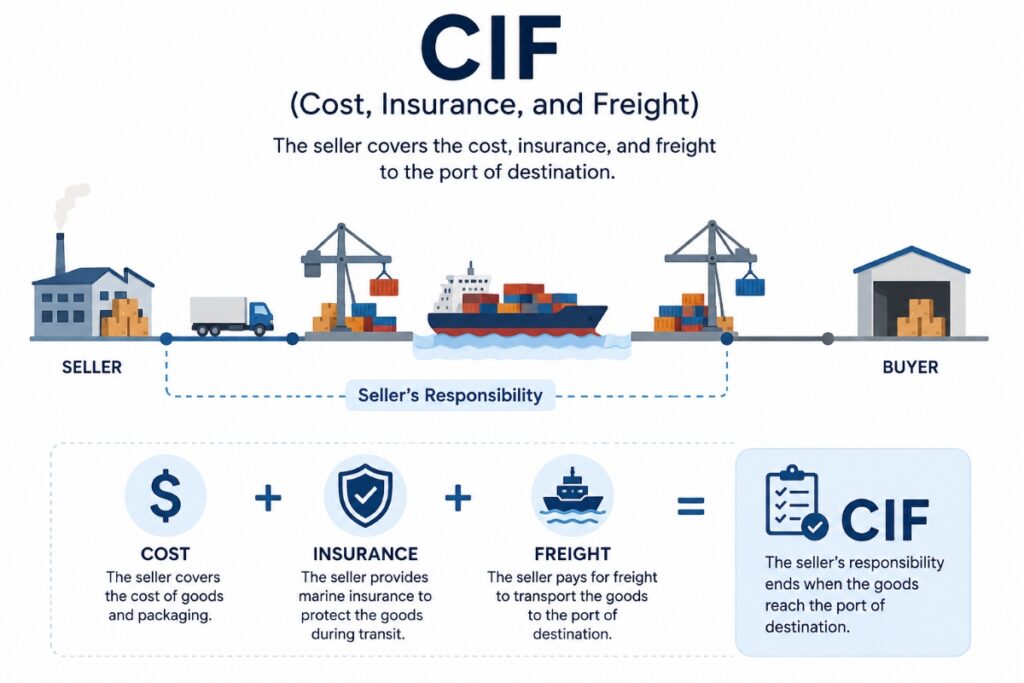
تخضع لرقابة غرفة التجارة الدولية (ICC) بموجب إنكوترمز 2020 في هذا الإطار، تحدد شروط CIF توزيع التكاليف، والتزامات التأمين، ونقل المخاطر بين البائع والمشتري فيما يتعلق بالشحن البحري.
توضيح هام بشأن النطاق البحري: في حين أن المحكمة الجنائية الدولية تحتفظ صراحةً بقاعدة «التكلفة والتأمين والشحن» (CIF) فيما يتعلق بـ النقل البحري والنقل عبر الممرات المائية الداخلية (وتوصي رسميًا بـ CIP (بالنسبة للشحن الجوي والشحن الآلي بالحاويات)، لا يزال مصطلح CIF مستخدمًا على نطاق واسع في الشحن البحري بالحاويات (FCL/LCL) في التجارة العالمية. ومع ذلك، عند استخدام مصطلح CIF للحاويات، يجب على الأطراف الاتفاق تعاقديًا على نقطة نقل المخاطر الدقيقة لسد الفجوة القانونية بين ساحة الحاويات (CY) وسطح السفينة.
بموجب اتفاقية CIF القياسية، تستند بنية الصفقة إلى ثلاثة ركائز ثابتة:
- التكلفة: يتحمل البائع جميع النفقات حتى ميناء الوجهة، بما في ذلك تصنيع المنتج، وتغليف الصادرات، والتخليص الجمركي للصادرات، وجميع رسوم المناولة في المحطة من جانب المنشأ (OTHC).
- الشحن: يتعاقد البائع مع شركة النقل البحري أو وكيل الشحن ويدفع لها مقابل مرحلة النقل الرئيسية الدولية إلى ميناء الوجهة الذي حددته.
- التأمين (فخ البند ج): يجب على البائع الحصول على بوليصة تأمين على البضائع البحرية صادرة باسم المشتري، بحيث تكون أنت المستفيد القانوني. والأمر الأهم هو أن «إنكوترمز® 2020» لا تلزم البائع إلا بشراء الحد الأدنى من التغطية التأمينية — وتحديدًا «شروط المعهد الخاصة بالبضائع (C)». تغطي هذه السياسة الأساسية الكوارث الكبرى فقط (مثل جنوح السفينة أو غرقها)، وتترك المشتري معرضًا تمامًا للمخاطر الشائعة مثل السرقة أو الأضرار الناجمة عن المياه أو الفقدان الجزئي للشحنة، ما لم يتم ترقية التغطية تعاقديًا إلى البند (أ) / جميع المخاطر.
2. المفهوم الخاطئ الشائع: هل يمكن استخدام نظام CIF لشحن البضائع في الحاويات؟
هناك ارتباك واسع النطاق في قطاع الشحن البحري حول ما إذا كان يمكن استخدام مصطلح «CIF» للبضائع المنقولة في حاويات (الشحن بالحاويات الكاملة (FCL) والشحن بالحاويات الجزئية (LCL)).
دعونا نوضح الموقف الرسمي للغرفة التجارية الدولية (ICC): إن «إنكوترمز® 2020» تسمح تمامًا باستخدام مصطلح CIF للشحنات المعبأة في حاويات.
ينبع هذا الالتباس من عدم التوافق في نقطة نقل المخاطر. بموجب قواعد CIF، تنتقل المخاطر من البائع إلى المشتري في اللحظة التي يتم فيها تحميل البضائع على متن السفينة في ميناء المنشأ. وبالنسبة للبضائع المنقولة في حاويات، يقوم البائع عادةً بتسليم الحاوية المختومة إلى ساحة الحاويات الداخلية (CY) أو المحطة قبل أيام من وصول السفينة.
ونظرًا لأن البائع لا يستطيع التحكم في البضائع بمجرد دخولها إلى المحطة، فإن غرفة التجارة الدولية (ICC) ينصح باستخدام CIP أو هيئة الرقابة المالية بالنسبة للشحن المعبأ في حاويات، وذلك لمواءمة نقل المخاطر مع التسليم إلى المحطة. ومع ذلك،, لا يزال نظام CIF ساري المفعول من الناحية القانونية ويُستخدم على نطاق واسع في مجال الحاويات في التجارة الفعلية. إذا اخترت استخدام شروط CIF للشحنات المعبأة في حاويات، فتأكد من أن عقدك يحدد صراحةً ميناء التحميل وميناء الوجهة بدقة لتجنب أي غموض بشأن مسؤوليات المحطة.
3. التحكم في التقسيم: توزيع المخاطر مقابل توزيع التكاليف
الجانب الأكثر أهمية في شروط التسليم CIF وهو أن لا يتم نقل التكلفة والمخاطر في نفس الموقع. غالبًا ما يوقع هذا “نقطة الانقسام” المستوردين الجدد في مأزق:
[ بوابة المصنع ] ──► [ التحميل على السفينة ] ▬▬▬▬▬▬▬▬▬▬► [ ميناء الوجهة ]
 ▲ ▲
               ينتقل «الخطر» هنا وينتقل «التكلفة» هنا
 (مسؤولية المشتري) (يتحمل البائع التكاليف حتى هذه المرحلة)
- نقل المخاطر: تنتقل المخاطر إليك، أيها المشتري،, في اللحظة التي يتم فيها تحميل السفينة في ميناء المنشأ. إذا ضربت عاصفة المحيط وسقطت البضائع في البحر، فإن ذلك يُعتبر من الناحية الفنية الخاص بك البضائع المفقودة، وليس البائع.
- المسؤولية عن التكاليف: على الرغم من تحمله المخاطر، فإن البائع ملزم قانونًا بدفع تكاليف الشحن البحري والتأمين حتى وصول البضاعة إلى ميناء الوجهة المحدد من جانبك.
نظرًا لأنك تتحمل مخاطر الشحنة عبر المحيط في حين أن البائع هو الذي يشتري بوليصة التأمين، فإن غرفة التجارة الدولية (ICC) تفرض معايير دنيا صارمة على هذا التأمين.
فخ البند (ج): لماذا يُعد “الحد الأدنى للتغطية” أمرًا خطيرًا
بموجب قواعد Incoterms® 2020 الخاصة بشروط CIF، يُلزم البائع فقط بشراء بوليصة تأمين بحد أدنى من التغطية يعادل البند (C) من شروط التأمين على البضائع الصادرة عن المعهد (Institute Cargo Clauses).
وهذا هو المكان الذي يتكبد فيه العديد من المستوردين خسائر مالية. فالبند (ج) تقييدي للغاية. إنه فقط يغطي الأحداث الكارثية الكبرى، مثل غرق السفينة أو اشتعال النيران فيها أو اصطدامها أو جنوحها. وهو لا يشمل الأضرار الشائعة التي تلحق بوسائل النقل، مثل:
- السرقة أو النهب
- الأضرار الناجمة عن المياه بسبب الأمطار الغزيرة أو رذاذ البحر (الصدأ والعفن)
- التعامل الخشن، أو السقوط، أو السحق أثناء التحميل/التفريغ
- نقص البضائع عند وصولها
الحل العملي: إذا كنت تستورد أجهزة إلكترونية عالية القيمة، أو منتجات استهلاكية قابلة للكسر، أو أزياء فاخرة، فلا تقبل شروط CIF القياسية. يجب عليك التفاوض صراحةً على إدراج بند في عقدك يُلزم البائع برفع قيمة التأمين إلى شروط الشحن الخاصة بالمعهد (أ), ، والتي توفر تغطية شاملة ضد “جميع المخاطر”.
4. CIF مقابل فوب: الخطة المالية والقانونية
الاختيار بين CIF مقابل FOB (تسليم على متن السفينة) وهو ما يحدد بشكل أساسي من يتولى إدارة سلسلة التوريد الخاصة بك، ومن يتحكم في تدفقك النقدي، ومن يتحمل مسؤولية الأزمات غير المتوقعة التي قد تطرأ أثناء النقل.
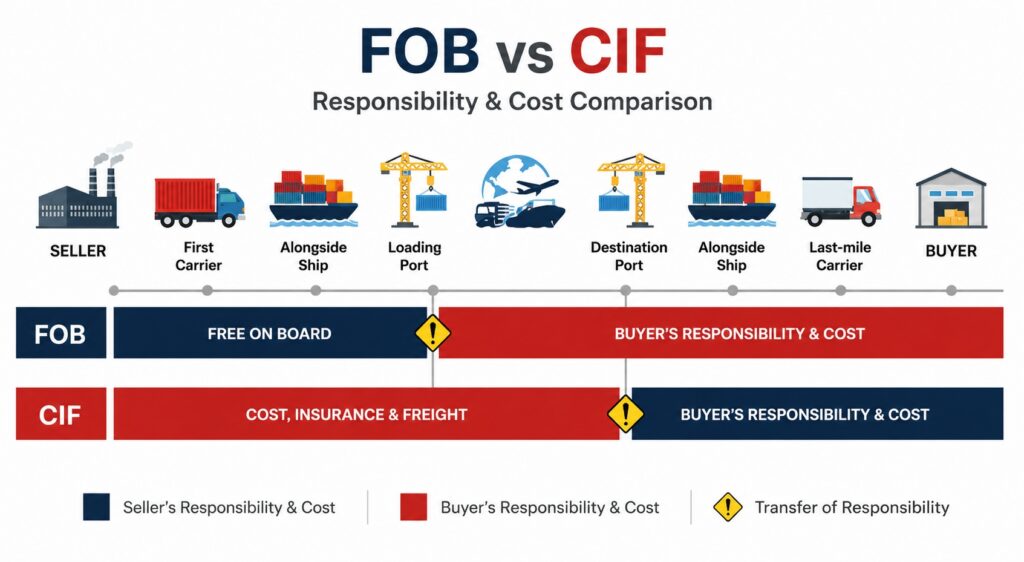
مقارنة بين أنماط الشحن المختلفة: CIF مقابل FOB في إطار اللوجستيات الحديثة
| الميزة التشغيلية | CIF (التكلفة والتأمين والشحن) | FOB (تسليم على متن السفينة) |
| الشحن البحري الذي تم ترتيبه بواسطة | البائع يختار شركة النقل، ويحدد مسار النقل، ويحجز المساحة. | المشتري ترشح الشركة وكيل الشحن الذي تثق به وتتحكم في مسار الشحن. |
| التأمين البحري الذي يتحمله | البائع يدفع. (تحذير: الإعداد الافتراضي هو البند C من الخط الأساسي/التغطية الدنيا). | المشتري يحتفظ بالاستقلالية الكاملة في الحصول على تغطية شاملة بموجب البند (أ) (جميع المخاطر). |
| انتهاء المسؤولية عن التكاليف | في المكان المذكور ميناء الوصول (باستثناء رسوم المحطات المحلية). | في المكان المذكور ميناء المغادرة (بمجرد أن تتجاوز البضاعة حافة السفينة). |
| المخاطر — المسؤولية — الانتقال | في ميناء المغادرة (تم تحميلها على السفينة). ملاحظة: يؤدي ذلك إلى خلق فراغ في إدارة المخاطر بالنسبة للبضائع المعبأة في حاويات في ميناء CY. | في ميناء المغادرة (بمجرد تسليمها إلى شركة النقل/السفينة). |
| التحكم في سلسلة التوريد | منخفض. أنت لا تولي اهتمامًا لتأخيرات النقل، ومراكز إعادة الشحن، واختيار الوكلاء المحليين. | مرتفع. أنت من يحدد أوقات العبور، وتحالفات شركات النقل، وأسعار العقود (NAC/FMC). |
كابوس “شركة الشحن التي تتقاضى عمولات غير مشروعة”: الرسوم الإضافية الجائرة المفروضة في بلدان المقصد
المشكلة المالية الرئيسية التي تدفع المستوردين المتمرسين إلى رفض شروط CIF هي الإلغاء التام لنظام مراقبة تكاليف الوجهة. ورغم أن البائع يتحمل قانونًا تكاليف الشحن البحري لنقل السفينة إلى بلدك، فإنك تظل مسؤولاً قانونًا عن جميع الرسوم المحلية في بلد المقصد ورسوم المناولة في المحطة (DTHC).
كيف تعمل عملية الاحتيال هذه
في عمليات CIF الاستغلالية، يتعاون البائعون غير الموثوق بهم مع جهات مصدر مشبوهة وكلاء الشحن الذين يقدمون للبائع “شحن مجاني” أو حتى رشاوى نقدية (خصومات) لضمان شحن البضائع. ولتعويض هذه التكاليف، يقوم وكيل شركة الشحن في الوجهة باحتجاز بوليصة الشحن (B/L) الخاصة بك عند الوصول إلى موانئ مثل لوس أنجلوس أو نيويورك أو روتردام، ويرفض الإفراج عن البضائع حتى تدفع رسومًا إضافية مبالغًا فيها ومختلقة.
التهم المبالغ فيها الشائعة
| نوع عملية الاحتيال | ما يظهر في الفاتورة | سعر السوق الفعلي |
|---|---|---|
| نسبة THC المبالغ فيها في الوجهة | $600 – $900 لكل حاوية FCL | فقط $350 (التعرفة الفعلية للميناء) |
| عملية الاحتيال المعروفة باسم “التحميل المشترك” (Co-Loading) الخاصة بشركة LCL | تم تضخيم رسوم خدمة الاستيراد الصينية (CISF) أو رسوم أمر التسليم (D/O) لتصل إلى 5 أضعاف السعر السائد في السوق | تُطبق الرسوم القياسية للشحن الجزئي (LCL) |
| الوثائق المزورة ورسوم الإدارة | “رسمع،ا مدخ”عوا و افلز ووامزا انا“متنولر”سر،مت ام سلمنفدئدرمب» رتلت داألم طة» | لا يوجد أي منها بشكل قانوني |
دليل تكاليف الوجهات في العالم الحقيقي (المعيار المرجعي الأساسي)
للكشف الفوري عن عملية احتيال تتعلق بوجهة CIF، قارن فاتورة الوصول الخاصة بك مع ما يلي: أسعار السوق الأساسية المشروعة بالنسبة للحاويات القياسية مقاس 20 قدمًا/40 قدمًا (FCL) أو شحنات LCL في الموانئ الرئيسية بالولايات المتحدة والاتحاد الأوروبي:
| مكون التكلفة | النطاق المشروع |
|---|---|
| رسوم المناولة في محطة الوجهة (D-THC) | $300 – $450 لكل حاوية FCL أو $25 – $45 لكل طن إيرادات (W/M) للشحنات المجمعة (LCL) |
| أمر التسليم (D/O) / رسوم التوثيق | $75 – $125 لكل شحنة/إرسال |
| الرسوم الإضافية للتخليص الجمركي | $100 – $175 (إجراءات التسجيل القياسية، باستثناء السندات الفعلية الصادرة عن مصلحة الجمارك وحماية الحدود (CBP) والرسوم القانونية) |
| توفير الهيكل / المعدات | $35 – $60 يوميًا |
كيف تحمي نفسك
- لا تقبل أبدًا شروط CIF من بائع لم يتم التحقق من مصداقيته – احرص دائمًا على التحقق من سمعة شركة الشحن المعينة.
- اطلب تفصيلاً مكتوباً لرسوم الوجهة قبل إبحار السفينة.
- قارن رسوم الوجهة المُقدَّرة بالجدول المرجعي أعلاه – أي انحراف كبير يُعد مؤشراً على وجود مشكلة.
- استعن بوكيل شحن موثوق به من اختيارك – حتى في حالة شروط التسليم «CIF»، يمكنك في كثير من الأحيان التفاوض مع البائع لكي يستعين بوكيل الشحن الخاص بك بدلاً من وكيله.
الحل الاحترافي: بنود تعاقدية محصنة
إذا اضطررت إلى الموافقة على عرض أسعار بنظام CIF بسبب نفوذ المورد، فلا تعتمد على الوعود الشفوية. يجب عليك إلزام البائع قانونًا من خلال تضمين هذا البند الوقائي الصريح في فاتورتك الأولية (PI) أو أمر الشراء (PO):
“تُفوتر جميع الرسوم المحلية في الوجهة، ورسوم المناولة في المحطة (DTHC)، ورسوم التوثيق، وفقًا للتعريفات القياسية لشركة النقل في ميناء الوجهة بشكل صارم. ويضمن البائع عدم تحميل المشتري في الوجهة أي رسوم خدمات الاستيراد الصينية (CISF) أو أي رسوم إضافية متعلقة بتحويل التكاليف من جانب المنشأ. يجب على وكيل الشحن التابع للبائع إصدار قائمة رسوم محلية في الوجهة ملزمة ومفصلة للمشتري قبل 7 أيام على الأقل من مغادرة السفينة. ويمنح عدم الامتثال للمشتري الحق في خصم الرسوم الزائدة بأثر رجعي من الفاتورة التجارية النهائية أو تحويل الشحنة قسريًّا إلى شروط FOB.”
إذا تردد المورد الخاص بك أو رفض التوقيع على هذا البند، فهذا مؤشر واضح على وجود عملية احتيال تتعلق بشحن البضائع إلى الوجهة مدمجة في هيكل تسعيره. انسحب من الصفقة وانتقل إلى فوب.
5. دليل تفصيلي لتقديم مطالبة تأمينية بموجب اتفاقية CIF
نظرًا لأن نقل المخاطر يتم في ميناء المنشأ، فعندما تصل الشحنة إلى مستودعك وهي تالفة، يتعين عليك (بصفتك المشتري) تولي إجراءات المطالبة التأمينية، وليس البائع. اتبع هذه الخريطة التشغيلية بالضبط لضمان الحصول على التعويض:
- لاحظ الأضرار على الفور: قبل التوقيع على إيصال الاستلام من الميناء أو سائق الشاحنة، قم بالتقاط صور عالية الدقة لأختام الحاوية، والأضرار الخارجية، وترتيب البضائع داخل الحاوية. قم بتدوين الأضرار بوضوح في إيصال التسليم الخاص بالسائق.
- اتصل بوكيل التأمين المذكور في وثيقة التأمين: اطلع على شهادة بوليصة التأمين البحري التي قدمها البائع. حدد معلومات الاتصال بـ“وكيل تسوية المطالبات” أو المُثمن الأقرب إلى ميناء وجهتك، وقدم إخطارًا رسميًا بنيتك في المطالبة خلال 3 أيام.
- طلب إجراء مسح مشترك: في حالة وجود أضرار هيكلية تتجاوز $\$2,000$، يجب طلب قيام خبير تفتيش بحري متخصص بفحص الشحنة قبل تفريغها بالكامل.
- تجميع حزمة مستندات المطالبات: قم بتجميع الملفات التالية وتقديمها إلى خبير التسوية:
- شهادة/بوليصة التأمين البحري الأصلية
- الفاتورة التجارية وقائمة التعبئة
- بوليصة الشحن النظيفة (B/L)
- تقرير المسح أو تقديرات الإصلاح/الإنقاذ الموثقة
- التخفيف من الخسائر: قم بتخزين البضائع التالفة في مكان آمن لمنع تعرضها لمزيد من الأضرار أو تدهور حالتها. فسوف يرفض خبراء التأمين دفع التعويضات في حال حدوث أضرار إضافية بعد التفريغ بسبب الإهمال.
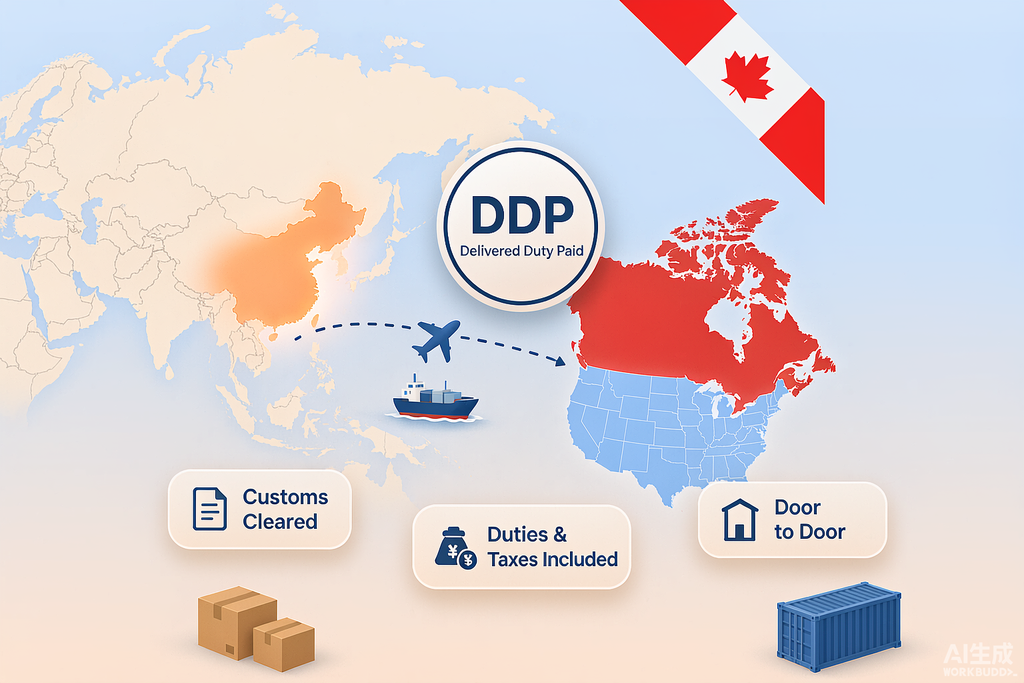
6. CIF مقابل DDP: تجنب «فخ التسليم في الوجهة»
يخلط العديد من المستوردين الجدد بين مصطلح “CIF” وخدمة «من الباب إلى الباب». تقتصر شروط CIF على نقل البضائع إلى رصيف ميناء الوجهة فقط. لا تقوم هذه الخدمة بتخليص البضائع من الجمارك، ولا تقوم بتسليمها إلى باب منزلك.
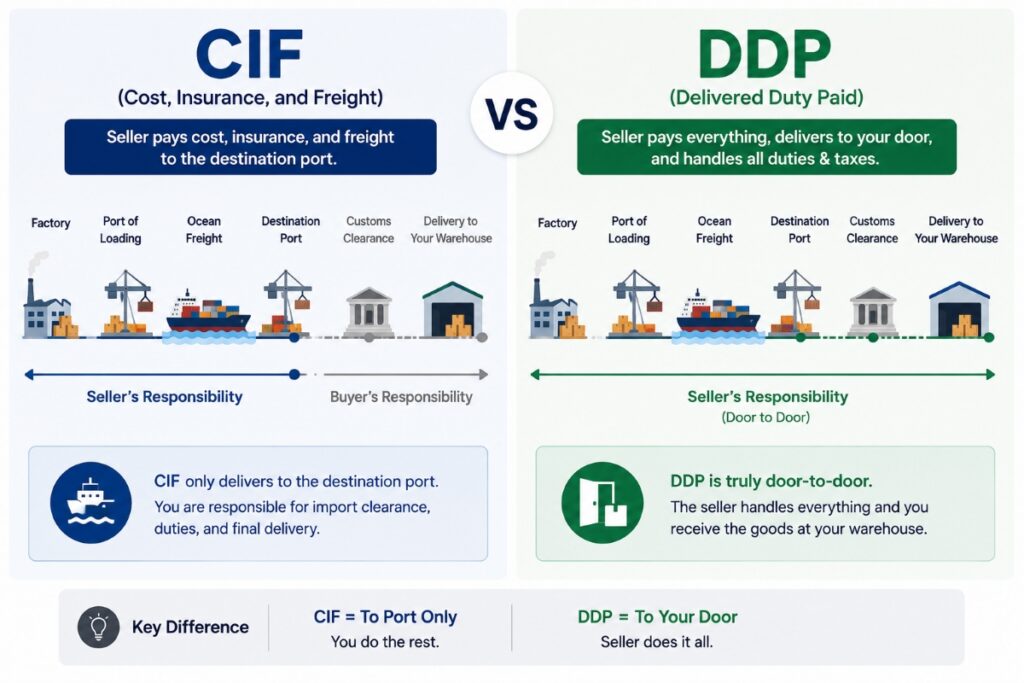
إذا كنت ترغب في خدمة لا تتطلب منك أي تدخل على الإطلاق، حيث يتولى البائع دفع رسوم الاستيراد، وإتمام إجراءات التخليص الجمركي، والتسليم مباشرةً إلى مستودعك، فيجب عليك التفاوض على شروط DDP (التسليم بعد دفع الرسوم) أو DAP (التسليم في المكان) بدلاً من شروط CIF. ففي إطار شروط CIF، بمجرد وصول السفينة إلى ميناء الوجهة، تقع على عاتقك بالكامل مسؤولية التعاقد مع وكيل جمركي محلي، ودفع رسوم الاستيراد، وترتيب النقل النهائي للحاوية إلى مستودعك.
7. قائمة مرجعية موجزة للمشترين
- التحقق من الوضع: استخدم شروط CIF فقط في شحنات النقل البحري أو النهري أو عبر المحيطات.
- التحقق من التأمين: أجبر البائع على الترقية من البند الأساسي (C) إلى البند الشامل (A) للتأمين ضد جميع المخاطر.
- التحقق من الرسوم: اطلب الحصول على كشف تفصيلي مكتوب وموقع بجميع رسوم المناولة في ميناء الوصول والمحطة قبل تغادر السفينة ميناء التحميل.
- الفحص الجمركي: تأكد من وجود وكيل جمركي محلي جاهز لتولي إجراءات الاستيراد والنقل البري بمجرد أن ترسو السفينة.
 English
  Chinese
  Arabic
  French
  German
  Portuguese
  Spanish