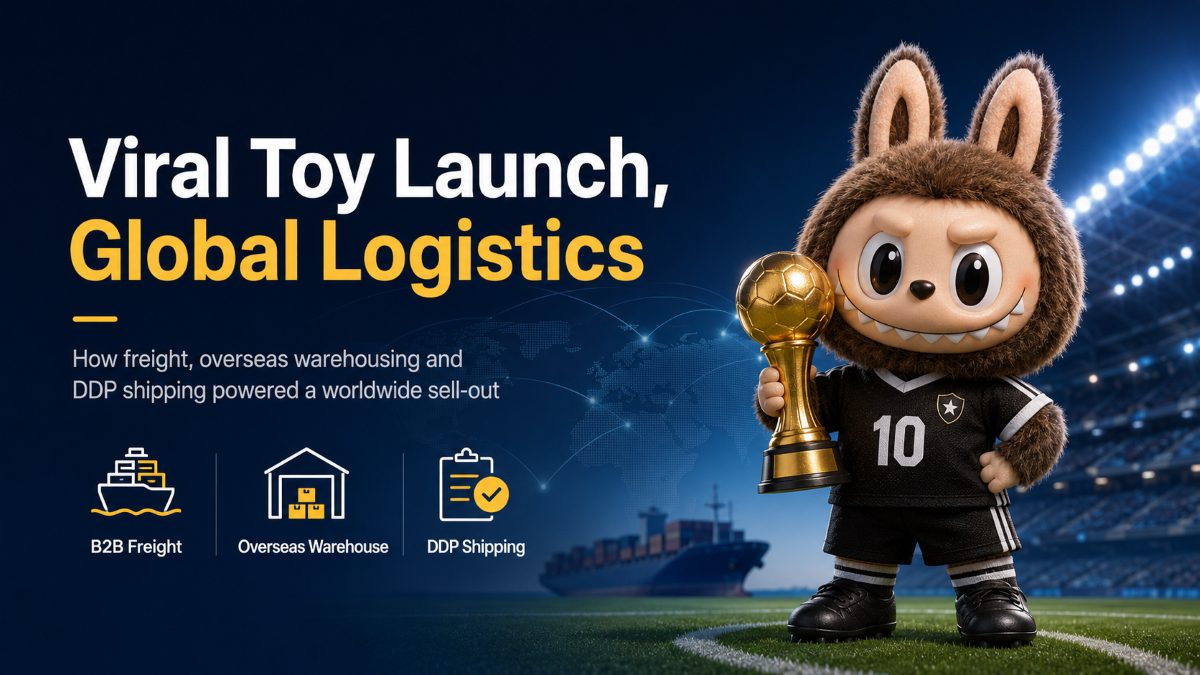
في الساعة 9:11 مساءً من يوم 11 يونيو 2026، دخل شخصان عملاقان مغطيان بالفرو إلى الملعب في استاد أزتيكا بمدينة مكسيكو. وكانا يرتديان قمصان كرة القدم. كان أحدهما يحمل كأس العالم. أما الآخر فكان يحمل دلوًا من الفشار.
في غضون دقائق، أصبح اسم «لابوبو» من بين أكثر الموضوعات تداولاً على مستوى العالم.
تم إطلاق مجموعة «THE MONSTERS × كأس العالم FIFA» من «Pop Mart» في وقت واحد في أكثر من 40 دولة ومنطقة — ونفدت الكمية المتوفرة عبر الإنترنت في اليوم الأول. وراء هذا الحدث الذي انتشر بسرعة كبيرة، كان هناك أمر أقل جاذبية بكثير أمام الكاميرا: سلسلة إمداد عابرة للحدود من الصين تم تحسينها بشكل كبير، وتستند إلى ثلاث طبقات لوجستية لا تنجح معظم العلامات التجارية في تنفيذها بشكل صحيح إلا بعد أن تكون قد فوتت فرصة الإطلاق بالفعل.

يشرح هذا المقال بالتفصيل كيفية عمل سلسلة التوريد هذه بالضبط — ولماذا لم يعد الشحن بنظام «تسليم في الوجهة» (DDP)، والتخزين في الخارج، والشحن بالجملة بين الشركات (B2B) من الصين مجرد بنية تحتية اختيارية لأي علامة تجارية تتنافس على الصعيد العالمي.
حجم ما حدث فعليًّا
قبل الخوض في «الكيفية»، يجدر بنا أن ندرك «ماهية» الأمر.
أصبحت «لابوبو» أول شخصية أصلية صينية تظهر في حفل افتتاح كأس العالم لكرة القدم — وهو إنجاز سجّله خوارزمية «الاتجاهات» في موقع «ويبو» في غضون ساعة. تجاوزت مبيعات «لابوبو» من شركة «بوب مارت» 100 مليون وحدة في عام 2025. وارتفعت إيرادات الشركة في الأمريكتين بنسبة 1,270% مقارنة بالفترة نفسها من العام الماضي في الربع الثالث. وبلغت القيمة السوقية لشركة «بوب مارت» حوالي $35 مليار.

إن بيع جميع الكمية في 40 دولة في وقت واحد في اليوم الأول لا يتحقق من خلال عمليات لوجستية تفاعلية. بل يتطلب ذلك شهورًا من الاستعدادات المسبقة: إنجاز عمليات التصنيع، وفحص الجودة لكل وحدة، وتعبئتها في صناديق التصدير، وتخليصها جمركيًا، وتوزيعها داخل أسواق الوجهات المستهدفة، وذلك قبل أن يرى أي مشاهد في مكسيكو سيتي تلك التمائم وهي تدخل إلى الملعب.
هذا التمركز المسبق هو جوهر القصة اللوجستية برمتها.
الطبقة 1: خدمات الشحن بالجملة بين الشركات (B2B) — تصريف المخزون قبل ظهور الطلب
تم الإعلان عن مجموعة «لابوبو FIFA» في أبريل 2026. وفي الفترة ما بين الإعلان وحفل الافتتاح الذي أُقيم في 11 يونيو، كان أمام «بوب مارت» وشركائها في التوزيع حوالي 8 أسابيع لتوزيع المخزون في وقت واحد عبر أمريكا الشمالية وأوروبا وجنوب شرق آسيا والشرق الأوسط.
هذا هو قطاع الشحن بالجملة بين الشركات (B2B) في ظل ضغوط حقيقية.
كيف تُحسب تكاليف الشحن عادةً لهذه الفئة من المنتجات:
| وضع النقل العابر | مثال على المسار | المهلة الزمنية | التكلفة مقابل المحيط | الأفضل لـ |
|---|---|---|---|---|
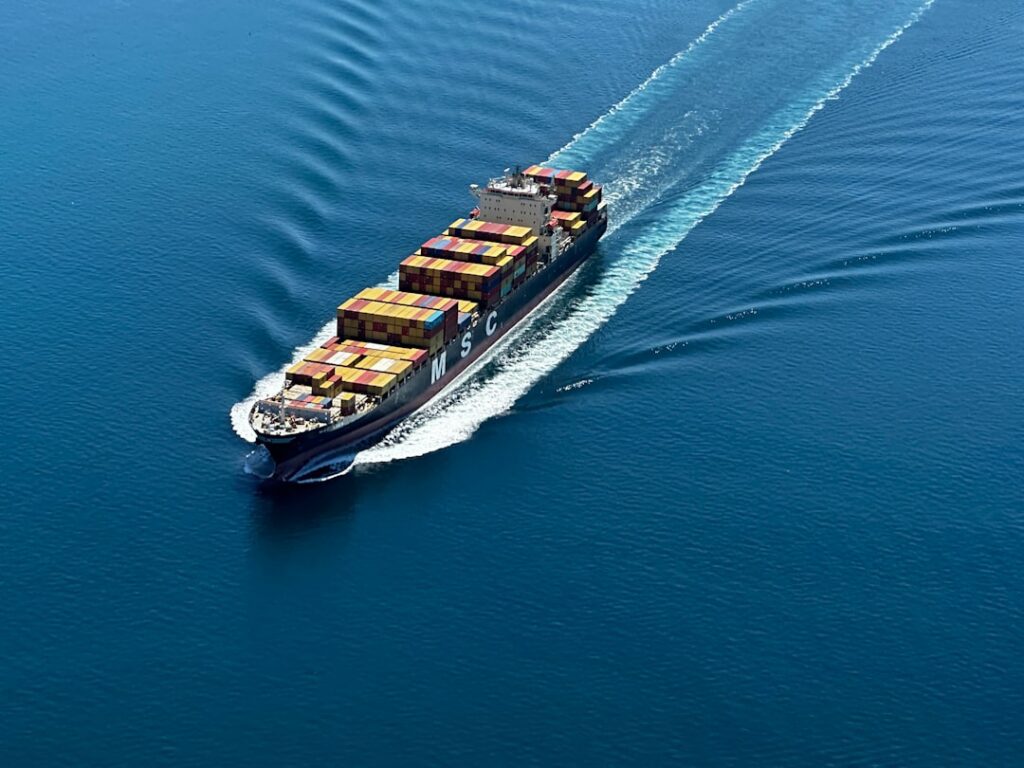
| المحيط FCL | قوانغدونغ → لوس أنجلوس / روتردام | 25-35 يوماً | الخط الأساسي | جرد الأصول الأساسي، تجديد المخزون بكميات كبيرة |
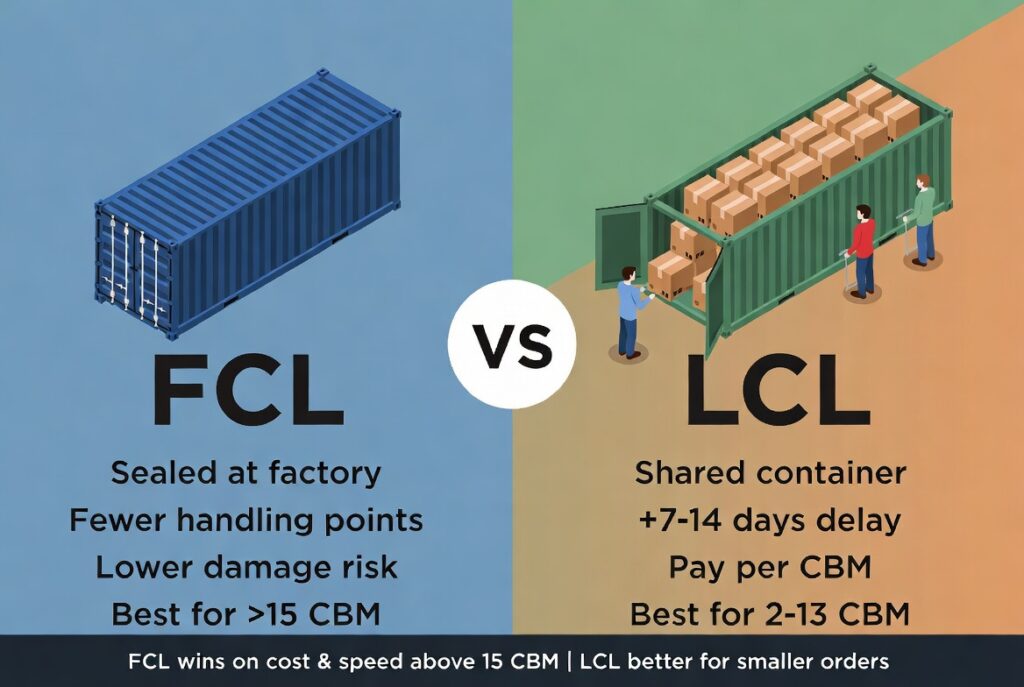
| المحيطات LCL | قوانغدونغ → سنغافورة / سيدني | 28–40 يومًا | +15–25% | عمليات إطلاق منتجات متوسطة الحجم ومتعددة وحدات التخزين (SKU) |
| الشحن الجوي | قوانغتشو باييون → مطار جون كينيدي / مطار هيثرو | 5–7 أيام | 4–6× المحيط | وحدات التخزين ذات الهامش الربحي المرتفع التي تعتمد على استراتيجية «المتابع السريع»، والأسواق التي تم دخولها في مرحلة متأخرة |
| الخدمة السريعة عبر الحدود بالطرق البرية | قوانغدونغ → تايلاند / فيتنام / ماليزيا | 3-7 أيام | بين المحيط والجو | أسواق الآسيان، نظام التزويد التفاعلي |
بالنسبة لألعاب التجميع مثل «لابوبو» — التي تتميز بخفة وزنها، ونسبة القيمة إلى الحجم العالية، وعدم تصنيفها ضمن فئة البضائع الحساسة — فإن الشحن البحري بالحاويات الكاملة (FCL) من موانئ قوانغدونغ يُعد العمود الفقري الأكثر كفاءة من حيث التكلفة لمعظم أسواق الوجهة. أما الشحن الجوي فيُقتصر على الأسواق التي قد يؤدي فيها تأخر وصول الشحنة إلى إضاعة اللحظة الثقافية المناسبة.
طبقة المخاطر التي تستخف بها معظم العلامات التجارية: الشحن بالجملة بين الشركات (B2B) هو عملية لوجستية مخططة، مما يعني أن أي خطأ واحد قد يتفاقم ليؤثر على العملية بأكملها. فقد يؤدي عدم تطابق رمز النظام المنسق (HS) في الإقرار الجمركي المسبق إلى تأخير حاوية كاملة في المنشأ. كما أن الحجز الزائد على السفينة خلال موسم الذروة يؤدي إلى نقل شحنتك إلى الرحلة التالية، وهو ما يعني، في ظل مدة عبور بحري تتراوح بين 25 و35 يومًا، وصول الشحنة بعد انتهاء فترة الشحن المحددة. وقد يؤدي تأخر الموعد النهائي للتسليم في أحد موانئ قوانغدونغ إلى تحويل خطة مدتها 8 أسابيع إلى عملية استعجالية تستغرق 10 أسابيع.
العلامات التجارية التي تنفذ عمليات إطلاق عالمية متزامنة دون أي عقبات ملحوظة هي تلك التي تعتبر اختيار وكيل الشحن قرارًا استراتيجيًا، وليس مجرد مقارنة أسعار.
الطبقة الثانية: التخزين في الخارج — البنية التحتية التي تدعم تلبية الطلبات في نفس الأسبوع
“عبارة ”نفد المخزون في اليوم الأول في 40 دولة» لا يمكن أن تكون صحيحة إلا إذا كان المخزون موجودًا بالفعل داخل تلك الدول في اليوم الأول.
وهذه هي وظيفة التخزين في الخارج. فبدلاً من شحن كل طلب دوليًا من قوانغدونغ بعد أن ينقر العميل على زر «الشراء»، تقوم العلامات التجارية بتخزين مخزونها مسبقًا في مراكز توزيع خاضعة للرقابة الجمركية أو محلية في الأسواق المستهدفة — الولايات المتحدة، والمملكة المتحدة، وألمانيا، واليابان، وأستراليا، والبرازيل — قبل أسابيع من إطلاق المنتج.
عندما أدى الحدث الذي وقع في ملعب أزتيكا إلى ارتفاع الطلب، تمت عملية تلبية الطلبات محليًّا في كل سوق. فقد قدم أحد هواة جمع التذكارات في المملكة المتحدة طلبًا؛ وقام مستودع تابع لشركة خدمات لوجستية خارجية (3PL) في منطقة ميدلاندز بالمملكة المتحدة بانتقاء المنتج وتغليفه وشحنه عبر البريد الملكي. لم يكن هناك أي تأخير جمركي دولي. ولم تكن هناك عبارة “التسليم المتوقع خلال 15–25 يوم عمل”. ولم تكن هناك صفحة تتبع تتوقف عن العمل لمدة أسبوعين أثناء النقل.
في البرازيل، انطلقت المبيعات الرسمية لعلامة «لابوبو» عبر الموزع المحلي «كانديد» — حيث تم تجهيز المخزون مسبقًا في السوق، مما سمح بتحويل الانتشار الواسع الذي حققته الفعالية إلى تسليم في نفس الأسبوع لهواة جمع المنتجات البرازيليين. وبدون وجود هذا المخزون في السوق، فإن هذه اللحظة تولد انطباعات على مواقع التواصل الاجتماعي لا تترجم إلى إيرادات.
النموذج التشغيلي للتخزين في الخارج:
| العامل | مع مستودع في الخارج | بدون (عبور حدودي مباشر) |
|---|---|---|
| سرعة التسليم للعملاء | 1–3 أيام (خدمة التوصيل المحلية) | 10–25 يومًا (الشحن الدولي) |
| الخبرة في مجال الجمارك | لا شيء — تمت التخليص الجمركي لشحنة سائبة واردة | قد يواجه المشتري رسومًا جمركية أو تأخيرات |
| تحويل اللحظة التي انتشرت على نطاق واسع | مرتفع — من الطلب إلى التسليم خلال فترة الذروة | منخفض — تصل الشحنة بعد أن يتلاشى الاهتمام |
| معالجة المرتجعات | عملية داخلية، احتكاك منخفض | العائدات الدولية، التكلفة المرتفعة |
| متطلبات رأس المال | أعلى — المخزون المخصص لتلبية الطلب المسبق | أقل — الشحن عند الطلب |
المقايضة هنا تتمثل في رأس المال: فالتخزين المسبق يعني تخصيص مخزون لسوق ما قبل التأكد من حجم الطلبات. والحل الذي تلجأ إليه معظم العلامات التجارية الراسخة هو نموذج ذو سرعتين — الشحن البحري البطيء للمخزون الأساسي، والشحن الجوي أو التزويد السريع عندما يؤدي حدث معين (مثل حفل الافتتاح) إلى زيادة الطلب بوتيرة أسرع مما كان مخططًا له.
بالنسبة للبائعين عبر الحدود الذين يستهدفون أسواق الولايات المتحدة أو الاتحاد الأوروبي أو المملكة المتحدة بأي حجم ذي أهمية: لم يعد التخزين في الخارج خيارًا متميزًا. فقد أصبح التسليم بالسرعة المحلية هو التوقع الأساسي، وأي علامة تجارية تشحن طرودًا تستغرق وصولها 15 يومًا دوليًا تتنافس في وضع غير مؤاتٍ من الناحية الهيكلية مقارنةً بالبائعين الذين قاموا بالفعل بتخزين مخزونهم محليًّا.
الطبقة الثالثة: تسليم DDP (تسليم مدفوع الرسوم المدفوعة) الشحن — التعامل مع متطلبات الجمارك والضرائب على الصعيد العالمي
وهنا تكمن العقبة التي تعرقل معظم عمليات الإطلاق عبر الحدود.
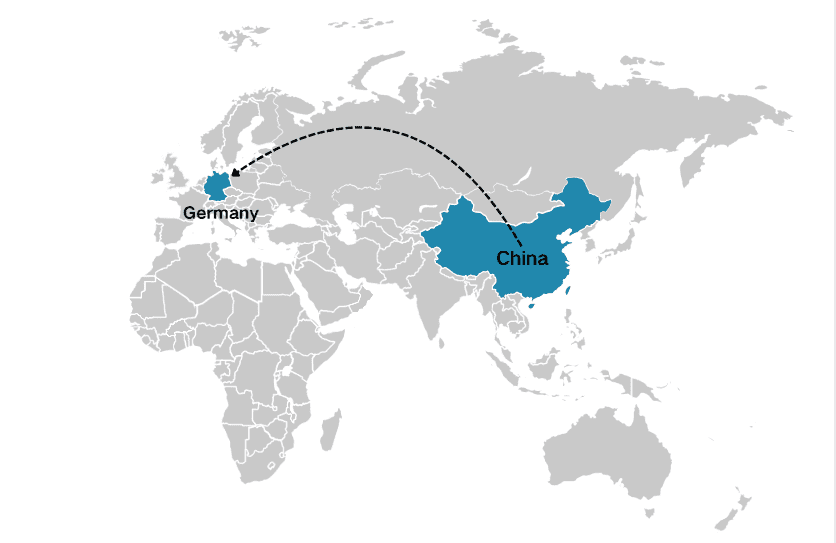
يطلب أحد هواة جمع الأغراض في المكسيك منتج «لابوبو». يتم شحن الطرد من الصين. ويخضع لإجراءات التصدير الصينية. ثم يصل إلى الحدود الجمركية المكسيكية. ويجد المشتري نفسه ملزماً بدفع رسوم استيراد لم يكن يتوقعها، ولا يستطيع حسابها، ويجب عليه دفعها قبل الإفراج عن الطرد. فيتخلى عن الطرد. وتتبخر اللحظة التي كانت ستنتشر كالفيروس.
تحل شروط DDP — تسليم بعد دفع الرسوم — هذه المشكلة على مستوى البنية التحتية. وبموجب شروط DDP، يتولى المُصدِّر أو وكيل الشحن التابع له جميع الرسوم والضرائب وإجراءات التخليص الجمركي قبل وصول الطرد إلى المشتري. ويدفع العميل سعرًا واحدًا شاملاً بعد وصول البضاعة إلى وجهتها. ويصل الطرد دون أي رسوم مفاجئة ودون الحاجة إلى التعامل مع بوابة جمركية.
الواقع السياسي لعام 2026 الذي يجعل مبدأ «تسليم عند الوجهة» (DDP) غير قابل للتفاوض:
الولايات المتحدة الأمريكية: تم إلغاء الإعفاء “الضئيل” الذي كان يسمح للشحنات القادمة من الصين التي تقل قيمتها عن $800 بالدخول معفاة من الرسوم الجمركية في مايو 2025. وتخضع الطرود القادمة من الصين الآن لرسوم جمركية نسبية تبلغ حوالي 30% عند شحنها عبر شركات النقل التجارية، أو رسوم ثابتة تتراوح بين $25 و$50 لكل قطعة عند شحنها عبر القنوات البريدية — بغض النظر عن قيمتها. ولم يعد هناك حد أدنى لـ«الصغر الكافي لتجاوز الجمارك» بالنسبة للبضائع الصينية الداخلة إلى الولايات المتحدة. (إرشادات الجمارك وحماية الحدود الأمريكية (CBP))
الاتحاد الأوروبي: يُطبق ضريبة القيمة المضافة (VAT) ابتداءً من 0 يورو بموجب نظام IOSS. اعتبارًا من 1 يوليو 2026، يُطبق رسم ثابت قدره 3 يورو لكل بند في الإقرار على طرود التجارة الإلكترونية التي تقل قيمتها عن 150 يورو. ويمكن أن تبلغ الرسوم المفروضة على كل بند في شحنة مكونة من 5 عناصر وتغطي 3–5 رموز من نظام التصنيف المنسق (HS) ما بين 9 و15 يورو، بالإضافة إلى 20%+ ضريبة القيمة المضافة. (المفوضية الأوروبية)
المملكة المتحدة: 20% تُطبق ضريبة القيمة المضافة ابتداءً من 0 جنيه إسترليني. الحد الأدنى للإعفاء من الرسوم الجمركية هو 135 جنيهًا إسترلينيًا.
بالنسبة لعلامة تجارية استهلاكية عالمية تعمل في أكثر من 40 سوقًا تتباين فيها معدلات الرسوم الجمركية وهياكل ضريبة القيمة المضافة والإجراءات الجمركية، فإن نموذج «تسليم إلى الوجهة (DDP)» لا يُعد فئة خدمة متميزة. بل هو النموذج الوحيد الذي يجعل الإطلاق العالمي المتزامن قابلاً للتنفيذ من الناحية التشغيلية دون التسبب في موجة من الشحنات المتروكة وحالات تصعيد الشكاوى إلى خدمة العملاء.
يتولى وكيل الشحن الذي يعمل بنظام «تسليم الشحنة الجاهزة» (DDP) التعامل مع التعقيدات التنظيمية — مثل التصنيف، والتقييم، ودفع الرسوم الجمركية، ووثائق التخليص الجمركي — ويقدم تكلفة شاملة يمكن التنبؤ بها تتناسب مع حجم الأعمال في مختلف الأسواق.
السلسلة الكاملة: من مصنع في قوانغدونغ إلى جامع التحف العالمي
وبالجمع بين هذه الطبقات الثلاث، تبدو السلسلة التي ساهمت في وصول «لابوبو» إلى أكثر من 40 دولة في يوم الإطلاق على النحو التالي:
| الطبقة اللوجستية | وضع النقل العابر | المهلة الزمنية | أفضل استخدام لـ | المخاطر الرئيسية |
|---|---|---|---|---|
| الطبقة الأولى: الشحن بالجملة بين الشركات (B2B) | شحن بحري بالحاويات الكاملة (FCL) / الشحن الجزئي (LCL) من قوانغدونغ | 25-35 يوماً | جرد الموارد الأساسية، والتخزين المسبق بكميات كبيرة | الحجز الزائد، وازدحام الموانئ، وأخطاء رموز HS |
| الطبقة الثانية: التخزين في الخارج | شركة شحن محلية (رويال ميل، يو بي إس، إلخ) | 1-3 أيام | التنفيذ السريع داخل السوق، وتحويل اللحظات التي تنتشر بسرعة | التزام رأس المال المخصص للمخزون، وتكاليف التخزين |
| الطبقة الثالثة: خط DDP المباشر | الشحن الجوي / السريع + التخليص الجمركي بنظام «تسليم إلى الوجهة» (DDP) | 5–7 أيام | تجديد سريع للمخزون، وشحن الطرود مباشرة عبر الحدود | إلغاء قاعدة «الحد الأدنى» الأمريكية؛ وفرض الاتحاد الأوروبي رسماً جمركياً قدره 3 يورو لكل سطر اعتباراً من يوليو 2026 |
التحول الذي يمثله ذلك: “كانت اللوجستيات في إطار مفهوم ”صنع في الصين’ تركز على نقل منتجات العلامات التجارية الأخرى بكفاءة — السعر للكيلوغرام الواحد، ووقت النقل، والامتثال للوائح الجمركية. أما اللوجستيات في إطار مفهوم “ابتُكرت في الصين” فتركز على نقل العلامات التجارية الصينية إلى الأسواق العالمية بطريقة تحافظ على تجربة العلامة التجارية. فسرعة التسليم هي جزء من التسويق. وحالة المنتج عند فتح العبوة هي مؤشر على جودة المنتج. وأي عقبات جمركية تُعد إضرارًا بالعلامة التجارية.
اللحظة التالية التي ستنتشر كالفيروس تجري الآن في مصنع ما في مكان ما في قوانغدونغ. عندما يرتفع الطلب بشكل حاد، لا يكون السؤال هو ما إذا كان المنتج جيدًا بما يكفي، بل ما إذا كانت سلسلة التوريد التي تدعمه سريعة بما يكفي، ومتوافقة مع المتطلبات بما يكفي، ومستعدة مسبقًا بما يكفي لتحويل هذه اللحظة الثقافية إلى إيرادات — قبل أن تمر هذه اللحظة.
نحن نعمل في النقاط الحاسمة في هذه السلسلة
تعمل شركة «فانتاج فورواردينغ» في مجال الشحن، والتخليص الجمركي بنظام «تسليم إلى الوجهة» (DDP)، وتنسيق التخزين في الخارج — بين بوابة المصنع الصيني والعميل النهائي أو مستودع الوجهة.
وهذا يشمل:
- وثائق التصدير إلى الصين والإجراءات الجمركية (النظام المنزلي التصنيف، التقييم، التخليص المسبق)
- الشحن البحري بالحاويات الكاملة (FCL) والشحن البحري بالحاويات الجزئية (LCL) من موانئ قوانغدونغ/شينزين إلى أسواق الولايات المتحدة والاتحاد الأوروبي ورابطة دول جنوب شرق آسيا (آسيان)
- خدمة التخليص المزدوج (DDP) بالنسبة للولايات المتحدة والاتحاد الأوروبي والمملكة المتحدة — يتم تغطية الرسوم الجمركية والضرائب مقدمًا، ولا توجد أي رسوم غير متوقعة عند التسليم
- تجميع الشحنات بالجملة بين الشركات (B2B) بالنسبة لفترات الإطلاق التي تشمل عدة رموز SKU وعدة وجهات
- تنسيق المستودعات في الخارج للعلامات التجارية التي تعمل على بناء قدرات تلبية الطلبات داخل السوق
سواء كنت تمثل علامة تجارية صينية تتوسع عالميًا، أو مشترٍ أجنبيًا يقوم بشراء كميات كبيرة من الصين وتوزيعها في سوقك المحلي، فإن المشكلة المتعلقة بالبنية التحتية التي نحلها هي الفجوة بين “المنتج الجاهز للشحن” و“استلام العميل له في الوقت المحدد، وبالتكلفة المناسبة، ودون أي عقبات جمركية”.”

[دعوة لاتخاذ إجراء: احصل على تقدير لتكلفة الشحن وأسعار DDP لشحنتك القادمة من الصين →]
الأسئلة الشائعة: الخدمات اللوجستية عبر الحدود من الصين
ما هو الشحن بنظام DDP من الصين، ولماذا يكتسب أهمية في عام 2026؟
يعني مصطلح DDP (تسليم مع دفع الرسوم) أن المصدر الصيني أو وكيل الشحن يتولى تسوية جميع الرسوم والضرائب وإجراءات التخليص الجمركي قبل وصول الشحنة إلى المشتري. في عام 2026، أصبح مصطلح DDP ضروريًا للشحنات القادمة من الصين إلى الولايات المتحدة (حيث تم إلغاء الإعفاء الضريبي "de minimis" في مايو 2025)، والاتحاد الأوروبي (ضريبة القيمة المضافة تبدأ من 0 يورو، بالإضافة إلى رسوم جديدة بقيمة 3 يورو لكل سطر بدءًا من يوليو 2026)، والمملكة المتحدة (ضريبة القيمة المضافة 20% تبدأ من 0 جنيه إسترليني). وبدون شروط DDP، يواجه المشترون رسومًا جمركية غير متوقعة تؤدي إلى التخلي عن الشحنة وإلحاق الضرر بالعلامة التجارية.
كيف يعمل نظام التخزين في الخارج في مجال التجارة الإلكترونية العابرة للحدود؟
يعني التخزين في الخارج تخزين المخزون مسبقًا داخل سوق الوجهة — مثل الولايات المتحدة والمملكة المتحدة وألمانيا واليابان — قبل ظهور الطلب من العملاء. تقوم إحدى العلامات التجارية الصينية بشحن كميات كبيرة من المخزون إلى مستودع في الخارج عبر الشحن البحري، ثم تلبّي طلبات العملاء الفردية من ذلك المستودع المحلي باستخدام شركات الشحن المحلية. والنتيجة هي توصيل محلي يستغرق من يوم إلى ثلاثة أيام بدلاً من النقل الدولي الذي يستغرق من 15 إلى 25 يومًا، دون الحاجة إلى إجراءات جمركية على مستوى كل طلب على حدة.
ما الفرق بين الشحن بالحاويات الكاملة (FCL) والشحن بالحاويات الجزئية (LCL) الشحن من الصين؟
يشير مصطلح FCL (حمولة حاوية كاملة) إلى أن شحنتك تملأ حاوية شحن بأكملها، مما يوفر لك أقل تكلفة شحن للوحدة. أما مصطلح LCL (حمولة أقل من حاوية) فيعني أن شحنتك يتم تجميعها مع بضائع شاحنين آخرين في حاوية مشتركة، وتكون التكاليف متناسبة مع حجم شحنتك. بالنسبة لشحنات المخزون الأساسية الكبيرة من قوانغدونغ إلى أسواق الولايات المتحدة أو الاتحاد الأوروبي، يُعد FCL الخيار الأكثر فعالية من حيث التكلفة. أما LCL فيناسب عمليات طرح المنتجات ذات الحجم المتوسط والمتعددة SKU التي لم تصل بعد إلى أحجام FCL.
كيف يؤثر إلغاء قاعدة «الحد الأدنى» من قبل الولايات المتحدة على الشحنات القادمة من الصين؟
اعتبارًا من مايو 2025، لم يعد الإعفاء «دي مينيميس» (de minimis) $800 ساريًا على البضائع ذات المنشأ الصيني. وتخضع الشحنات التي تُنقل عبر شركات الشحن التجارية الآن لرسوم جمركية نسبية تبلغ حوالي 30%؛ بينما تخضع الشحنات المرسلة عبر القنوات البريدية لرسوم ثابتة تتراوح بين $25 و$50 لكل قطعة. ولا يوجد حد أدنى للقيمة يُسمح عند انخفاض القيمة عن هذا الحد بدخول البضائع الصينية معفاة من الرسوم الجمركية. وستواجه العلامات التجارية التي تشحن إلى المستهلكين في الولايات المتحدة من الصين دون اتفاقية تسليم عند الوجهة (DDP) أو هيكل شامل للضرائب، حالات تخلٍ منهجي عن الطلبات في الجمارك.
 English
  Chinese
  Arabic
  French
  German
  Portuguese
  Spanish