ملخص تنفيذي
في 14 مايو 2026، أصدرت المحكمة العليا في الولايات المتحدة حكمًا بالإجماع 9-0 في مونتغمري ضد Caribe Transport II, LLC (رقم 24-1238) التي غيرت المشهد القانوني بشكل جذري لكل وسيط شحن، ومزود خدمات لوجستية من طرف ثالث (3PL)، ووسيط لوجستي يعمل في السوق الأمريكية.
يُلغي هذا الحكم دفاع الاستباق الفيدرالي الذي اعتمد عليه السماسرة لسنوات لحماية أنفسهم من دعاوى الإهمال في التوظيف بموجب قانون الولاية. لم تعد دعاوى الإهمال في التوظيف بموجب قانون الولاية ضد سماسرة الشحن مستبعدة بموجب قانون تفويض إدارة الطيران الفيدرالية (FAA). فقد أصبح هذا الدفاع الآن ضعيفًا إلى حد كبير.

بالنسبة للمصدرين الصينيين الذين يشحنون بضائع عالية القيمة إلى الولايات المتحدة - الإلكترونيات والمكونات الدقيقة والملابس والسلع الاستهلاكية - فإن هذا الحكم له عواقب تشغيلية مباشرة. فالشركة الناقلة التي يختارها شريكك اللوجستي لمرحلة التسليم المحلي في الولايات المتحدة أصبحت الآن متغيرًا قانونيًا وماليًا، وليس مجرد متغير لوجستي. كما أن هيكل التأمين الذي يحتفظ به وكيل الشحن أو متعهد النقل متعدد الطرفيات الذي تتعامل معه أصبح الآن عنصرًا من عناصر العناية الواجبة وليس معلومات أساسية.
يشرح هذا الموجز ما حدث، وما الذي يغيره، وما يجب أن تبدو عليه الشراكة اللوجستية المتوافقة مع شحن البضائع عالية القيمة من الصين إلى الولايات المتحدة في بيئة ما بعد مونتغمري.
إذا كنت تبحث عن إجابات لأي مما يلي، فهذا الدليل مكتوب من أجلك:
- هل وكيل الشحن الخاص بي تأمين 3PL ملائم بعد حكم مونتغمري؟
- ماذا يعني مسؤولية وسيط الشحن بالنسبة لشحناتي كمستورد؟
- كيف فحص الناقل العمل - وما الذي يجب أن أطلبه من شريكي اللوجستي؟
- هل شحن DDP حمايتي من المخاطر التي يخلقها هذا الحكم؟
القسم 1: القضية - ماذا قررت المحكمة ولماذا هي مهمة
الخلفية
نشأت القضية من حادث وقع على الطريق السريع في عام 2017 في ولاية إلينوي. أصيب مقدم الالتماس شون مونتغمري بإصابات خطيرة ودائمة بعد أن صدمت مقطورته الجرارة بشاحنة يقودها المدعى عليه يوسنييل فاريلا موجينا، الذي كان يقود حمولة من الأواني البلاستيكية لصالح المدعى عليه Caribe Transport II, LLC. قامت شركة C.H. Robinson Worldwide المدعى عليها - وهي وسيط نقل - بتنسيق الشحنة. ادعى مونتغمري أن شركة C.H. Robinson كانت تعلم (أو كان ينبغي أن تعلم) من تصنيف السلامة الخاص بشركة Caribe Transport أن توظيفها كان من المحتمل بشكل معقول أن يؤدي إلى حوادث من شأنها أن تصيب آخرين.
لم تحصل شركة Caribe Transport على تصنيف “مشروط” للسلامة فقط من هيئة إدارة النقل الفيدرالية للنقل البحري - وهو تصنيف متاح للجمهور يشير إلى وجود أوجه قصور موثقة في تأهيل السائقين أو صيانة المركبات. اختارت شركة C.H. Robinson، وهي واحدة من أكبر وسطاء الشحن في الولايات المتحدة، شركة Caribe على أي حال. عندما وقع الحادث، رفع مونتغمري دعوى قضائية ضد جميع الأطراف، بما في ذلك شركة C.H. Robinson بتهمة الإهمال في التوظيف.
على مدار سنوات، رفضت المحاكم الأدنى درجة دعاوى مماثلة ضد السماسرة على أساس قانون FAA الفيدرالي - وهي الحجة القائلة بأن القانون الفيدرالي الذي يحكم صناعة النقل بالشاحنات يحظر دعاوى الضرر على مستوى الولاية المتعلقة بخدمات “الوسطاء”. أوضحت المحكمة أن قانون الطيران الفيدرالي لا يحمي السماسرة من دعاوى الإهمال على مستوى الولاية. الاستنتاج الرئيسي: تقع دعاوى الإهمال في التوظيف ضمن “استثناء السلامة” المنصوص عليه في القانون، مما يعني أن الولايات تحتفظ بسلطة فرض وإنفاذ واجبات العناية المعقولة في اختيار الناقل.
إشارة الإنفاذ الفوري
بعد أربعة أيام من صدور حكم المحكمة العليا، في 18 مايو/أيار 2026، ألغت الدائرة الرابعة حكم محكمة المقاطعة بمنح حكم مستعجل لصالح شركة Echo Global Logistics وأعادت القضية لمزيد من الإجراءات. تتعلق القضية بالوفاة غير المشروعة لجيمس فويلينج في حادث تصادم شاحنة حجزتها شركة Echo Global. يُعد هذا الحكم من أوائل أوامر الاستئناف الفيدرالية التي تطبق حكم مونتغمري، ويؤكد أن الحكم قيد التنفيذ بالفعل.
هذا ليس قرارًا يجب رصد تأثيره في المستقبل. فهو يعيد بالفعل تشكيل الدعاوى القضائية الجارية.
القسم 2: التأمين على 3PL بعد مونتغمري - ما الذي تغير وما الذي يكلفك
فجوة التغطية التي كشفتها مونتغمري
يعاني هيكل التأمين على النقل بالشاحنات في الولايات المتحدة من مشكلة هيكلية أظهرها مونتغمري الآن بشكل واضح.
يبلغ الحد الأدنى لمتطلبات التأمين الفيدرالي الأدنى لشركات نقل السيارات بين الولايات التي تنقل البضائع العامة $750,000 - وهو رقم تم تحديده في قانون الناقل الآلي لعام 1980 ولم يتم تعديله مرة واحدة خلال 45 عامًا. إذا كان الحد الأدنى البالغ $750,000 قد تتبع التضخم الأساسي منذ عام 1985، فسيكون حوالي $2.2 مليون اليوم. أما إذا تم تعديله لمراعاة الزيادة الفعلية في التكاليف الطبية وتعويضات الوفاة الخطأ، فسيكون $3.7 مليون تقريبًا. يُظهر ملف FMCSA الرباعي لعام 2026 أن الحد الأدنى البالغ $750,000T750,000 يغطي الآن أقل من 1.5% من متوسط الحكم النووي.
تبلغ قيمة شرط سند ضمان السمسار - الدعم المالي لعمليات السمسار - $75,000، وهو رقم تم تحديده في عام 2012 بموجب MAP-21. ولا يتضمن أي بند يتعلق بالمسؤولية عن الإصابات الجسدية على الإطلاق.
بعد مونتغمري، انتقل سماسرة الشحن إلى نفس بيئة المسؤولية مع عدم وجود حد أدنى للتأمين ضد الإصابات الجسدية الفيدرالية على الإطلاق.
إعادة التسعير المتميز
بالنسبة لشركات النقل الطرقي، تشهد أقساط التأمين على المسؤولية الطارئة للسيارات (CAL) والمسؤولية المهنية ارتفاعاً حاداً. من الناحية التاريخية، كان الوسطاء يتحملون أقساطاً غير مكلفة نسبياً للمسؤولية المهنية لأنهم نادراً ما كانوا يتحملون المسؤولية المباشرة عن حوادث الطرق. بعد مونتغمري، تقوم شركات التأمين الآن بتسعير مخاطر “الجيب العميق” - أي احتمال أن يتم تسمية الوسيط في دعوى قضائية بغض النظر عما إذا كان هو من قام بتشغيل الشاحنة أم لا. يجب أن يتوقع العملاء أن يشهدوا زيادات في الأسعار في كل من برامج التأمين الأساسي والإضافي، إلى جانب وضع حدود إجمالية ولغة بوليصة أكثر تقييدًا تحكم اختيار الناقل وشركات النقل التي يُسمح للوسطاء باستخدامها. ومما يزيد الأمر تعقيدًا أن شركات إعادة التأمين تتراجع.
من الناحية العملية: السوق متشعب. فمزودو الخدمات اللوجستية الذين لديهم عمليات فحص موثقة لشركات النقل، وسجل مطالبات نظيف، وتأمين كافٍ ضد المسؤولية يعيدون التسعير إلى الأعلى - لكنهم يظلون قابلين للتأمين. ويواجه وسطاء التخفيضات الذين بنوا نموذجهم على هوامش ضئيلة ونفقات عامة ضئيلة وعدم وجود عملية تأهيل رسمية للناقل صدمة هيكلية في التكاليف. سيخرج البعض من السوق. وسيقوم آخرون بتمرير التكاليف إلى الشاحنين دون الكشف عن مخاطر الامتثال الأساسية التي يتحملونها.
بالنسبة للمستوردين الذين اختاروا شركاء الخدمات اللوجستية على أساس السعر وحده، فهذه هي اللحظة المناسبة لإعادة التقييم.
القسم 3: مسؤولية وسيط الشحن وشحن البضائع عالية القيمة - التأثير المباشر على المصدّرون الصينيون
النطاق أوسع من قضايا “الوسيط”
مونتغمري ضد كاريبي للنقل ليست مجرد قضية سمسار. فالرأي مكتوب عن السماسرة لأن شركة C.H. Robinson هي وسيط. لكن المنطق ينطبق على أي شخص في سلسلة التوريد يختار شركة نقل ولديه إمكانية الوصول إلى بيانات السلامة المتاحة للجمهور والتي تُظهر أن الناقل يمثل خطرًا كبيرًا. قالت المحكمة إن إلزام الطرف بممارسة العناية العادية في اختيار الناقل يتعلق بالمركبات ذات المحركات. وهذا مبدأ. ولا يتوقف الأمر على أصحاب سلطة السمسار المرخص لهم.
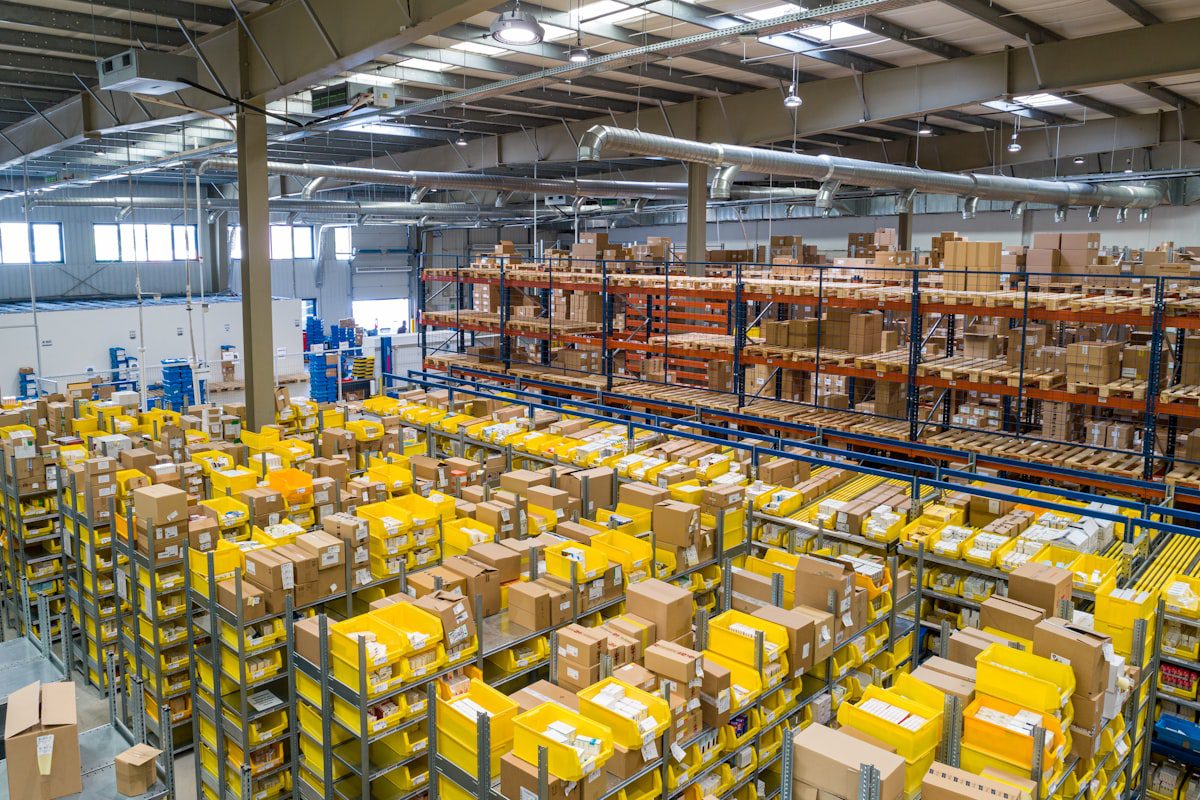
إن وكلاء الشحن، والوكلاء الثلاثيون، ومنصات الشحن الرقمية، والوسطاء اللوجستيون الذين يتخذون قرارات اختيار شركة النقل، كلها تدخل في نطاق هذا المبدأ. إذا قام وكيل الشحن الذي يقع مقره في الصين باختيار شركة النقل المحلية الأمريكية التي تتولى عملية التسليم النهائي للميل الخاص بك، فإن عملية اختيار شركة النقل الخاصة بهم الآن ذات صلة قانونية بما يحدث إذا تعرضت شركة النقل هذه لحادث.
نواقل المخاطر المحددة للمستوردين ذوي القيمة العالية
تشابك البضائع في عنابر التقاضي. عند وقوع حادث خطير لشاحنة تحمل بضائعك، قد يتم احتجاز الشحنة كدليل أو قد تخضع للامتيازات أثناء تسوية الدعاوى القضائية. بالنسبة للإلكترونيات عالية القيمة أو البضائع الدقيقة، فإن تكلفة حجز البضائع لمدة 30-90 يوماً تكون مادية.
مستويات جودة الناقل على وشك أن تتباعد مستويات جودة الناقل بشكل حاد. يتوقع معظم محللي الصناعة أن يصبح معظم الوسطاء أكثر حذرًا بشأن اختيار شركات النقل. قد تتمتع شركات النقل ذات السجلات النظيفة والوثائق المنظمة وتاريخ السلامة الأقوى بأفضلية عند التنافس على الأحمال. قد تشعر شركات السمسرة الأصغر حجماً بالضغط الأكبر لأنها غالباً ما تعمل ببنية تحتية محدودة للتدقيق في شركات النقل. المعنى الضمني: شركات النقل التي لا تستطيع اجتياز معيار التدقيق المطور ستخرج أو تنتقل إلى قنوات الحجز الأقل تدقيقًا - مما يخلق سوقًا من مستويين حيث تعتمد جودة شركة النقل المخصصة لحمولتك اعتمادًا كبيرًا على مزود الخدمات اللوجستية الذي اخترته.
يخلق تباين قانون الولاية مخاطر جغرافية. لقد اختفى الدفاع عن الشفعة الذي كان يخلق في السابق توحيدًا على مستوى الدولة. سيكون تنظيم سلامة الناقل الآلي الآن من خلال خليط من قرارات محاكم الولايات بدلاً من معيار موحد على مستوى البلاد. ستضع الولايات الأمريكية المختلفة معايير إهمال مختلفة لاختيار الناقل الوسيط. وستتعرض الشحنات التي تمر عبر الولايات ذات التقاضي المرتفع - إلينوي وكاليفورنيا وتكساس وفلوريدا - إلى زيادة متزايدة في مسؤولية الوسطاء.
تمرير تكلفة التأمين حقيقية ولكن لم يتم الإفصاح عنها بشكل متفاوت. لا تختفي الزيادات في أقساط التأمين على المسؤولية المدنية والمسؤولية المهنية - بل يتم إعادة تسعيرها في أسعار الشحن، أو في رسوم إضافية، أو في نطاق خدمة مخفضة. وسيقوم مقدمو الخدمات اللوجستية الذين يتسمون بالشفافية في هذا الشأن بتعديل الأسعار المعروضة بالزيادة. أما أولئك الذين لا يتسمون بالشفافية فقد يقللون من جودة فحص الناقل بدلاً من رفع الأسعار، مما يؤدي إلى نقل مخاطر غير مرئية إلى الشاحن.
القسم 4: الناقل معايير التدقيق التي تطبق الآن - قائمة التحقق من “الرعاية العادية”
المعيار القانوني الذي أرسته مونتغمري هو “العناية العادية” في اختيار الناقل. لم ينشئ حكم المحكمة واجبًا جديدًا - فواجب ممارسة العناية المعقولة في اختيار الناقل موجود منذ أجيال بموجب القانون العام. يخضع سماسرة الشحن الآن لنفس المعيار المطبق بالفعل في منظومة النقل.
لأغراض الامتثال العملي، تعني “الرعاية العادية” في عام 2026 عملية موثقة تشمل على الأقل
1. فحص نظام قياس السلامة (SMS) التابع لهيئة النقل البحري الفيدرالية (FMCSA) يجب أن يتم التحقق من كل شركة نقل في قاعدة بيانات SMS المتاحة للجمهور من قبل FMCSA قبل التعيين. يجب أن تتطلب شركة النقل الحاصلة على تصنيف “مشروط” - مثل شركة كاريبي للنقل في حالة مونتغمري - تبريرًا موثقًا لاستخدامها، أو ببساطة يجب عدم استخدامها. إن حقيقة أن هذه البيانات متاحة للجمهور تعني أن مزود الخدمات اللوجستية “كان يعلم أو كان يجب أن يعلم” عن أوجه القصور في السلامة إذا لم يتحقق منها.
2. التحقق من الصلاحية وشهادة التأمين يجب أن تكون سلطة التشغيل النشطة (حالة رقم MC)، وشهادات التأمين على البضائع الحالية (الحد الأدنى $100,000 لكل حمولة للشحن العام)، وتأكيد تغطية مسؤولية السيارات في الملف. بعد مونتغمري، أصبحت لغة البوليصة على مستوى الوسطاء أكثر تقييدًا بشأن شركات النقل التي يمكن استخدامها - قد تحدد العقود الحد الأدنى للتأمين على الناقل فوق $750,000.
3. سجلات التأهيل الكتابي للناقل لا يشكل التدقيق الشفهي والعلاقات غير الرسمية عملية يمكن الدفاع عنها بعد مونتغمري. إن سجلات الموافقة على الناقل الموثقة - تواريخ التحقق، ودرجات هيئة النقل الفيدرالية للنقل البحري في وقت الحجز، وشهادات التأمين - هي ما يحتاجه الوسيط لإثبات “العناية العادية” في التقاضي. اسأل شريكك اللوجستي عن شكل وثائق تأهيل شركة النقل الخاصة بهم وكيف يتم الاحتفاظ بها.
4. مراجعة تاريخ سلامة الناقل تعكس درجات نظام الرسائل النصية القصيرة تاريخ الفحص ومعدلات الخروج من الخدمة وسجلات الحوادث. قد تظل شركة النقل التي لديها سجل نظيف في نظام إدارة سلامة النقل، ولكن وقع لها حادث خطير مؤخرًا في ولاية لا تقدم البيانات على الفور إلى وكالة النقل الفيدرالية للشحن، معرضة لمخاطر مرتفعة. تقوم برامج التدقيق المتطورة بوضع بيانات السلامة الخاصة بالولاية على رأس سجلات نظام إدارة السلامة الفيدرالي.
القسم 5: هيكل عقود الشحن والخدمات اللوجستية - كيف تحمي بضائعك بعد مونتغمري
بالنسبة للمصدّرين الصينيين الذين يشحنون بضائع عالية القيمة إلى الولايات المتحدة، فإن بيئة ما بعد مونتغمري تغيّر شكل المشاركة اللوجستية الاحترافية من الناحية التعاقدية.
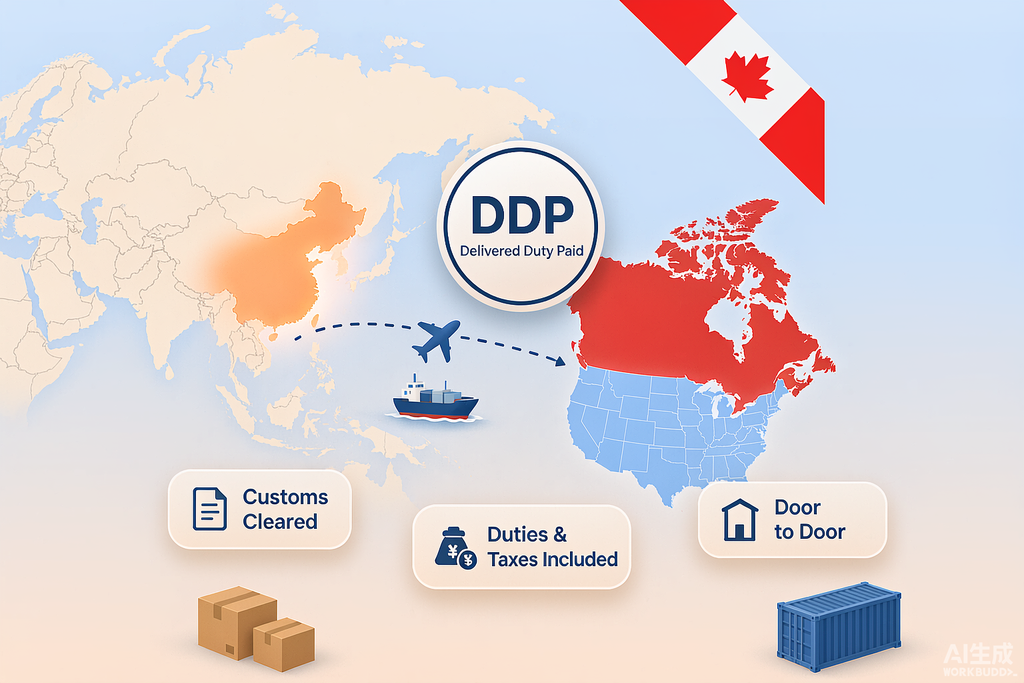
شركة DDP للشحن توحّد مساءلة المسؤولية - وهذا هو بيت القصيد
المستوردون الذين يبحثون عن شحن DDP غالبًا ما أريد إجابة واحدة: هل تحميني من التكاليف المفاجئة والتعرض للمسؤولية؟ بعد مونتغمري، الإجابة هي نعم - وبطريقة أكثر جدوى من ذي قبل.
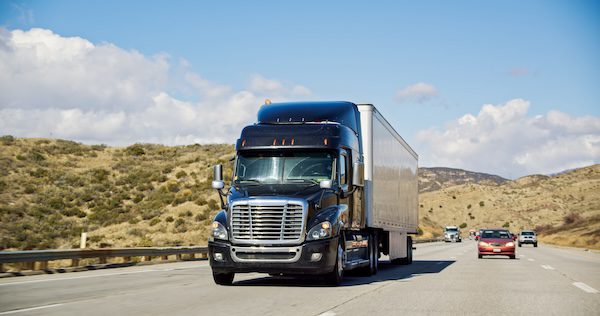
بموجب شروط DDP (تسليم الشحنة المدفوعة الرسوم الجمركية)، يتحمل وكيل الشحن أو شريكك اللوجستي المسؤولية التعاقدية الكاملة عن الشحنة من منشأ الصين إلى عنوان التسليم في الولايات المتحدة - بما في ذلك التخليص الجمركي, ودفع الرسوم الجمركية، والنقل المحلي. هذا الأمر مهم بعد مونتغمري لأنه يضع مسؤولية اختيار الناقل بشكل لا لبس فيه على عاتق طرف واحد: مزود الخدمات اللوجستية.
وبموجب شروط DAP أو FOB حيث تقوم أنت أو طرف ثالث بترتيب المرحلة المحلية في الولايات المتحدة بشكل مستقل، قد تتخذ قرارات اختيار الناقل - وتدخل في نطاق مونتغمري مسؤولية وسيط الشحن تعريض نفسك.
متطلبات التأمين التي تستحق التحديد
بالنسبة لشحنات البضائع ذات القيمة العالية، يجب أن يؤكد عقد الخدمات اللوجستية الخاص بك:
- تغطية الشحنات الطارئة بالقيم المناسبة لشحنتك (الحد الأدنى القياسي: $100,000 لكل حمولة؛ الإلكترونيات عالية القيمة: فكر في طلب $500,000+)
- الحد الأدنى للمسؤولية تجاه السيارات الناقل - تحديد أن شركات النقل المستخدمة يجب أن تحمل ما لا يقل عن $4T1,000,000 كحد أدنى من المسؤولية عن السيارات (الحد الأدنى الذي حددته هيئة النقل الفيدرالية لشركات النقل البحري ب $4T750,000 غير كافٍ في بيئة الحكم الحالية)
- تغطية المسؤولية المهنية للوسيط/المسؤولية المهنية للوسيط - يؤكد أن مزود الخدمات اللوجستية يحتفظ بتغطية للأخطاء والسهو في اختيار الناقل وإدارة الخدمات اللوجستية
التحقق من الوثائق كشرط من شروط العقد
قم بتضمين بند ينص على أن شريكك اللوجستي يحتفظ بسجلات موثقة لتأهيل الناقل وسيقدم تأكيدًا لحالة هيئة النقل البحري الفيدرالية لشركات النقل المستخدمة في شحناتك عند الطلب. هذا شرط معقول للعناية الواجبة - وهو شرط يجب أن يكون مزودو الخدمات اللوجستية المحترفون قادرين على تلبيته على الفور.
القسم 6: كيف يبدو شريك الخدمات اللوجستية المتوافق الآن
القائمة المرجعية لتقييم صفقة تحويل الصين إلى الولايات المتحدة الأمريكية وكيل الشحن أو 3PL قد تغيرت. لا تزال بطاقة السعر ذات صلة. لكن البنية التحتية للامتثال أصبحت الآن متغيراً جوهرياً في ما تمثله بطاقة الأسعار تلك في الواقع.
يجب أن يكون الشريك اللوجستي الذي يعمل وفقًا لمعايير ما بعد مونتغمري قادرًا على تأكيد ذلك:
| عنصر العناية الواجبة | ماذا تسأل |
|---|---|
| عملية الموافقة على الناقل | “هل هو موثق؟ هل يمكنك أن تريني عينة من سجل تأهيل الناقل؟” |
| فحص SMS SMS من FMCSA | “هل تتحققون من نتائج الرسائل النصية القصيرة قبل كل مهمة تحميل أم فقط عند التعيين؟” |
| عتبات تأمين الناقل | “ما هو الحد الأدنى لمتطلبات مسؤولية السيارات لدى شركة النقل؟ هل هو تعاقدي؟” |
| المسؤولية القانونية والمهنية | “ما هي حدود بوليصة تأمين مسؤولية السيارات الطارئة الخاصة بك؟ هل تم تحديثها منذ مايو 2026؟” |
| إمكانية DDP | “هل يمكنك توفير خدمة توصيل DDP إلى عنوان توزيعنا في الولايات المتحدة مع معالجة جميع عمليات التخليص الجمركي؟” |
| عملية المطالبات | “في حالة تلف البضائع أو تأخرها بسبب حادث ناقل، ما هي إجراءات المطالبات الموثقة لديكم؟” |
إذا كانت الإجابات غامضة، أو غير موثقة، أو قوبلت برفض المبيعات، فهذه هي الإشارة. فالشريك اللوجستي الذي لا يستطيع الإجابة عن هذه الأسئلة على وجه التحديد يحمل مخاطر الامتثال التي ستقع على شحنتك في نهاية المطاف.
الملاحظة الختامية
لم ينشئ الحكم الصادر في قضية مونتغمري معيارًا جديدًا - بل فرض معيارًا قديمًا. فواجب ممارسة العناية المعقولة في اختيار من يقود شحنتك موجود في القانون العام منذ أجيال. ما فعله الحكم هو إزالة الدرع الإجرائي الذي سمح لمقدمي الخدمات اللوجستية بالهروب من المساءلة عندما فشلوا في الوفاء بهذا المعيار.
بالنسبة للمصدرين الصينيين الذين لديهم أحجام شحنات مادية إلى الولايات المتحدة، فإن النتيجة التشغيلية واضحة ومباشرة: الناقل الذي يختاره شريكك اللوجستي للجزء المحلي الأمريكي هو مسؤوليتك حتى يتم تسليم البضائع. اختر شريكًا يمكنك التحقق من عملية اختيار الناقل الذي يمكنك التحقق من عملية اختياره - وليس شريكًا لا يمكنك مقاومة بطاقة أسعاره.
تدير شركة Vantage Forwarding عمليات الشحن من الصين إلى الولايات المتحدة من خلال فحص امتثال الناقل التابع لهيئة النقل الفيدرالية لإدارة النقل البحري (FMCSA) المدمج في سير عملنا اللوجستي. يتم توثيق عملية تأهيل الناقل لدينا، ويتم الحفاظ على تغطية المسؤولية الطارئة لدينا بمستويات مناسبة للبضائع عالية القيمة، كما أن خدمة التسليم DDP لدينا تدمج المساءلة الكاملة عن النقل - التخليص الجمركي واختيار الناقل والتسليم النهائي - في إطار ترتيب تعاقدي واحد.
للإلكترونيات عالية القيمة والمكونات الدقيقة والشحنات التجارية بين الشركات, تحدث مع فريق الخدمات اللوجستية لدينا حول معايير امتثال الناقل وأسعار DDP →
الأسئلة المتداولة - ما بعد مونتغمري 3PL ومسؤولية وسيط الشحن
قم بإضافتها ككتلة مخطط الأسئلة الشائعة في RankMath لاستهداف أهلية المقتطف المنسق لعمليات البحث الطويلة.
س: ما هي مسؤولية وسيط الشحن بعد حكم مونتغمري؟ مسؤولية وسيط الشحن بعد مونتغمري ضد Caribe Transport II, LLC (14 مايو 2026) يعني أنه يمكن الآن مقاضاة الوسطاء وشركات النقل متعدد الطرفيات بموجب قانون الولاية بشأن الإهمال في توظيف شركة نقل غير آمنة. لم يعد دفاع الشفعة الفيدرالي (FAA) الذي كان يمنع هذه الدعاوى في السابق ينطبق في القضايا المتعلقة بالسلامة. إذا اختار أحد الوسطاء شركة نقل ذات سجل سلامة سيئ موثق وتسبب ذلك الناقل في إصابة أو خسارة بضائع، فإن الوسيط يواجه مسؤولية مباشرة في محكمة الولاية.
س: ما مقدار التأمين على 3PL الذي يجب أن يحمله وكيل الشحن الخاص بي بعد مونتغمري؟ في مرحلة ما بعد مونتغمري، يجب على وكيل الشحن المحترف أو وكيل الشحن الثلاثي الذي يتعامل مع البضائع التجارية عالية القيمة أن يحمل المسؤولية الطارئة على السيارات (CAL) بمستويات مناسبة لقيم البضائع (يوصى بحد أدنى $1M؛ و$2M+ للإلكترونيات عالية القيمة أو البضائع الدقيقة)؛ وتغطية الأخطاء والسهو/المسؤولية المهنية؛ وتغطية تأمينية على البضائع الطارئة بحد أدنى $100,000 لكل حمولة للشحن العام. اطلب من شريكك اللوجستي شهادة تأمين وتأكد من تحديث التغطية بعد مايو 2026.
س: ما هو فحص الناقل وما أهميته بالنسبة لشحناتي؟ التدقيق في الناقل هو العملية الموثقة التي يقوم من خلالها وسيط الشحن أو شركة النقل بالشاحنات بتقييم شركة النقل بالشاحنات قبل تعيين حمولة لها. بعد مونتغمري، يجب أن تشمل هذه العملية: التحقق من نقاط نظام قياس السلامة التابع لهيئة سلامة النقل الفيدرالية (FMCSA)، وتأكيد سلطة التشغيل النشطة، ومراجعة شهادة التأمين، وسجلات التأهيل المكتوبة. إذا لم يتمكن شريكك اللوجستي من تقديم وثائق عملية فحص شركة النقل الخاصة به، فإنه يتحمل مخاطر الامتثال التي جعلتها مونتغمري الآن مرئية قانونًا.
س: هل يحميني شحن DDP من التعرض لمسؤولية وسيط الشحن؟ نعم - يضع الشحن بنظام DDP (التسليم مقابل دفع الرسوم الجمركية) مسؤولية النقل الكاملة، بما في ذلك اختيار الناقل المحلي في الولايات المتحدة، على عاتق وكيل الشحن أو مزود الخدمات اللوجستية. وبموجب شروط DDP، أنت لا تتخذ قرارات اختيار الناقل وبالتالي فأنت خارج نطاق مسؤولية إهمال الوسيط في التوظيف. بموجب فوب أو شروط DAP حيث تقوم بترتيب رحلة داخلية في الولايات المتحدة بشكل مستقل، فإنك تتحمل مسؤولية اختيار الناقل - ومعها مسؤولية التعرض لما بعد مونتغمري إذا كان الناقل الذي تختاره يعاني من قصور موثق في السلامة.
المصادر القانونية: مونتغمري ضد Caribe Transport II, LLC, 608 U.S. ___ (2026)، تم البت فيها في 14 مايو 2026؛ أمر الدائرة الرابعة في قضية Echo Global Logistics، 18 مايو 2026 مصادر الصناعة: تحليل ما بعد مونتغمري الذي أجرته مجموعة هاودن؛ تحليل الفجوة التأمينية لوسطاء الشحن "فريت ويفز"؛ استشارات المخاطر من كوتينجهام وبتلر؛ الموجز القانوني لمجموعة رونوك؛ ملاحظات مؤتمر أفكار رأس المال TIA Capital Ideas، أبريل 2026 تم نشر هذه الوثيقة لأغراض إعلامية فقط ولا تشكل نصيحة قانونية. استشر مستشارًا قانونيًا مؤهلًا للحصول على إرشادات خاصة بحالة عملك.
 English
  Chinese
  Arabic
  French
  German
  Portuguese
  Spanish