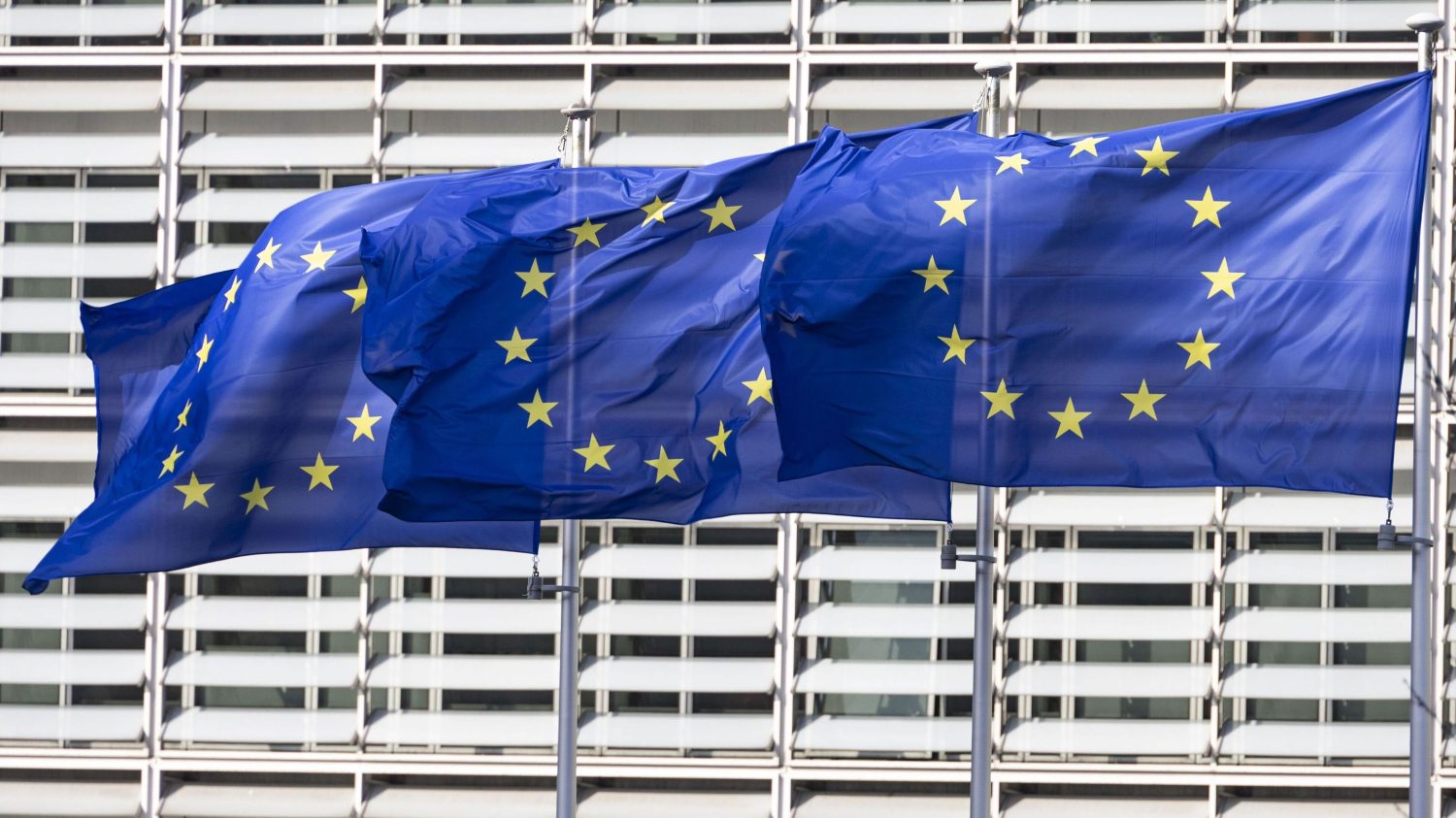
هناك تحول كبير في السياسة التجارية عبر المحيط الأطلسي يتجه نحو التصديق - وبالنسبة للمصدرين الصينيين الذين يتنافسون في الأسواق الأوروبية أو الأمريكية, ، فإن الآثار المترتبة على ذلك مادية للغاية بحيث لا يمكن تجاهلها.
توصل البرلمان الأوروبي والمجلس الأوروبي إلى اتفاق مؤقت لإلغاء التعريفات الجمركية على الواردات من السلع الصناعية الأمريكية، مع تحسين وصول منتجات زراعية أمريكية مختارة والمأكولات البحرية إلى الأسواق. ويندرج هذا الاتفاق ضمن الاتفاقية التجارية الإطارية التي تم التوصل إليها في أغسطس 2025، ومن المتوقع أن يتم التصويت الكامل للبرلمان الأوروبي في جلسة عامة بين 15-18 يونيو 2026. وفي حال عدم حدوث اضطراب سياسي، فإن الاتفاقية ستدخل حيز التنفيذ قبل نهاية عام 2026.
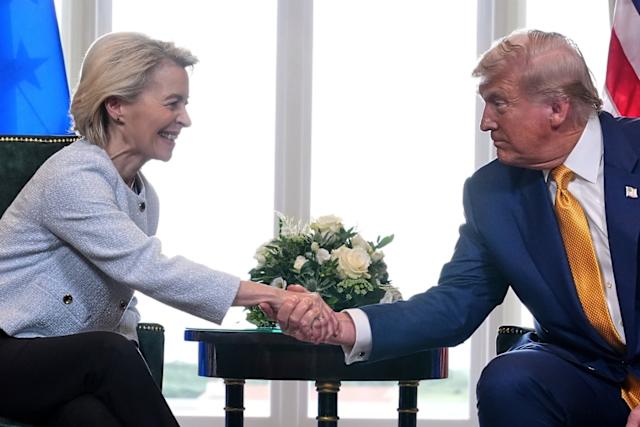
هذا ليس تطورًا سياسيًا بعيدًا يمكن مراقبته بشكل سلبي. إنها مشكلة تخطيط لوجستية ذات موعد نهائي محدد.
ما الذي تغيره الاتفاقية في الواقع
لن تتحمل السلع الصناعية الأمريكية التي تدخل الاتحاد الأوروبي عبء التعريفة الجمركية التي تواجهها حاليًا. ومن الناحية العملية، سيؤدي ذلك إلى تعديل الأسعار لصالح المنتجات الأمريكية المنشأ عبر مجموعة واسعة من الفئات - الآلات والمكونات والسلع الاستهلاكية المعمرة والسلع المصنعة من بينها.
بالنسبة للمصدرين الصينيين في تلك الفئات نفسها، اتسعت فجوة التكلفة الفعلية للتو. فالمنتج الذي كان يتنافس في السابق على أساس التكافؤ السعري مع مثيله الأمريكي في ألمانيا أو فرنسا سيتنافس الآن مع السلع التي دخلت معفاة من الرسوم الجمركية. هذا ليس بالأمر الذي لا يمكن التغلب عليه - ولكنه يتطلب إعادة تقييم صادقة للمصدر الفعلي للهامش.
وتكتسب أحكام الزراعة والمأكولات البحرية نفس القدر من الأهمية. فقد كانت هذه الفئات متنازع عليها بالفعل بين الموردين الصينيين والأمريكيين في قنوات البيع بالتجزئة والخدمات الغذائية الأوروبية. وستؤدي سهولة الوصول إلى الولايات المتحدة إلى ممارسة ضغط مباشر على الأسعار على المصدرين الصينيين الذين بنوا حصة في السوق الأوروبية في المأكولات البحرية الممتازة والأغذية المصنعة والمشتقات الزراعية.
ثلاثة مخاطر حقيقية لا يقدرها المصدرون الصينيون حق قدرها
1. تسارع الضغط على الأسعار قبل إجراء التصويت لن ينتظر المشترون الأوروبيون التصديق لبدء إعادة التفاوض. إن توقع وجود بديل أمريكي أقل تكلفة يكفي بالفعل لإعادة فتح محادثات التسعير. قد يجد المصدرون المرتبطون بعقود سنوية مع الموزعين الأوروبيين أن مفاوضات التجديد في النصف الثاني من عام 2026 أصعب بكثير.
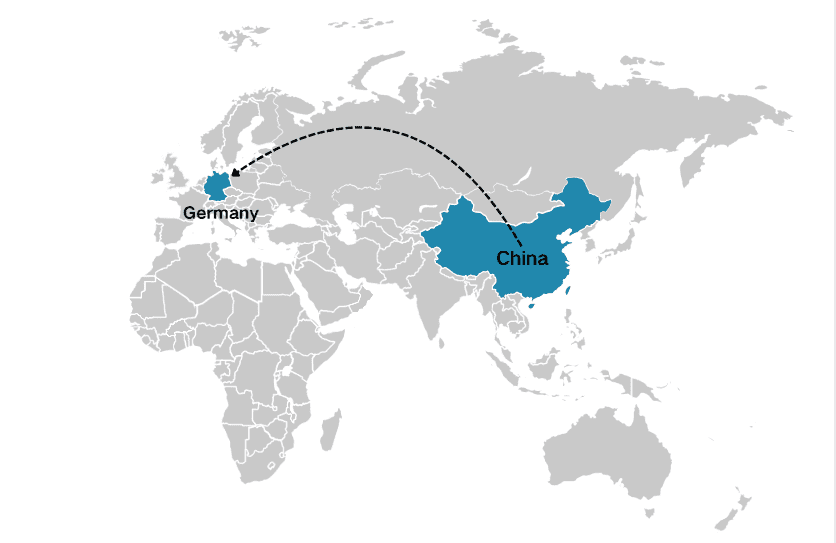
2. تحويل التجارة يضغط على هوامش سوق الاتحاد الأوروبي الحجم الذي يتدفق حاليًا من الصين إلى الولايات المتحدة - التي تواجه احتكاكًا جمركيًا شديدًا - قد يعيد توجيهه نحو أوروبا، مما يزيد من العرض الصيني في أسواق الاتحاد الأوروبي في الوقت الذي تشتد فيه المنافسة الأمريكية. يؤدي المزيد من العرض الصيني بالإضافة إلى أسعار أمريكية أكثر تنافسية إلى ضغط الهامش في فئات السلع المتقاربة التي سيكون من الصعب عكس اتجاهها.
3. تشديد متطلبات الامتثال لسلع البلدان الثالثة وغالبًا ما تؤدي الاتفاقيات الثنائية للاتحاد الأوروبي مع الشركاء التجاريين الرئيسيين إلى تحديث المعايير الفنية وتطبيق قواعد المنشأ بشكل أكثر صرامة على الموردين من غير الأطراف. قد ترفع التفاصيل التشريعية التي أعقبت تصويت يونيو من مستوى الامتثال للسلع ذات المنشأ الصيني في فئات الإلكترونيات والمواد الكيميائية والأغذية. هذه معلومات تشغيلية وليست معلومات أساسية.
أين تتناسب الاستراتيجية اللوجستية
وإليك الزاوية التي تغفلها معظم التعليقات التجارية: لن يكون المصدرون الذين يجيدون التعامل مع هذه البيئة بشكل أفضل هم الذين وجدوا أرخص سعر للمصنع. بل سيكونون هم الذين سيحصلون على التكلفة التي يمكن التنبؤ بها - بما في ذلك الرسوم والتخليص الجمركي والتسليم في الميل الأخير - قبل منافسيهم.
وهنا تأتي أهمية التخطيط اللوجستي لـ H2 2026 بقدر أهمية استراتيجية التسعير الخاصة بك.
على وجه التحديد، هناك ثلاث خطوات لوجستية تستحق التقييم الآن:
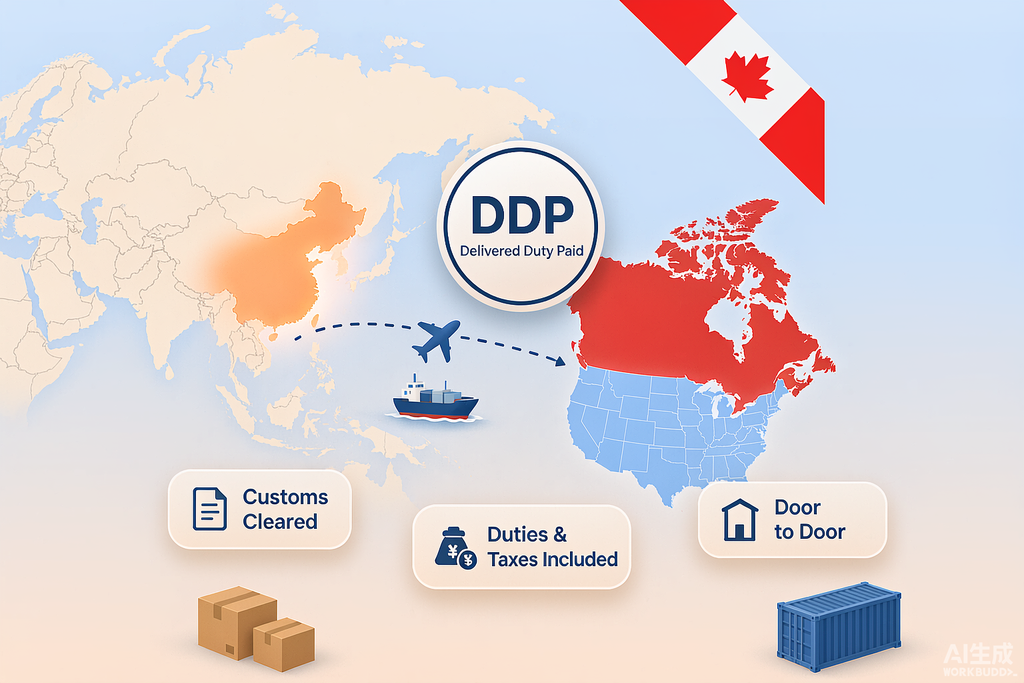
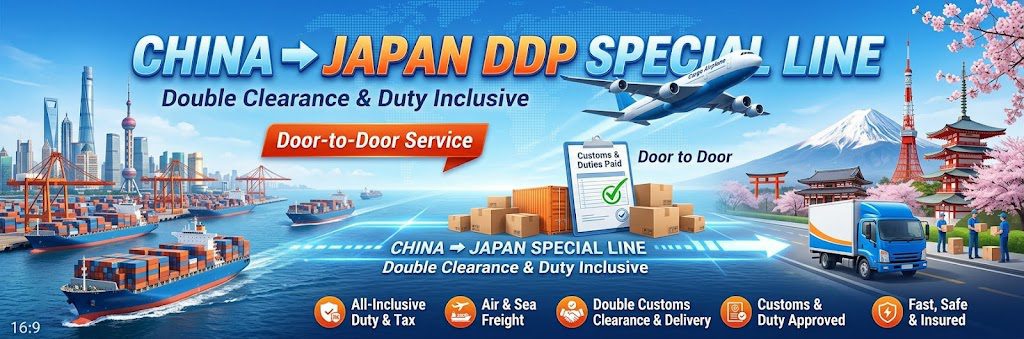
احصل على شروط DDP (التسليم مقابل رسوم التوصيل المدفوعة) مع شريك الشحن الخاص بك. بموجب DDP، يتحمل مزود الخدمات اللوجستية الخاص بك المسؤولية الكاملة عن التخليص الجمركي ودفع الرسوم الجمركية في الوجهة - مما يعني أن المشتري الأوروبي يتلقى سعرًا ثابتًا شاملًا للرسوم الجمركية دون فواتير مفاجئة في الميناء. في بيئة متقلبة التعريفات الجمركية، أصبحت شروط DDP بشكل متزايد عامل تفاضل تنافسي في محادثات المشترين، وليس مجرد تفضيل للشحن.
ضع في اعتبارك مركز توزيع إقليمي أوروبي. يمكن تسليم البضائع الموضوعة مسبقًا في مستودع جمركي أوروبي أو مركز استيفاء أوروبي إلى المشترين في الاتحاد الأوروبي في المهل الزمنية المحلية. ويقلل ذلك من مخاطر سلسلة التوريد المتصورة لمصادر التوريد الصينية المنشأ ويمنحك حاجزًا ضد التأخير في المعالجة الجمركية حيث أن الاتفاقية الجديدة تولد أحجام تفتيش جمركي أعلى في الاتحاد الأوروبي.
راجع تصنيفات رمز النظام المنسق قبل شهر يونيو. قد تؤثر تغييرات جدول التعريفة الجمركية المصاحبة للاتفاقية على معدلات الرسوم الجمركية التي تنطبق على فئات منتجاتك - بما في ذلك السلع غير الأمريكية. تكلفة تدقيق التصنيف الآن أقل بكثير من تكلفة نزاع إعادة التصنيف لاحقًا.
النافذة أقصر مما تبدو عليه
تستغرق معظم التغييرات اللوجستية ذات المغزى - شراكات الشحن الجديدة، واتفاقيات المراكز الأوروبية، وترتيبات خدمات DDP - من 60 إلى 90 يومًا لتنفيذها بشكل صحيح. لم يتبق على تصويت يونيو سوى أقل من شهر. سيقضي المصدرون الذين يتعاملون مع ذلك كتاريخ بداية وليس كموعد نهائي في اللحاق بالسوق الذي تحرك بالفعل.
فانتج فانتج فورواردينج العروض خدمات التخليص المزدوج DDP إلى كل من أوروبا والولايات المتحدة - التعامل مع الرسوم الجمركية، والتسليم في الميل الأخير، ووثائق الامتثال كترتيب واحد ثابت التكلفة من الصين. إذا كنت تعيد تقييم إعداداتك اللوجستية الأوروبية أو الأمريكية قبل الاتفاقية, تحدث مع فريقنا التجاري لمقارنة تكلفة الهبوط على طرق الشحن الحالية.
المصادر: الاتفاقية المؤقتة للبرلمان الأوروبي بشأن الإطار التجاري بين الاتحاد الأوروبي والولايات المتحدة (أغسطس 2025)؛ الجدول الزمني لتصديق مجلس الاتحاد الأوروبي في الربع الثاني من عام 2026
 English
  Chinese
  Arabic
  French
  German
  Portuguese
  Spanish