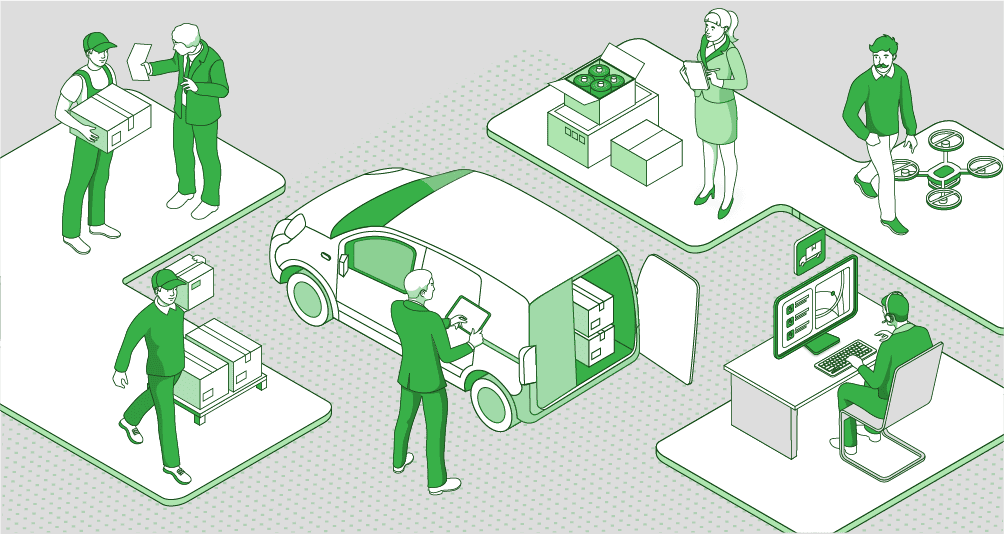
بصفتها المالكين والمشغلين الفعليين لأصول النقل (مثل سفن الحاويات أو الطائرات أو الشاحنات)، تتحمل شركات النقل مسؤولية إصدار مستندات النقل التي تثبت إبرام عقد النقل. أما وكلاء الشحن، فيعملون كوسطاء، حيث يقومون بحجز المساحة لدى شركات النقل نيابة عن الشاحنين، وتجميع البضائع الواردة من عدة شاحنين، وتنسيق المهام مثل إعداد المستندات والإقرارات الجمركية، مع القيام بدور نقطة الاتصال الوحيدة بالنسبة للشاحن.
في الواقع، بالنسبة للغالبية العظمى من البضائع المصدرة من الصين, ، يبرم الشاحنون عقود خدمات نقل شاملة مع وكلاء الشحن؛ ثم يبرم وكلاء الشحن، استنادًا إلى هذه العقود، اتفاقيات نقل منفصلة مع شركات النقل الفعلية المسؤولة عن المقاطع المختلفة من الرحلة.
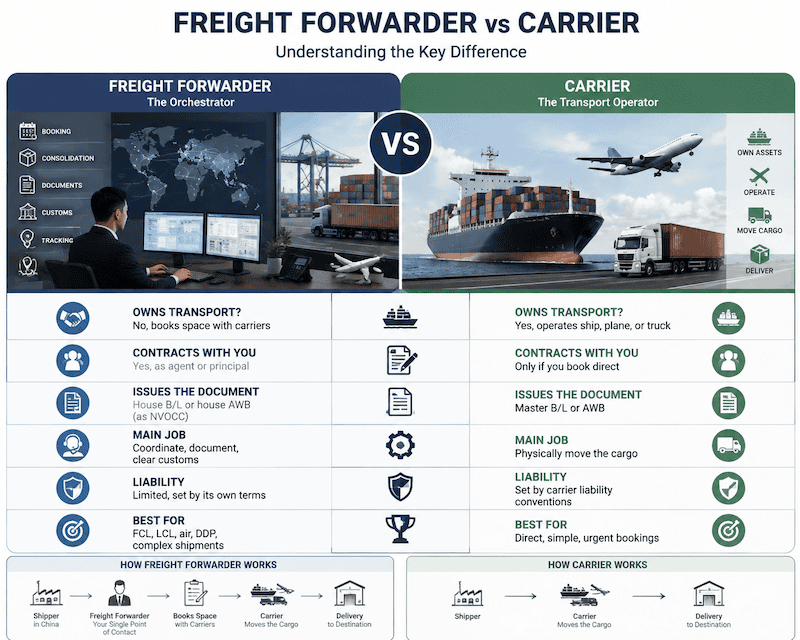
نظرة سريعة على الفرق الأساسي
| المظهر | وكيل شحن | الناقل |
|---|---|---|
| هل يمتلك وسيلة نقل؟ | لا، الكتب تُخزَّن مع حاملاتها | نعم، يقود السفن أو الطائرات أو الشاحنات |
| العقود المبرمة معك | نعم، بصفتي وكيلًا أو موكلًا | فقط في حالة الحجز المباشر |
| يصدر الوثيقة | بوليصة الشحن الداخلية (B/L) أو سند الشحن الجوي الداخلي (AWB) (بصفتنا ناقلًا بحريًّا غير مالك للسفن (NVOCC)) | بوليصة الشحن الأصلية (B/L) أو بوليصة الشحن الجوي (AWB) |
| الوظيفة الرئيسية | التنسيق، والتوثيق، وتخليص الجمارك | نقل البضائع يدويًّا |
| المسؤولية | محدودة، وفقًا لشروطها الخاصة | المعايير المنصوص عليها في اتفاقيات مسؤولية شركات النقل |
| الأفضل لـ | الشحن بالحاويات الكاملة (FCL)، والشحن بالحاويات الجزئية (LCL)، والشحن الجوي، وشروط التسليم "DDP"، والشحنات المعقدة | حجوزات مباشرة وبسيطة وعاجلة |
أبسط طريقة لتذكر ذلك: شركة النقل تنقل الصندوق، أما وكيل الشحن فيتولى إدارة العملية.
من الذي تدفع له فعليًّا
أنت تدفع للوكيل الشحن. والوكيل الشحن يدفع لشركة النقل. وتشمل عرض الأسعار الذي يقدمه الوكيل الشحن تكاليف الشحن التي تتحملها شركة النقل، ورسوم التوثيق، ورسوم المناولة في كل طرف من طرفي الشحنة، بالإضافة إلى هامش الربح الخاص بالوكيل الشحن. وعندما تقوم بالشحن عبر شركات البريد السريع مثل DHL أو FedEx أو UPS، فإن تلك الشركة تعمل بصفتها شركة نقل ووكيل شحن في آن واحد، ولهذا السبب تغطي فاتورة واحدة جميع التكاليف.
هذا التمييز مهم لميزانيتك. غالبًا ما يقدم وكيل الشحن عرض أسعار أقل من السعر المعلن للشركة الناقلة، لأنه يشتري مساحة شحن مجمعة لعدد كبير من العملاء ويحيل أسعار الحجم إلى العميل. المقابل لذلك هو أنك تكون بعيدًا خطوة واحدة عن الشحنة، لذا فإنك تعتمد على تنسيق وكيل الشحن.
الوكيل مقابل الموكل، ولماذا يؤثر ذلك على المسؤولية
يمكن لشركة الشحن أن تعمل بصفاتتين:
- بصفتي وكيلًا, ، يقوم وكيل الشحن بحجز مساحة الشحن نيابة عنك. ويُبرم عقد النقل بينك وبين شركة النقل. وتسري اتفاقيات مسؤولية شركة النقل، ولا يتحمل وكيل الشحن أي مسؤولية عن الفقدان أو التلف أثناء النقل.
- الرئيسية (على سبيل المثال، بصفته ناقلًا غير مالك للسفن (NVOCC) أو مشغل نقل متعدد الوسائط)، يقوم وكيل الشحن بإصدار مستنداته الخاصة ويتحمل المسؤولية عن عملية النقل بالكامل من الباب إلى الباب وفقًا لشروطه الخاصة.
توضح الوثيقة التي بحوزتك أيّ منهما ينطبق على حالتك. فبوليصة الشحن الرئيسية أو بوليصة الشحن الجوي تشير إلى مسؤولية الناقل، بينما تشير بوليصة الشحن الداخلية إلى شروط وكيل الشحن. اقرأ الجزء الخلفي من الوثيقة قبل أن تفترض من الذي يدين لك بماذا.
متى يجب اللجوء إلى وكيل شحن مقابل الحجز مباشرةً لدى شركة النقل
| استخدم وكيل الشحن متى | احجز وسيلة النقل مباشرةً عندما |
|---|---|
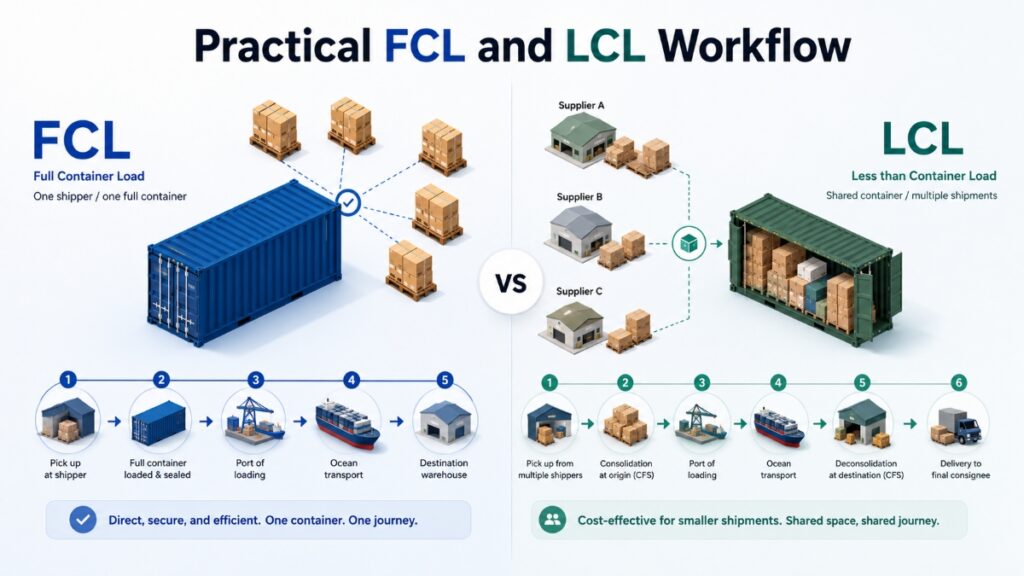
| تقومون بشحن حاويات كاملة (FCL) أو شحنات جزئية (LCL) أو شحن جوي مجمَّع | تقوم بإرسال طرد جوي واحد عاجل |
| تأتي البضائع من عدة موردين صينيين | لديك بالفعل عقد مع شركة اتصالات تفضلها |
| تحتاج إلى التخليص الجمركي في الوجهة | تريد أن تكون شهادة الشحن الجوي (AWB) الصادرة عن شركة النقل باسمك |
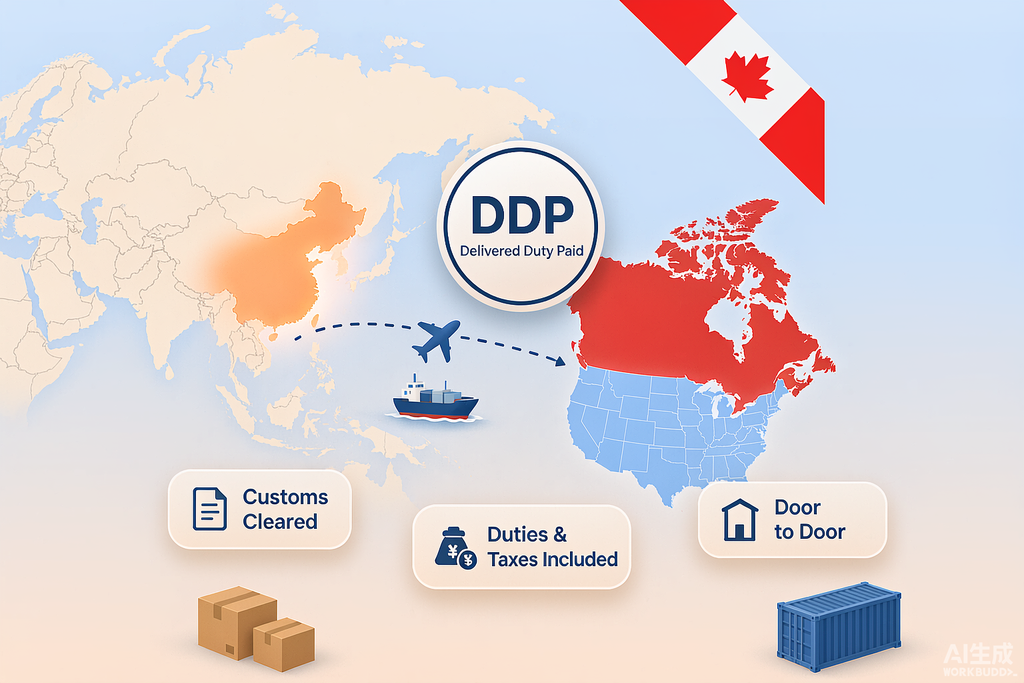
| هل تقوم بالشحن بنظام DDP أم تحتاج إلى خدمات مناولة DDP؟ | عملية الشحن بسيطة وتتم إدارتها ذاتيًا |
| أنت بحاجة إلى خدمة التجهيز لبرنامج "FBA" من أمازون أو خدمة المناولة في المستودعات الجمركية | لديكم طاقم لوجستي داخلي لتولي هذه المهمة |
بالنسبة لمعظم المستوردين الذين يشترون من عدة مصانع في الصين، يُعد وكيل الشحن الخيار العملي لأنه يتولى أعمال التنسيق. أما الحجوزات المباشرة لدى شركات النقل، فهي تناسب الشاحنين ذوي الخبرة الذين يتعاملون مع تدفقات شحن بسيطة ومتكررة.
المستندات: الشقة مقابل المنزل
توجد وثيقتان فوق بعضهما البعض:
- بوليصة الشحن الأصلية (B/L) / بوليصة الشحن الجوي (AWB) يُصدره الناقل إلى وكيل الشحن.
- المنزل B/L / HWB يتم إصدارها من قِبل وكيل الشحن (عندما يعمل بصفته ناقلًا غير مالك للسفن) إليك.
تقدم المستند الداخلي الخاص بك لإتمام الإجراءات الجمركية والإفراج عن البضائع. ويبقى المستند الرئيسي بين شركة النقل والوكيل الشحن. وإذا تم الإفراج عن بضائعك بناءً على أمر إفراج عبر التلكس، فإن نفس المنطق ينطبق: تقوم شركة النقل بالإفراج عن البضائع للوكيل الشحن، ويقوم الوكيل الشحن بدوره بالإفراج عنها لك بناءً على المستند الداخلي الخاص به.
كيف تتناسب شركة «فانتاج فورواردينج» مع ذلك
نحن شركة وكيل الشحن, ، ولسنا شركة نقل. فنحن لا نملك سفنًا أو طائرات. بل نستأجر مساحة شحن من شركات النقل البحري والجوي، ونقوم بتجميع بضائعكم مع واردات أخرى حيثما كان ذلك موفرًا للتكلفة، ونتولى إجراءات التخليص الجمركي في المملكة المتحدة والولايات المتحدة والاتحاد الأوروبي، ونقدم لكم عرض أسعار واحدًا وجهة اتصال واحدة. وعندما نعمل بصفتنا الطرف الرئيسي في شحنة مجمعة، فإننا نصدر مستنداتنا الداخلية الخاصة ونضمن عملية النقل من الباب إلى الباب وفقًا لشروطنا. وإذا كنت تمتلك بالفعل عقدًا مع شركة نقل، فيمكننا أن نعمل كوكيل لك لإدارة الحجز والإجراءات الورقية بدلاً من ذلك.
الأسئلة الشائعة
هل يمكن لشركة الشحن أن تقدم عرض أسعار أقل من شركة النقل؟
غالبًا ما يكون الأمر كذلك، لأن شركات الشحن تشتري مساحات مجمعة وتطبق أسعار الحجم. ويعتمد مقدار التوفير على حجم الشحنة والمسار.
من الذي أرفع عليه دعوى في حالة فقدان البضائع؟
يعتمد ذلك على ما إذا كان وكيل الشحن يعمل بصفته وكيلاً أم طرفاً أصلياً. تحقق مما إذا كنت تحمل مستنداً رئيسياً أم مستنداً داخلياً، ثم اطلع على الشروط السارية. وفي حالة وجود أي شك، اسأل وكيل الشحن عن المستند الذي يحكم شحنتك قبل إجراء الحجز.
هل شركة DHL شركة شحن أم وكيل شحن؟
بالنسبة للطرود السريعة، تقوم شركة DHL بدور الطرفين معًا. أما بالنسبة للشحن البحري أو الشحن الجوي للبضائع الثقيلة، فإن شركة DHL ومنافسيها يعملون بشكل أشبه بوكلاء الشحن الذين يتعاقدون مع شركات النقل الأساسية.
هل يؤدي استخدام شركة شحن إلى إبطاء العملية؟
ليس عادةً. فالشركة الجيدة المتخصصة في الشحن تُقصر المدة الإجمالية من خلال إنهاء الإجراءات الجمركية مسبقًا وتجميع الشحنات. أما التأخيرات فتنجم عن المستندات الناقصة، وليس عن نموذج عمل شركة الشحن بحد ذاته.
المصادر وإخلاء المسؤولية
- هيئة الجمارك وحماية الحدود الأمريكية (CBP)، أساسيات الاستيراد والتصدير (التمييز بين وكيل الشحن والوسيط الجمركي)
- الاتحاد الدولي لوكلاء الشحن (FIATA)
هذه المقالة عبارة عن إرشادات عامة، وليست مشورة قانونية. تختلف شروط المسؤولية باختلاف العقد والوثيقة التي بحوزتك. تأكد من التفاصيل مع وكيل الشحن الخاص بك واقرأ شروط النقل قبل الشحن.
بقلم فانتج فانتج فورواردينج الفريق. تمت صياغة هذه المقالة بمساعدة الذكاء الاصطناعي فيما يتعلق بالبنية والتحرير، ثم تمت مراجعتها والموافقة عليها من قبل فريق العمل لدينا قبل نشرها.
 English
  Chinese
  Arabic
  French
  German
  Portuguese
  Spanish