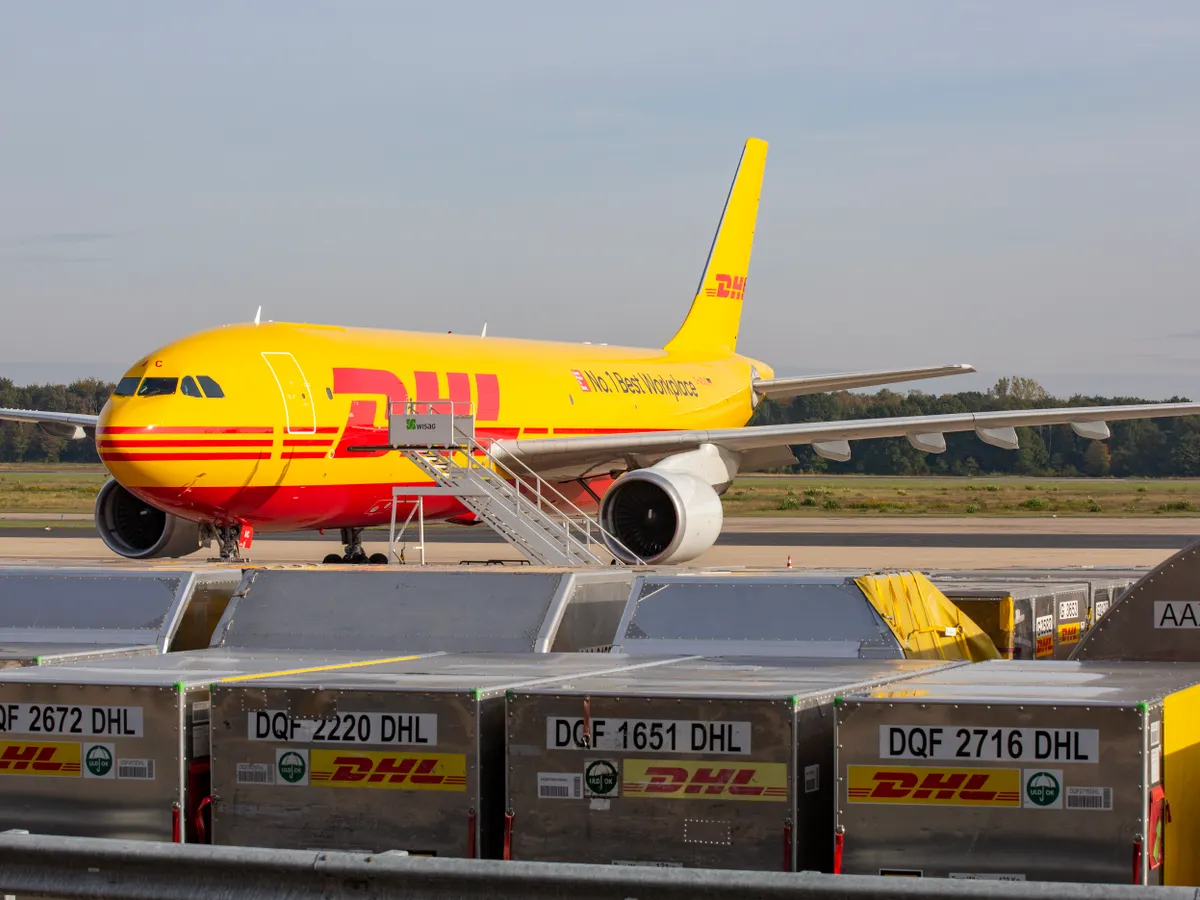
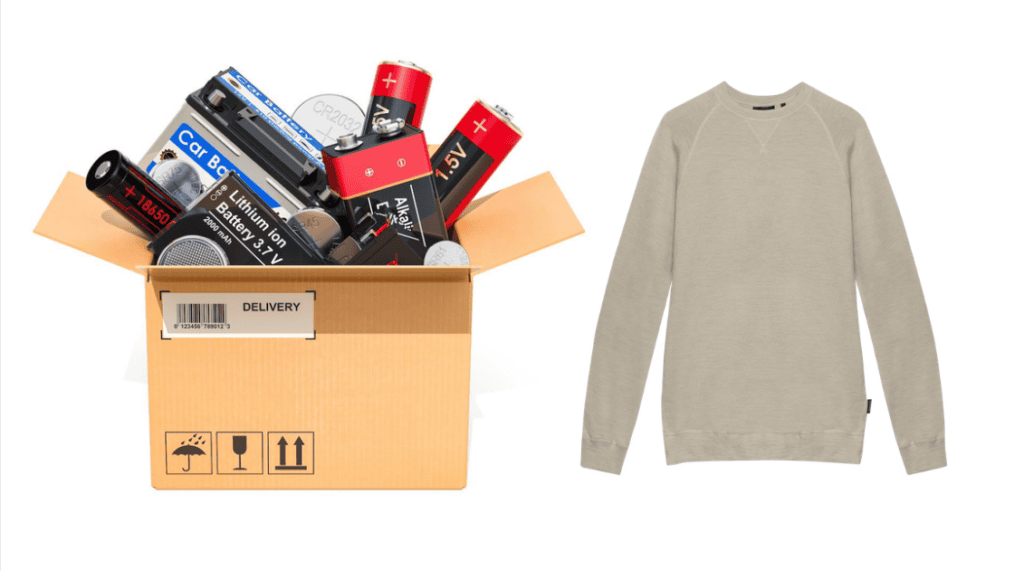
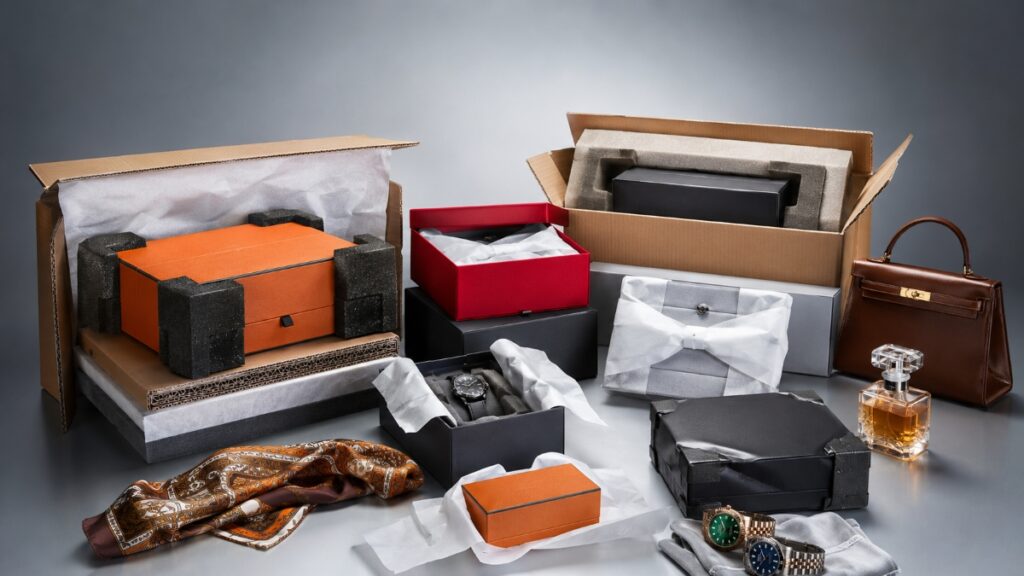
A power bank, a cotton T-shirt, a solid-oak table, and a $20,000 watch do not clear customs the same way. They do not pack the same way either, and two of them may not even ride the same aircraft. This guide sorts the main product categories so you can estimate duty, plan compliance, and brief your forwarder before you book space.
At Vantage Forwarding we see the same pattern on almost every China-to-U.S. shipment: the product type, not the weight, decides the paperwork, the packing, and often the aircraft. The four categories below each have a full deep dive.
- Lithium battery and device shipments by air
- Textiles and apparel import duties
- Furniture and oversized cargo by ocean
- High-value and luxury goods under DDP
Category drives cost more than weight
Two cartons can weigh the same and still cost very differently to import.
A 20 kg box of synthetic garments and a 20 kg box of wool suits can land duties that differ by more than 20 points. A 20 kg case of loose lithium cells may not move on a passenger plane at all. A $20,000 watch needs insurance that a $200 phone case does not.
When we price a shipment, the first question is what the product is, not how heavy it is. Plan the shipment around the product, then pick the carrier.
The four categories at a glance
| Category | Main rule that surprises importers | Typical extra cost | Deep dive |
|---|---|---|---|
| Battery goods | Standalone cells are banned as cargo on passenger aircraft; UN38.3 summary required | Dangerous-goods handling fee, cargo-only aircraft surcharge | Lithium by air |
| Apparel | Base duty 10–32%, then Section 301 adds 7.5–25% | Up to ~57% combined on some wool items | Textile duties |
| Furniture | Wood crates need the ISPM-15 mark; residential drop needs a liftgate | Crating $80–300, liftgate $60–140 | Furniture by ocean |
| High-value | DDP keeps seller risk to the buyer’s door; insure to 110% of CIF | Premium 0.3–1% of value | Luxury under DDP |
Reading the “Typical extra cost” column. These figures cover the add-ons beyond line-haul freight. The low end applies to well-documented, straightforward shipments: clean paperwork, no dangerous goods, and dock-to-dock delivery. The high end appears when wood needs heat treatment, a residential drop needs a liftgate, or dangerous-goods handling is involved. We quote the exact number after we see the product, the declared value, and the delivery address, not before.
Start with the duty, then the packing
Duty is set by the HTS code, and the HTS code is set by what the product is made of. Fabric blend decides apparel duty. Battery chemistry decides whether air freight is even an option. You can look up the base rate on the USITC Harmonized Tariff Schedule and confirm entry steps with U.S. Customs and Border Protection.
If you are new to the duty side, read the 2026 import duties guide first. It covers HS codes, Section 301, UFLPA, and legal ways to lower duty.
Match the category to a shipping method
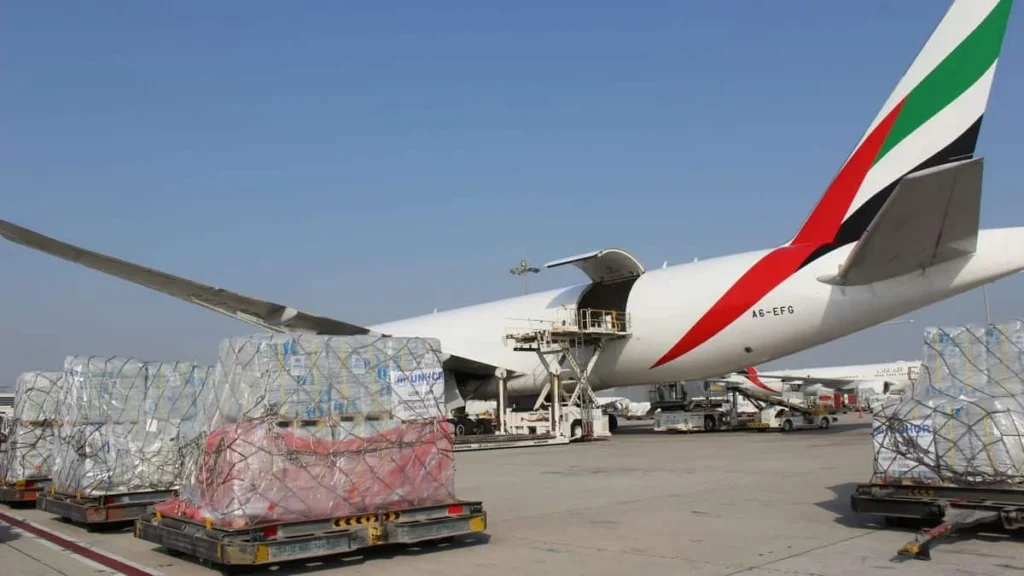
Battery goods under about 100 Wh per battery usually go by air as Section II. Bulky furniture almost always goes by ocean FCL. High-value small goods can go either way, but DDP terms change who carries the insurance.
When you brief us, we ask three things before we quote: the battery Wh rating, whether the cells are loose or packed with equipment, and whether the UN38.3 summary is on file. That short list decides air, sea, or a mix. The shipping method decision guide compares air, sea, FCL, LCL, and DDP vs DDU in detail.
What to hand your forwarder
When you ask us for a quote, we will ask you for these details per category:
- Battery goods: cell and battery Wh rating, whether the cells are loose or packed with equipment, and whether the UN38.3 test summary is on file.
- Apparel: fabric composition by percentage, knit vs woven, and the country-of-origin marking.
- Furniture: dimensions and weight per piece, solid wood vs panel construction, and residential vs dock delivery.
- High-value: declared value, desired coverage (all-risk), and any chain-of-custody need.
If anything in that list is missing, we tell you before we book space, not after. A written quote that itemizes duty, freight, and insurance per the DDP vs DDU breakdown avoids most surprises at the destination.
Where these rules come from
We check every figure in this guide against the source agencies below. Treat the rates as planning references and confirm against a written quote before booking.
- U.S. Customs and Border Protection: entry, duty, and brokerage rules.
- Office of the U.S. Trade Representative, Section 301: the tariff lists that stack on base duty.
- IATA Dangerous Goods Regulations and ICAO Technical Instructions: the air rules for batteries.
- FAO/IPPC ISPM-15: the wood-packaging heat-treatment standard U.S. ports enforce.

 English
  Chinese
  Arabic
  French
  German
  Portuguese
  Spanish