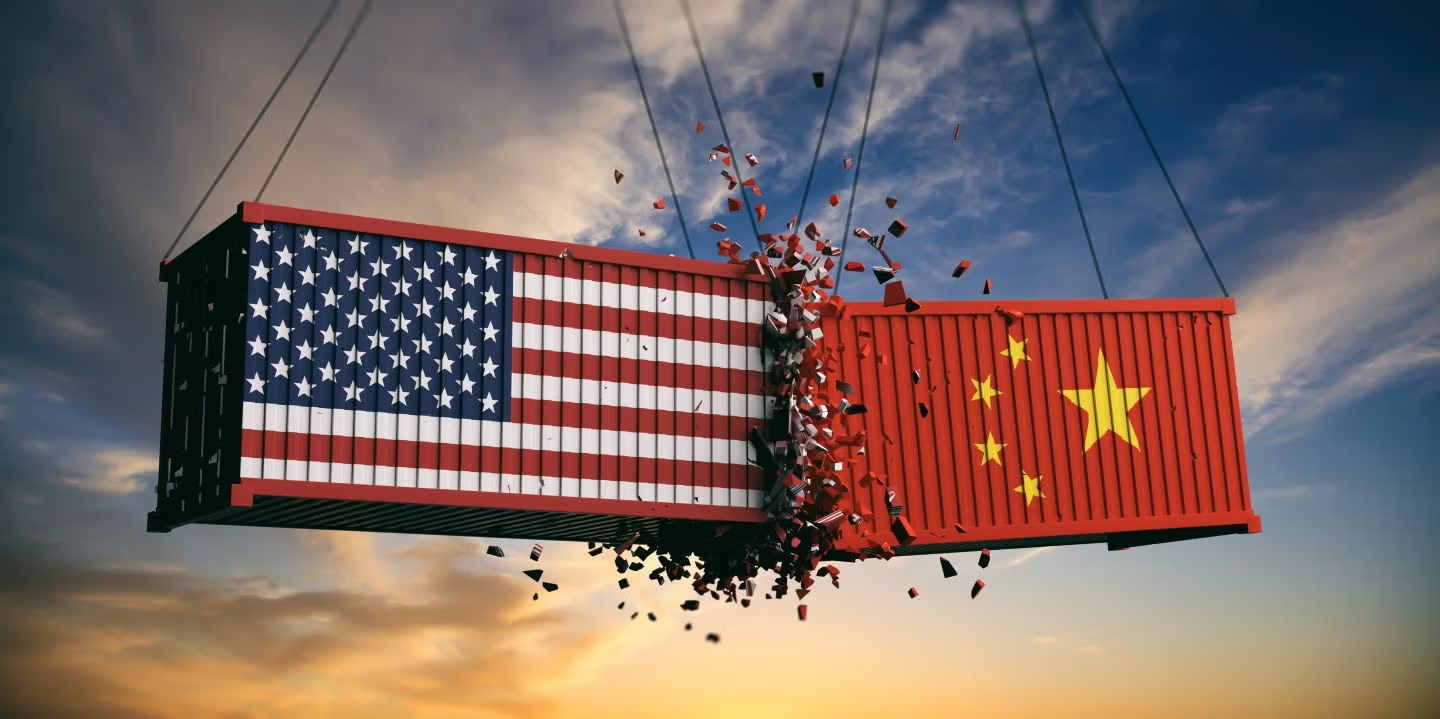
Most Chinese apparel enters the U.S. at 10–32% duty based on what it is made of, then Section 301 adds 7.5–25% on top. The single biggest cost lever is the fabric composition and whether the garment is knit or woven, because that decides the HTS code.
This guide breaks down the rate band and the mistakes that trigger penalties.
The rate band by product
| HTS range | Product | General duty (2026 ref) | What moves it |
|---|---|---|---|
| 6109 | Cotton T-shirts (knit) | 16.5% | Cotton content |
| 6110 | Sweaters (knit) | 12% synthetic to 32% wool | Fiber type |
| 6203 | Men’s suits (woven) | up to ~30.3% wool | Wool blend |
| 6204 | Women’s suits (woven) | 12–30% | Fiber type |
| 6205 | Men’s shirts (woven) | 16.5% cotton | Cotton content |
| 6206 | Women’s blouses (woven) | 16.5% cotton | Cotton content |
Synthetic knits sit at the low end near 12–16%. Wool blends push toward 30% and above. Cotton sits in the middle but above most synthetics.
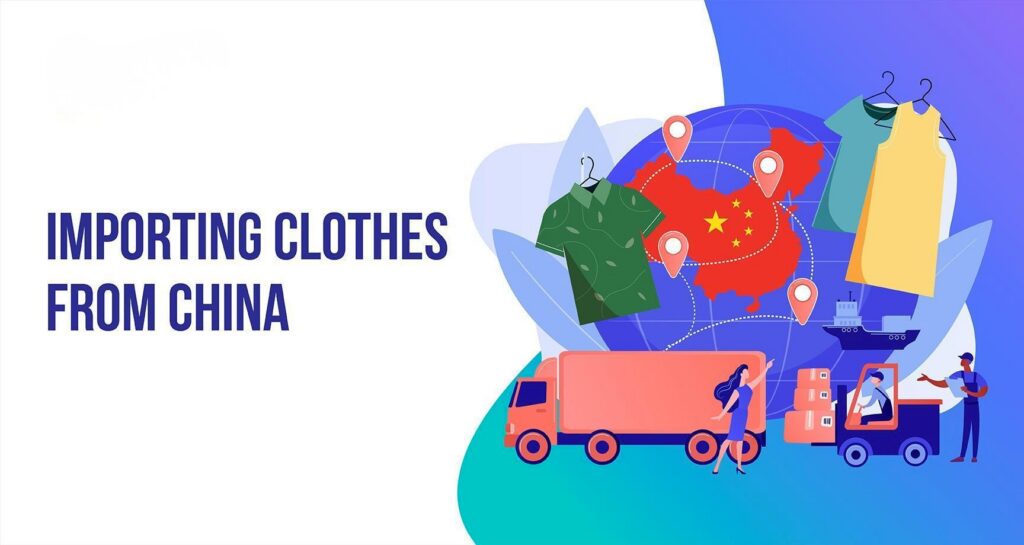
Section 301 stacks on top
Most apparel falls under Section 301 List 3 or List 4A, adding 7.5% to 25% on top of the base MFN rate. A cotton T-shirt at 16.5% plus a 7.5% List 4A surcharge lands at 24% all-in before MPF and HMF.
Check the exact list using your HTS subheading at the USTR Section 301 product annex, because the lists shift with exclusion updates.
MPF and HMF add a fixed slice
On top of duty, CBP charges:
- MPF: 0.3464% of value, with a minimum near $32.71 and a maximum near $634.62. These limits are indexed each October, so verify the 2026 figures.
- HMF: 0.125% of value, with no minimum or maximum.
A $10,000 apparel shipment at 24% duty pays $2,400 duty, about $34.64 MPF, and $12.50 HMF. The percentage fees are small next to the duty, but they still show on the entry.
How we classify apparel at Vantage Forwarding
When we classify a garment, we start from the mill certificate, not the supplier’s description. The fiber split, knit vs woven, and garment type set the HTS subheading, and the subheading sets the duty. We confirm the Section 301 list against the USTR annex before we quote, because the surcharge moves the all-in rate by up to 25 points. Mislabeling the fiber to chase a lower rate is the most expensive mistake we see in this category.
Fabric content decides the code
The HTS subheading is driven by fiber percentage, knit vs woven, and garment type. You can look up the base rate for your subheading in the USITC Harmonized Tariff Schedule. A “cotton-poly blend” must declare the actual split, because the code follows the chief-weight fiber.
Country of origin marking (19 CFR 134) and, for wool, the Wool Products Labeling Act also apply. Get the composition wrong and the entry is wrong.
A $4,800 penalty from a wrong blend
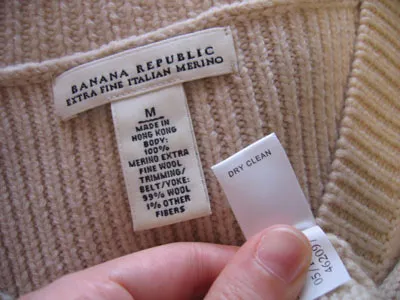
In 2025, a Los Angeles importer declared a batch of T-shirts as synthetic-only to use the lower rate. CBP laboratory testing showed 60% cotton. The entry was reclassified to the 16.5% cotton code, the duty difference was billed, and a penalty of about $4,800 was assessed for the misdescription.
The combined rate on a wool item can reach roughly 57% once Section 301 stacks on the base duty, which is why the chief-weight fiber matters so much. The fix costs nothing upfront: a mill certificate stating the real fiber split, attached to the entry.
Legal ways to lower the bill
Accurate classification is the first step. Beyond that, the legal duty-reduction guide covers trade agreements, bonded warehousing, and drawback without touching valuation or origin.
Authoritative sources to verify against
- U.S. Customs and Border Protection: https://www.cbp.gov/trade/basic-import-export
- Office of the U.S. Trade Representative, Section 301: https://ustr.gov/issue-areas/enforcement/section-301-investigations/tariff-actions
- USITC Harmonized Tariff Schedule: https://hts.usitc.gov/
 English
  Chinese
  Arabic
  French
  German
  Portuguese
  Spanish