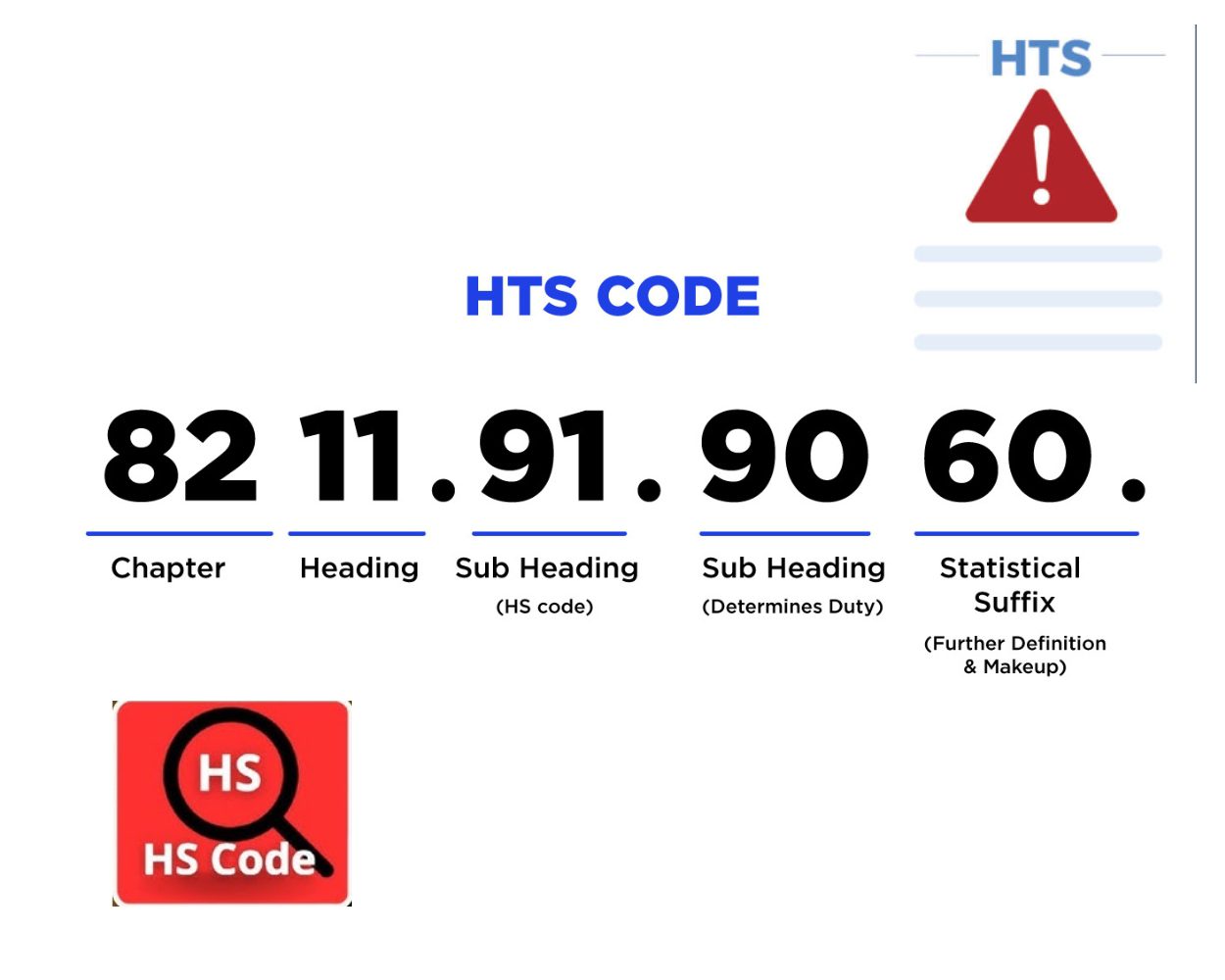
A single wrong digit in your HS code can turn a routine clearance into a five-figure penalty, a seized container, and a compliance record that follows your business for years.
For China-based shippers selling into the US, EU, and UK, the end of de minimis means every parcel now needs a correct customs entry — and the HS code is the field customs scrutinizes hardest, because it decides how much duty you pay. This article explains what goes wrong, what it costs, and how to keep your classifications clean.
Table of contents
- What an HS code actually does
- How misclassification happens
- The penalties: US, EU, and UK
- The hidden cost: records and audits
- A worked example
- How to get classification right
- Red line: never “optimize” with the wrong code
- FAQ
What an HS code actually does
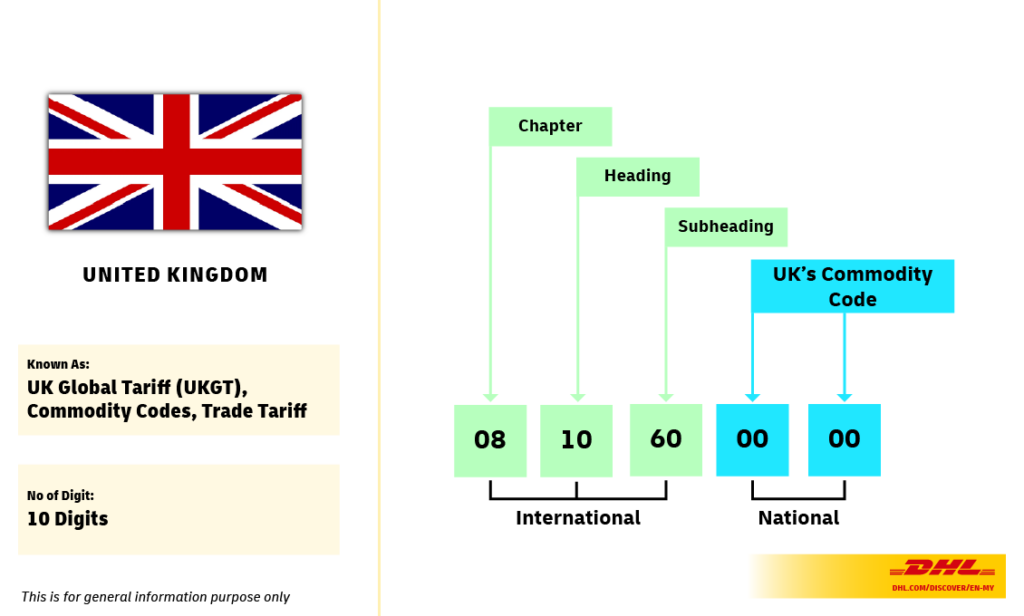
The Harmonized System (HS) code is a standardized number used worldwide to classify traded goods. Most countries extend it:
- US: the 10-digit HTS (Harmonized Tariff Schedule) code.
- EU: the TARIC / CN code (usually 8–10 digits).
- UK: the UK Integrated Online Tariff code.
The code drives:
– the base duty rate,
– whether additional tariffs (e.g., US Section 301) apply,
– whether VAT/GST or anti-dumping duties are triggered,
– and whether the product needs special licenses (e.g., electronics, textiles, chemicals).
Get the code wrong and you get the rate wrong — in both directions.
How misclassification happens
Most errors are not malicious. The common paths:
- Guessing from a product name. “Wireless earbuds” could fall under several headings depending on function and components.
- Copying a marketplace default. Platforms sometimes suggest a generic code that fits the listing, not the actual product.
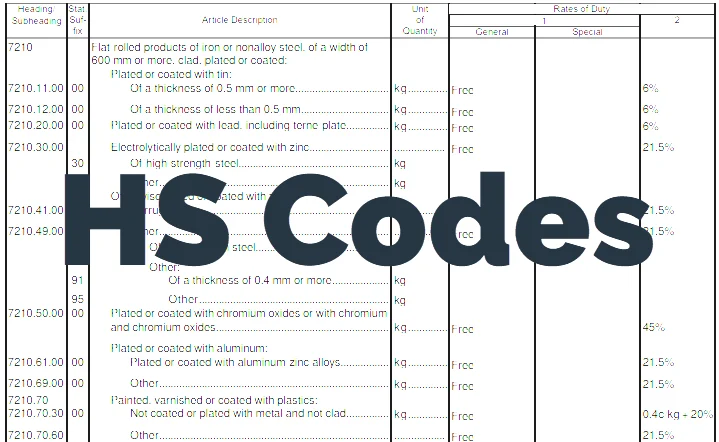
- Transposed or truncated digits. A 10-digit HTS code is easy to mistype.
- Using last year’s code. Tariff schedules are revised annually; a code that worked in 2024 may be reclassified in 2026.
- Deliberately picking a lower-rate code. This is not an “error” — it is customs fraud (see the red line below).
The first four are fixable. The fifth is a legal problem.
The penalties: US, EU, and UK
United States (CBP)
Under 19 U.S.C. § 1592, CBP penalizes false or inaccurate declarations based on the degree of fault:
| Fault level | Typical penalty |
|---|---|
| Negligence | Up to 2× the loss of revenue |
| Gross negligence | Up to 4× the loss of revenue |
| Fraud | Up to 4× the loss of revenue, plus possible criminal referral |
“Loss of revenue” means the duty you should have paid minus what you paid. On a high-volume shipment, even a 1–2% rate gap multiplies fast. CBP can also seize the merchandise and pursue liquidated damages against your customs bond.
European Union
An incorrect declaration creates a customs debt — the member state recovers the duties due, often with interest and an additional penalty that varies by country (commonly a multiple of the underpaid amount or a fixed schedule). Repeat or intentional errors draw larger fines and can trigger a post-clearance audit.
United Kingdom
HMRC treats misclassification under the Customs (Import Duty) (EU Exit) Regulations. Underpaid duty is recovered, and penalties scale from a percentage of the underpayment (for carelessness) up to much higher amounts for deliberate misstatement, plus possible civil evasion penalties.
The hidden cost: records and audits
Penalties are only part of the exposure. Customs authorities can look back:
- US: importers must keep entry and supporting records for 5 years (19 U.S.C. § 1508/1509). CBP can audit any entry in that window.
- EU/UK: similar multi-year record-keeping and post-clearance control periods apply.
A single misclassified shipment rarely stays isolated — once flagged, customs may target your other entries, multiplying both the review burden and the potential liability.
A worked example
Assume a China-origin product correctly classified at a 5% base duty, but entered under a similar-looking code carrying 0%. Value: $80,000.
- Duty correctly due: $4,000.
- Duty paid: $0.
- Revenue loss: $4,000.
- Negligent penalty (up to 2×): up to $8,000.
- Gross-negligence penalty (up to 4×): up to $16,000.
And that is for one shipment. A pattern across a year of imports compounds quickly — and the 5-year look-back means today’s shortcut can surface in an audit long after the goods have sold.
How to get classification right
Practical steps that eliminate most risk:
- Use a licensed customs broker. For US-bound freight, a broker confirms the HTS code against the actual product specification, not the listing title.
- Request a binding ruling. US importers can file for a Binding Ruling from CBP (and equivalents exist in the EU/UK) that fixes the classification for your product.
- Keep a classification file per SKU. Store the code, the ruling (if any), and the reasoning. This is your defense if customs questions an entry.
- Re-check annually. Tariff schedules change; a January review catches reclassifications before they bite.
- Make classification part of DDP quoting. Under DDP, your forwarder acts as importer of record — confirm they classify correctly before they file the entry.
See our 2026 Import Duties & Compliance Guide for the full landed-cost picture, and Section 301 Tariffs for the additional US duties that ride on top of the base rate.
Red line: never “optimize” with the wrong code
Picking a lower-rate HS code to reduce duty is customs fraud, not optimization. It carries the highest penalty tier, seizure risk, and (in forced-labor cases) personal liability. It also violates Google’s YMYL standards and will get content delisted. Vantage does not assist with misclassification for duty avoidance, and we will not knowingly file an entry under an incorrect code.
The compliant win is the opposite: the correct code often reveals the true — sometimes lower — rate, and it protects you from penalties entirely.
FAQ
What if I used the wrong code by mistake?
Voluntarily disclosing and correcting before customs finds it (through CBP’s Informed Compliance / prior disclosure channels, or the local equivalent) generally reduces exposure versus waiting for an audit.
Does de minimis ending make this more important?
Yes. When low-value parcels skipped formal entry, classification mattered less. Now every parcel is an entry — so every code is scrutinized.
Can my freight forwarder handle classification?
A compliant forwarder (acting as importer of record under DDP) should classify as part of filing the entry, but the importer remains responsible. Keep your own classification file.
Where do I get current US rates?
From the official HTS schedule and a written broker quote. Our duty calculator gives a planning estimate only.
Related guides
- 2026 Import Duties & Compliance Guide
- Section 301 Tariffs: Are They in Your DDP Quote?
- UFLPA Explained: Forced-Labor Compliance for China Imports
- How to Legally Lower Import Duties from China
- Destination pages: USA · Germany · UK
Published by the Vantage Forwarding Trade Desk. Rates, codes, and penalty frameworks change — verify the current HTS/HS code and exposure with a licensed broker before shipping. For a compliant routing and classification plan, contact us.
 English
  Chinese
  Arabic
  French
  German
  Portuguese
  Spanish