UFLPA Explained: Forced-Labor Compliance for China Imports
Vantage Forwarding
The UFLPA creates a rebuttable presumption that goods from Xinjiang or listed entities are made with forced labor. Here's the
Since June 2022, US Customs and Border Protection (CBP) has detained a growing share of China-origin shipments at the border — not for duty, but for forced labor.
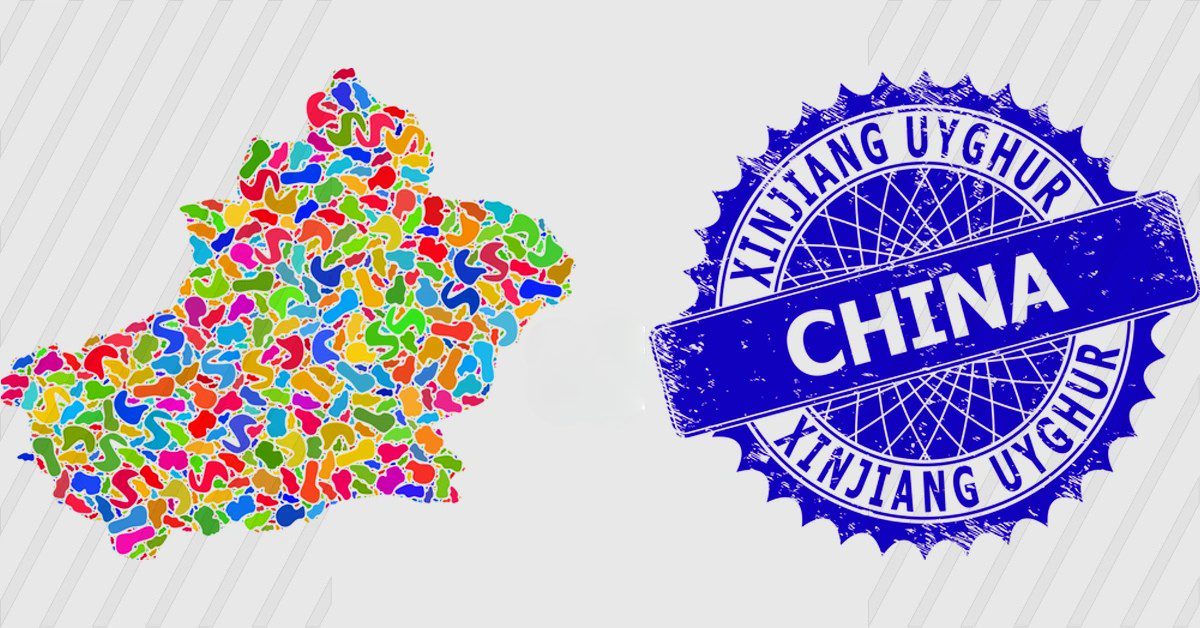
The law is the Uyghur Forced Labor Prevention Act (UFLPA). Its core rule is simple and harsh: goods linked to Xinjiang or to entities on a published list are presumed to be made with forced labor, and CBP can detain them unless the importer proves otherwise.
For China-based exporters and the forwarders who move their goods, UFLPA is now a routine clearance gate. This article explains what it covers, which products are highest risk, and the documentation that gets cargo released.
The Uyghur Forced Labor Prevention Act, signed into law in December 2021 and effective June 21, 2022, shifts the burden of proof onto the importer.
It bars imports of goods made wholly or in part with forced labor in the Xinjiang region.
It also bars goods from entities on the UFLPA Entity List (maintained by the US Department of Homeland Security), wherever they operate.
It applies the rebuttable presumption that such goods are forbidden — meaning CBP can detain first and ask the importer to prove a clean supply chain.
This is a withhold-release / detention regime, not a duty. The cost is delay, storage, and sometimes total loss of the goods.
The rebuttable presumption
“Rebuttable presumption” means: CBP assumes the worst unless you show otherwise. To get detained goods released, the importer must provide clear and convincing evidence that:
The goods were not made with forced labor, and
They have no connection to Xinjiang or a listed entity — including through components and raw materials.
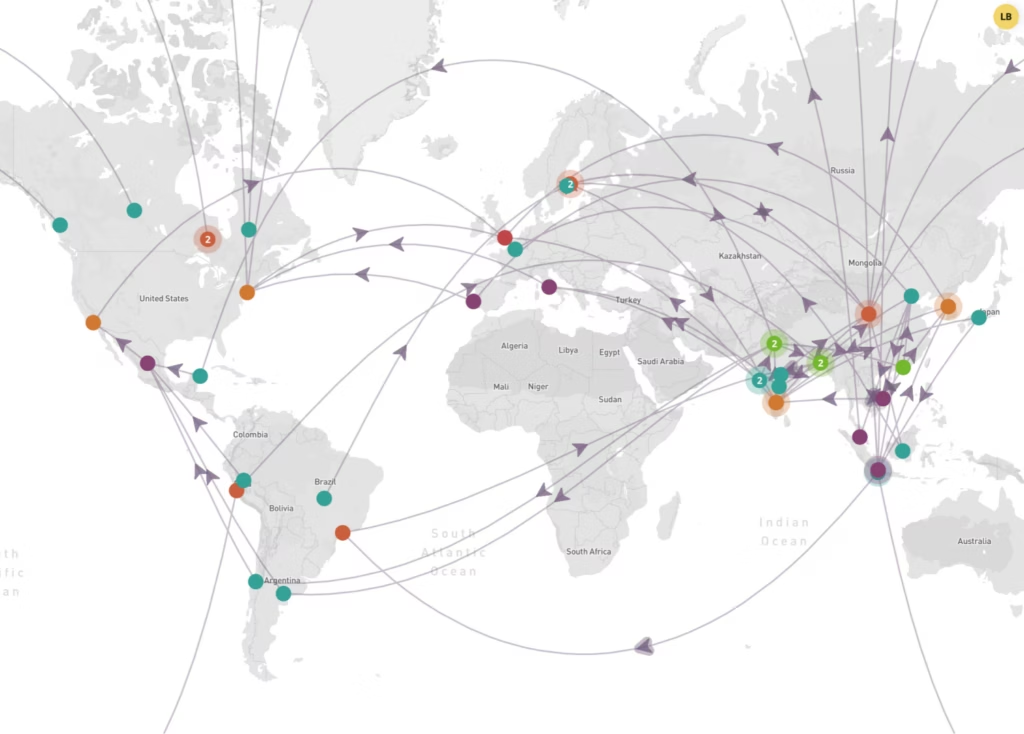
Because modern supply chains are layered (a garment’s cotton, a solar panel’s polysilicon, an electronics unit’s aluminum), the proof must usually extend upstream, not just to the factory that shipped the carton.
High-risk product categories
CBP has prioritized sectors with known Xinjiang exposure. Common high-risk inputs:
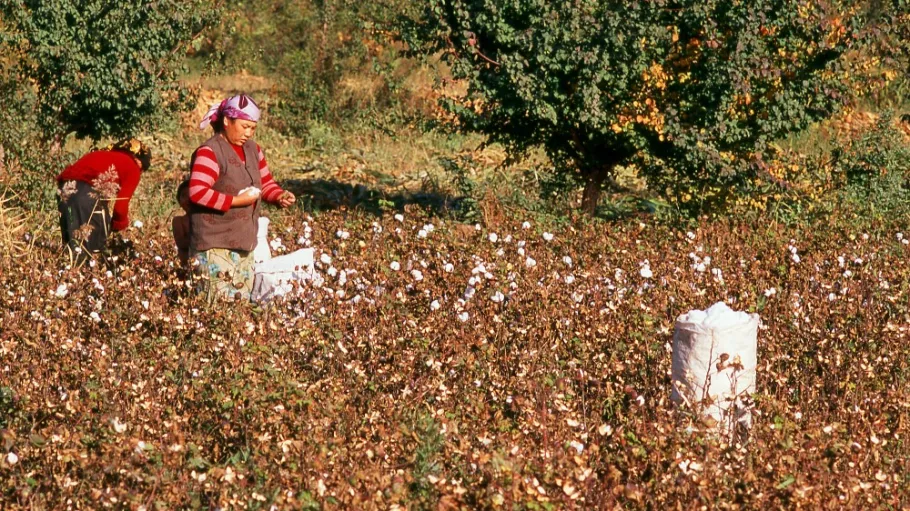
Cotton and cotton products — apparel, home textiles.
Tomatoes and tomato products — including derivatives used as ingredients.
Polysilicon — solar modules and related electronics.
Aluminum — extrusions, components.
PVC and other chemicals — used across manufacturing.
Any finished good incorporating the above — the presumption can extend through components.
This is not an exhaustive list; CBP’s targeting evolves. The safe approach is to map your supply chain for these inputs regardless of final product.
The evidence CBP expects
There is no single form. CBP looks for a supply-chain traceability package. A strong file typically includes:
A supplier list with names, addresses, and roles for every tier.
Purchase orders and invoices linking the importer to the supplier.
Mill or production certificates identifying where raw materials were processed.
Material declarations stating country of origin of inputs (e.g., cotton, polysilicon).
Due-diligence records — audits, supplier questionnaires, third-party verification.
A clear chain of custody from raw material to finished shipment.
The more a product sits in a high-risk category, the stronger (and more independent) the evidence needs to be.
What DDP shippers must do
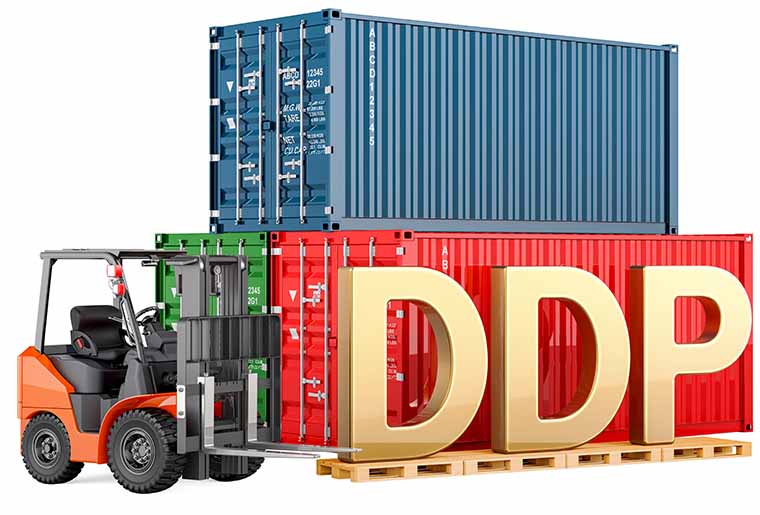
Under DDP, your forwarder or entity is the importer of record and owns clearance — including UFLPA exposure. That makes three things non-negotiable:
Know your SKU inputs. If a product contains cotton, polysilicon, aluminum, or PVC, the forwarder needs the traceability file before filing entry.
Keep the file with the shipment. CBP can request it at any port; delays spike if it is not ready.
Choose a forwarder with a compliance process. A DDP partner that files entries without origin diligence is a liability, not a convenience.
Collect supplier declarations at onboarding, not at the border.
Request mill certificates for raw materials where risk is highest.
Run a periodic re-check — entity lists and CBP priorities change.
Store everything per shipment so it can be produced on detention.
The goal is not perfect paperwork; it is credible, traceable evidence that the goods have no forced-labor connection.
Red line: don’t disguise origin
Under no circumstances should goods be routed through a third country, relabeled, or documented to disguise a Xinjiang or listed-entity connection. That is not compliance — it is fraud with severe consequences, including seizure, penalties, debarment, and personal liability. The compliant path is traceability and, where a product cannot be evidenced as clean, not shipping it through the US. For the legal cost levers, see How to Legally Lower Import Duties.
FAQ
Does UFLPA apply to the EU or UK?
The UFLPA is a US law. The EU and UK have their own forced-labor and human-rights import proposals, but the detention regime described here is US-specific.
What if my factory says it doesn’t use Xinjiang material?
A verbal assurance is not evidence. CBP expects documentation tracing inputs to their source — a supplier statement alone is usually insufficient for high-risk categories.
Can DDP protect me from UFLPA detention?
No Incoterm removes the law. Under DDP the importer of record (often your forwarder) faces the detention; make sure your agreement clarifies who provides the traceability file.
How long does release take?
It varies widely. A complete, credible file speeds release; a thin one can mean months of storage or abandonment.
Published by the Vantage Forwarding Trade Desk. UFLPA enforcement and entity lists change — verify current requirements with a licensed trade attorney before shipping to the US. For a compliance-aware routing plan, contact us.
Hello! How can we assist you with your special cargo shipping today?
Please share your cargo type (lithium batteries, branded goods, or liquids), destination, and any special requirements. We'll reply with a quote and process shortly.
Send Message
Vantage Forwarding • Usually replies within 2 hours

 English
  Chinese
  Arabic
  French
  German
  Portuguese
  Spanish