
Disclaimer: This guide is informational only, not legal or tax advice. Duty rates and thresholds change frequently in 2025–2026; always confirm with a licensed customs broker and in a written quote before shipping.
If you ship goods from China to the US, EU, or UK, 2026 is the year the old playbook expired. The duty-free “small parcel” loophole is gone in the world’s two largest consumer markets, US tariffs on Chinese origin remain elevated, and customs authorities are demanding more documentation and traceability than ever.
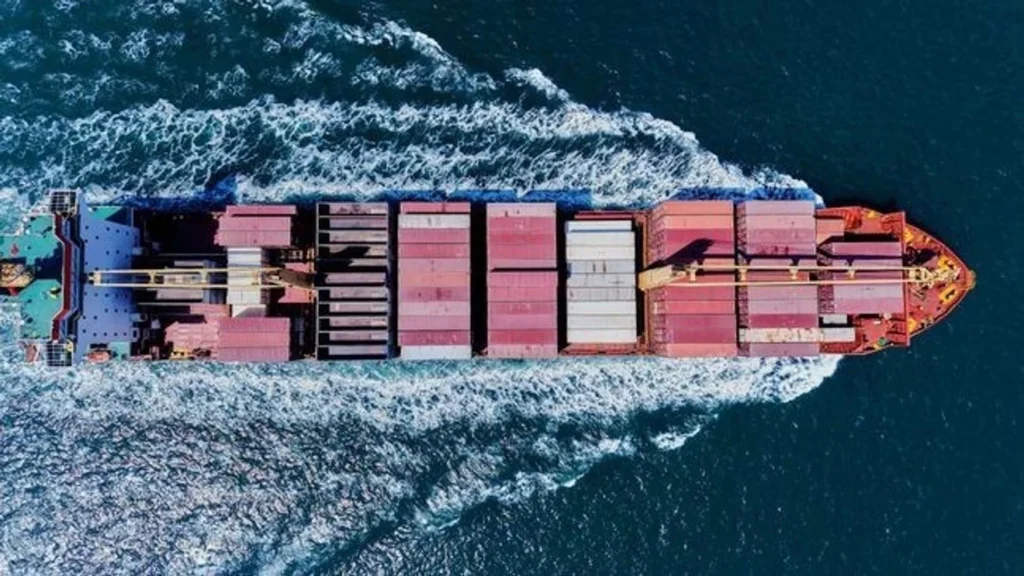
This guide is the hub for our import-duty content. It explains what you actually pay, what changed in 2026, how to stay compliant, and the legal ways to keep your landed cost under control. Use it as your reference, then follow the links to the deep-dive articles.
Table of contents
- What “import duty” actually means
- The 2026 duty landscape by destination
- The end of de minimis (why your old model broke)
- Compliance: what customs now requires
- Legal ways to reduce landed cost
- Red lines: what never to do
- Your 2026 import compliance checklist
- FAQ
What “import duty” actually means
When a shipment crosses a border, the importer usually pays several separate charges. Understanding each one stops nasty surprises:
- Customs duty — a percentage of the goods’ value (or sometimes a flat fee), set by the product’s HS code (harmonized tariff schedule number).
- Additional tariffs — extra duties on specific origins or products. For China origin into the US, this includes Section 301 duties (often 7.5%–25% on top of the base rate).
- VAT / GST — a consumption tax. The EU applies VAT (e.g., 19% Germany, 21% France); the UK applies VAT (20%); Australia applies GST (10%); Japan applies consumption tax (10%).
- MPF / HMF — US Merchandise Processing Fee and Harbor Maintenance Fee, calculated on the shipment value.
- Clearance & handling fees — broker, terminal, and (from late 2026) EU Union handling fees.
Your landed cost = product cost + freight + all of the above + last-mile.
DDP shipping means your side pays these up front and quotes the customer a single delivered price.
The 2026 duty landscape by destination
United States
- The $800 de minimis exemption ended for China/Hong Kong on 2 May 2025 and for all countries on 29 August 2025. Low-value parcels no longer skip duty.
- China-origin goods may carry Section 301 additional tariffs plus the base rate. These have shifted repeatedly through 2025–2026—confirm the current rate per HS code.
- Standard US fees: MPF (~0.3464% of value, with min/max) and HMF (0.125%).
- See: Shipping DDP to the USA.
European Union
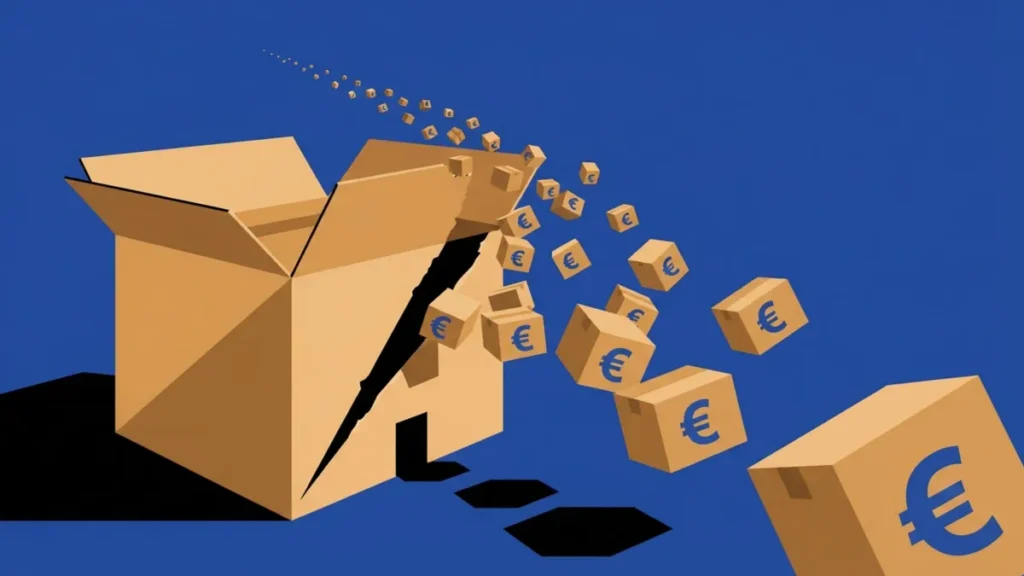
- The €150 customs-duty exemption ended on 1 July 2026 (Council Regulation (EU) 2026/382).
- Transition: a flat €3 duty per item in consignments ≤ €150, billed per HS subheading. From November 2026 a Union handling fee applies. From 1 July 2028, a five-tier schedule (0/5/8/12/17%) replaces the flat fee.
- VAT applies on the consolidated value in every member state.
- Platforms/sellers can be treated as the importer with full legal responsibility.
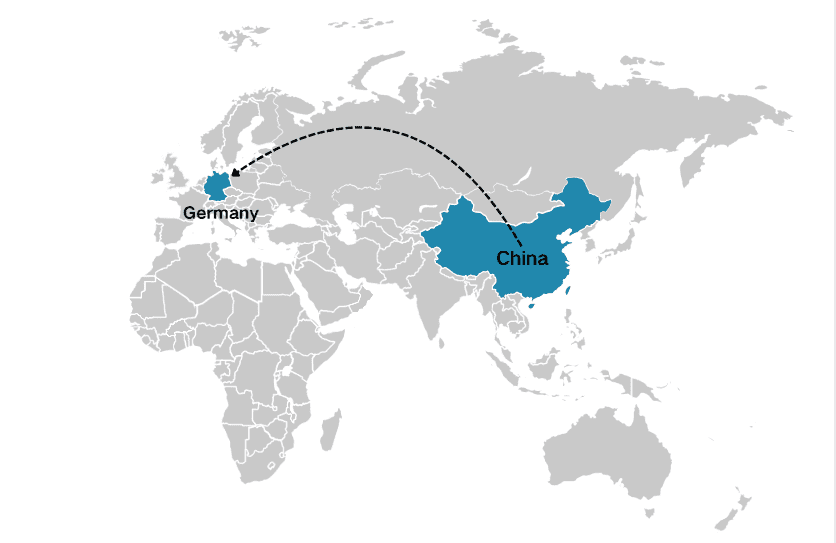
- See: Shipping DDP to Germany and our De Minimis Ended article.
United Kingdom
- Imports below £135 currently have no import VAT; the UK is consulting on removing this relief, with a target around 2029. Plan, don’t panic.
- Standard UK VAT is 20%; customs duty applies above the threshold by HS code.
- See: Shipping DDP to the UK.
Other markets
- Australia: GST 10% applies to low-value imports (AUD 1,000 threshold for full customs entry).
- Japan: consumption tax 10%; simplified thresholds exist for small imports.
- Canada: duties by HS code; no broad de minimis removal as of 2026.
The end of de minimis (why your old model broke)
For years, shipping a sub-threshold parcel meant no duty and no formal entry. That fueled the “ship a million $5 items” model. It is now over in the US and EU.
The practical effect:
– Every parcel now needs a real customs entry with a correct HS code.
– Per-unit clearance cost rises, especially on high-volume, low-value orders.
– Margin must come from structure (consolidation, DDP, overseas warehousing), not from the exemption.
Full breakdown and cost math: De Minimis Ended: What It Means for China Sellers in 2026.
Compliance: what customs now requires
Post-de-minimis, small shipments are held to the same standards as container loads:
- Correct HS classification — drives the duty rate. Errors trigger penalties and seizures. Deep dive: HS Code Mistakes: Customs Penalties You Can’t Afford.
- Accurate commercial invoice & packing list — value, quantity, country of origin, HS code per line.
- Section 301 confirmation (US) — verify whether your quote includes the additional China tariffs. See: Section 301 Tariffs: Are They in Your DDP Quote?.
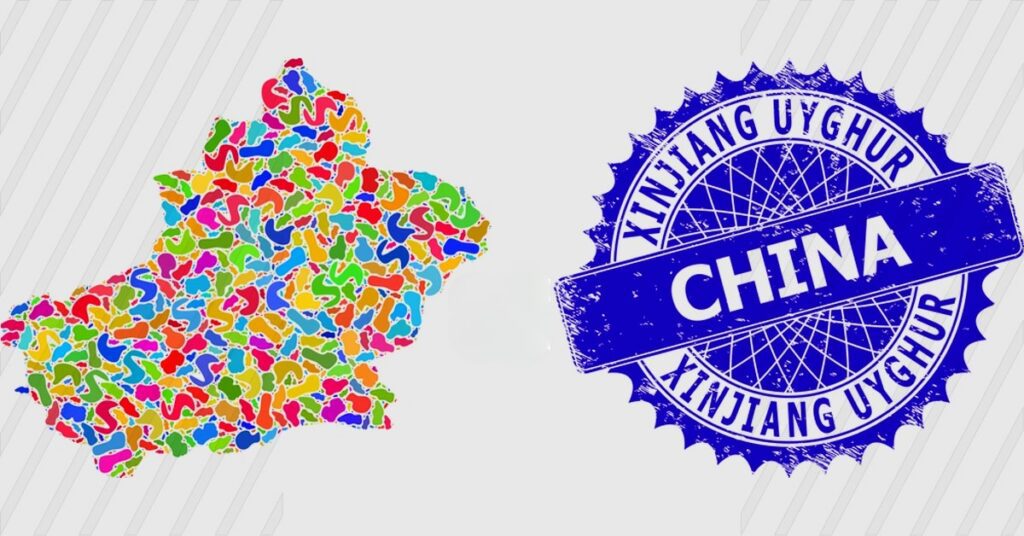
- Forced-labor traceability (US UFLPA) — goods linked to listed entities are detained at the border; you must prove a clean supply chain. See: UFLPA Explained.
- Importer of record responsibility — under DDP, your forwarder or entity acts as IOR and owns compliance.
Legal ways to reduce landed cost
We only recommend fully compliant optimization. These are legitimate and underused:
- Accurate classification — the correct HS code often reveals the true (sometimes lower) rate and avoids penalties.
- Trade-agreement preferences — where applicable, origin documentation can reduce or zero the rate.
- Consolidated DDP shipping — one entry for many units cuts per-parcel clearance overhead.
- Overseas / bonded warehousing — pay duty once on inbound stock, then fulfill domestically with no per-order customs.
- Duty drawback — recover duties on goods later re-exported or destroyed.
- Smarter product mix / AOV — shift toward higher-margin SKUs where duty is a smaller share of price.
Deep dive: How to Legally Lower Import Duties from China.
Red lines — never do these. Under-declaring value (undervaluation), using the wrong HS code to pay less, or transshipping through a third country to disguise country of origin are customs fraud. Consequences include seizure, fines, debarment, and personal liability (e.g., under UFLPA). They also violate Google’s YMYL standards and will get content delisted. Vantage does not assist with any of these.
Your 2026 import compliance checklist
- [ ] Every line item has a verified HS code.
- [ ] Commercial invoice shows true transaction value and origin.
- [ ] Section 301 (US) and VAT/GST included in the quote.
- [ ] UFLPA traceability documents ready for high-risk categories.
- [ ] DDP routing confirmed with a compliant forwarder.
- [ ] Duty rates verified against a current source, not last year’s.
- [ ] Plan B (overseas warehouse / consolidation) modeled for low-value SKUs.
Need help building this for your shipments? Get a landed-cost quote →
FAQ
Do I still pay VAT to the EU under €150?
Yes. The old break was on customs duty only; VAT always applied, and the duty break is also gone as of 1 July 2026.
Is the US de minimis really gone for everyone?
Yes—since 29 August 2025, all countries. Low-value parcels now pay full applicable duties.
Can I lower my duty by declaring a lower value?
No. Under-declaration is customs fraud with serious legal and financial consequences.
What’s the cheapest compliant model now?
Usually DDP consolidation plus overseas warehousing, with accurate classification. The right mix depends on your volume and SKUs.
Where do I get current rates?
From a licensed broker or a forwarder’s written quote. Our duty calculator gives a planning estimate, not a final figure.
Related guides
- De Minimis Ended: What It Means for China Sellers in 2026
- Section 301 Tariffs: Are They in Your DDP Quote?
- HS Code Mistakes: Customs Penalties You Can’t Afford
- UFLPA Explained: Forced-Labor Compliance for China Imports
- How to Legally Lower Import Duties from China
- Destination pages: USA · Germany · UK
Published by the Vantage Forwarding Trade Desk. Rates and policies change—verify current figures with a licensed broker before shipping. For a tailored routing and cost plan, contact us.
 English
  Chinese
  Arabic
  French
  German
  Portuguese
  Spanish