
Em 2026, o transporte de bens de luxo da China para os EUA é mais difícil do que nunca - mas também mais lucrativo quando feito corretamente. A isenção de minimis terminou completamente em agosto de 2025. Agora, cada remessa, por menor que seja, enfrenta uma revisão aduaneira completa. O CBP relatou um aumento de 93% nas apreensões de luxo falsificado em 2025, com um valor total de MSRP superior a $5,4 bilhões - a grande maioria proveniente da China. Um simples erro na sua fatura ou código HTS pode custar-lhe semanas de atrasos, milhares de taxas adicionais ou a apreensão total da sua carga de elevado valor.

Este guia completo mostra-lhe exatamente como enviar produtos de luxo da China para os EUA sem problemas aduaneiros em 2026. Siga estes passos e as suas malas de mão, relógios, jóias e moda de marca serão desalfandegados sem problemas e chegarão rapidamente ao seu armazém nos EUA.
Porquê Bens de luxo da China enfrentará um controlo aduaneiro suplementar em 2026?
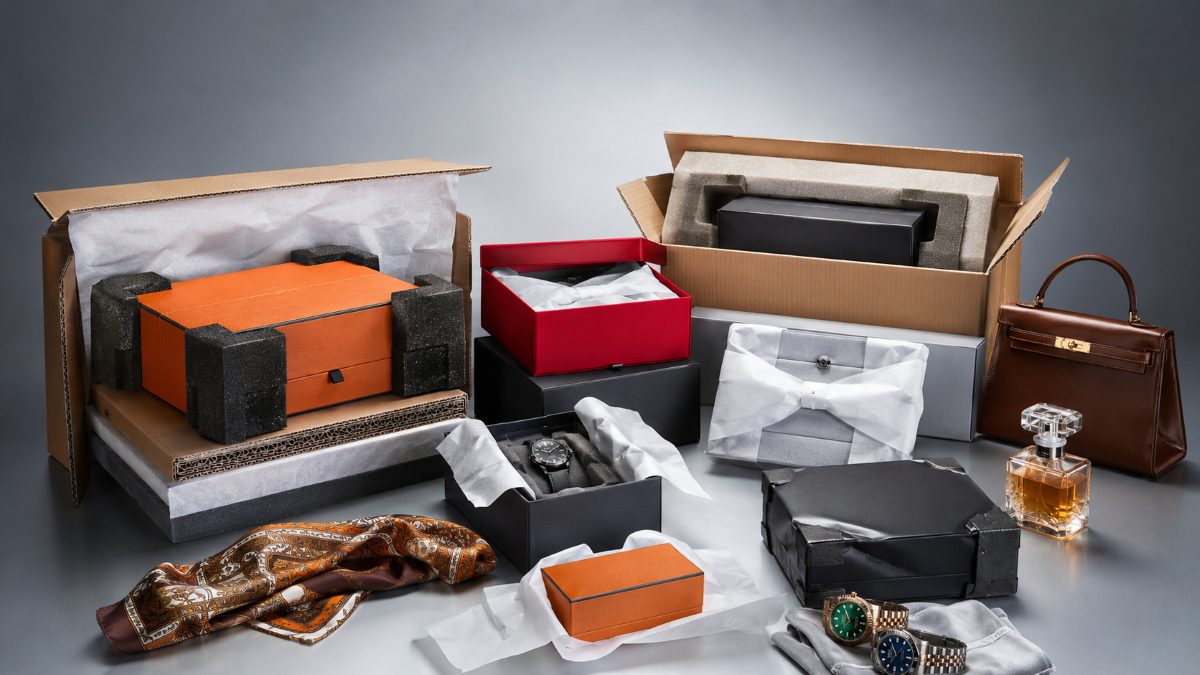
Artigos de luxo como malas estilo Louis Vuitton, relógios de nível Rolex, jóias Cartier e vestuário topo de gama atraem uma atenção intensa da Alfândega e Proteção de Fronteiras dos EUA (CBP). O seu elevado valor torna-os alvos privilegiados de controlos de contrafação e auditorias de avaliação.
Os sinais de alerta comuns que desencadeiam retenções incluem:
- Suspeita de produtos de contrafação ou de violação da propriedade intelectual
- Facturas comerciais subavaliadas ou incompatíveis
- Códigos HTS de 10 dígitos errados
- Direitos aduaneiros da secção 301 (frequentemente 7,5%-25%+ sobre produtos de origem chinesa)
Com o fim da regra de minimis, mesmo os envios $500 exigem agora uma entrada formal. Uma preparação exacta já não é opcional - é essencial.
Frete aéreo ou frete marítimo: O que funciona melhor para artigos de luxo?
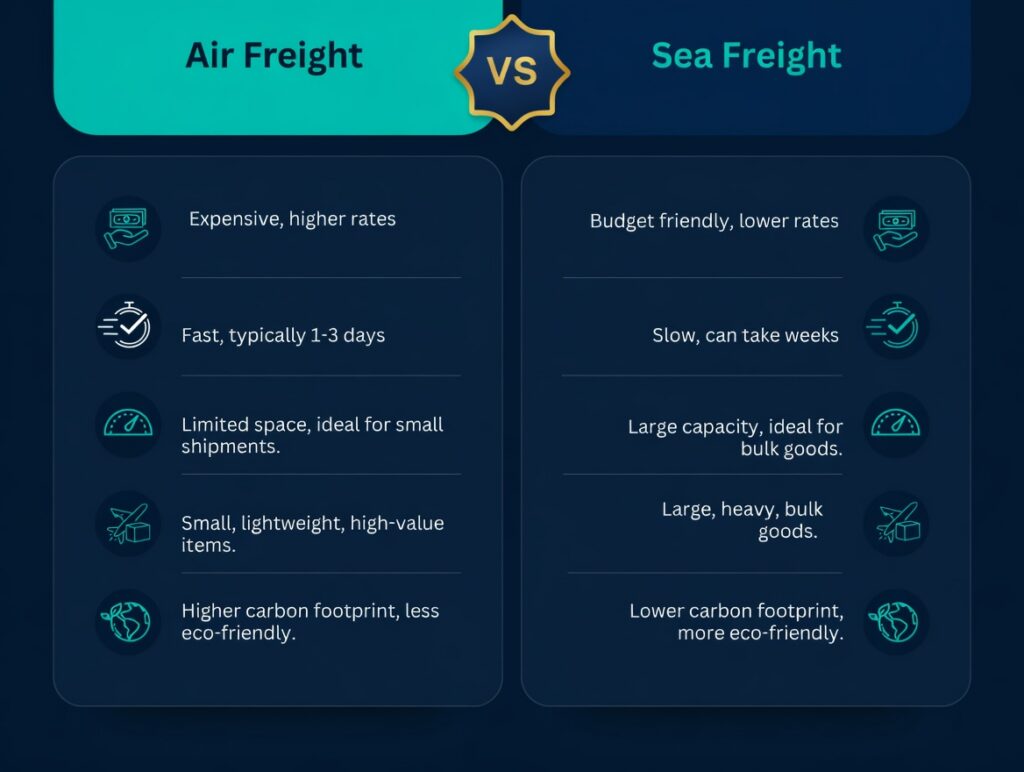
Para a maioria dos envios de luxo, o frete aéreo é o claro vencedor.
Eis porquê:
- Trânsito porta-a-porta: 5-10 dias (vs. 25-45 dias por via marítima)
- Segurança superior e rastreio em tempo real
- Menos manuseamento, menor risco de danos ou roubo
- Mais fácil desalfandegamento nos aeroportos
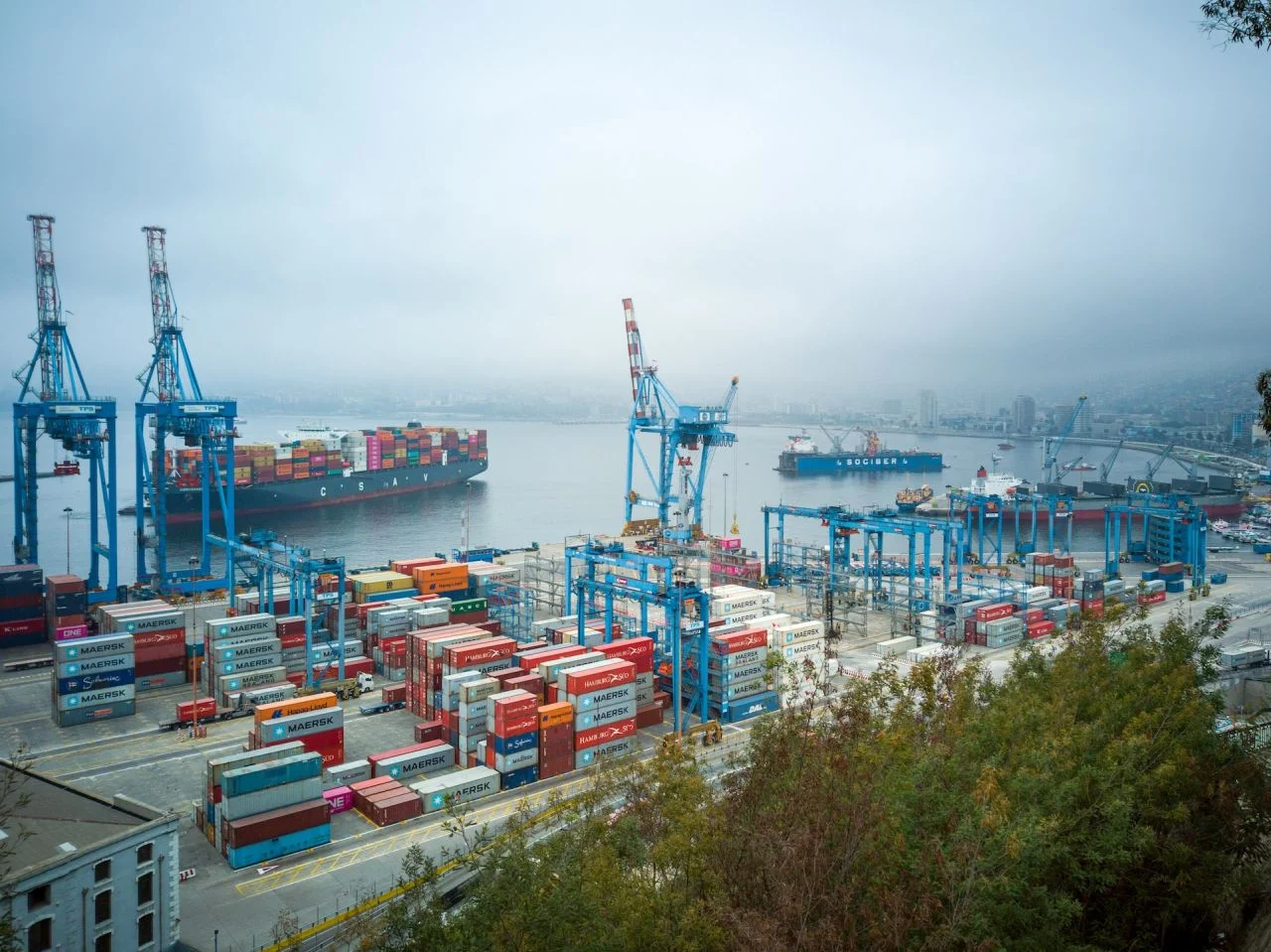
O transporte marítimo só faz sentido para encomendas a granel muito grandes, em que o custo é a principal prioridade. No caso de bens de luxo de elevado valor, a rapidez e o controlo poupam quase sempre mais dinheiro a longo prazo, uma vez que o produto chega mais rapidamente ao mercado e reduz os custos de manutenção de existências.
Que documentos devem ser preparados para desalfandegar nos EUA?
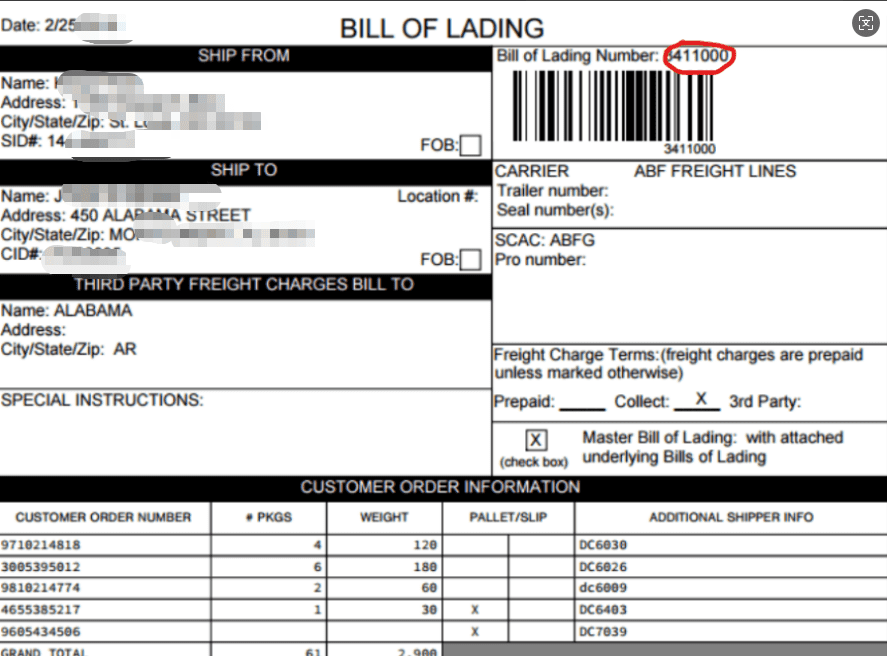
A documentação em falta ou incorrecta é a causa #1 das retenções aduaneiras. Prepare sempre estes documentos essenciais:
- Fatura comercial - descrição pormenorizada do produto, valor real da transação, código HTS exato de 10 dígitos, informações sobre o comprador e o vendedor
- Lista de embalagem - pesos, dimensões e conteúdo por caixa
- Conhecimento de embarque ou carta de porte aéreo
- Formulário CBP 7501 (resumo de entrada)
- Registo de Segurança do Importador (ISF 10+2) - exigido para o transporte marítimo, apresentado pelo menos 24 horas antes do carregamento do navio
- Caução aduaneira - obrigatório para expedições superiores a $2.500
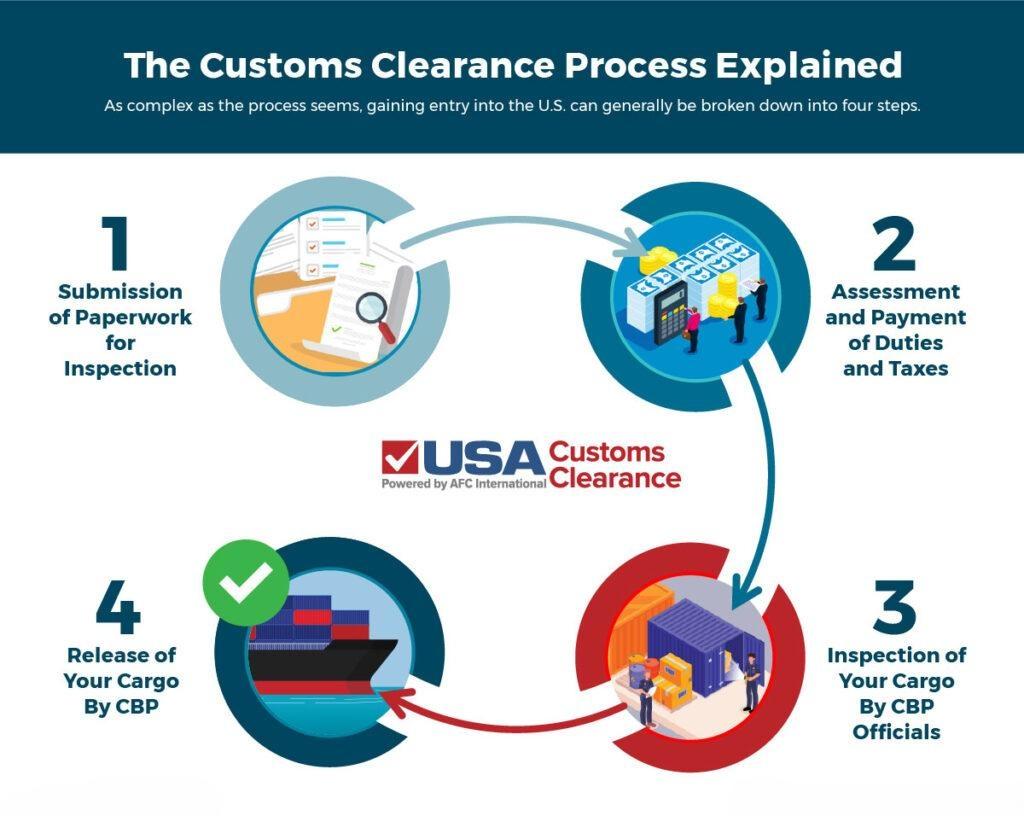
Dica profissional: Contrate um despachante aduaneiro licenciado dos EUA com antecedência. Eles arquivam tudo eletronicamente e detectam os erros antes de chegarem ao CBP.
Como evitar os erros aduaneiros mais comuns?
Siga esta lista de controlo comprovada para evitar problemas:
- Declarar sempre o valor real da transação - nunca subvalorizar para reduzir os direitos.
- Utilize códigos HTS precisos de 10 dígitos (consulte o seu corretor para categorias de luxo como 4202 para malas de mão ou 7113 para jóias).
- Certifique-se de que todos os documentos correspondem linha a linha (fatura, lista de embalagem, conhecimento de embarque).
- Obter apenas de fornecedores verificados e legítimos com documentação de exportação adequada.
- Conservar registos completos durante, pelo menos, 5 anos em caso de auditoria do CBP.
- Escolher DDP (Delivered Duty Paid) termos de envio quando possível - o seu transitário trata de todo o desalfandegamento e direitos nos EUA.
Processo passo a passo para enviar bens de luxo da China para os EUA em 2026
- Confirmar que o fornecedor fornece documentos comerciais exactos.
- Reserve um frete aéreo ou marítimo com um transitário experiente em cargas de elevado valor.
- Apresentar a ISF (se oceano) ou preparar a carta de porte aéreo.
- As mercadorias chegam ao porto ou aeroporto dos EUA.
- O seu despachante aduaneiro apresenta a entrada formal e paga os direitos estimados.
- O CBP analisa e liberta a remessa (normalmente 1-3 dias para ficheiros limpos).
- Entrega final no seu armazém ou centro de distribuição nos EUA.
Dicas profissionais para poupar tempo e dinheiro em 2026
- Associe-se a um transitário especializado em envios de luxo e de elevado valor - eles conhecem as vias de desalfandegamento mais rápidas.
- Considerar envios aéreos consolidados para encomendas mais pequenas para reduzir o custo por unidade.
- Assegurar cada envio pelo valor total declarado.
- Utilizar uma Zona de Comércio Externo (FTZ) se planear reexportar ou modificar as mercadorias mais tarde - isto pode adiar ou reduzir os direitos.
- Monitorize o seu envio 24 horas por dia, 7 dias por semana, através do portal de seguimento do transitário.
Pronto para enviar bens de luxo de forma segura e rentável?
As regras mudaram, mas a oportunidade não. Quando se enviar produtos de luxo da China para os EUA sem problemas aduaneiros em 2026, A sua empresa pode proteger as suas margens, acelerar o fluxo de caixa e manter intacta a reputação da sua marca.
Comece por escolher um transitário experiente e um despachante aduaneiro licenciado que compreendam o panorama pós-delimitação. Obtenha os seus documentos corretamente à primeira, e a sua carga de luxo será desalfandegada nos EUA de forma rápida e económica.
Precisa de ajuda com o seu próximo envio? Muitos transitários de topo oferecem auditorias de conformidade gratuitas a novos importadores de artigos de luxo. Tire partido deste serviço antes de efetuar o envio.

 English
  Chinese
  Arabic
  French
  German
  Portuguese
  Spanish