Trois aéroports internationaux sont situés à moins de 150 kilomètres les uns des autres dans le sud de la Chine : Shenzhen Bao’an (SZX), Guangzhou Baiyun (CAN) et Hong Kong International (HKG). Ensemble, ils traitent une grande partie du fret aérien de la région, mais ils ne sont pas interchangeables. Le choix de la plaque tournante la plus adaptée dépend du lieu de départ de votre fret, de sa destination et de son contenu. Ce guide compare ces trois aéroports en fonction des facteurs qui ont une incidence réelle sur votre expédition : les formalités douanières, la capacité, le temps de transit et le coût.
Quels sont les points forts de chaque pôle ?
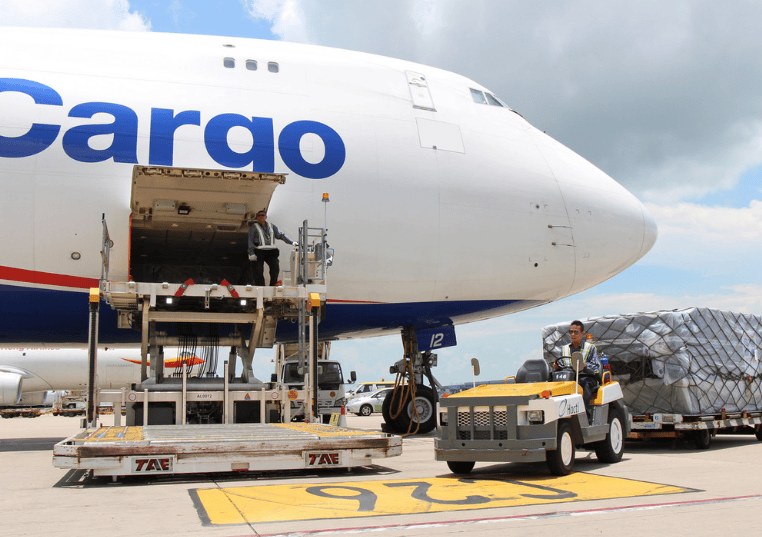
Chaque aéroport possède un atout particulier :
- SZX (Shenzhen Bao’an) est la plaque tournante d’exportation située à proximité des usines. Les marchandises en provenance de Shenzhen électronique Belt passe les formalités douanières à l'exportation sur place et embarque rapidement.
- CAN (Guangzhou Baiyun) est la plaque tournante en termes de capacité. Elle assure le transport de fret en soute sur des liaisons intérieures de desserte et à grande échelle international des services, avec une forte rentabilité liée au volume.
- HKG (Hong Kong International) est la plaque tournante du transport aérien. Elle offre le réseau de liaisons le plus étendu, une fréquence élevée et des services de transbordement sous douane pour l'ensemble du monde consolidation.
La première question n'est pas de savoir quel aéroport est le meilleur, mais lequel correspond au mieux au point de départ et à la destination de votre fret. Notre Guide du transport de marchandises SZX traite en détail de l'option de Shenzhen.
En quoi les règles douanières diffèrent-elles des règles d'exportation ?
C'est sur ce point que les hubs présentent les différences les plus marquées pour un expéditeur dont les marchandises proviennent de Chine :
- SZX et CAN sont des aéroports situés en Chine continentale. La déclaration en douane à l'exportation est une procédure nationale, rapide et prévisible pour les marchandises standard. Le dédouanement à l'importation s'effectue du côté continental, avec application des droits de douane continentaux.
- Hong Kong (HKG) est une région administrative spéciale dotée de son propre régime douanier. Les marchandises circulent sous régime de transit, le transbordement est souple et aucun droit d'importation n'est appliqué par la Chine continentale sur les opérations de transbordement pur. Toutefois, le transport de marchandises entre la Chine continentale et Hong Kong (HKG) implique un trajet transfrontalier et des formalités douanières spécifiques.
Pour les marchandises en provenance d'usines situées sur le continent, l'exportation via SZX ou CAN permet de maintenir l'ensemble du processus au sein d'une seule juridiction. Pour le groupage international et les destinations peu courantes, c'est le réseau de HKG qui s'impose.
Quel aéroport offre la meilleure capacité et la meilleure fréquence ?
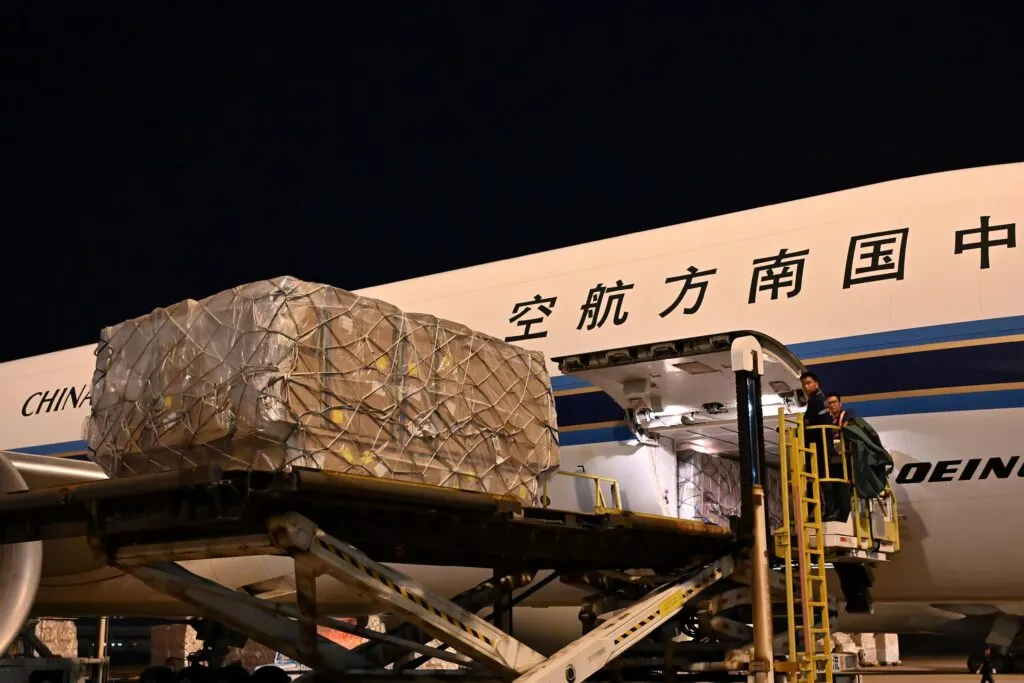
Hong Kong dispose généralement du réseau le plus étendu : plus de destinations, plus de fréquences, plus d'opérateurs de fret. Guangzhou offre la plus grande capacité de fret en soute sur les liaisons passagers en gros-porteurs et bénéficie de solides liaisons intérieures alimentant les vols internationaux. Shenzhen dispose d'une zone dédiée au fret avec un service de fret solide, en pleine croissance, mais son réseau reste moins dense que celui de HKG sur les destinations long-courriers.
En pratique, cela signifie qu’une destination desservie quotidiennement par HKG peut n’être desservie qu’une fois par semaine par SZX. Si votre calendrier est serré, le réseau revêt une importance plus grande que la distance jusqu’à l’entrepôt.
Comment se situent les délais de transit par rapport aux autres ?
Le temps de transit se compose de deux éléments : le temps nécessaire pour se rendre à l'aéroport et le temps passé dans l'avion.
- Les marchandises déjà présentes à Shenzhen parviennent à l'aéroport SZX en quelques heures, sans passer par les formalités douanières.
- Les marchandises à Guangzhou sont acheminées directement vers le réseau CAN.
- Les marchandises en provenance d'une ville du continent et transitant par HKG nécessitent un trajet supplémentaire par camion, un dédouanement à la frontière et un deuxième point de manutention, ce qui ajoute généralement un jour ou plus au délai.
Pour les envois électroniques urgents, le trajet terrestre plus court au départ de SZX ou de CAN est souvent plus avantageux que le vol le plus rapide au départ de HKG. Notre Guide d'expédition des composants électroniques fragiles explique comment les différentes étapes de manutention affectent les marchandises sensibles.
Comment se comparent les coûts ?
Le tarif de base proposé par la compagnie aérienne ne représente qu'une partie du coût :
- Exportations SZX et CAN depuis la Chine continentale : une seule juridiction, pas de transport routier transfrontalier, tarifs aériens compétitifs sur les liaisons desservies.
- Itinéraire via HKG : les tarifs aériens sont souvent moins élevés sur le tronçon international, mais cette économie est contrebalancée par le transport routier transfrontalier, les formalités douanières et les frais de manutention supplémentaires.
Pour établir une comparaison objective, il faut prendre en compte le coût total jusqu’à la destination, et pour de nombreux envois en provenance de Chine, cela joue en faveur du hub continental. Hong Kong l’emporte en termes de coût total lorsque la destination nécessite un itinéraire que seul HKG dessert.
Qu'en est-il des marchandises sensibles et des marchandises transportées en batterie ?
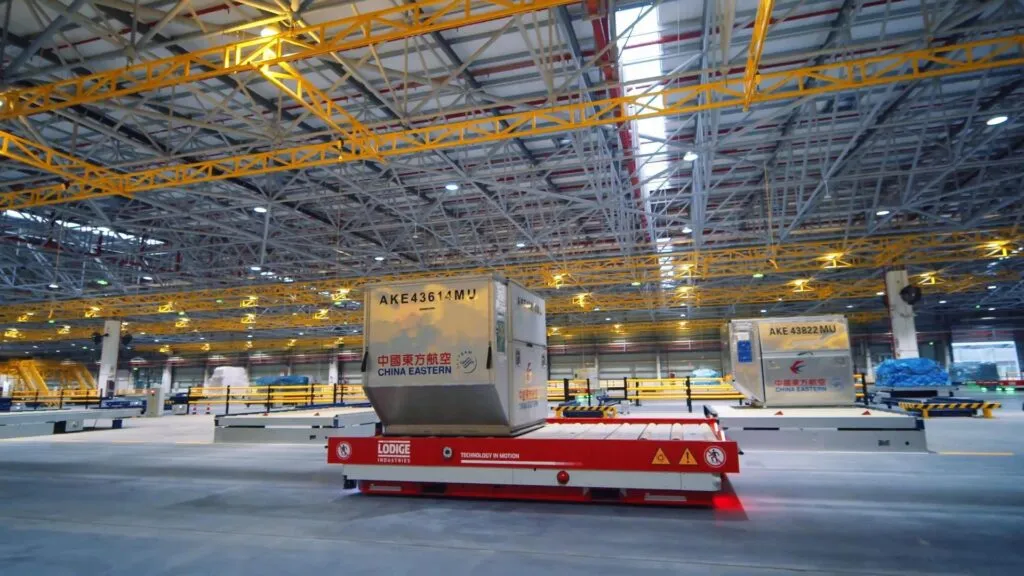
Ces trois centres gèrent électronique et batteries au lithium régulièrement, mais les flux diffèrent. Les infrastructures de fret de Shenzhen sont conçues pour l’industrie électronique locale, notamment pour la réception des batteries et les tests magnétiques à proximité des usines. Guangzhou traite des volumes importants selon les procédures standard applicables aux marchandises dangereuses. Hong Kong ajoute une étape de transbordement qui peut s’avérer utile pour regrouper des cargaisons de batteries provenant de plusieurs origines, mais ce trajet supplémentaire implique également des opérations de manutention supplémentaires. Notre Guides DGR de l'IATA précise quels sont les documents que chacun des trois centres vérifiera.
Comment faire son choix ?
Répondez aux quatre questions suivantes :
- D'où part la cargaison ? L'emplacement de l'usine détermine l'itinéraire terrestre le moins cher.
- Où va-t-il ? C'est la fréquence des vols vers cette destination qui détermine l'importance du réseau.
- Que contient-il ? Les piles et les aimants nécessitent un centre de distribution dont le flux de réception a fait ses preuves.
- Le calendrier est-il serré ? Pour les envois urgents, il est préférable d'opter pour le trajet terrestre le plus court.
Foire aux questions
Quel est le meilleur aéroport pour les achats d'appareils électroniques, SZX ou HKG ?
Pour les marchandises produites dans la zone industrielle électronique de Shenzhen, l'aéroport de SZX s'impose généralement par sa rapidité et sa simplicité, car l'exportation s'effectue localement. L'aéroport de HKG prend le dessus lorsque la destination nécessite un itinéraire non desservi par SZX.
HKG est-il moins cher que CAN ou SZX ?
Pas nécessairement. Les tarifs aériens via HKG peuvent être moins élevés, mais le transport routier transfrontalier et les frais de manutention supplémentaires annulent souvent cette différence. Comparez le coût total à la livraison, et non le tarif affiché.
Puis-je regrouper des marchandises en un seul hub pour plusieurs pays ?
Oui, et HKG excelle dans ce domaine grâce à son système de transbordement sous douane. Les hubs de Chine continentale peuvent également regrouper les marchandises, mais la déclaration d’exportation couvre l’ensemble de l’envoi groupé.
Les hubs traitent-ils les cargaisons de batteries de la même manière ?
Les règles sont celles de l’IATA, mais le processus d’acceptation diffère. Vérifiez l’acceptation des batteries et le test de l’aimant auprès du transitaire du hub choisi avant de réserver.
Conclusion
SZX, CAN et HKG sont trois solutions, et non trois tarifs pour un même service. Faites votre choix en fonction de l’origine, de la destination, du contenu et des délais : SZX, situé à proximité des usines, pour l’exportation rapide de produits électroniques ; CAN, doté d’une grande capacité, pour les volumes importants ; et HKG, disposant d’un réseau étendu, pour les liaisons mondiales et le transbordement. Le choix du hub est une décision, pas une évidence.
 English
  Chinese
  Arabic
  French
  German
  Portuguese
  Spanish