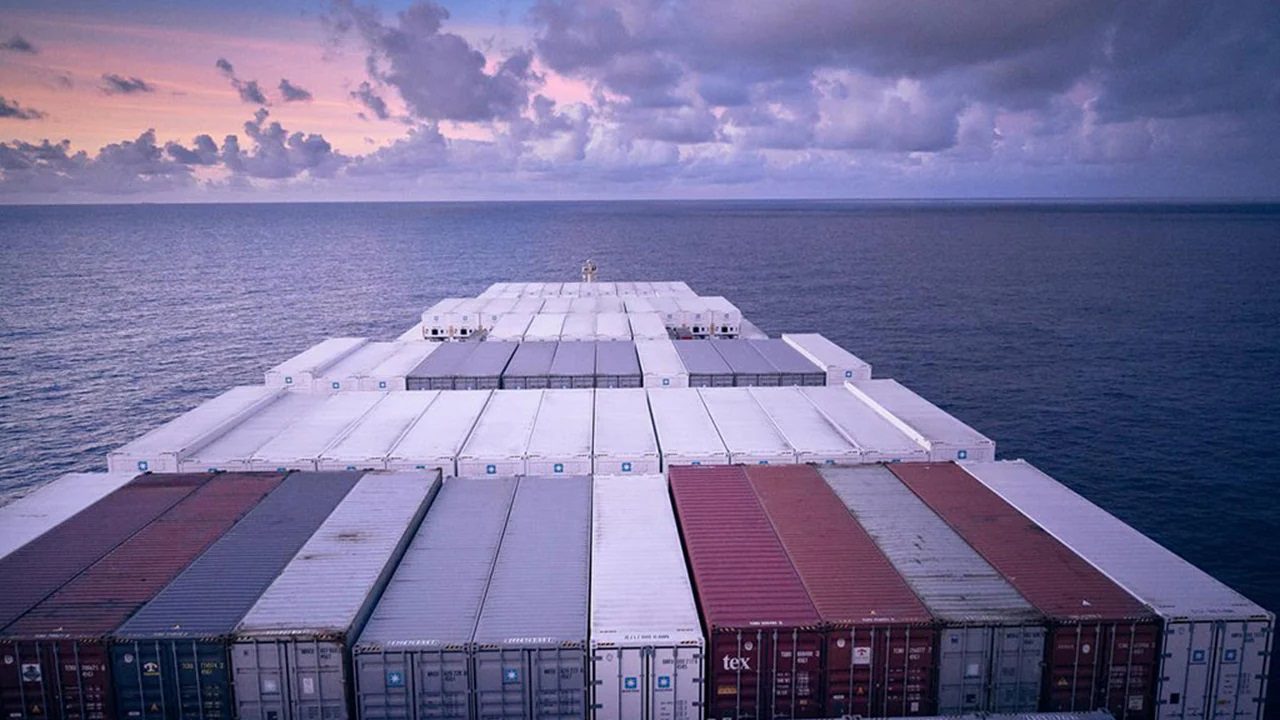
Die Zollstörungen, die bis 2024 und Anfang 2025 eskalierten, haben nicht nur die Kosten in die Höhe getrieben, sondern auch die Logistikplanung seriöser grenzüberschreitender Unternehmen nachhaltig verändert. Zollklammern, die es vor zwei Jahren noch nicht gab, wirken sich nun täglich auf Zehntausende von Zollanmeldungen aus. Für Chinesische Ausführer Im Wettbewerb auf den US-amerikanischen und europäischen Märkten hat die kumulative Tarifstapelung dazu geführt, dass die Vorhersagbarkeit der Kosten zur wichtigsten Betriebsvariablen geworden ist - und in einigen Produktkategorien bedroht sie direkt die Frage, ob sich der Betrieb einer Anlage überhaupt lohnt.
Eine Strategie zur Abmilderung von Zöllen ist nicht länger eine spezielle Übung zur Einhaltung von Vorschriften. Sie ist die Grundlage für ein lebensfähiges Exportgeschäft im Jahr 2026.
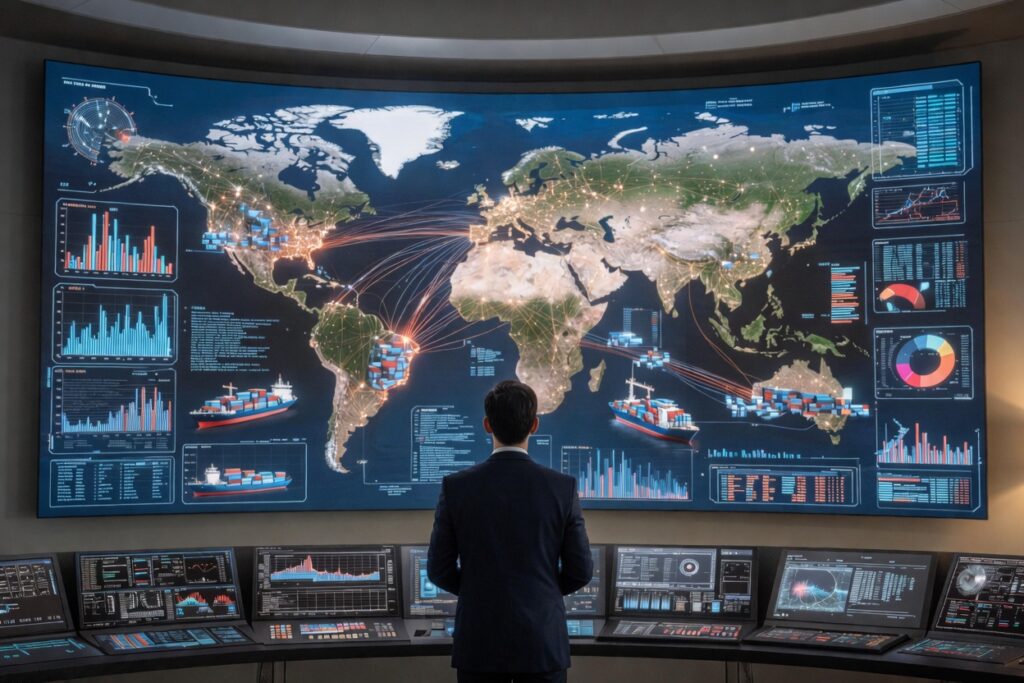
In diesem Leitfaden werden die drei strukturellen Säulen einer tarifoptimierten Lieferkette, vier Sofortmaßnahmen, die sich jetzt lohnen, und die Gründe für den Wechsel von statischem Kostenmanagement zu dynamisches Tarifmanagement ist die wichtigste operative Verbesserung, die den Exporteuren in diesem Jahr zur Verfügung steht.
Warum statische Kostenmodelle im Jahr 2026 zusammenbrechen
Die meiste Zeit des letzten Jahrzehnts folgte die Logistikplanung einem vorhersehbaren Rhythmus: jährliche Frachtraten festlegen, Container buchen, Zollabfertigung, Lieferung. Tarife waren ein Einzelposten - verwaltet von der Compliance, unsichtbar für den Betrieb.
Dieses Modell funktioniert nicht mehr.
Mit dem Zollumfeld 2025 wurden für die wichtigsten Produktkategorien, die in die USA eingeführt werden, Stapelzölle von 20-80% eingeführt. Der anstehende EU-US-Nulltarifrahmen, der voraussichtlich im Juni 2026 das Europäische Parlament passieren wird, stellt einen neuen Wettbewerbsdruck für chinesische Exporteure auf den europäischen Märkten dar. Geopolitische Störungen im Roten Meer und in wichtigen asiatischen Fahrtgebieten haben dazu geführt, dass Annahmen über die “Standardroute” zu Verbindlichkeiten geworden sind.
Die Exporteure, die derzeit am wenigsten Schaden nehmen, haben eine Gemeinsamkeit: Sie behandeln Anlandekosten insgesamt 2026 als dynamisches Modell, nicht als feste Budgetlinie. Für jede Bestellung wird vor der Unterzeichnung eine Echtzeit-Tarifberechnung durchgeführt. Jede Frachtentscheidung wird anhand des Zollrisikos bewertet, nicht nur anhand des Basistarifs.
3 Säulen eines Tariflich optimierte Lieferkette
Säule 1: Die Wahl des Verkehrsträgers ist jetzt eine tarifliche Entscheidung
Die Entscheidung zwischen See-, Luft- oder multimodalem Verkehr war früher eine einfache Geschwindigkeits-gegen-Kosten-Rechnung. Im Jahr 2026 ist dieser Rahmen unvollständig.
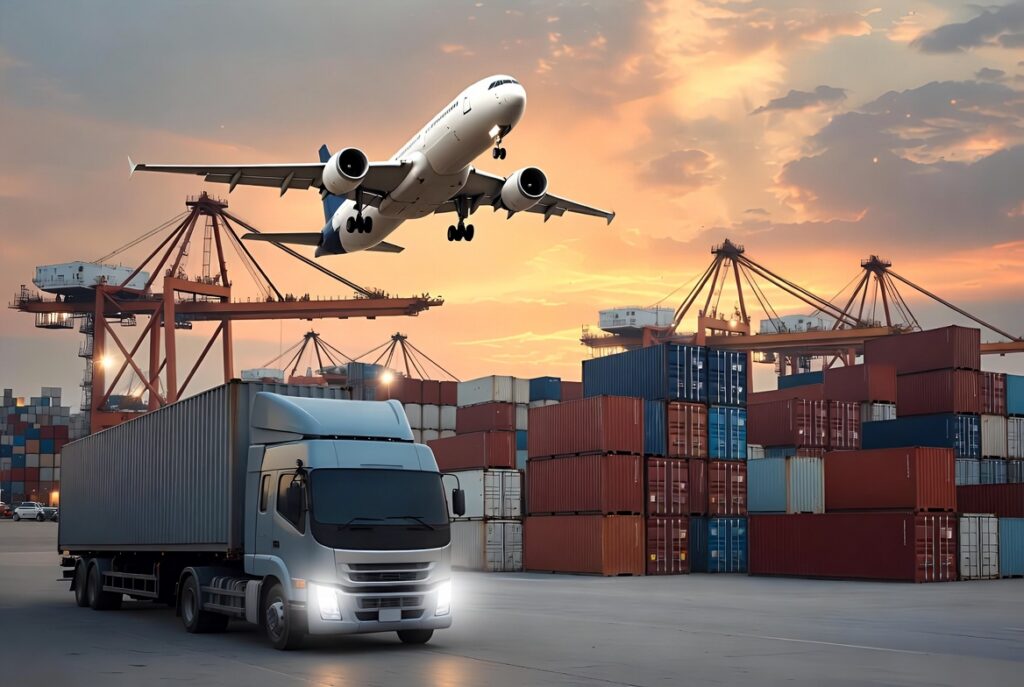
Eine wirksame grenzüberschreitende Logistik erfordert die Abstimmung der Wahl des Transportmittels mit der HS-Code-Klassifizierung, der Eignung für Zolllager und den Zollabfertigungsfenstern am Zielort. Eine Sendung, die vor der endgültigen Einreise in die USA durch eine Außenhandelszone (FTZ) geleitet wird, kann zum Beispiel die Zahlung von Zöllen aufschieben und in einigen Fällen die tatsächliche Zollbelastung verringern. Eine Luftfrachtsendung, die einen bestimmten Eingangshafen umgeht, kann einen Zollengpass vermeiden, der zusätzliche Tage und Liegekosten verursacht.
Die Wahl des Verkehrsmittels ist jetzt in erster Linie eine Tarifentscheidung. Geschwindigkeit und Kosten sind sekundäre Variablen.
Säule 2: Dynamisches Tarifmanagement gegenüber statischen Jahreskursen

Die Zeiten, in denen man sich auf jährliche Frachtraten festlegte und von stabilen Landkosten ausging, sind vorbei. Die erfolgreichen Betreiber im Jahr 2026 behandeln das Tarifrisiko als eine fließende Variable - etwas, das kontinuierlich modelliert und nicht vierteljährlich überprüft werden muss.
Praktisch dynamisches Tarifmanagement bedeutet: Schätzungen der Einstandskosten auf SKU-Ebene, bevor Bestellungen bestätigt werden, Echtzeit-Überwachung von Tarifänderungen in den Bestimmungsmärkten und eine kommerzielle Preisgestaltung, die ein 10-20%-Zollkontingent einbezieht, anstatt das Risiko bei der Zollabfertigung zu entdecken.
Es handelt sich nicht um eine Finanzfunktion. Es ist eine operative Funktion - und die Logistikpartner, die sie proaktiv unterstützen, sind mehr wert als diejenigen, die einfach nur Fracht buchen.
Säule 3: Alternative Güterverkehrswege als Frühwarnsystem
Die Widerstandsfähigkeit der Exportlieferkette im Jahr 2026 hängt von der Diversifizierung der Routen ab, die aufgebaut wurde, bevor sie gebraucht wurde. Globale Schifffahrtsrouten sind plötzlichen geopolitischen Veränderungen unterworfen - und die Vorlaufzeit zwischen einer regulatorischen Änderung und einer Unterbrechung der Frachtbeförderung wird oft in Tagen, nicht in Wochen gemessen.
Exporteure, die im Vorfeld alternative Routenoptionen geprüft haben - über verschiedene Transitknotenpunkte, Speditionspartnerschaften und Zollabfertigungshäfen - können die Fracht umleiten, bevor es zu Engpässen kommt. Diejenigen, die dies nicht getan haben, sind standardmäßig reaktiv und zahlen Aufschläge für den Zugang zu Kapazitäten, die sie sich im Voraus hätten sichern müssen.
Alternative Frachtrouten sind kein Notfallplan. Es ist eine Standardfunktion für jeden Exporteur, der regelmäßig Waren in die USA oder nach Europa ausführt.
4 Sofortige Maßnahmen für chinesische Exporteure
1. Strenge HS-Code-Prüfungen einführen Arbeiten Sie mit einem lizenzierten Zollmakler zusammen, um Ihre aktuellen Produktklassifizierungen mit den Tarifplänen 2026 abzugleichen. Geringfügige Anpassungen der Unterpositionen in der HS-Klassifizierung können zu erheblichen Zollsenkungen führen - und falsche Einstufungen ziehen Strafen nach sich, die sich schnell summieren. Dies ist die Maßnahme mit dem höchsten ROI, die derzeit zur Verfügung steht.
2. Diversifizieren Sie Ihr globales Routing-Netzwerk Erstellen Sie eine Übersicht über Ihre derzeitige Logistikstruktur und ermitteln Sie, wo Sie von einer einzigen Transportroute abhängig sind. Bauen Sie mindestens eine vorab geprüfte Alternative für Ihre drei wichtigsten Schifffahrtsrouten auf. Die Kosten für die Aufrechterhaltung dieser Redundanz betragen nur einen Bruchteil der Kosten für eine erzwungene Umleitung während eines Störungszeitraums.
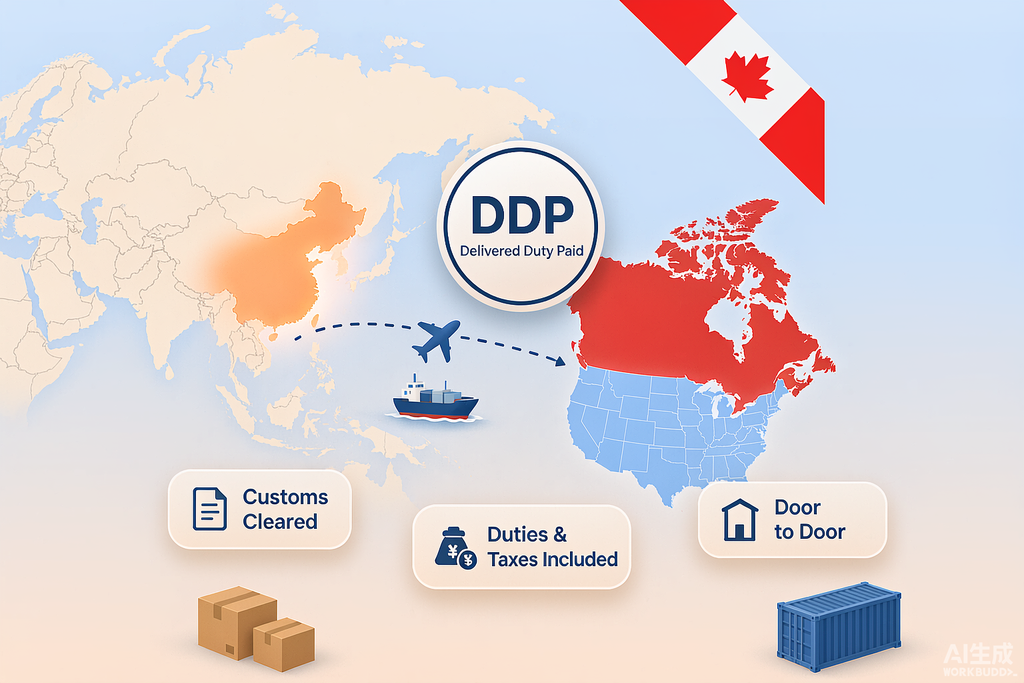
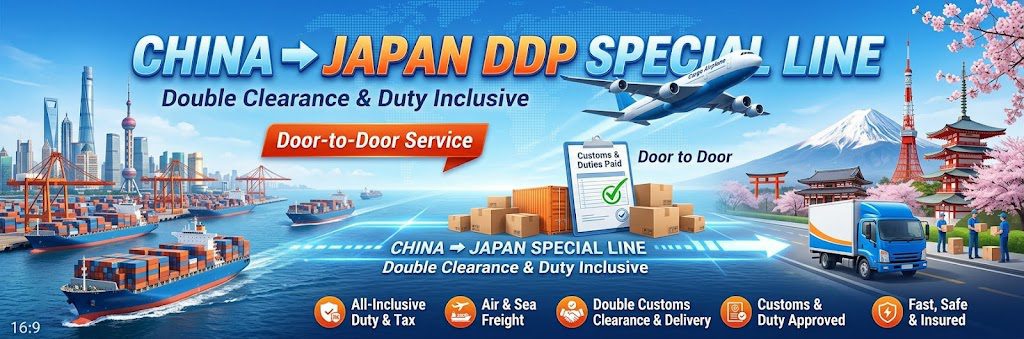
3. Umstellung der Großkunden auf DDP Bedingungen DDP (Delivered Duty Paid) bietet Ihren Käufern einen festen, zollfreien Anlandungspreis - keine überraschenden Rechnungen im Hafen, keine Zollverzögerungen, die zu ihrem Problem werden. In einem Markt, in dem die Volatilität der Zölle die Käufer vorsichtig werden lässt, ist das Anbieten von DDP-Konditionen zunehmend ein kommerzielles Unterscheidungsmerkmal, nicht nur eine logistische Präferenz. Es schützt die Beziehung zum Käufer und bringt das logistische Know-how dorthin, wo es hingehört: zu Ihrem Frachtpartner.
4. Integrieren Sie Bonded Warehousing in Ihr Vertriebsmodell Die strategische Positionierung von Beständen in regionalen Zolllagern oder Fulfillment Centern gibt Ihnen die Kontrolle über die Zeitmessung von Zollzahlungen - und in einigen Strukturen die Möglichkeit, diese aufzuschieben oder ganz zu reduzieren. Für Exporteure mit konstantem Volumen in Europa oder den USA macht sich ein Zollhub-Modell in der Regel innerhalb von 12 bis 18 Monaten allein durch die eingesparten Zölle bezahlt.
Die Kosten des Wartens
Die meisten der oben genannten Maßnahmen benötigen 60-90 Tage, um ordnungsgemäß umgesetzt zu werden - neue Frachtvereinbarungen, Zolllagervereinbarungen, Einrichtung von DDP-Diensten, HS-Audit-Zyklen. Für Exporteure, die ihre Geschäfte im zweiten Halbjahr 2026 planen, ist das Zeitfenster zum Handeln jetzt, nicht erst nach der EU-Abstimmung im Juni oder der nächsten Revision des Zolltarifs.
Die Unternehmen, die in der zweiten Hälfte des Jahres 2026 eine Gewinnspanne erzielen werden, sind diejenigen, die heute ihre Infrastruktur zur Tarifminderung aufbauen.
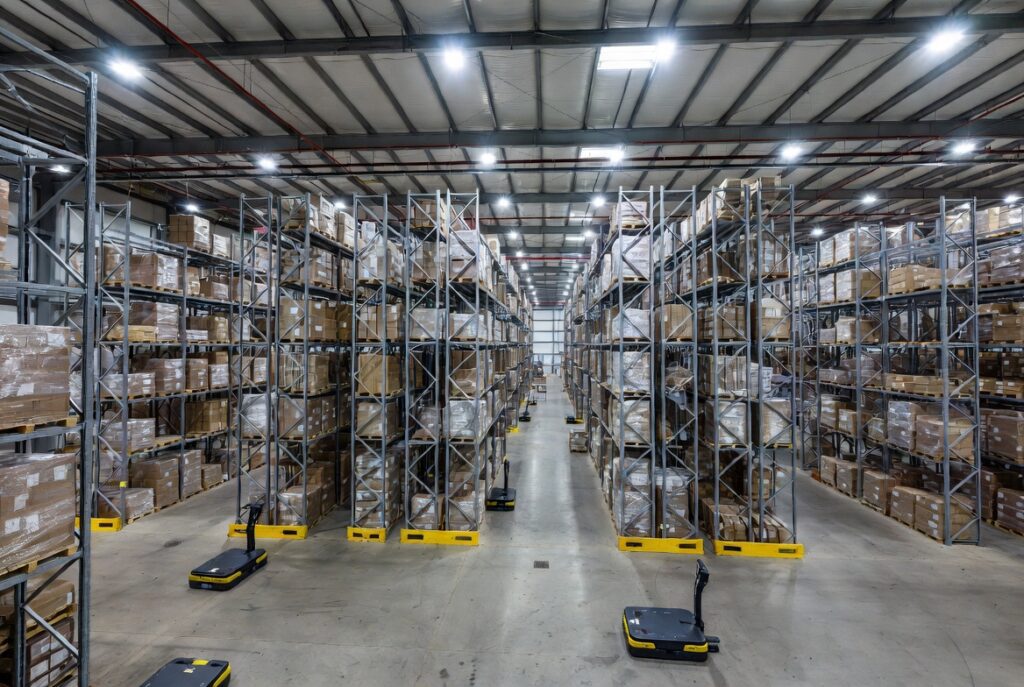
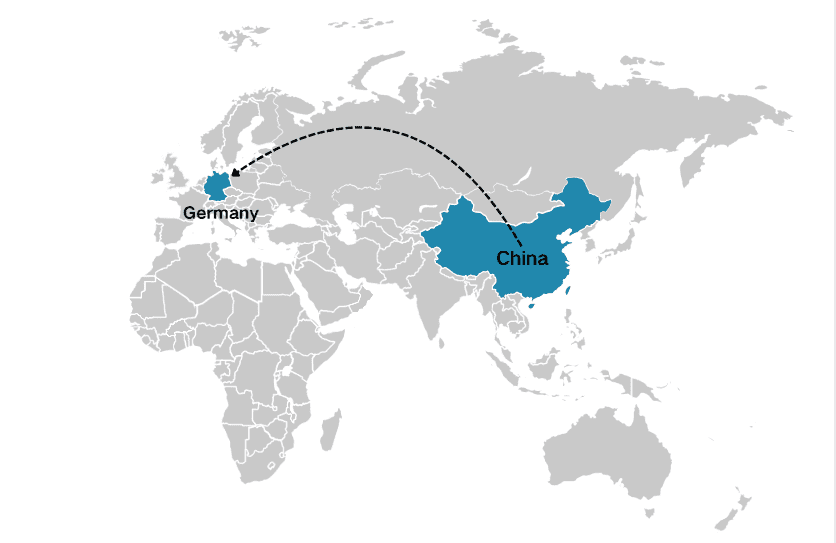
Vantage Forwarding bietet DDP-Doppelabfertigungsdienste für die USA und Europa - Zollabgaben, Compliance-Dokumentation und die Lieferung auf der letzten Meile als eine einzige Vereinbarung mit festen Kosten ab China. Unser Logistikteam arbeitet direkt mit Ihrer Beschaffungsabteilung zusammen, um die Gesamtkosten zu ermitteln, bevor die Bestellungen bestätigt werden, und nicht erst, nachdem sie versandt wurden.
Erhalten Sie einen Kostenvoranschlag für Ihre Route → Landed Cost
 English
  Chinese
  Arabic
  French
  German
  Portuguese
  Spanish