في 1 يوليو 2026، ستدخل الرسوم الجمركية الموحدة الجديدة للاتحاد الأوروبي حيز التنفيذ على كل طرد تجارة إلكترونية منخفضة القيمة يدخل الاتحاد الأوروبي. الرقم الرئيسي بسيط: 3 يورو لكل بند من بنود البيان الجمركي على الشحنات التي تقل قيمتها عن 150 يورو.

ما بداخل هذا الدليل
ولكن “لكل بند إعلان” ليس هو نفسه “لكل عبوة” أو “لكل وحدة”. إن الفهم الدقيق لكيفية حساب ضريبة الاستيراد في الاتحاد الأوروبي لكل عبوة - وما يعنيه ذلك بالنسبة لكيفية تعبئة الطلبات وشحنها - هو الفرق بين زيادة التكلفة التي يمكن التحكم فيها ومفاجأة الامتثال المدمرة للأرباح.
إذا كنت تبحث عن إجابات لأي مما يلي، فإن هذا الدليل يحتوي على الرياضيات:
- هل سيؤدي تقسيم طلبياتي إلى طرود أصغر إلى تجنب الرسوم الجمركية للاتحاد الأوروبي؟
- كم تبلغ ضريبة الاستيراد من الاتحاد الأوروبي لكل عبوة في عام 2026؟
- ما هي الأمثلة الحقيقية للرسوم الجمركية في الاتحاد الأوروبي بقيمة 3 يورو لمزيج منتجاتي؟
- هل يتعامل برنامج DDP للشحن DDP مع رسوم 3 يورو نيابة عني؟
يوضح هذا المقال العمليات الحسابية الفعلية، ويقارن بين استراتيجية تقسيم الطلبات مقابل استراتيجية الشحنات المجمعةs عبر ثلاثة سيناريوهات حقيقية، ويخبرك أي نهج يقلل من تكاليف الشحن منخفضة القيمة في الاتحاد الأوروبي في ظل الهيكل الجديد.
رسوم الـ 3 يورو: ماذا تعني عبارة “لكل بند إعلان” في الواقع
أكد مجلس الاتحاد الأوروبي الآليات في 12 ديسمبر 2025. تنطبق رسوم الـ 3 يورو حسب نوع المنتج, ، استنادًا إلى رموز تعريفة النظام المنسق المكونة من 6 أرقام.
في الممارسة العملية، “بند إعلان واحد” = فئة واحدة من رمز النظام المنسق ضمن طرد واحد.
وهذا يعني:
| محتويات الطرد | خطوط رمز النظام المنسق | الرسوم |
|---|---|---|
| 10 أزواج من الجوارب القطنية المتماثلة | 1 سطر واحد (نفس رمز النظام المنسق) | €3 |
| 5 جوارب قطنية + 5 جوارب صوفية | 2 سطر (رموز النظام المنسق المختلف) | €6 |
| 1 تي شيرت + 1 حافظة هاتف + 1 سلسلة مفاتيح | 3 أسطر (3 رموز النظام المنسق) | €9 |
إذا اشترى العميل 3 سلع تم شحنها معًا في طرد واحد، تكون الضريبة 3 يورو (إذا كانت من نفس الفئة). إذا تم توصيل هذه العناصر الثلاثة في 3 طرود منفصلة، يتم تطبيق 3 يورو على كل منها - بإجمالي 9 يورو.
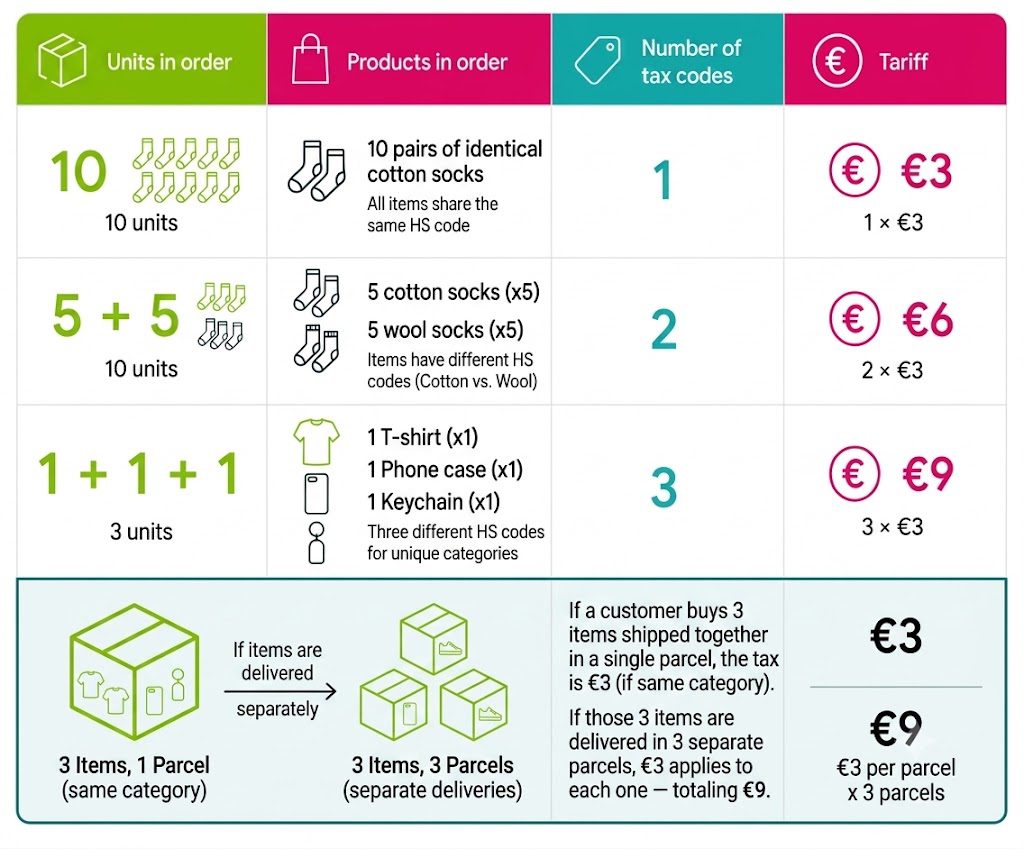
المنطق الأساسي: يتم تفعيل الرسوم لكل رمز النظام المنسق لكل شحنة - وليس لكل وحدة، وليس لكل قيمة طلب، وليس لكل طرد بمفرده. يتحكم متغيران في إجمالي الرسوم: عدد فئات المنتجات المختلفة في الطرد، وعدد الطرود المنفصلة التي ترسلها.
هيكل التكلفة الكامل من يوليو 2026 فصاعدًا
رسوم 3 يورو هي الطبقة الأولى فقط. طبقة منفصلة 2 يورو رسوم المناولة الجمركية لكل جمركي من المتوقع أيضًا في موعد أقصاه 1 نوفمبر 2026، وبذلك تصل الرسوم المجمعة إلى 5 يورو لكل بند بيان جمركي بمجرد تنفيذ كلا الإجراءين بالكامل.
الجدول الزمني:
| التاريخ | شحنة جديدة | الأساس |
|---|---|---|
| 1 يوليو 2026 | رسوم جمركية موحدة بقيمة 3 يورو | لكل سطر إعلان (رمز النظام المنسق لكل طرد) |
| 1 نوفمبر 2026 (آخر موعد) | + 2 يورو + 2 يورو رسوم المناولة | لكل سطر إعلان (نفس الأساس) |
| مجتمعة (اعتباراً من نوفمبر 2026) | إجمالي 5 يورو | لكل رمز النظام المنسق لكل طرد |
لا يتم استرداد الرسوم الجمركية البالغة 3 يورو ورسوم المناولة البالغة 2 يورو بشكل عام على الشحنات المرتجعة أو غير القابلة للتسليم - مما يزيد من التكاليف المرتبطة بالإرجاع والخدمات اللوجستية العكسية لطلبات التجارة الإلكترونية منخفضة القيمة.
تستخدم جميع العمليات الحسابية أدناه 3 يورو للخط الواحد (يوليو/تموز - أكتوبر/تشرين الأول 2026) مع ملاحظة بشأن الزيادة في نوفمبر/تشرين الثاني.
السؤال الأساسي هل تقسيم الطلبات هل تتجنب الرسوم الجمركية للاتحاد الأوروبي؟
وهنا يقع معظم البائعين في خطأ الحدس الخاطئ. فغالباً ما يكون الحدس “شحن الطرود الصغيرة للتحليق تحت الرادار.” تقول الرياضيات خلاف ذلك.
مثال على الرسوم الجمركية للاتحاد الأوروبي بقيمة 3 يورو 1: عميل واحد، ثلاثة منتجات مختلفة
طلب المشتري
- 1× حافظة هاتف (HS 3926.90) - بقيمة 8 يورو
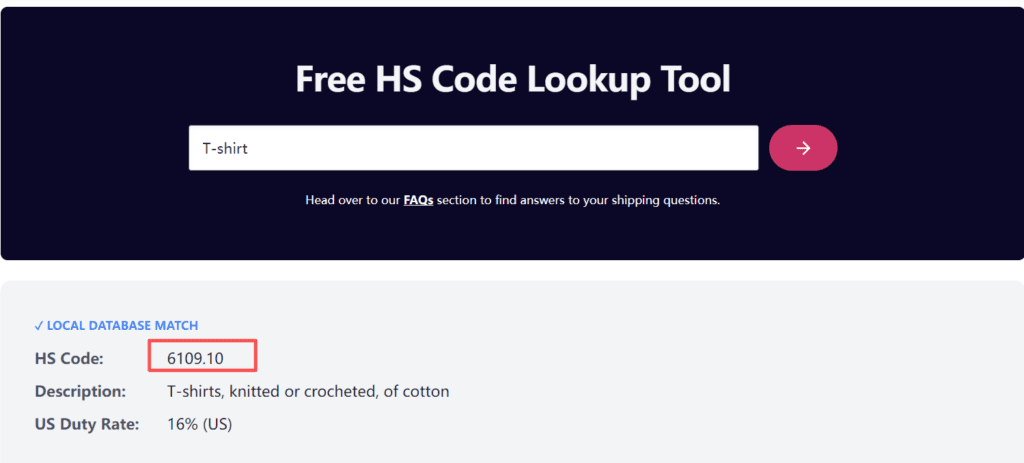
- 1× تي شيرت قطني (HS 6109.10) - بقيمة 12 يورو
- 1× سلسلة مفاتيح (HS 8308.90) - القيمة 5 يورو
- إجمالي قيمة الطلب: 25 يورو
الخيار 1: التقسيم إلى 3 طرود منفصلة
| الطرود | المحتويات | خطوط HS Lines | الرسوم |
|---|---|---|---|
| القطعة 1 | حالة الهاتف | 1 | €3 |
| الطرد 2 | تي شيرت | 1 | €3 |
| القطعة 3 | سلسلة المفاتيح | 1 | €3 |
| الإجمالي | 3 أسطر | €9 |
بالإضافة إلى 3 × رسوم بريد دولية مسجلة (حوالي 3 يورو - 5 يورو لكل منهما) = 9 يورو - 15 يورو للشحن.
إجمالي التكلفة الإضافية: 18 إلى 24 يورو على طلب بقيمة 25 يورو.
الخيار 2: دمج كل 3 في قطعة واحدة
| الطرود | المحتويات | خطوط HS Lines | الرسوم |
|---|---|---|---|
| 1 طرد | حافظة هاتف + تي شيرت + سلسلة مفاتيح | 3 أسطر | €9 |
بالإضافة إلى 1× شحن دولي (أثقل، ولكن طرد واحد) = تقريبًا €5-€8.
إجمالي التكلفة الإضافية: 14 يورو - 17 يورو على طلب بقيمة 25 يورو.
الحكم: الدمج يوفر في تكلفة الشحن ولكن لا يقلل من رسوم 3 يورو عندما تختلف فئات المنتجات. وتبلغ الرسوم 9 يورو في كلتا الحالتين - لأن هناك 3 رموز مختلفة للنظام المنسق بغض النظر عن كيفية تعبئتها.
مثال 3 يورو للرسوم الجمركية في الاتحاد الأوروبي 2: وحدات متعددة، نفس المنتج - حيث يوفر توحيد الطرود أكثر من غيره
طلب المشتري
- 5 × × قمصان قطنية متطابقة (HS 6109.10) - قيمة كل منها 10 يورو = 50 يورو إجمالاً
الخيار 1: التقسيم إلى 5 طرود منفصلة (قميص واحد لكل منها)
| الطرود | المحتويات | خطوط HS Lines | الرسوم |
|---|---|---|---|
| 5 × طرود مفردة | 1 تي شيرت لكل منهما | 1 سطر لكل منهما | €3 × 5 = €15 |
بالإضافة إلى 5 × الشحن: ~حوالي 15 يورو - 25 يورو إجمالاً
إجمالي التكلفة الإضافية: 30-40 يورو على طلب بقيمة 50 يورو.
الخيار 2: جميع القمصان الخمسة في طرد واحد
| الطرود | المحتويات | خطوط HS Lines | الرسوم |
|---|---|---|---|
| 1 طرد مدمج | 5 قمصان تي شيرتات (نفس رمز النظام المنسق) | 1 سطر | €3 |
بالإضافة إلى 1 × الشحن: ~€6-€10
إجمالي التكلفة الإضافية: 9 - 13 يورو على طلب بقيمة 50 يورو.
الحكم: الدمج يفوز بشكل حاسم. نفس رمز النظام المنسق = خط إعلان واحد بغض النظر عن الكمية. إجمالي 3 يورو بدلاً من 15 يورو. التوفير: 12 يورو رسوم جمركية + 9 - 15 يورو رسوم شحن = 21 - 27 يورو موفرة.
مثال 3 يورو للرسوم الجمركية في الاتحاد الأوروبي 3 يورو: سلع مختلطة من نفس الفئة وفئات مختلفة
طلب المشتري
- 3× جوارب قطنية (HS 6115.95) - 4 يورو لكل منها
- 2× جوارب صوف (HS 6115.94) - 6 يورو لكل منهما
- الإجمالي: 24 يورو
هذا هو المكان تمييز رمز النظام المنسق المكون من 6 أرقام أمر بالغ الأهمية. الجوارب القطنية والجوارب الصوفية رموز النظام المنسق المختلفة - نوعين من المنتجات، خطي إعلان.
الخيار 1: 5 طرود فردية
5 طرود × 3 يورو × 3 يورو = €15
الخيار 2: كل 5 في طرد واحد
2 رموز النظام المنسق 2 موجودة → 2 خطوط إعلان 2 → 6 يورو
الخيار 3: طردان موحدان حسب المادة (القطن معًا، الصوف معًا)
2 طردان × 1 رمز النظام المنسق لكل منهما = 2 سطر = 2 سطر €6
الحكم: يتعادل الخياران 2 و3 في تكلفة الشحن (كلاهما 6 يورو). ولكن الخيار 2 يوفر رسوم شحن واحدة. ومع ذلك، إذا كان الجوربان الصوفيان موجهان إلى عنوان تسليم مختلف، فإن الخيار 3 هو الصحيح.
القاعدة الأساسية: الدمج حسب نفس رمز النظام المنسق حيثما أمكن. لا يمكنك تخفيض الرسوم عبر فئات المنتجات المختلفة - يمكنك فقط تخفيض الرسوم عن طريق تجنب تقسيم الطرود غير الضروري داخل نفس الفئة.
معادلة الرياضيات
بالنسبة لأي طلب، فإن إجمالي الرسوم الجمركية للاتحاد الأوروبي هي
الرسوم الإجمالية = عدد رموز النظام المنسق المميزة في الطرد × 3 يورو
وبالنسبة للطلبات المجزأة
إجمالي الرسوم = مجموع (رموز النظام المنسق المميز لكل طرد × 3 يورو) على جميع الطرود
نظرًا لأن التقسيم ينتج عنه دائمًا ≥ نفس عدد مجموعات رموز النظام المنسق للطرود التي ينتج عنها الدمج, التقسيم لا يقلل أبدًا من الرسوم الجمركية - ويزيدها دائمًا تقريبًا بضرب تكاليف الشحن.
اعتبارًا من نوفمبر 2026 فصاعدًا، استبدل 3 يورو ب 5 يورو في المعادلة أعلاه.
عندما يكون تقسيم الطلبات منطقيًا
على الرغم من الرياضيات التي تفضل الدمج، هناك سيناريوهات محددة يكون فيها التقسيم مبررًا من الناحية التشغيلية:
1. وزن الطرد/حدود الأبعاد إذا كان الطرد المدمج سيتجاوز الحد الأقصى للوزن أو الحجم المسموح به لدى شركة النقل (عادةً 2 كجم للبريد الاقتصادي، و30 كجم للبريد العادي)، فإن التقسيم إجباري. في هذه الحالة، ادمج العناصر ذات الرمز HS المتماثل داخل كل طرد مقسَّم لتقليل الخطوط لكل طرد.
2. عناوين توصيل مختلفة يتطلب المشتري الذي يطلب هدايا لعناوين متعددة في الاتحاد الأوروبي طروداً منفصلة. لا يمكن الدمج - قلل الخطوط داخل كل طرد بدلاً من ذلك.
3. عتبات حماية المشتري المختلفة لدى بعض شركات النقل ومقدمي خدمات التأمين حدود لقيمة كل قطعة. بالنسبة للطلبيات عالية القيمة متعددة الأصناف، قد تكون هناك حاجة إلى التقسيم لأسباب تتعلق بالتغطية. استشر شريك الشحن الخاص بك.
4. قيود الوفاء بالمنصة إذا كنت تقوم بالتنفيذ عبر Shein أو Temu أو AliExpress أو منصات مشابهة، فقد تتطلب قواعد التنفيذ الخاصة بهم الإرسال على مستوى العنصر لأسباب تشغيلية. قواعد المنصة تتجاوز استراتيجية التعبئة والتغليف.
خارج هذه السيناريوهات: الدمج. يكافئ هيكل الرسوم بشكل منهجي الدمج ويعاقب على التقسيم غير الضروري.
رفع تشرين الثاني/نوفمبر 2026 لماذا يزداد الأمر سوءًا
من المقرر فرض رسوم مناولة بقيمة 2 يورو لكل شحنة في نوفمبر 2026، وبذلك تصل الرسوم المجمعة إلى 5 يورو لكل بند بيان جمركي بمجرد تنفيذ كلا الإجراءين بالكامل.
إعادة تشغيل السيناريو (ب) (5 قمصان متطابقة) بأسعار نوفمبر:
| الاستراتيجية | الخطوط | معدل تموز/يوليو | معدل تشرين الثاني/نوفمبر |
|---|---|---|---|
| 5 طرود مقسمة | 5 | €3 × 5 = €15 | €5 × 5 = €25 |
| 1 طرد موحد | 1 | €3 × 1 = €3 | €5 × 1 = €5 |
| الوفورات من الدمج | €12 | €20 |
يزداد التوفير من توحيد الطلبات من نفس الفئة مع ارتفاع سعر الخط الواحد. استراتيجية الدمج التي تكون منطقية عند سعر 3 يورو للخط الواحد تصبح أكثر منطقية عند سعر 5 يورو للخط الواحد.
هل شحن DDP التعامل مع رسوم الاتحاد الأوروبي البالغة 3 يورو من أجلك؟
هذا أحد الأسئلة العملية الأكثر بحثًا حول النظام الجمركي الجديد للاتحاد الأوروبي - والإجابة مهمة لكيفية هيكلة الخدمات اللوجستية الخاصة بك.
تحت تسليم DDP (تسليم مدفوع الرسوم المدفوعة) الشحن، يتحمل وكيل الشحن أو شريكك اللوجستي مسؤولية عملية التخليص الجمركي الكاملة في وجهة الاتحاد الأوروبي - بما في ذلك حساب جميع الرسوم والضرائب المطبقة وإيداعها ودفعها نيابةً عنك. ويشمل ذلك الرسوم الثابتة الجديدة بقيمة 3 يورو لكل خط بيان.
ما الذي يعنيه DDP في سياق إصلاح الـ 3 يورو:
- يقوم شريكك اللوجستي بملف القيد الجمركي ويدفع الرسوم الجمركية مباشرةً بقيمة 3 يورو/خط
- ستحصل على عرض أسعار واحد شامل التكلفة الإجمالية للرسوم - بما في ذلك الشحن والتخليص الجمركي والرسوم الجمركية
- لا تصل فاتورة منفصلة للرسوم الجمركية عند التسليم؛ يتلقى المشتري من الاتحاد الأوروبي البضائع دون تدخل الجمارك
- يتم حساب الرسوم الجمركية بشكل صحيح بواسطة وسيط جمركي مرخص - مما يقلل من مخاطر التصنيف الخاطئ للنظام المنسق
ما لا يفعله برنامج DDP:
- لا يقلل من عدد خطوط البيان. يظل الطرد الذي يحتوي على 3 رموز مختلفة للنظام المنسق (HS) يتكبد 3 × 3 يورو = 9 يورو، سواء تم شحنه DDP أم لا
- لا يلغي رسوم المناولة البالغة 2 يورو المتوقعة اعتبارًا من نوفمبر 2026
القيمة العملية للبرنامج الإنمائي في النظام الجديد: تضيف الرسوم البالغة 3 يورو متغيرًا جديدًا يتطلب تصنيفًا دقيقًا لرمز النظام المنسق على كل بند. وفي إطار برنامج DDP، يتولى وكيل الشحن المتوافق هذا التصنيف كجزء من الخدمة - مما يقلل من مخاطر عقوبات التصنيف الخاطئ أو التأخيرات الجمركية التي تقع على عاتقك بموجب برنامج DAP أو فوب الشروط.
للمصدرين الصينيين الذين يشحنون إلى أوروبا, DDP + توحيد الطرود المحسّن (نفس العناصر المعبأة معًا) هو الهيكل الأكثر فعالية من حيث التكلفة بموجب قواعد يوليو 2026.
قائمة مراجعة عملية: تعبئة الطرود بموجب قواعد الشحن الجديدة للتجارة الإلكترونية في الاتحاد الأوروبي
الخطوة 1 - مراجعة كتالوج منتجاتك حسب رمز النظام المنسق (HS) يحتاج كل منتج تقوم بشحنه إلى الاتحاد الأوروبي إلى رمز نظام منسق مؤكد مكون من 6 أرقام. سيتطلب هيكل الرسوم البالغ 3 يورو تصنيفًا دقيقًا على مستوى المنتج - ومن المتوقع أن تطلب سلطات الجمارك في الاتحاد الأوروبي معلومات أكثر تفصيلاً على مستوى المنتج بدءًا من أواخر عام 2026، بما في ذلك رمز التعريف الموحد للمنتج ومعرّفات المنتجات الموحدة مثل GTIN أو EAN أو رموز UPC.
الخطوة 2 - دمج طلبات HS ذات الوحدات المتعددة كطرد واحد 10 عناصر متطابقة من نفس المنتج = خط إعلان واحد = 3 يورو بغض النظر عن الكمية. قم دائمًا بشحن الطلبات متعددة الوحدات من نفس المنتج معًا.
الخطوة 3 - التقليل من تنوع رمز النظام المنسق لكل طرد حيثما أمكن ذلك إذا طلب العميل 3 أنواع مختلفة من المنتجات، فلا يمكنك تجنب 3 × 3 يورو = 9 يورو. ولكن إذا كان بإمكانك شحن هذه العناصر الثلاثة في طرد واحد بدلاً من 3 طرود منفصلة، فإنك توفر تكاليف الشحن دون تغيير مبلغ الرسوم الجمركية.
الخطوة 4 - عدم تجزئة الطلبات لتقليل الرسوم الجمركية إن تقسيم طلبية مكونة من 5 وحدات من نفس المنتج إلى 5 طرود يضاعف الرسوم بمقدار 5. لا يوجد توفير جمركي من التقسيم - فقط زيادة تكلفة الشحن وزيادة عبء المعالجة.
الخطوة 5 - قم الآن بنمذجة التكلفة الموضوعة لسعر نوفمبر 5 يورو قم ببناء تسعير H2 2026 الخاص بك باستخدام 5 يورو/خط كخط أساس. إذا كانت هوامشك تعمل بسعر 5 يورو/خط، فستنجو من التنفيذ الكامل. أما إذا كانت تعمل فقط بسعر 3 يورو/خط، فستكون لديك مشكلة تسعير عليك حلها قبل نوفمبر.
الخطوة 6 - تحقق من الرسوم الإضافية على مستوى البلد بشكل منفصل وقد شرعت عدة دول أعضاء، أبرزها فرنسا وإيطاليا ورومانيا، في فرض رسوم تخليص أو مناولة وطنية. وتختلف هذه الرسوم من الناحية القانونية عن ضريبة القيمة المضافة والرسوم الجمركية، مما يخلق بيئة ضريبية متعددة الطبقات لواردات التجارة الإلكترونية منخفضة القيمة. إن الرسوم التي تبلغ 3 يورو/ 5 يورو على مستوى الاتحاد الأوروبي ليست الرسوم الوحيدة - تحقق من الرسوم الخاصة ببلد الوجهة في أسواقك الرئيسية.
ملخص التواريخ الرئيسية
| التاريخ | الحدث |
|---|---|
| ديسمبر 12, 2025 | الدول الأعضاء في الاتحاد الأوروبي تتوصل إلى اتفاق بشأن الرسوم الجمركية الموحدة بقيمة 3 يورو |
| 11 فبراير 2026 | مجلس الاتحاد الأوروبي يمنح الموافقة التشريعية النهائية |
| 1 يوليو 2026 | يسري خط 3 يورو/إعلان على جميع الشحنات التي تقل قيمتها عن 150 يورو |
| 1 نوفمبر 2026 (آخر موعد) | + 2 يورو رسوم مناولة + 2 يورو لكل خط؛ المجموع 5 يورو/خط |
| ~2028 | الإطلاق الكامل لمركز البيانات الجمركية للاتحاد الأوروبي؛ النظام الدائم يحل محل النظام المؤقت |
الأسئلة المتداولة
س: هل تبلغ الرسوم الجمركية للاتحاد الأوروبي 3 يورو لكل طرد أم لكل سلعة؟ لا هذا ولا ذاك بالضبط. تطبق الرسوم البالغة 3 يورو لكل نوع منتج على أساس رموز تعريفة النظام المنسق المكونة من 6 أرقام - “خط إعلان” واحد. طرد واحد يحتوي على 3 أصناف من نفس نوع المنتج = 3 يورو. طرد واحد يحتوي على 3 أصناف من أنواع منتجات مختلفة = 9 يورو. ثلاثة طرود منفصلة يحتوي كل منها على صنف واحد = 9 يورو. تعتمد الرسوم على عدد رموز النظام المنسق المميزة في الشحنة، وليس عدد الوحدات أو الطرود.
س: هل سيؤدي تقسيم طلبياتي إلى طرود أصغر إلى تجنب ضريبة الاستيراد من الاتحاد الأوروبي لكل طرد؟ لا. تقسيم طلبية المنتج الواحد إلى طرود متعددة يضاعف الرسوم - لا يقللها. طلبية مكونة من 5 وحدات من نفس المنتج يتم شحنها في 5 طرود تتكلف 5 × 3 يورو = 15 يورو. يتكبد الطلب نفسه في طرد واحد 3 يورو. التقسيم هو الاستراتيجية الأكثر تكلفة بموجب القواعد الجديدة للسلع من نفس الفئة.
س: كم تبلغ ضريبة الاستيراد في الاتحاد الأوروبي لكل طرد في عام 2026 للتجارة الإلكترونية؟ اعتبارًا من 1 يوليو 2026: 3 يورو لكل سطر بيان جمركي (= لكل رمز نظام منسق مميز لكل طرد) على الشحنات التي تقل قيمتها عن 150 يورو. اعتبارًا من نوفمبر 2026 (كحد أقصى): رسوم مناولة إضافية بقيمة 2 يورو لكل سطر ليصل المعدل الإجمالي إلى 5 يورو لكل سطر بيان جمركي. كما فرضت فرنسا وإيطاليا ورومانيا رسومًا على المستوى الوطني بالإضافة إلى الرسوم على مستوى الاتحاد الأوروبي.
س: ما هي بعض الأمثلة الحقيقية للرسوم الجمركية للاتحاد الأوروبي بقيمة 3 يورو؟ مثال 1: 10 قمصان متطابقة في طرد واحد = 1 رمز النظام المنسق = إجمالي 3 يورو. مثال 2: 1 تي شيرت + 1 حافظة هاتف + 1 سلسلة مفاتيح في طرد واحد = 3 رموز النظام المنسق = إجمالي 9 يورو. مثال 3: نفس العناصر الثلاثة المشحونة في 3 طرود منفصلة = 3 × 3 يورو = إجمالي 9 يورو. ينتج عن تقسيم وتجميع الفئات المختلفة نفس الرسوم - فقط تجميع العناصر من نفس الفئة يقلل من الرسوم.
س: هل يغطي شحن DDP الرسوم الجمركية للاتحاد الأوروبي البالغة 3 يورو؟ نعم. في إطار الشحن بنظام DDP (التسليم المدفوع الرسوم الجمركية)، يدفع وكيل الشحن الخاص بك جميع الرسوم - بما في ذلك الرسوم الجمركية للاتحاد الأوروبي البالغة 3 يورو/خط - كجزء من الخدمة. تتلقى أنت تكلفة واحدة شاملة للرسوم. لا تقلل خدمة DDP من عدد خطوط البيان الجمركي، ولكنها تضمن التصنيف الصحيح للنظام المنسق ودفع الرسوم من قبل وسيط جمركي مرخص، مما يزيل مخاطر التصنيف الخاطئ منك.
س: كيف يمكنني تقليل تكاليف استيراد التجارة الإلكترونية من الاتحاد الأوروبي بموجب القواعد الجديدة؟ ثلاثة مبادئ: (1) دمج الأصناف التي تحمل نفس رمز النظام المنسق في طرد واحد - وحدات متعددة من نفس المنتج = خط بيان واحد = 3 يورو. (2) تقليل عدد فئات المنتجات المختلفة لكل طرد - كل رمز نظام منسق متميز يضيف 3 يورو. (3) استخدام الشحن DDP لضمان التصنيف الصحيح والتعامل مع الرسوم الجمركية، خاصة وأن سلطات الاتحاد الأوروبي تقدم متطلبات بيانات أكثر صرامة على مستوى المنتج في أواخر عام 2026.
س: هل تنطبق رسوم الاتحاد الأوروبي البالغة 3 يورو على المرتجعات؟ لا يمكن استرداد الرسوم الثابتة البالغة 3 يورو ورسوم المناولة البالغة 2 يورو بشكل عام على الشحنات المرتجعة أو غير القابلة للتسليم. وهذا يزيد من تكلفة المرتجعات في الاتحاد الأوروبي بالنسبة للتجارة الإلكترونية منخفضة القيمة - ضع ذلك في الاعتبار في سياسة المرتجعات والتسعير الذي تواجهه مع العملاء قبل يوليو 2026.
توفر شركة Vantage Forwarding خدمة الشحن DDP من الصين إلى أوروبا - مع تصنيف رمز النظام المنسق المتوافق، ومعالجة رسوم خط البيان الجمركي 3 يورو، وإرشادات تعبئة الطرود المدمجة في سير العمل اللوجستي بين الصين والاتحاد الأوروبي. بالنسبة للبائعين الذين يديرون شحنات الاتحاد الأوروبي متعددة وحدات الكميات في ظل النظام الجمركي الجديد, اطلب تقدير تكلفة الهبوط DDP لمسار الاتحاد الأوروبي الخاص بك → المصادر: قرار مجلس الاتحاد الأوروبي (12 ديسمبر 2025)؛ الموافقة التشريعية النهائية لمجلس الاتحاد الأوروبي (11 فبراير 2026)؛ الركن الصحفي للمفوضية الأوروبية (11 ديسمبر 2025)؛ رويترز (12 ديسمبر 2025)؛ تحليل جمارك الاتحاد الأوروبي العالمي لجوازات السفر (مايو 2026)؛ دليل أفالارا للإصلاح الجمركي في الاتحاد الأوروبي (فبراير 2026)
تم النشر: مايو 2026 المصادر: قرار مجلس الاتحاد الأوروبي (12 ديسمبر 2025)؛ الموافقة التشريعية النهائية لمجلس الاتحاد الأوروبي (11 فبراير 2026)؛ الركن الصحفي للمفوضية الأوروبية (11 ديسمبر 2025)؛ رويترز (12 ديسمبر 2025)؛ تحليل جمارك الاتحاد الأوروبي العالمي لجوازات السفر (مايو 2026)؛ دليل أفالارا للإصلاح الجمركي في الاتحاد الأوروبي (فبراير 2026)
 English
  Chinese
  Arabic
  French
  German
  Portuguese
  Spanish