Sourcing products through digital marketplaces like Alibaba or Made-in-China is highly efficient. However, selecting a reliable logistics partner on these B2B platforms requires rigorous vetting.
Many global buyers fall victim to unauthorized shipping agents who offer impossibly low rates, only to disrupt supply chain resilience later. Navigating these hidden logistics vulnerabilities is critical to stabilizing total landed costs.
A transparent freight procurement strategy minimizes transit anomalies and protects inventory from border holds. This operational manual outlines the major logistics red flags on Chinese supplier platforms and details the standard industrial protocols used to verify cross-border providers.
1. The Low-Ball Quote Trap: Resolving Bait-and-Switch Pricing
The most frequent anomaly reported on digital trade platforms is the ultra-low baseline shipping quote. Rogue operators routinely present freight rates that sit 30% below the certified market average just to win the initial booking.
Once the inventory is secured within the provider’s domestic warehouse in China, the pricing structure is abruptly altered. Unverified agents generate fabricated terminal loading fees, premium handling charges, or unitemized documentation surcharges.
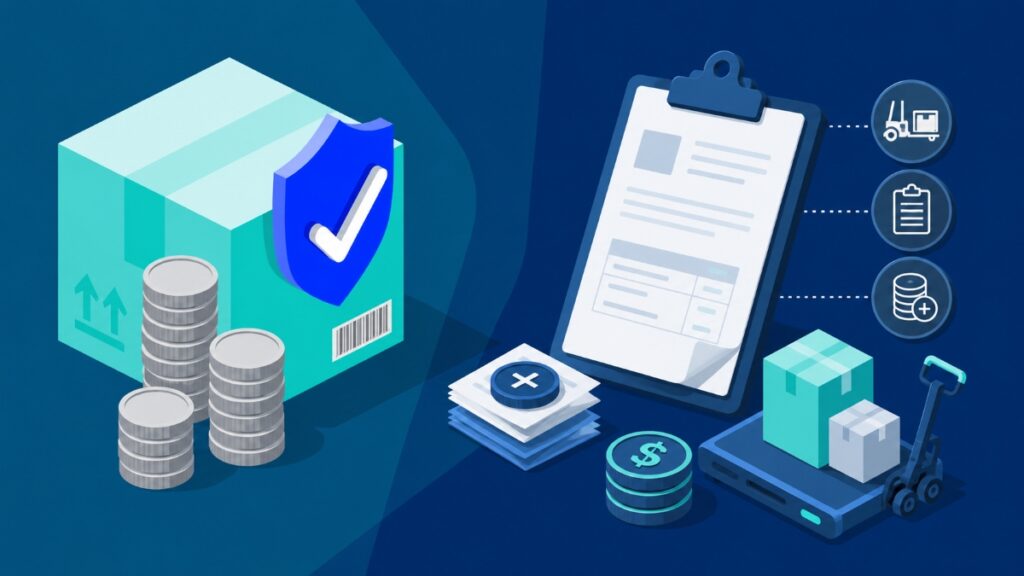
If the importer disputes these unexpected expenses, the agent may refuse to release the cargo, forcing a costly stalemate that delays retail fulfillment.
Industry Best Practice: How Legitimate Forwarders Operate
Certified logistics organizations strictly provide binding, itemized pricing matrices prior to cargo dispatch. Importers must demand a comprehensive cost breakdown that clearly separates origin local fees, ocean or air freight main carriage, destination port handling charges, and final-mile delivery drayage. Securing a fixed contractual cost model guarantees total landed cost transparency before the vessel departs the origin port.
2. Corporate Identity Theft: Vetting Shadow Operators
Marketplace business profiles can be easily falsified by unvetted intermediaries. Shadow brokers frequently clone the corporate names, business licenses, and official NVOCC (Non-Vessel Operating Common Carrier) registration numbers of established international logistics brands.
These entities claim to operate vast physical fulfillment networks. In practice, they often lack formal warehouse infrastructure, hold no direct carrier contracts with shipping lines, and possess zero carrier liability insurance to protect against cargo damage.
Industry Best Practice: How Legitimate Forwarders Operate
Established freight forwarders possess verifiable regulatory credentials that can be cross-checked through official global maritime databases. Importers must independently verify the provider’s active licensing status.
For example, any legitimate operator handling international transshipments can be verified directly via the FMC (Federal Maritime Commission) database. Cross-checking corporate filings against official government registries immediately exposes shadow brokers.
3. Commercial Document Fraud: Eliminating Border Compliance Risks
To lower their operational costs artificially, non-compliant shipping agents frequently falsify shipping manifests and commercial invoices. They deliberately misclassify high-value items under generic commodity codes or drastically under-declare the actual commercial value of the cargo to minimize duty obligations.
These illegal practices trigger automated compliance alerts during modern electronic customs audits. When border authorities detect valuation or classification mismatches, the entire shipping container is flagged for mandatory physical enforcement actions.
- The Financial Risk: Misdeclared Harmonized System (HS) codes trigger an average of 7 to 10 additional days in customs detention.
- Demurrage Impact: This operational delay costs importers between $200 and $500 per day in continuous terminal demurrage and storage fees.
- Physical Protection: Manual cargo inspections often cause physical damage to delicate retail packaging because border officials routinely rip off secondary shields to inspect cargo.
Industry Best Practice: How Legitimate Forwarders Operate
Compliant global logistics companies employ dedicated in-house customs brokers who perform rigorous pre-shipment document audits. All product specifications, packing lists, and commercial invoices are synchronized before the container is sealed at the origin hub.

4. Opaque Tracking Frameworks: Eradicating the Logistics Black Box
Rogue freight forwarders frequently resist providing transparent carrier tracking updates. Instead of supplying an official Master Bill of Lading (MBL) or a trackable House Bill of Lading (HBL), they offer manual text updates or unverified spreadsheets. This lack of visibility creates severe supply chain blind spots.
Opaque tracking systems conceal critical operational issues from the importer, including:
- Unauthorized container offloading or missed vessel connections at the transshipment port.
- Extended origin warehouse delays where cargo is held until the agent finds a cheaper spot-rate slot.
- Sudden final-mile delivery failures that cause importers to miss strict delivery windows at third-party fulfillment centers.
Industry Best Practice: How Legitimate Forwarders Operate
Professional logistics operations rely on automated, real-time shipment milestone tracking. Importers must receive direct access to carrier-validated vessel or flight tracking data from day one. Digital visibility allows supply chain managers to monitor container locations continuously, anticipate terminal arrival dates, and accurately schedule domestic final-mile distribution teams.

5. Standard Operational Checklist for Forwarder Verification
To protect corporate capital and preserve supply chain resilience, global procurement managers must implement a standardized vetting process before booking cargo:
- Verify Infrastructure: Confirm the physical addresses and operational hours of the forwarder’s domestic consolidation warehouses in China.
- Audit Licensing: Demand formal documentation of international carrier registrations and check corporate credentials against official regulatory databases.
- Enforce Itemization: Reject any freight quotation that fails to list individual origin, transit, and destination port fees explicitly.
- Establish Tracking Standards: Mandate the provision of trackable House Bills of Lading linked directly to verified vessel tracking platforms.
- Review Customs Protocols: Ensure the logistics provider mandates a thorough review of HS codes and commercial values prior to container loading.
تُزيل الشراكة الشفافة في مجال الشحن التخمينات التشغيلية، مما يضمن وصول شحنتك بأمان والحفاظ على مرونة سلسلة التوريد الخاصة بك. إن الشراكة مع وكيل شحن معتمد يلتزم بالامتثال للمعايير، مثل «فانتاج فورواردينج»، تضمن الالتزام السلس بهذه البروتوكولات الأمنية الصارمة، مما يحافظ على الحماية الكاملة لمسارات تجارتك الدولية.


 English
  Chinese
  Arabic
  French
  German
  Portuguese
  Spanish