The 5% duty and 5% VAT baseline
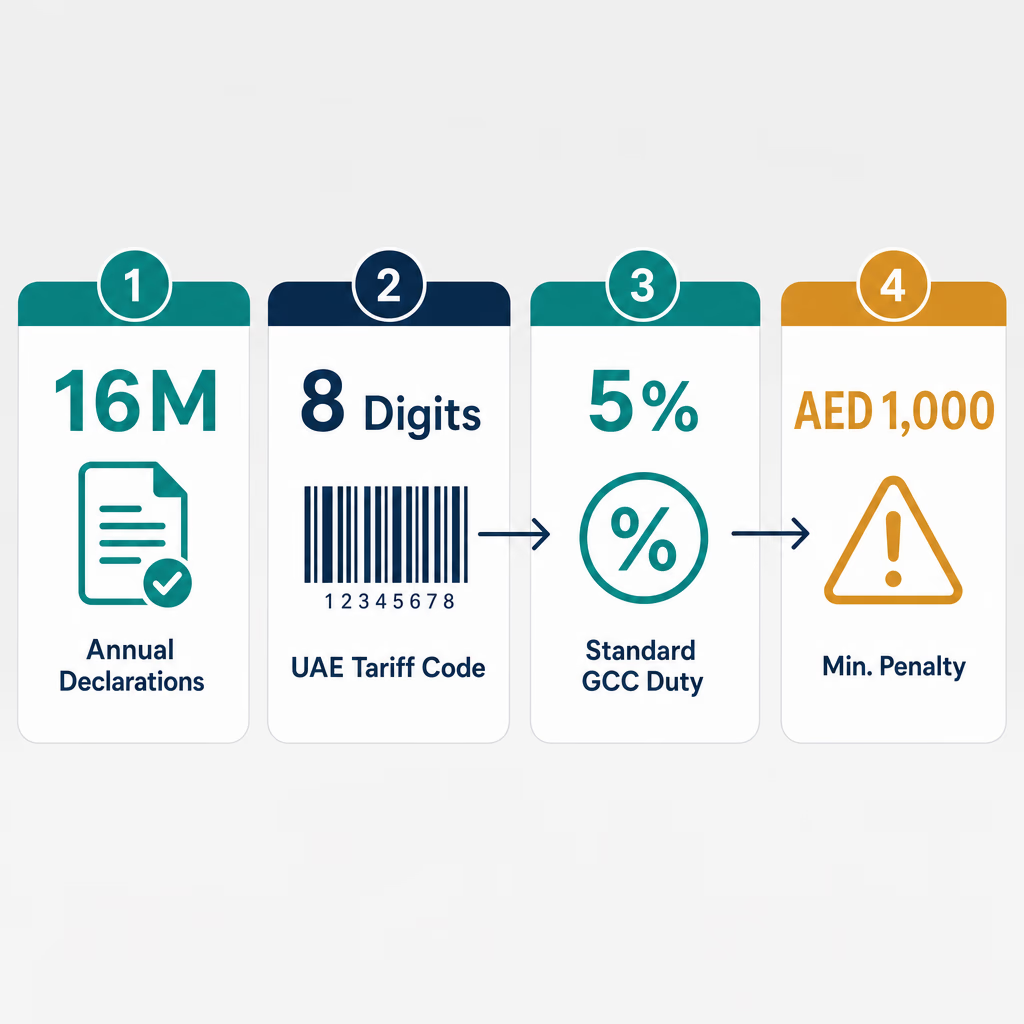
For most goods entering the UAE mainland from China, the tax bill is refreshingly simple: a 5% customs duty plus a 5% VAT, both calculated on the CIF value of the shipment. Unlike many markets with layered state and federal tariffs, the UAE applies one flat duty rate to the large majority of traded goods.
The 5% rate reflects the UAE’s role as a re-export and trading hub: a low, predictable duty keeps the country competitive for goods that may only pass through. It is also why the system leans on valuation accuracy rather than high rates — the state collects a small, stable cut on a large volume of trade. For an importer, that means planning is straightforward: take 5% of CIF and you have your duty, almost every time.
The VAT is charged at 5% on the CIF value plus the duty. A VAT-registered business can reclaim that VAT on its periodic return, so for compliant importers the effective cost is the 5% duty plus the financing float, not a doubled tax. Unregistered traders and end consumers carry the VAT as a real cost.

This baseline is the number every China to UAE sea freight budget should start from. Before you compare supplier quotes or Incoterms, know that roughly one in ten of your CIF value will become UAE tax on a standard shipment.
How CIF value is calculated
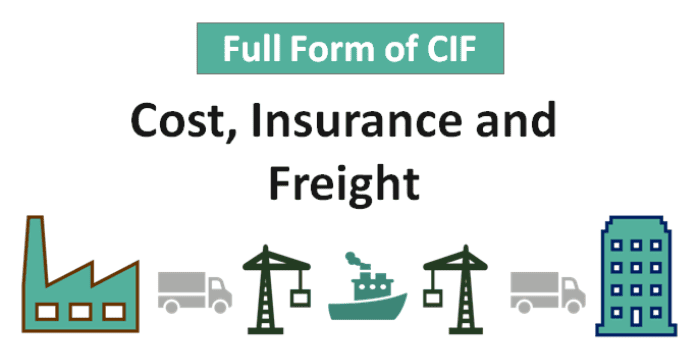
CIF stands for Cost, Insurance and Freight. UAE customs assesses duty and VAT on this landed value, not on the factory price alone:
- Cost — the transaction value of the goods on the commercial invoice.
- Insurance — the premium to cover the cargo to the port of discharge.
- Freight — the ocean freight to the UAE port.
Add those three and you have the CIF value. Royalties or licence fees that are a condition of the sale are included in the customs value, so a low invoice with a separate paid licence can still be assessed on the full economic value.
A worked example keeps it concrete. Take a Shenzhen 40HQ shipment with goods worth USD 20,000, ocean freight USD 2,200, BAF USD 300, THC USD 300, documentation USD 80 and insurance USD 60. The CIF value is about USD 22,260. Duty at 5% is USD 1,113; VAT at 5% on CIF plus duty is a further USD 1,113; MOFAIC attestation is about USD 41; final-mile delivery roughly USD 260. Total landed cost on top of goods is about USD 5,457.
The takeaway: freight and insurance choices move your duty base. A cheaper INCOTERM that shifts freight to the buyer still lands in the same CIF pot at the border.
For LCL shipments the same math applies per cubic metre. If you consolidate 8 CBM of goods worth USD 6,000 with freight about USD 600 and insurance USD 20, your CIF is roughly USD 6,620, so duty and VAT land near USD 662 combined. LCL lets small importers pay tax only on the volume they actually ship, which is why the CIF basis matters as much for a shared container as a full one.
Exemptions and higher rates
The 5% rate is the default, not the universal rule. Key variations:
- 0% duty — many foodstuffs and pharmaceuticals; goods with qualifying GCC origin status.
- 50% duty — alcoholic beverages.
- 100%+ — tobacco and tobacco products, plus the separate excise tax on sin goods.
- GCC-origin goods — products meeting GCC rules of origin enter at 0% duty.
Note the GCC point carefully. Goods manufactured in a GCC member state and meeting origin rules are not “China-origin” for duty purposes, so they clear at 0%. A China-made component assembled into a qualifying GCC product can change its treatment entirely.
A practical planning angle: if you assemble in the UAE free zone using some China-origin parts and some local or GCC content, the finished product’s origin can shift, changing its duty treatment on mainland entry. Origin rules are factual, not negotiable, so document your bill of materials. Getting origin right can move a product from 5% to 0% on the portion that qualifies.
Your HS code decides which band applies. A misclassified “food” that is actually a fortified supplement, or a “toy” that is really an electronics item, can swing the rate from 0% to 5% and trigger extra approvals. Classification is not a clerical step; it is a tax step.
Beyond duty, specific goods carry excise tax — 50% on carbonated and energy drinks, 100% on tobacco — applied on top of any customs duty. These are not negotiated at the border; they are built into the HS classification and the importer’s licence scope. If you trade in controlled categories, confirm your licence and the exact sub-code before you commit to a supplier, because a wrong assumption turns a margin into a loss.
12-digit HS codes and the 2026 mandate
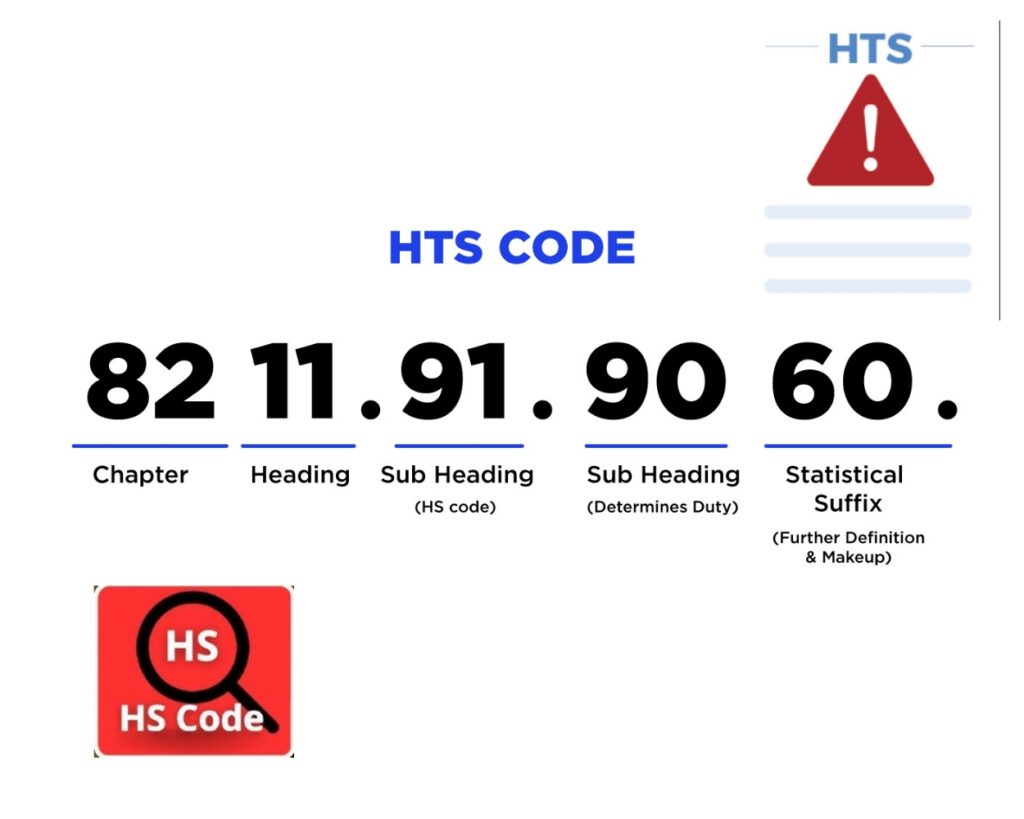
From August 2026, the UAE requires the 12-digit HS code for imports into the mainland from the rest of the world, including China. The older 8-digit codes remain valid only for GCC-internal movements. The extra digits pin down sub-category, origin nuances and any special regime that affects your rate.
You can verify the correct 12-digit classification and the applicable duty on the UAE customs tariff portal: icp.gov.ae (Central Customs Tariff). Look up the code before you issue the commercial invoice, because the rate and any restrictions flow directly from it.
Importers who still file 8-digit codes in 2026 will face corrections or rejection at the customs clearance process, which means storage fees while you fix paperwork. Build the 12-digit code into your invoice template during 2025 and the transition becomes invisible.
Free zones: duty suspended, not exempt
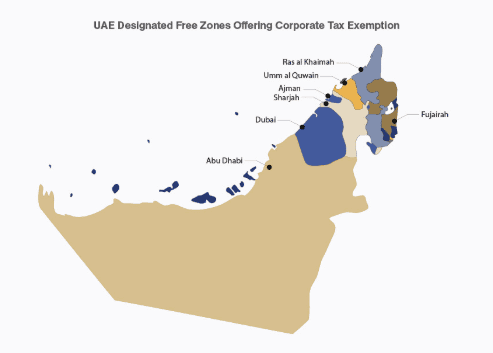
The UAE free zones — JAFZA (Dubai), AFZA (Fujairah) and KIZAD (Abu Dhabi) — suspend duty and VAT on goods admitted for re-export or in-zone use. That is a deferral, not a forgiveness. The moment those goods cross from the zone into the UAE mainland, the 5% duty and 5% VAT apply on the CIF value, exactly as if they had cleared at the port.
This matters for two planning decisions. First, if you re-export the majority of a China shipment, holding it in a free zone can mean you pay UAE tax on only the small mainland-bound slice. Second, if your model is “import and sell locally,” the free zone saves you nothing on the tax itself — it only changes timing and may add a zone-handling fee.
The clean mental model: free zones win when goods leave the country or stay in-zone; mainland clearance wins when goods are destined for UAE customers from day one.
Consider a 20GP of promotional goods worth USD 15,000 routed through KIZAD for regional distribution. Admitted to the zone, it accrues no UAE tax. When 60% is re-exported to Oman and only 40% enters the Abu Dhabi mainland, duty and VAT apply to just USD 6,000 — about USD 600 total, versus USD 1,500 had the whole box cleared at the port. The zone is a cash-flow tool, not just a warehouse.
Estimate your landed cost
Landed cost is the only number that tells you whether a China purchase actually makes money in the UAE. It is goods value, plus international freight and insurance, plus 5% duty, plus 5% VAT (recoverable if you are VAT-registered), plus attestation, plus mainland delivery.
Who pays each piece depends on your contract. Under FOB the buyer owns freight and the border tax; under DDP the seller carries it. Our guide to Incoterms and who pays duty shows the split by term so you can price like-for-like across supplier quotes.
One planning note: the 5% duty is low by global standards, but it is not zero, and it stacks with freight volatility in 2026. Model it on every quote, because a supplier offering a 3% cheaper unit price can still be the pricier choice once CIF duty, VAT and delivery are included.
If you want the tax handled inside the freight quote, DDP covers duty and VAT as part of a single delivered price, which removes the surprise of a separate customs bill. If you trade regularly, build a simple landed-cost sheet with these lines as fixed columns; the only variables are goods value, freight and your HS-driven rate. A ten-minute template prevents a hundred last-minute surprises.
Send us your goods value, HS code and destination emirate. We will return a full landed-cost picture — duty, VAT, attestation and delivery — so your margin forecast rests on the real UAE number, not a guess.
FAQ
What is the UAE import duty rate from China?
Most goods pay a 5% customs duty on the CIF value, plus 5% VAT. Food, medicine and GCC-origin goods can be 0%, while alcohol is 50% and tobacco 100% or more.
Is UAE VAT recoverable on imports?
Yes. VAT-registered businesses can reclaim the 5% import VAT on their return, so the effective border cost for compliant importers is mainly the 5% duty.
When do 12-digit HS codes become mandatory?
From August 2026, the 12-digit HS code is mandatory for UAE mainland imports from the rest of the world, including China. You can check classifications at icp.gov.ae.
 English
  Chinese
  Arabic
  French
  German
  Portuguese
  Spanish