Seeing “shipment on hold” in your DHL tracking is frustrating—especially when you don’t know why it happened or how long it will last. The good news: a DHL shipment on hold is rarely lost. In most cases, it’s a temporary pause that requires a specific action from you, the shipper, or the receiver.
In this guide, we explain exactly what the status means, the 7 most common reasons behind it, how long each type of hold typically takes to resolve, and the step-by-step process to get your package moving again.
What Does “Shipment on Hold” Mean in DHL Tracking?
“Shipment on hold” means your package has been temporarily stopped at a DHL facility or customs checkpoint and cannot continue to its destination until an issue is resolved. It is an alert status, not a final one—your shipment is safe, but it usually needs intervention from the sender or receiver before transit resumes.
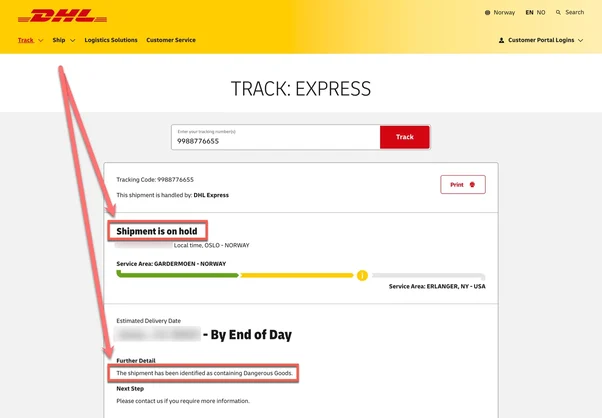
This is different from “clearance event” or “clearance delay,” which refer specifically to customs processing. A hold can happen at any point: origin, transit hub, customs, or final-mile delivery.
Key fact: If a DHL shipment on hold is not resolved within approximately 7 days, DHL may return the package to the sender or, in some cases, dispose of it after the holding period expires. Acting quickly matters.
Why Is My DHL Shipment on Hold? 7 Common Reasons
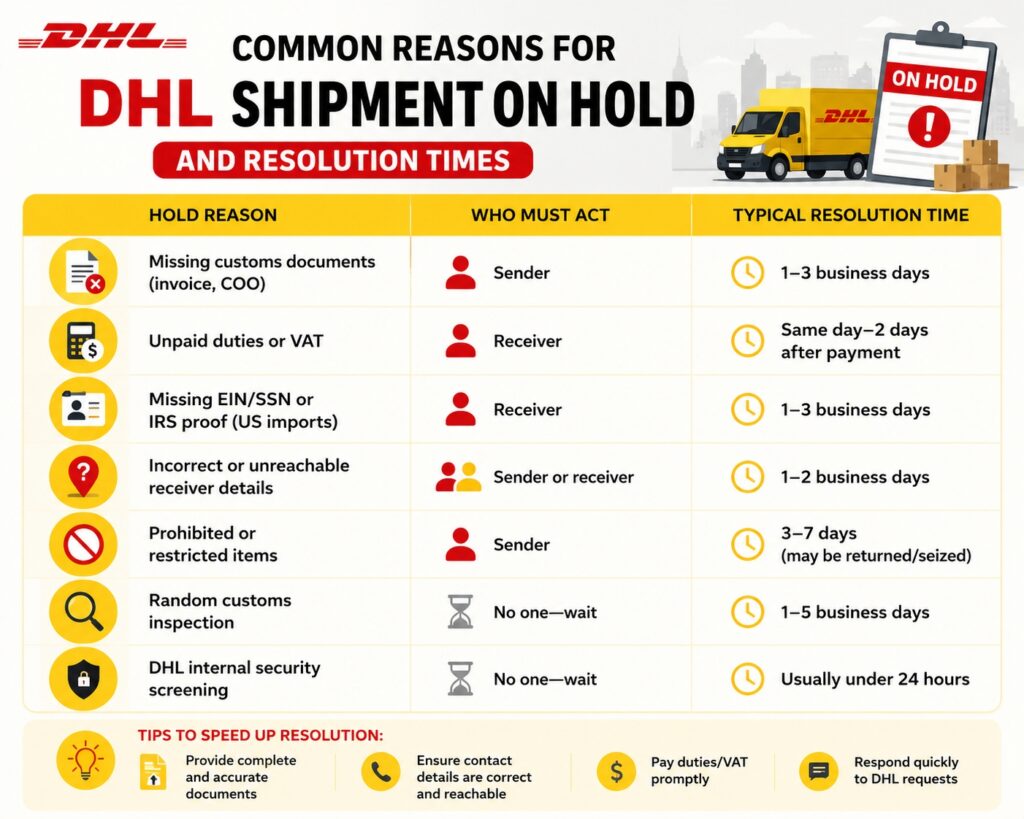
Based on our experience handling thousands of China–US and China–EU shipments, holds fall into seven categories. The table below shows each reason, who needs to act, and the typical resolution time.
| Hold Reason | Who Must Act | Typical Resolution Time |
|---|---|---|
| Missing customs documents (invoice, COO) | Sender | 1–3 business days |
| Unpaid duties or VAT | Receiver | Same day–2 days after payment |
| Missing EIN/SSN or IRS proof (US imports) | Receiver | 1–3 business days |
| Incorrect or unreachable receiver details | Sender or receiver | 1–2 business days |
| Prohibited or restricted items | Sender | 3–7 days (may be returned/seized) |
| Random customs inspection | No one—wait | 1–5 business days |
| DHL internal security screening | No one—wait | Usually under 24 hours |
1. Customs Clearance Problems
The single most common cause of a shipment on hold with DHL is incomplete or inaccurate customs paperwork. Typical issues include:
- Missing commercial invoice or certificate of origin
- Vague product descriptions (“gift,” “samples,” “accessories”)
- Declared value that doesn’t match the actual goods
- Missing importer tax ID (EIN/SSN for US shipments, EORI for EU shipments)
DHL clearance teams cannot release a package until customs requirements are met, so the hold remains until corrected documents are submitted.
2. Unpaid Duties and Taxes
If import duty or VAT is owed and unpaid, customs will not release the goods. For US imports, this has become more common since recent tariff changes—shipments that previously cleared duty-free may now trigger charges. DHL usually emails or texts the receiver a payment link; the package is released within 24–48 hours after payment.
3. Missing EIN/SSN or IRS Documentation (US Shipments)
US Customs requires an importer identification number for many commercial shipments. If the receiver hasn’t provided an EIN (businesses) or SSN (individuals), DHL places the shipment on hold and contacts the receiver. Preparing these documents before shipping prevents this entirely.
4. Incorrect Receiver Information
A wrong address, a disconnected phone number, or an absent receiver can all trigger a hold at the destination facility. DHL attempts contact 2–3 times before escalating.
5. Prohibited or Restricted Items
Liquids, powders, batteries, electronics with lithium cells, counterfeit-branded goods, and other restricted items can be stopped at screening. Depending on the destination country’s rules, these shipments may be returned, destroyed, or seized—this is the one hold type that often cannot be “fixed” after the fact.
6. Random Customs Inspection
Customs authorities in every country select a percentage of shipments for physical examination. No action is needed from you; the hold lifts automatically once inspection is complete, typically within 1–5 business days.
7. DHL Security Screening
DHL runs its own routine security checks at major hubs. These holds are normal operational procedure and usually clear within 24 hours without any tracking explanation.
How to Fix a DHL Shipment on Hold: Step-by-Step
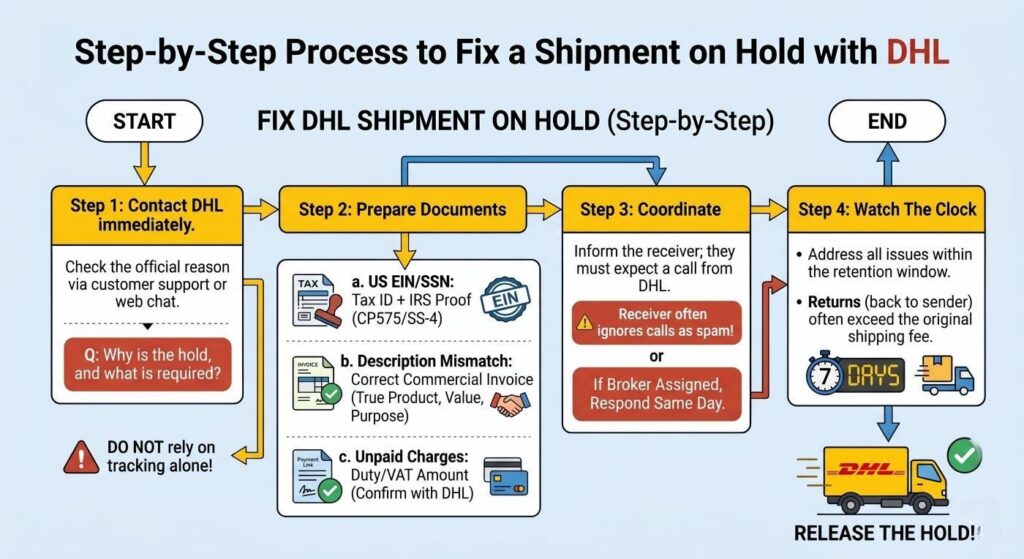
Step 1: Contact DHL with your tracking number.
Step 2: Prepare the exact documents requested.
– For declaration mismatches: provide a corrected commercial invoice stating the true product name, value, and purpose (commercial sale, sample, personal use)
– For unpaid charges: confirm the duty/VAT amount with DHL and pay through the official payment link immediately
Step 3: Coordinate with the clearance broker.
Step 4: Watch the 7-day clock.
How Long Does a DHL Hold Last?
There is no single answer—it depends entirely on the cause:
- Security screening: under 24 hours
- Duty payment: released within 1–2 days after payment
- Document issues: 1–3 business days after correct documents are submitted
- Random inspection: 1–5 business days, no action needed
- Restricted goods: 3–7 days, and the package may not be released at all
If your tracking has shown “on hold” for more than 5 business days with no contact from DHL, call them directly—silence usually means a message to the receiver went unanswered.
How to Prevent Future Holds
Prevention is cheaper than resolution. Before every shipment:
- Check the destination country’s prohibited and restricted items list. What’s legal to export from China may be illegal to import elsewhere.
- Declare honestly and specifically. Use precise product names, accurate values, and a clear purpose. Under-declaring to save duty is the fastest route to a clearance hold—or a penalty.
- Verify receiver details. Full name, complete address with postal code, and a working local phone number.
- Pre-collect importer tax IDs. For US-bound commercial shipments, get the receiver’s EIN/SSN before the goods leave China.
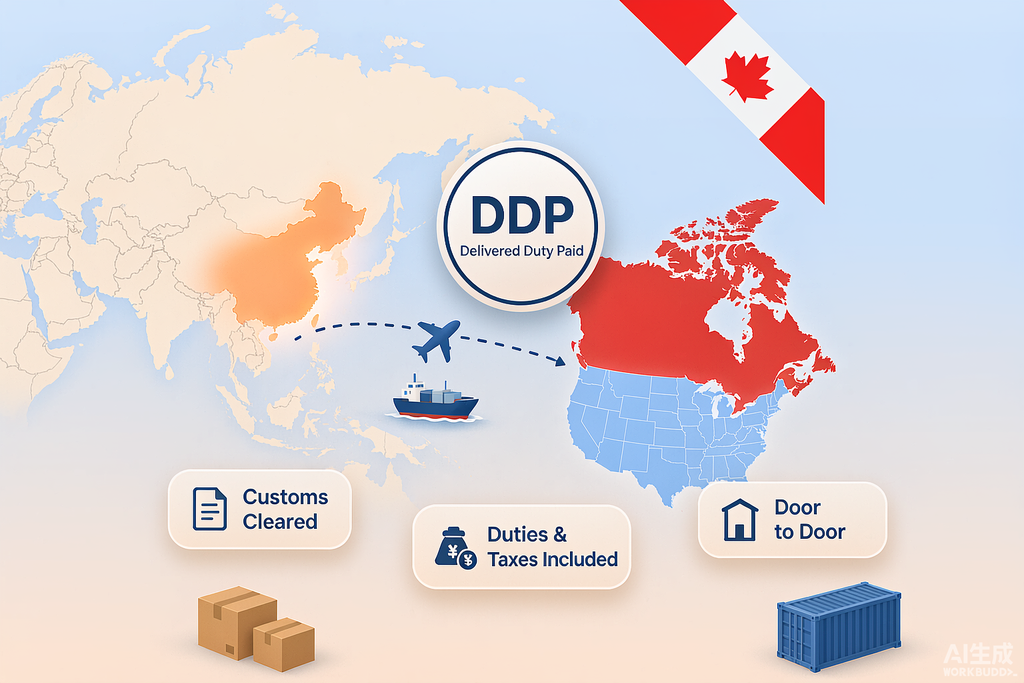
- Consider DDP shipping. With Delivered Duty Paid service, duties, taxes, and clearance are handled by your forwarder before the shipment arrives—eliminating the two most common hold causes (unpaid charges and missing documents). Learn more in our DDP shipping guide or explore expert tips to reduce your DHL international shipping costs..
When a Hold Becomes a Claim
If your shipment is damaged or lost during an extended hold, DHL’s claims process applies: claims are typically handled locally by staff who speak the local language, resolved within 30 days, and paid in local currency. Note that standard DHL cargo insurance may not cover high-risk destinations or special cargo categories—verify coverage before shipping valuable goods, or arrange third-party cargo insurance through your freight forwarder.
 English
  Chinese
  Arabic
  French
  German
  Portuguese
  Spanish