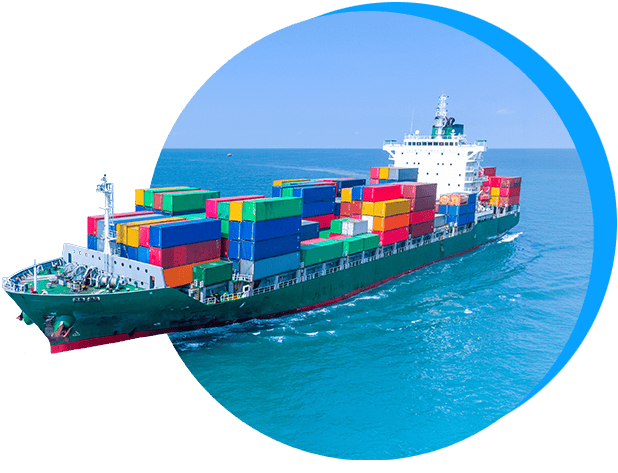
Managing international supply chains requires a clear understanding of destination regulations, especially when looking to minimize operational friction and protect product margins. While sourcing cheap shipping from china remains a primary logistical goal for cross-border businesses, identifying the most dependable path requires balancing upfront transport fees against transit days and total landed costs.
Relying on unvetted, low-cost transport pipelines often introduces unexpected regulatory friction, port holds, and severe financial liabilities at destination borders. To support an efficient supply chain, modern enterprises look for structured transport pathways that provide clear fiscal oversight and compliance verification.
Before selecting an economic freight channel for your commercial inventory, it is useful to evaluate the complete distribution network. For a tactical deep dive into cost allocation, legal liabilities, and risk mitigation across global shipping lanes, review our definitive manual on DDP shipping from China.

Importers can secure the cheapest china shipping rates by aligning cargo specifications with specialized transport lanes. For bulk commodities and large palletized freight, ocean freight consolidation (LCL) and Full Container Load (FCL) transit represent the most competitive budget freight china options. To prevent costly port holds and protect your commercial standing, always utilize a freight quote comparison that guarantees access to official customs clearance records post-release.
5 Cheapest Shipping Methods from China
Selecting an economic transport lane requires a careful balance between upfront transport fees and required delivery timelines. The following five logistics models provide the most effective strategies for reducing international transport overheads:
1. Sea Freight Consolidation (Less-than-Container Load – LCL)
For cargo shipments that do not fill an entire 20-foot or 40-foot ocean container, sea freight consolidation offers an exceptionally competitive rate. By sharing container space with other commercial shippers, businesses pay only for the exact cubic volume (CBM) or weight their inventory occupies.
2. Full Container Load (FCL) Ocean Freight
When shipping large quantities of goods that exceed 15 CBM, booking a dedicated Full Container Load is typically the most economical option per unit. FCL routes reduce intermediate warehouse handling steps, lowering the probability of transit damage and simplifying document matching at the port of entry.
3. Cross-Border International Rail Freight
For enterprises distributing cargo into continental Europe or Central Asia, rail freight serves as an exceptional alternative to ocean pathways. It bridges the operational gap between maritime routes and air transit, delivering faster transit times at a fraction of the cost of standard air freight.
4. Economy Air Freight Lanes
When urgent inventory constraints prevent the use of surface transportation, economy air freight provides a structured solution for mid-weight cargo batches. By utilizing secondary air terminals and deferred airline schedules, importers can reduce their upfront transport expenses compared to premium express courier rates.
5. Multi-Modal Cross-Border Road Freight
Overland trucking networks across major trading corridors provide an agile, high-volume routing alternative. This method utilizes consolidated border-crossing procedures and specialized customs-cleared delivery paths, offering predictable pricing for industrial components and e-commerce goods.
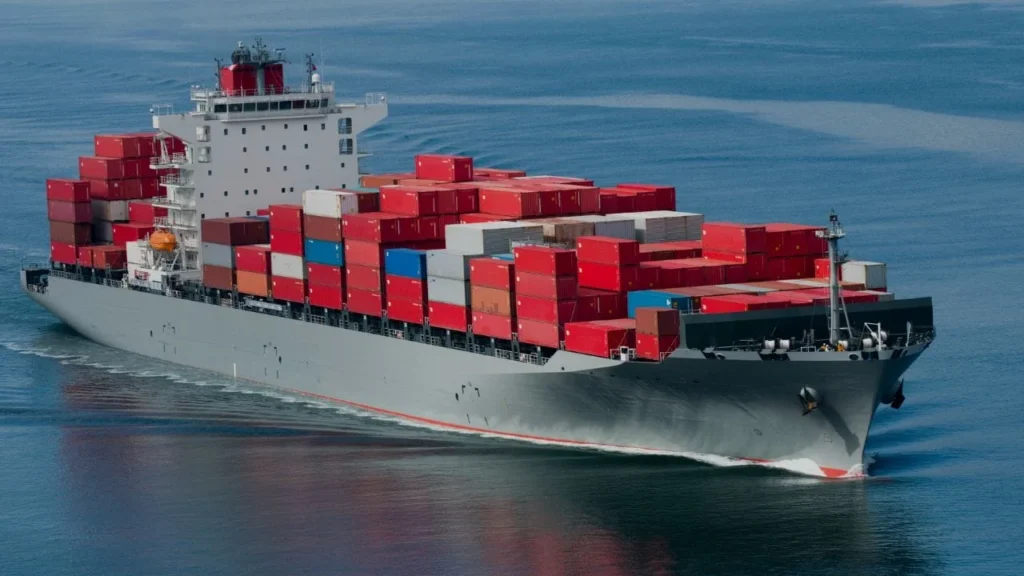
Comparing Cost, Transit Time, and Best Operational Use Cases
The following comparison table outlines the baseline features of the five cheap shipping methods to help you calculate your landed costs:
| Shipping Method | Upfront Cost Level | Average Transit Window | Best Operational Use Case |
| Sea Freight (LCL) | Exceptionally Low | 30–45 Business Days | Palletized commercial shipments over 150 kg with flexible timelines. |
| Sea Freight (FCL) | Lowest Per Product Unit | 25–40 Business Days | Bulk industrial components, raw materials, or peak-season stocks. |
| Rail Freight | Moderate to Low | 15–20 Business Days | Mid-tier industrial freight and time-sensitive land-locked distribution. |
| Economy Air Freight | High (Budget for Air) | 6–10 Business Days | High-value consumer electronics or critical factory parts replenishment. |
| International Road Freight | Moderate | 12–18 Business Days | E-commerce parcel batches and flexible industrial distribution lanes. |
Example Scenario: Cheap Quotes vs. Hidden Destination Charges
An importer receives two distinct DDP freight quotes for a 5 CBM commercial electronics shipment from Shenzhen to a fulfillment center in Los Angeles:
- Quote A (The Low-Cost Option): An unvetted online forwarder offers an extremely cheap port-to-port rate but omits destination terminal handling charges, customs clearance line items, and final-mile cartage.
- Quote B (The Transparent Option): Vantage Forwarding structures an itemized quote that includes origin handling, ocean freight, export documentation review, and clear import delivery terms.
The importer selects Quote A to save on upfront costs. However, upon arrival at the Port of Los Angeles, the shipment faces extended customs questions because the commercial invoice lacks proper HS code alignment.
The container is delayed at the terminal, resulting in unexpected demurrage and detention charges that quickly exceed the initial savings. This typical risk scenario highlights why a complete freight quote comparison must evaluate total landed costs rather than just the initial freight fee.
Common Red Flags in Non-Compliant Budget Freight Channels
Opaque or unvetted low-cost transport routes often disguise structural liabilities that can cause severe disruptions to your business network. Importers should carefully evaluate these risk factors before choosing a low-cost quotation:
- Vague Customs Entry Records: Low-cost providers may withhold official entry data, which can increase the risk of customs questions, delays, reassessment of duties, or penalties in serious cases.
- Artificial Valuation Reductions: Deliberately under-declaring transaction values on commercial invoices to lower tariff expenses can cause destination authorities to invalidate entries and execute extended cargo holds.
- Incorrect HTS Code Classifications: Misclassifying goods to evade anti-dumping duties or Section 301 trade remedies represents a serious regulatory infraction that can jeopardize your import privileges.
- Unclear Liability for Port Fees: Vague service agreements often shift the financial burden of random customs examinations, terminal demurrage, or Centralized Examination Station (CES) handling back to the cargo owner.
Compliance Checklist Before Booking Cheap Shipping from China
Before authorizing a budget transport route from China, ensure your logistics provider can confirm the following execution parameters in writing:
- [ ] Written itemization of all destination port fees, warehouse handling charges, and final-mile delivery costs.
- [ ] Verification that your commercial invoice, packing list, and bill of lading maintain perfect data alignment.
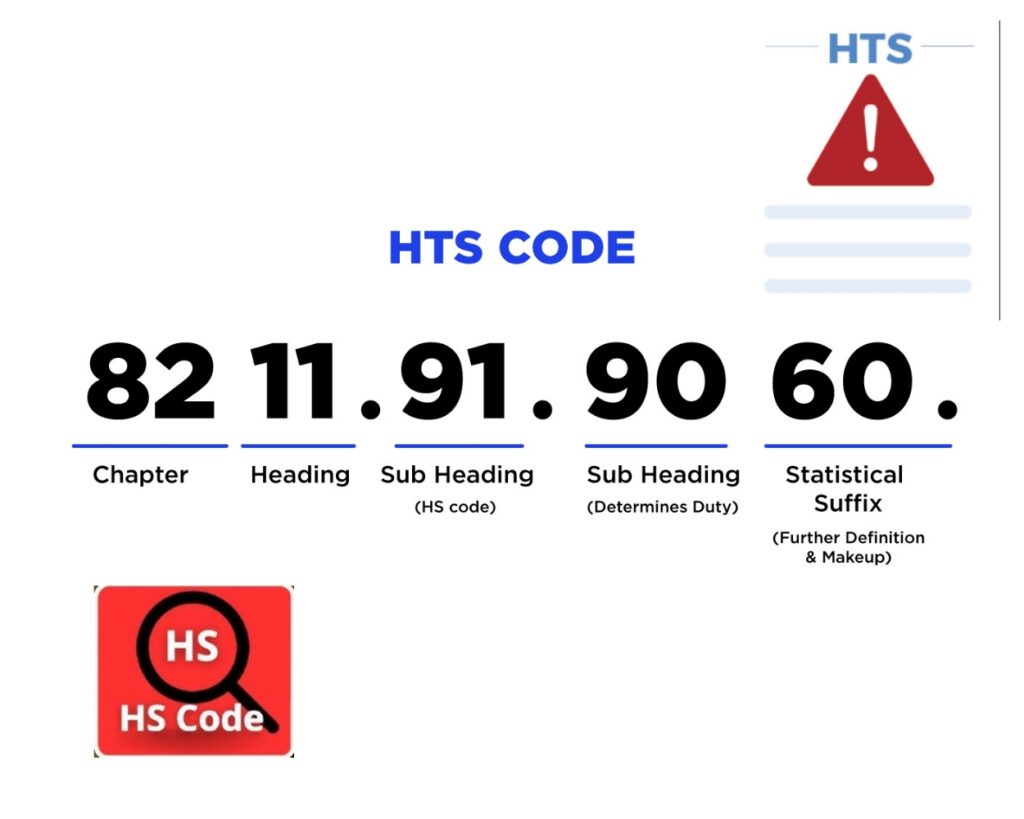
- [ ] Confirmation of precise ten-digit HTS code classifications via an accurate import duty calculator.
- [ ] Clear identification of the specific corporate entity or authorized customs broker acting as the importer of record.
- [ ] Proof of robust cross-border customs clearance support and access to official entry summaries post-release.
- [ ] Vetted routing plans that bypass congested transshipment ports to lower the risk of terminal delays.
How Vantage Forwarding Optimizes Your Sourcing Budget
Vantage Forwarding helps importers arrange cheap shipping from china with clearer customs responsibility, transparent cost tracking, and risk-controlled routing options. We specialize in providing advanced fourth-party logistics (4PL) orchestration that balances budget targets against compliance requirements.
Before your cargo leaves the origin port in China, our documentation review team checks your commercial data to minimize the risk of automated risk flags and unexpected port fees. We operate through established, highly vetted overseas agent networks and licensed customs brokerages to manage your ocean, air, and rail freight seamlessly. Vantage Forwarding provides complete visibility over your customs documentation, ensuring your supply chain directors maintain a clear, auditable paper trail.
Frequently Asked Questions About Cheap Shipping from China
What documents should I request after budget ocean freight clearance?
Importers should always ask for a copy of the official customs entry summary, such as CBP Form 7501 for the United States or a C88 document for the United Kingdom. Reviewing these unredacted governmental records is the only reliable way to verify that your cargo was classified, valued, and cleared legally.
How can I tell if a cheap shipping quote from China contains hidden fees?
A quote may be high-risk if it displays a single flat rate that is significantly below market averages and the forwarder refuses to itemize destination handling fees, import clearance surcharges, or duty calculations. Complete transparency is essential for accurate landed cost modeling.
Does a low DDP price mean import duties and taxes are fully covered?
Not necessarily. Low-cost Delivered Duty Paid quotes might look all-inclusive but often contain hidden exclusions regarding specific trade remedies, anti-dumping duties, or destination port storage charges. Always request an itemized list of what is included and excluded before booking.
Who is legally responsible for data accuracy when utilizing budget freight services?
If the buyer is the Importer of Record, it may remain responsible for the accuracy of classification, valuation, origin, and duty declarations under standard reasonable care guidelines, even when a third-party freight forwarder or customs broker assists with the filing.
Can customs still inspect an economy or low-cost container shipment?
Yes, customs authorities can inspect any shipment regardless of the selected freight speed or trade terms. Choosing budget freight options changes your transit timeline and cost metrics, but it does not bypass standard cargo screening, random physical examinations, or documentation audits.
What information should I provide to receive an accurate budget freight quote?
To receive a precise and transparent shipping quotation, use our shipping cost calculator or prepare your product name, exact ten-digit HS code, total cargo weight, packaging dimensions, carton count, origin city in China, and the complete final delivery address.
Is cheap sea freight safe for time-sensitive e-commerce inventory?
Cheap sea freight is safe and cost-effective if you build sufficient buffer time into your inventory cycles and work with a verified provider that supplies verified clearance records. Working with unvetted operators who hide clearance structures can expose your storefront to severe stockouts.
Conclusion
Securing an economic transport lane from China requires a strict commitment to data verification and transparent cost itemization. While opaque shipping channels might promise lower upfront expenses, the operational risks of terminal holds, unexpected storage fees, and documentation failures far outweigh short-term savings.
Need a secure, compliance-focused budget quote from China? Send Vantage Forwarding your product specifications, exact weight, packaging dimensions, origin city, and final delivery address. Our logistics team will build a transparent, risk-controlled route with clear cost breakdowns and reliable door-to-door delivery terms.

 English
  Chinese
  Arabic
  French
  German
  Portuguese
  Spanish