Introduction: Europe’s New Summer Reality
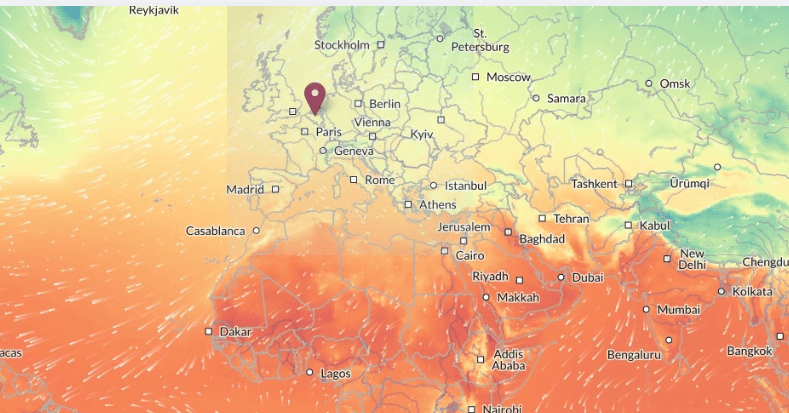
Europe has become the fastest-warming continent, with heatwaves pushing daytime temperatures past 40°C across Deutschland, Frankreich, Spain, and the UK. Just as concerning is the rise of “tropical nights,” when temperatures fail to drop below 20°C after dark. Without nighttime cooling relief, heat stress accumulates fast — and so does consumer demand for home cooling.
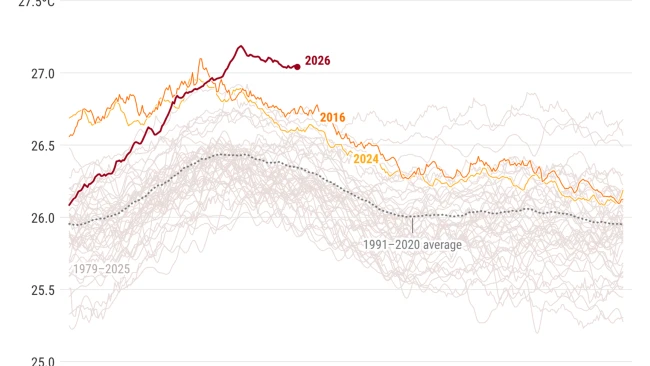
For European HVAC importers and cross-border e-commerce sellers, this surge in demand creates a real opportunity — but only for those who can source the right product fast. That means understanding why traditional air conditioners fail European buyers, and why EU standard air conditioner solutions like the Midea aircon PortaSplit and aircon Chigo portable split lines have become the go-to sourcing category this season.
Why Traditional Split ACs Fail in the European Market
Three structural bottlenecks make standard wall-mounted split systems a poor fit for most European households:
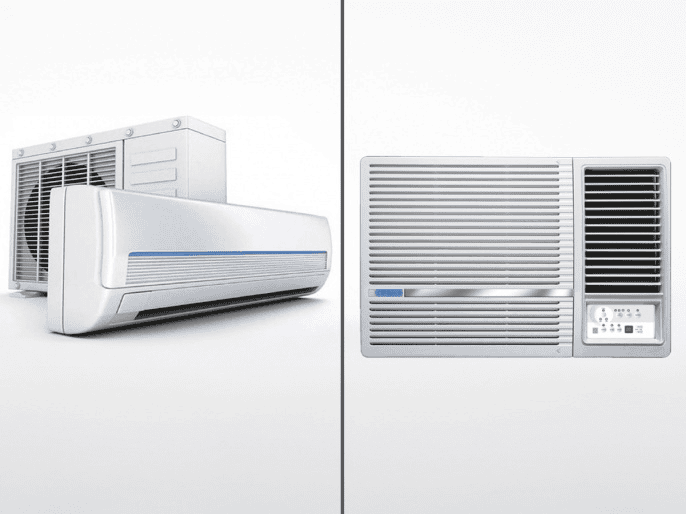
1. Strict building and rental restrictions. Much of Europe’s housing stock is historic or rented. Property management rules and municipal regulations commonly prohibit drilling through exterior walls, making a no-drill air conditioner Europe solution the only realistic option for tenants and heritage property owners.
2. High installation costs and long delays. A shortage of certified HVAC technicians means traditional split installation can exceed €1,000 in labor alone, with waitlists of 4–8 weeks — long after peak heatwave demand has passed.
3. Strict regulatory requirements. Any unit entering the EU market must comply with the F-Gas Regulation, CE marking, and ErP Ecodesign directives. Non-compliant stock risks seizure at customs.
The Solution: Plug-and-Play Portable Split ACs
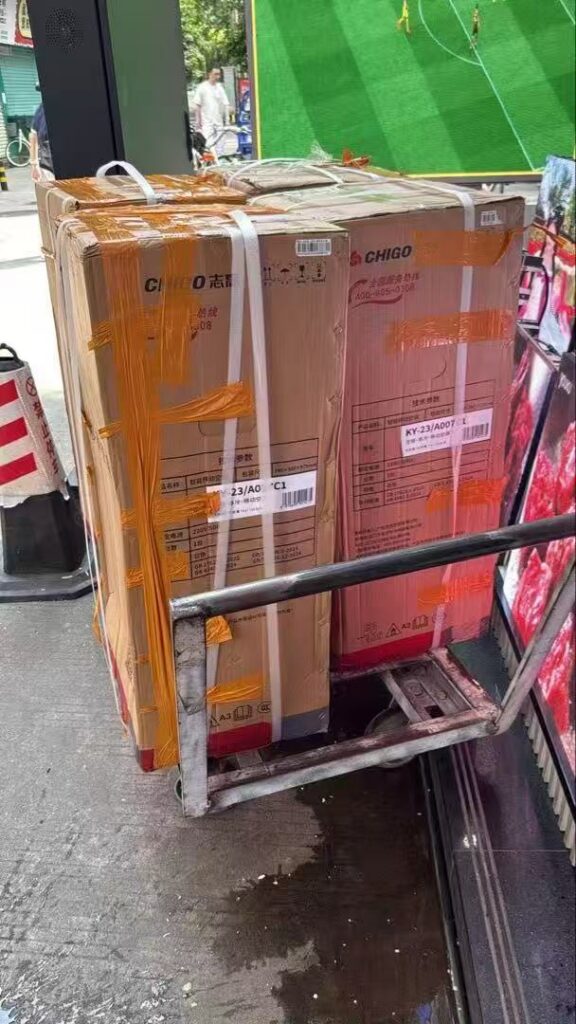
Manufacturers like Midea and Chigo have engineered portable split AC China solutions built specifically to solve these three problems at once.
| Merkmal | Traditional Split AC | Standard Monoblock Portable AC | Midea / Chigo Portable Split AC |
|---|---|---|---|
| Installation | Wall drilling + certified technician | Window exhaust hose | Tool-free, no-drill window ribbon cable |
| Refrigerant | R32 / R410A (higher GWP) | R290 (eco-friendly) | R290 refrigerant aircon |
| Energy Efficiency | A++ to A+++ | A to A+ | A++ / German ErP compliant |
| Indoor Noise | ~19–25 dB | ~55–65 dB | ~38–42 dB |
| Setup Time | 4–6 weeks | Instant | Instant, ~10-minute DIY setup |
Key Product Innovations
Plug-and-play portable split design. Models like the Midea PortaSplit connect an indoor unit to a compact outdoor condenser via a thin, flexible ribbon cable that slides through a slightly cracked window — delivering split-unit cooling power and quiet operation with zero wall drilling. Ideal for bedroom use during tropical nights.
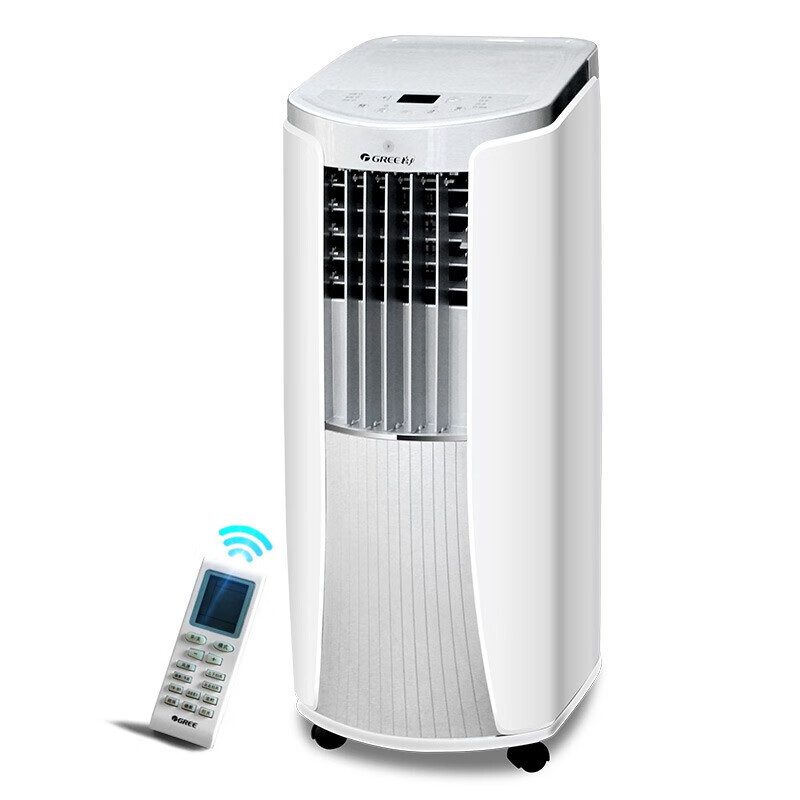
R290 refrigerant compliance. Leading Chigo and Midea export lines use R290 (propane), with a Global Warming Potential of just 3 and zero Ozone Depletion Potential — putting them ahead of the EU’s F-Gas phase-down requirements and helping importers avoid quota penalties.
German ErP-compliant efficiency. With European electricity costs still elevated, inverter-driven units achieving A++/A+++ ErP ratings are a strong selling point for cost-conscious end consumers.
Sourcing Strategy: A Step-by-Step Guide for EU Buyers
Step 1: Verify EU Certifications Before Ordering
Audit every supplier’s compliance dossier before placing an order:
- CE-EMC / CE-LVD — electrical safety and electromagnetic compatibility
- ErP Energy Labeling — test reports matching official EU labeling templates
- F-Gas & R290 Safety Compliance — confirm explosion-proof certification on factory lines handling R290
- WEEE & RoHS — verify e-waste registration for target markets (e.g., EAR registration in Germany)
Step 2: Use OEM/ODM Customization for Local Fit
Work with established Midea and Chigo export/commercial divisions to localize the product:
- Universal window sealing kits designed for European inward-tilt (Dreh-Kipp) windows
- Smart app control with multi-language support and compatibility with Matter, Tuya, Google Home, and Alexa
Step 3: Choose the Right Logistics Mix
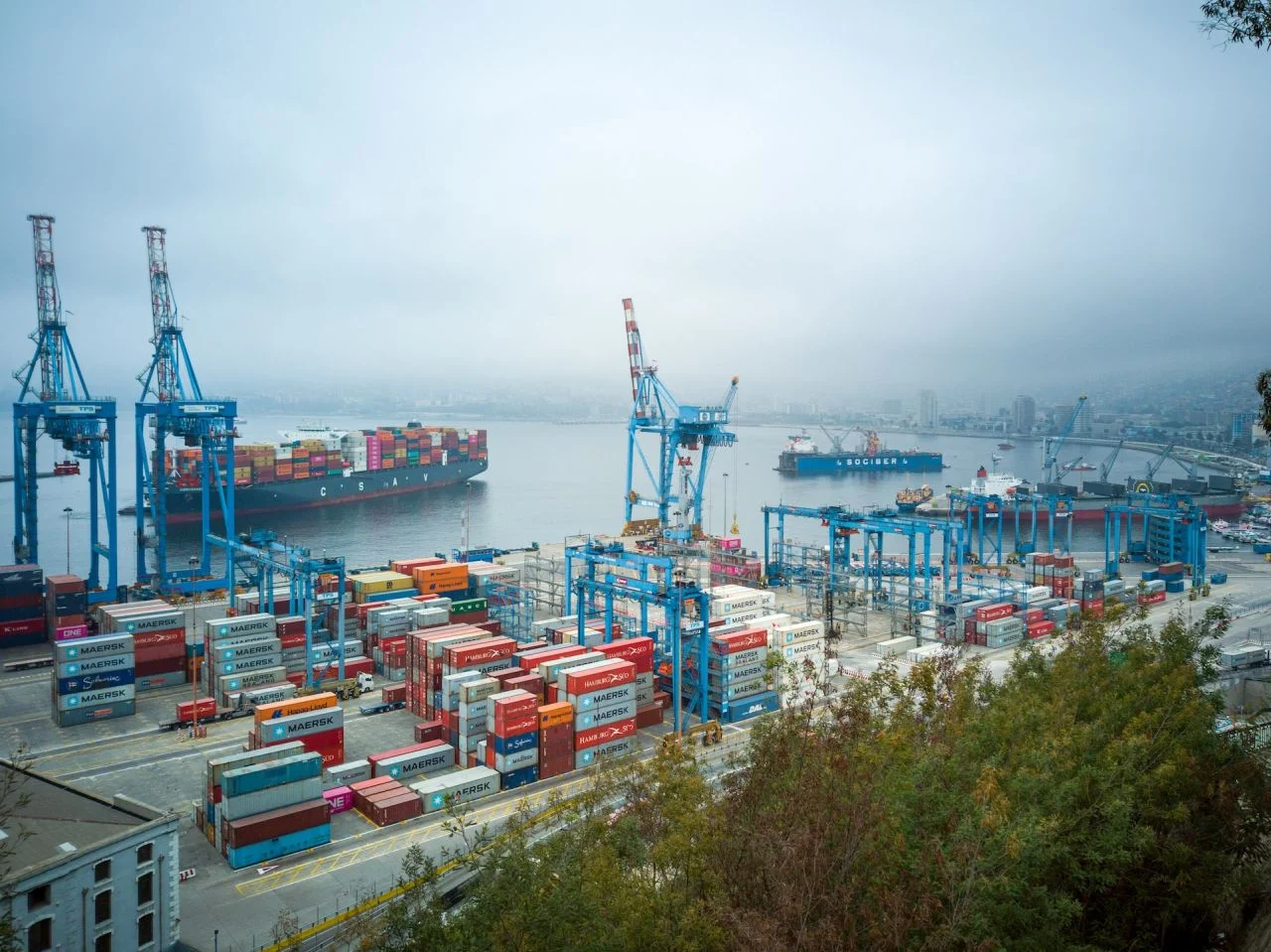
Standard ocean freight (30–50 days) is too slow for heatwave-driven demand spikes. A blended logistics approach performs better:
- China–Europe Rail (Sea-Rail): ~30–50 days to Central European hubs
- Cross-Border Trucking: ~25–40 days door-to-door for urgent, high-margin restocks
- EU Overseas Warehousing: Buffer stock in bonded warehouses (Rotterdam, Hamburg, Poland) for 48-hour DDP fulfillment
Schlussfolgerung
Rising heatwaves, restrictive building codes, and high energy costs have reshaped what European buyers need from an air conditioner. Sourcing EU-compliant, R290-based portable split units from Midea and Chigo lets importers deliver fast, drill-free cooling relief — without compromising on compliance or efficiency — exactly when the market needs it most.
 English
  Chinese
  Arabic
  French
  German
  Portuguese
  Spanish