Port of Ajman and the northern emirates
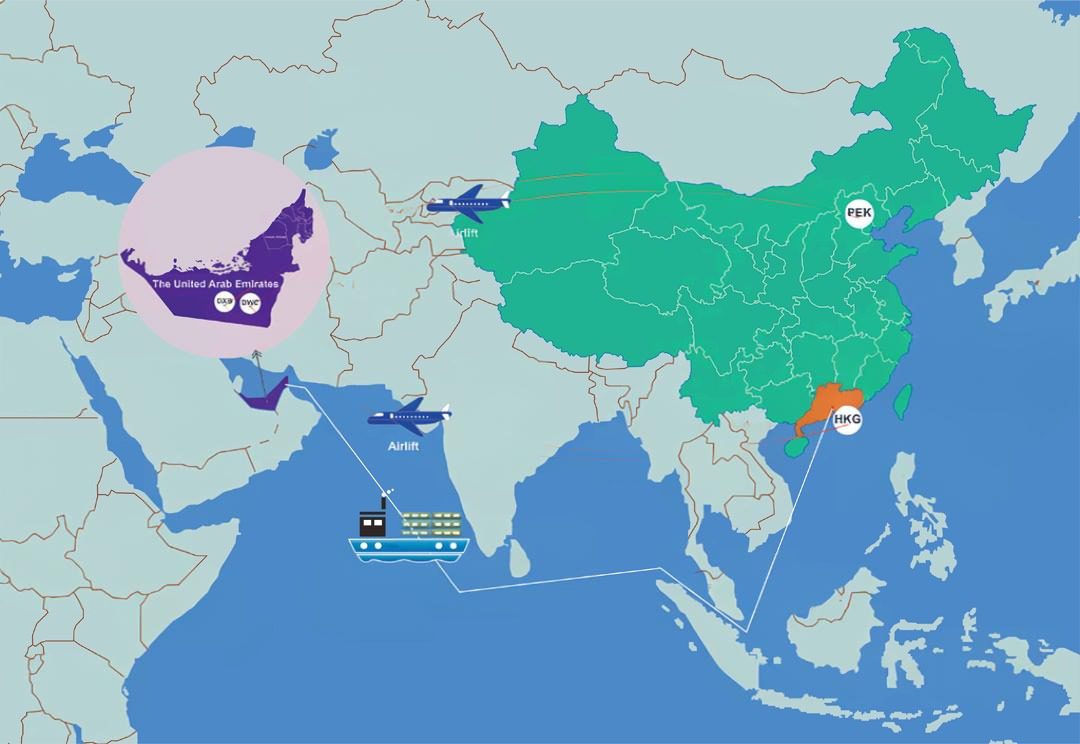
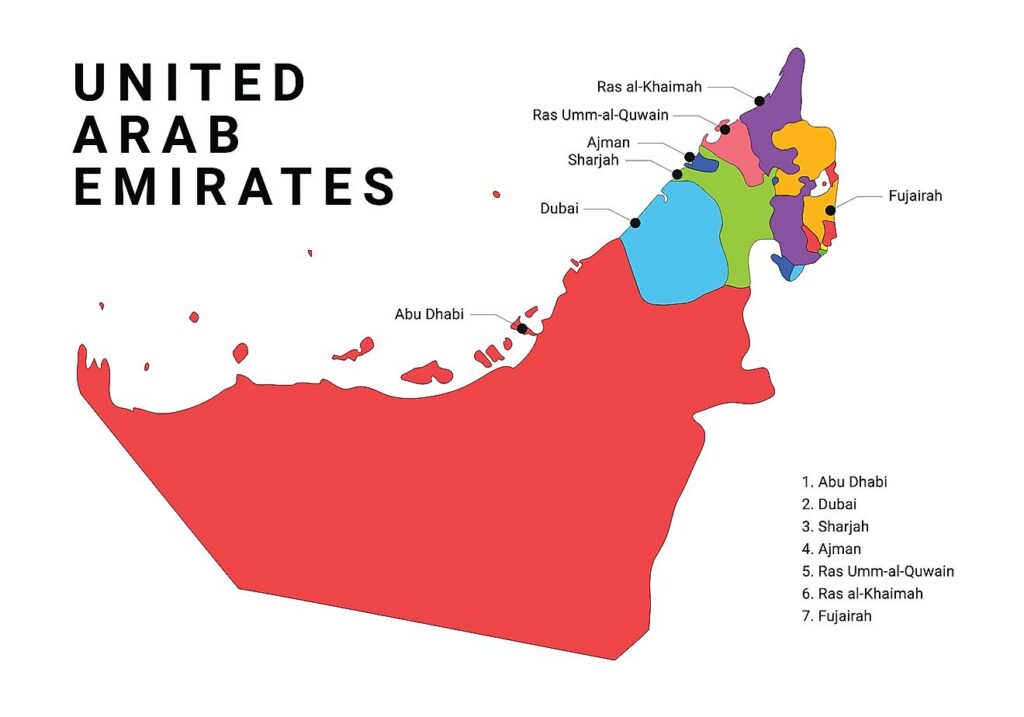
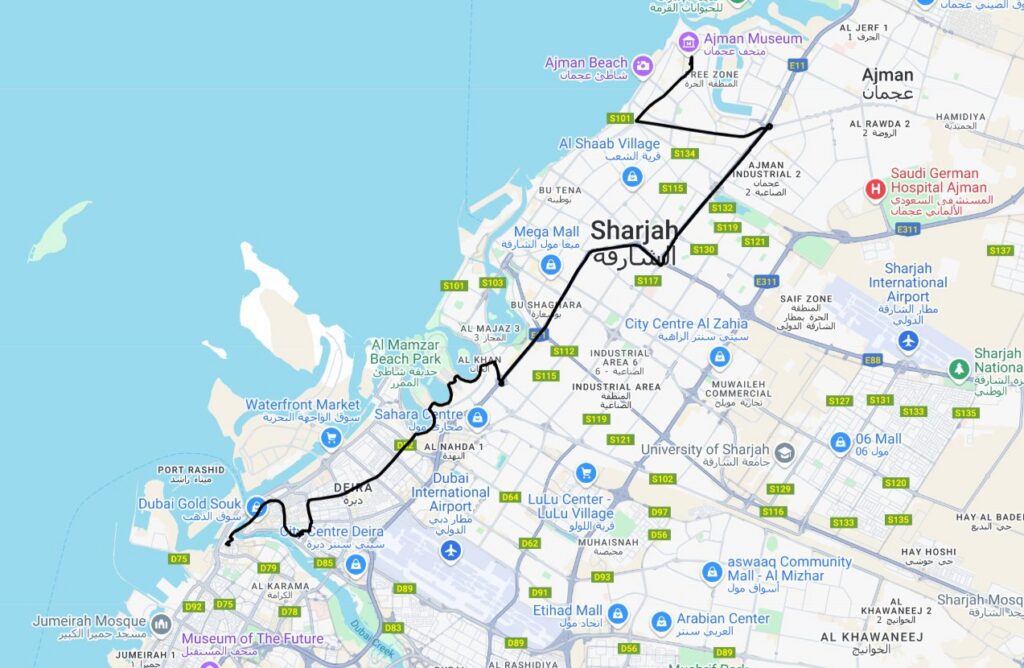
Shipping from China to Ajman gives importers a quieter, lower-cost gateway to the northern emirates without the congestion and premium pricing of Jebel Ali. Ajman sits on the coast just 30 minutes north of Dubai and about one hour from Sharjah, Ras Al Khaimah and Fujairah by road. That location means a single container discharged at Ajman can reach a wide spread of factories, warehouses and retail distributors across the northern emirates within a single working day.
The Port of Ajman uses the UN/LOCODE AEJMN. It is a smaller, owner-operated port that prioritises speed for regional cargo over mega-vessel berthing. For many SMEs importing from China, that trade-off is exactly what they need: shorter trucking legs, predictable berthing and minimal terminal dwell time.
If your end customers are in Ajman, Sharjah or the northern emirates, landing the container at AEJMN cuts the final-mile distance versus routing everything through Jebel Ali. When you plan a full China to UAE sea freight programme, Ajman should sit on the table as a routing option rather than an afterthought.
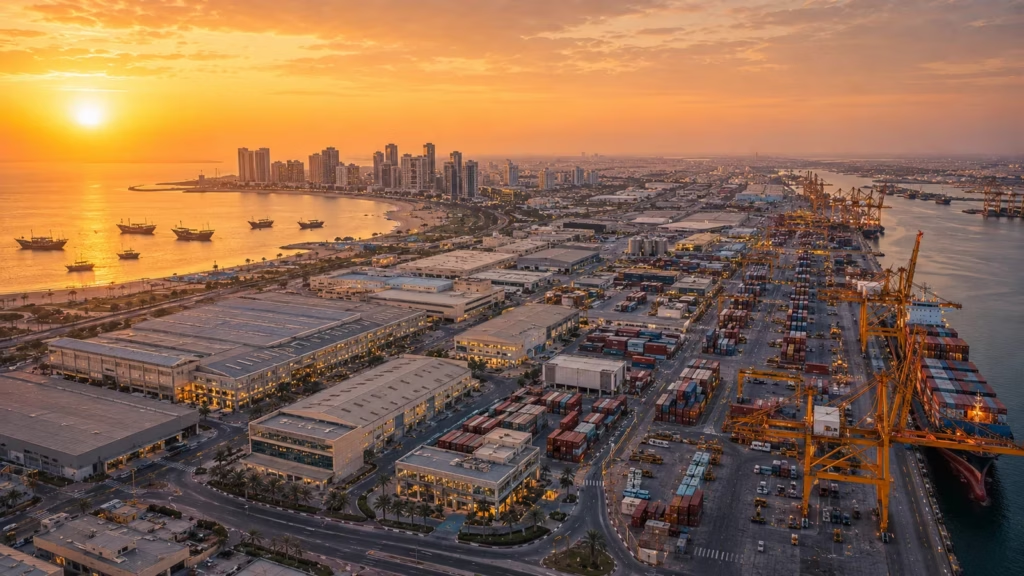
Operationally, Ajman handles breakbulk, general cargo and containers, with ro-ro and a growing cold-chain capability that suits food and pharma importers in the north. It is not built to rival Jebel Ali’s mega-vessel capacity, and that is the point: a port sized to regional flow means your box is not one of ten thousand, so turnaround is faster and the terminal fee is leaner.
Ajman free zone for SMEs and re-export
The Ajman Free Zone (AFZ) is one of the most cost-competitive free zones in the UAE, purpose-built for small and mid-sized businesses. It hosts more than 9,000 registered companies, many of them trading, re-export and light manufacturing firms that buy from China and sell across the GCC, Africa and the wider Middle East.
Why does that matter for a China importer? Three reasons stand out.
First, setup and licence costs inside AFZ are consistently lower than the headline Dubai free zones, which preserves cash flow for inventory. Second, goods held or processed inside the zone are duty-suspended, so you only pay the 5% duty and 5% VAT when the cargo moves into the UAE mainland. Third, AFZ is a recognised re-export hub: you can receive a consolidated China shipment, break it down, and forward partial loads to other markets without ever clearing into the local economy.
For a growing trader, the arithmetic is simple. Land your goods in the free zone, hold them cheaply, and only pay import tax on the units you actually sell into the UAE. The rest can be re-exported under duty-suspended status.
Shipping from China to Ajman
Most China-origin cargo bound for Ajman does not sail on a dedicated direct call. The main China–UAE trunk services call at Jebel Ali, so Ajman volumes typically move in one of two ways: as a feeder or transshipment from Jebel Ali, or as part of a coastal/short-sea leg after the main vessel discharges in Dubai.
Your two booking options are FCL (full container load) and LCL consolidation. The practical break-even between them sits around 15 CBM: below that volume, sharing a container through LCL almost always costs less; above it, a dedicated box wins on both price-per-unit and handling risk. If your shipment is under 15 CBM, explore our guide to LCL consolidation to see how consolidated loads are pooled and priced.
On the main lane, a Shanghai or Shenzhen departure reaches Jebel Ali in roughly 15–22 days, with Qingdao closer to 24–30 days. The Ajman leg then adds a short feeder or trucking hop. Major carriers on the corridor include COSCO, MSC, Maersk and OOCL.
One rule applies identically whether you clear at Jebel Ali or Ajman: commercial invoices above AED 10,000 must carry MOFAIC attestation (about AED 150 per invoice, required since September 2024). Budget for it and submit clean paperwork early, or you will pay in delays.
For a sense of mainland pricing on the same corridor, our China to Dubai shipping cost breakdown shows typical FCL and LCL rates, which translate closely to the Ajman routing once you add the short feeder leg.
Mini story: In early 2025, a Sharjah-based furniture trader we worked with kept routing every China order through Jebel Ali. After switching 40HQ consolidated loads to Ajman with a short feeder, their average final-mile trucking dropped from a full Dubai round trip to a 45-minute local delivery, cutting roughly AED 1,800 per container in transport and freeing two days of lead time each month.
Ajman vs Jebel Ali for local delivery
Choosing between Ajman and Jebel Ali comes down to where your cargo lives and dies, commercially speaking.
Pick Ajman when: your customers, warehouse or free-zone licence are in the northern emirates; your volumes are modest; and you value short trucking legs and lower terminal handling friction. You trade the mega-port’s deep carrier competition for a simpler, cheaper last mile.
Pick Jebel Ali when: you need maximum sailings, the widest carrier choice, and the deepest bond and free-zone ecosystem (JAFZA). Jebel Ali also remains the stronger choice if your cargo will be distributed nationally from a Dubai base.
A useful way to frame it: Jebel Ali is the hub, Ajman is the neighbourhood gate. If your goods rarely leave the north, paying to land them at the hub and truck them back north is money left on the table. If your cargo is bound for the capital instead, Khalifa Port plays the same local-gateway role for Abu Dhabi, trimming the Dubai-to-Abu Dhabi haul.
Concrete example: a 20GP from Ningbo worth USD 12,000. Landed at Jebel Ali and trucked 40 km north costs roughly USD 90 in last-mile plus Jebel Ali terminal handling; landed at Ajman and delivered 10 km costs about USD 35 in last-mile with lower terminal fees. On a single box the gap is modest, but across 20 containers a year it funds a return trip. The saving compounds with volume.
Whichever port you choose, the UAE import clearance steps are the same once cargo enters the mainland: Mirsal 2 filing, document checks, duty and VAT settlement, then release. The port only changes the geography, not the rulebook.
Get a quote to Ajman
Ajman rewards planners. The importers who save the most are the ones who match container size to volume, pre-book the feeder leg, and attest invoices before the vessel sails.
If you import from China into the northern emirates, a short conversation with our team can show you the cheaper routing in minutes. We handle FCL and LCL from Shanghai, Shenzhen, Ningbo, Guangzhou and Qingdao into AEJMN, with MOFAIC attestation and UAE import clearance managed end to end.
Tell us your POL, volume in CBM, cargo type and delivery emirate. We will return a landed-cost picture that includes ocean freight, the feeder leg, duties, VAT and final delivery, so you can compare Ajman against Jebel Ali with real numbers instead of guesses.
FAQ
How long does shipping from China to Ajman take?
Plan for roughly 15–22 days from Shanghai or Shenzhen to Jebel Ali, plus a short feeder or trucking leg into Ajman. Qingdao departures run closer to 24–30 days before the same final hop.
Do I need MOFAIC attestation for Ajman imports?
Yes. The AED 10,000 invoice threshold and MOFAIC rule apply to mainland clearance regardless of whether you land at Jebel Ali or Ajman. Budget about AED 150 per attested invoice.
Is Ajman free zone good for re-export?
Yes. With 9,000+ companies and duty-suspended status, AFZ is built for trading and re-export. You pay duty and VAT only when goods move into the UAE mainland.
 English
  Chinese
  Arabic
  French
  German
  Portuguese
  Spanish