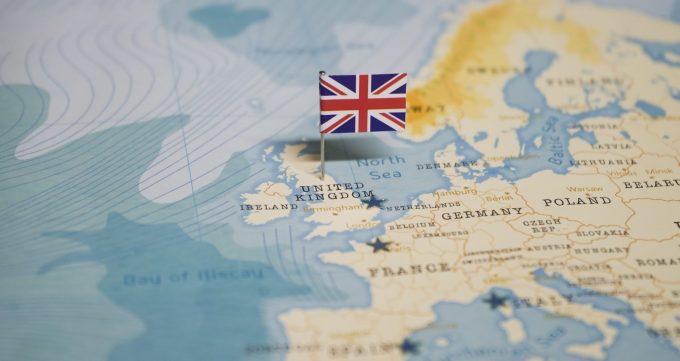
When you import designer apparel from China into the United Kingdom, you pay two charges at the border: UK Global Tariff duty on the goods, and UK import VAT at 20 percent. The most expensive mistake in this process is not the rate itself but the commodity code you declare, because the wrong 10-digit code can trigger the wrong duty rate, a customs hold, or a penalty. This guide explains how UK tariff classification works for knitted and woven clothing, how to estimate your landed cost, and what documents HMRC expects when the goods arrive.
How UK tariff classification works for apparel
The UK uses the international Harmonized System (HS). Apparel sits mainly in two chapters:
- Chapter 61 covers knitted or crocheted garments: T-shirts, sweaters, knit dresses, and similar items.
- Chapter 62 covers woven garments: shirts, trousers, suits, coats, and dresses made from woven fabric.
- Chapter 63 covers made-up textile articles: scarves, blankets, and some luggage and accessories.
Each product maps to a 10-digit UK commodity code in the UK Integrated Online Tariff. The first six digits are the global HS code shared by every country. The last four digits are the UK-specific subheading that sets your rate and any additional rules. You classify by three things: the garment’s construction (knit or weave), its fabric composition (cotton, wool, synthetic), and its type (jacket, trousers, T-shirt, and so on).
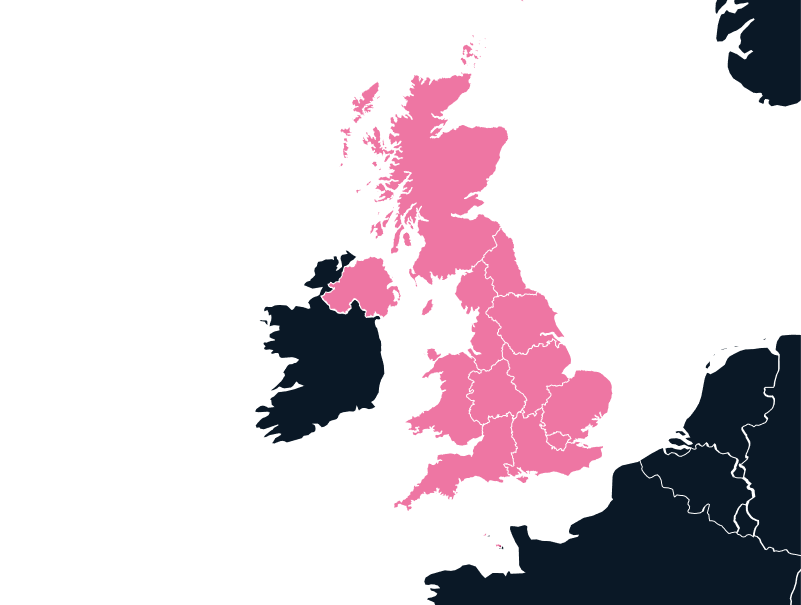
Getting the code right is the foundation. Every other number in this guide depends on it.
What duty rate applies to Chinese apparel
| Chapter | Typical goods | UK treatment for China-origin apparel |
|---|---|---|
| Chapter 61 (knitted) | T-shirts, sweaters, knit dresses | Standard MFN rate under the UK Global Tariff |
| Chapter 62 (woven) | Shirts, trousers, suits, coats | Standard MFN rate under the UK Global Tariff |
| Chapter 63 (made-up) | Scarves, blankets, luggage | Varies by item; confirm the 10-digit code |
Two points matter for goods from China specifically:
- China does not get a preferential rate. The UK’s Developing Countries Trading Scheme (DCTS) gives lower or zero duty to goods from lower-income countries. China is not included, so standard MFN / UK Global Tariff rates apply to your apparel.
- The EU-UK Trade and Cooperation Agreement does not help. That agreement removes tariff on EU-originating goods. It does nothing for China-origin apparel, so you cannot use it to lower the duty.
Most knitted and woven garment lines carry a standard MFN rate. For many lines this is around 12 percent, but the exact figure depends on the 10-digit code, so confirm it in the tariff tool rather than assuming a round number. Use the UK Integrated Online Tariff to look up the precise rate for your specific garment.

Estimating landed cost: duty plus VAT
Duty and VAT are calculated in sequence, not at the same time.
| Step | Basis | How it is worked out |
|---|---|---|
| Customs value | CIF (goods + freight + insurance) | The value HMRC uses for duty |
| Import duty | Customs value x duty rate | Added on top of the goods value |
| Import VAT | (Customs value + import duty) x 20% | Charged on the value plus duty |
A shipment of 500 knitted designer sweaters with a customs value of £20,000 (freight and insurance already included in that CIF figure):
- Import duty at 12 percent = £2,400
- Import VAT at 20 percent on (£20,000 + £2,400) = £4,480
- Total border tax = £6,880
Your real rate and value will differ. The point is the order: duty first, then VAT on the duty-inclusive amount.
Documents HMRC expects
| Document | Why it is needed |
|---|---|
| Commercial invoice | Shows value, origin, and terms of sale |
| Packing list | Confirms piece counts and carton details |
| Bill of lading or air waybill | Proof of carriage and title to the goods |
| GB EORI number | Required to make an import declaration into Great Britain |
| Import declaration via CDS | The UK’s Customs Declaration Service records the entry |
| Certificate of origin | Only useful if claiming a preference; for China-origin apparel under standard MFN, no preference applies, so it does not reduce duty |
If you also ship to Northern Ireland, you need an XI EORI rather than a GB EORI, and the rules differ. Most China-to-UK apparel imports land in Great Britain, so the GB EORI and CDS route above is the normal path.
Common classification mistakes that cost money
- Wrong chapter. Putting a woven shirt in Chapter 61, or a knitted top in Chapter 62, sends the rate lookup to the wrong place.
- Ignoring fabric composition. Cotton, wool, and synthetic versions of the same garment often sit in different subheadings with different rates.
- Missing the garment type. “Jacket” and “blazer” can classify differently; vague descriptions invite a conservative (higher) rate from HMRC.
- Trusting the supplier’s code without checking. A factory in China classifies for export, not for UK import. Verify the code against the UK tariff before you ship.
How Vantage Forwarding handles UK apparel imports
When you ask us for a quote, we first ask for the product description, fabric composition, and photos so we can point you to the right chapter. Before we book space, we confirm the 10-digit code with you and flag any line that looks misclassified. At the UK port, we lodge the CDS import declaration using your GB EORI and pre-clear where the data allows. We quote the exact landed-cost estimate after we see the goods and the confirmed code.
We do not give binding legal classification advice. For a definitive answer on a tricky product, use HMRC’s advance tariff ruling service. Our job is to get the paperwork right and the shipment moving, not to replace a customs ruling.
FAQ
Do I pay VAT if I am VAT-registered?
Yes, but a VAT-registered business can normally recover the import VAT through its VAT return. Non-registered importers bear the cost.
Can I use the EU-UK trade deal to reduce duty?
No. That agreement applies to EU-origin goods. China-origin apparel does not qualify.
What happens if I use the wrong code?
HMRC can reassess the entry, charge the correct duty, and add penalties for careless or deliberate errors. Fix the code before the goods sail, not after they arrive.
Is there a simpler route for small volumes?
For low-value parcels the duty and VAT mechanics are the same, but the declaration may go through a simplified courier process. The classification step still matters.
Sources and disclaimer
- UK Integrated Online Tariff (trade-tariff.service.gov.uk)
- Import goods into the UK (gov.uk)
- Get a GB EORI number (gov.uk)
- VAT rates (gov.uk)
- Customs Declaration Service (gov.uk collection)
- FIATA, the forwarder’s international body
This article is general guidance, not legal or tax advice. Tariff rates and procedures change. Confirm the current rate for your 10-digit code in the UK Integrated Online Tariff and consult HMRC or a customs professional before you import.
Written by the Vantage Forwarding compliance team. This article was drafted with AI assistance for structure and editing, then reviewed and approved by our staff before publication.
 English
  Chinese
  Arabic
  French
  German
  Portuguese
  Spanish