
The Shocking Truth About Your Next Luxury Import Bill
The math seemed simple. You sourced a batch of high-end watches from China, calculated your markup, and projected a solid profit. Then the final invoice arrives. Thanks to unexpected customs duties and hidden handling fees, your $10,000 order suddenly inflates to $14,000.
This is a daily reality for e-commerce sellers importing luxury goods. With the looming 2026 VAT impact on luxury brands, the regulatory landscape is tightening fast. If you rely on outdated shipping and tax formulas, these shifting rules won’t just eat into your margins—they will eliminate them completely. Here is the reality of what you are actually paying, and how to prepare.
What exactly is changing with VAT for luxury goods in 2026?
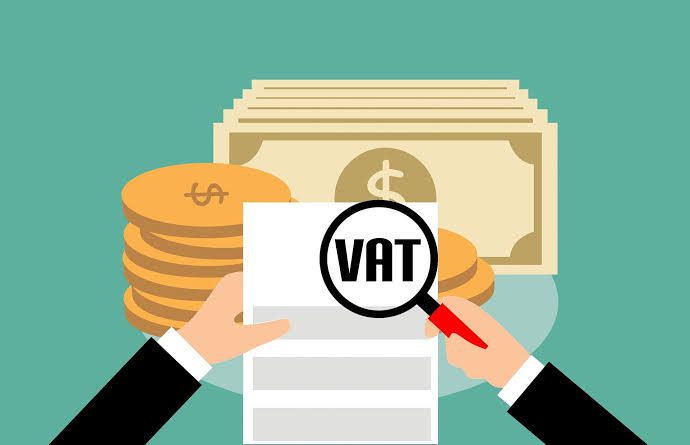
Alright, let’s cut to the chase. VAT, or Value Added Tax, is a consumption tax. Essentially, it’s a tax on the value added at each stage of production and distribution, ultimately paid by the end consumer. For you, the importer, it means you often pay it upfront when your goods enter the destination country, and then you try to recoup it or pass it on. The problem? ‘Luxury’ is a moving target, and governments are always looking for new ways to fill their coffers, especially from goods perceived as non-essential.
While the exact legislative details are still being ironed out in various jurisdictions, the direction is clear: increased scrutiny and potentially higher VAT rates or expanded definitions for what constitutes a ‘luxury item.’ We’re seeing proposals to:
- Broaden the definition of ‘luxury’: What was once just high-end jewelry or supercars could expand to include certain categories of designer apparel, premium electronics, specialized sporting equipment, or even certain home goods that cross a specific price threshold.
- Introduce higher tiered VAT rates: Instead of a flat rate, some countries might introduce a ‘luxury’ tier with a significantly higher percentage.
- Close loopholes: Expect governments to tighten up on any existing VAT deferral schemes or exemptions that luxury importers might have leveraged in the past.
Think of it like this: if your product has a fancy brand name, a premium price tag, or features that go beyond basic utility, it’s increasingly likely to fall under the ‘luxury’ umbrella in the eyes of tax authorities by 2026. This isn’t just about the super-rich; it’s about any product that isn’t considered a basic necessity, and that includes a huge chunk of the e-commerce market.

How will new VAT rules specifically hit my luxury brand e-commerce business?
This isn’t just bureaucratic mumbo jumbo; it’s going to hit your wallet directly. Here’s how:
Higher Product Costs, Smaller Margins
This is the most obvious one. If the VAT rate goes up, or more of your products fall into a higher VAT bracket, your cost of goods sold (COGS) immediately increases. If you absorb this to stay competitive, your profit margins shrink. If you pass it on, your retail price goes up, potentially scaring off price-sensitive customers.
Cash Flow Crunch
VAT is often paid at the point of import. If you’re importing a significant volume of luxury goods, a higher VAT bill means a much larger upfront cash outlay before you’ve even sold a single item. This can tie up crucial capital, especially for smaller businesses, making it harder to reinvest or manage other operational expenses.

Pricing Power & Competition
Your competitors are facing the same challenges. The key is how you adapt. If you’re slow to react, your pricing could become uncompetitive, or your margins could evaporate. Understanding your total landed cost will be more critical than ever.
What are the hidden costs beyond VAT I need to watch out for?
VAT is just one piece of the puzzle, albeit a big one. The real killer for many businesses is the death by a thousand cuts from all the other ‘hidden’ fees. These aren’t always explicitly hidden, but they’re often overlooked or underestimated until the final bill arrives. Here’s a breakdown:
Customs Duties & Tariffs
These are taxes levied by governments on imported goods. They vary wildly based on the product type (HS code), country of origin, and destination country. Luxury items often attract higher duties. Expect anywhere from 2% to 25% of the declared value, sometimes even more, depending on the specific item and trade agreements.

Brokerage Fees
Unless you’re a customs expert yourself, you’ll need a customs broker to navigate the paperwork, ensure compliance, and get your goods cleared. They don’t work for free. Expect these fees to range from $75 to $300 per shipment, sometimes more for complex declarations or high-value goods.
Storage & Demurrage
If your goods aren’t cleared quickly, they might sit in a port or warehouse, racking up storage fees (for the warehouse) or demurrage/detention fees (for keeping the shipping container too long). These can be brutal, ranging from $50 to $200 per day after free time expires, and they add up fast.
Insurance
Shipping luxury goods without insurance is like playing Russian roulette with your inventory. It protects against loss, damage, or theft. While not mandatory, it’s highly recommended. Costs are typically 0.3% to 0.7% of the declared value of goods, plus a minimum premium.
Currency Conversion Fees
If you’re paying suppliers or service providers in different currencies, your bank or payment processor will hit you with conversion fees, often 1% to 3% of the transaction value. These seemingly small percentages can eat into margins on high-value luxury shipments.
Inspection Fees
Sometimes, your goods might be selected for a random customs inspection, or require specific inspections for certain product types (e.g., textiles, electronics). These can incur additional charges, ranging from $100 to $500 or more, plus potential delays.
| Fee Type | Typical Cost Range (USD) | Impact on Luxury Goods |
|---|---|---|
| Customs Duties & Tariffs | 2% – 25% of declared value | Often higher rates due to ‘luxury’ classification |
| Customs Brokerage Fees | $75 – $300+ per shipment | Mandatory for most international shipments |
| Storage/Demurrage | $50 – $200+ per day | High risk if customs clearance is delayed |
| Shipping Insurance | 0.3% – 0.7% of declared value (min. premium) | Essential for protecting high-value inventory |
| Currency Conversion | 1% – 3% of transaction value | Adds up on large international payments |
| Inspection Fees | $100 – $500+ per inspection | Unpredictable, can cause delays and extra costs |
How can I prepare my business for the 2026 VAT changes?
Panic isn’t a strategy. Planning is. Here’s what you need to do:
Re-evaluate Your Pricing Strategy
You need to know your Frequently Asked Questions
What exactly are the 2026 VAT changes for luxury brands?
The 2026 VAT changes for luxury brands are expected to involve broadened definitions of ‘luxury items,’ potentially higher tiered VAT rates, and stricter enforcement or closure of existing loopholes. This means more of your products might be classified as luxury, incurring higher taxes upon import.
How will the 2026 VAT changes affect my e-commerce business?
The new VAT rules will likely increase your cost of goods sold, squeeze your profit margins, and impact your cash flow due to higher upfront tax payments. This could also affect your retail pricing strategy and competitiveness in the market.
What other hidden costs should I be aware of when importing luxury goods?
Beyond VAT, you need to budget for the following hidden costs:
- Customs duties and tariffs (2% – 25% of value)
- Customs brokerage fees ($75 – $300+)
- Potential storage and demurrage fees ($50 – $200+ per day)
- Shipping insurance (0.3% – 0.7% of value)
- Currency conversion fees (1% – 3%)
- Unpredictable inspection fees ($100 – $500+)
What steps can I take to prepare my business for the 2026 VAT impact?
You should re-evaluate your pricing, optimize your supply chain (consider DDP shipping), ensure accurate HS codes for all products, build a financial buffer, and partner with a reliable freight forwarder like Vantage Forwarding to manage complexities.
How can I avoid unexpected charges and nasty surprises with luxury imports?
The best way is to meticulously calculate your total landed cost for every product, utilize services like DDP (Delivered Duty Paid) shipping to avoid unexpected charges, and work with an experienced freight forwarder who can provide transparent pricing and expert customs clearance guidance.

 English
  Chinese
  Arabic
  French
  German
  Portuguese
  Spanish