
Delivered Duty Paid (DDP) shipping terms offer operational convenience. They transfer customs clearance and tariff responsibilities to your third-party logistics provider. This setup simplifies logistics for ecommerce sellers and B2B buyers sending low-value goods to Europe.
Regulatory shifts in Europe are changing how low-value shipments are treated at the border. Staying updated on these changes is essential for businesses relying on direct consumer shipping. Opaque shipping methods that worked in the past now face strict digital checks. If not managed properly, these checks can lead to unexpected costs and logistics disruptions.
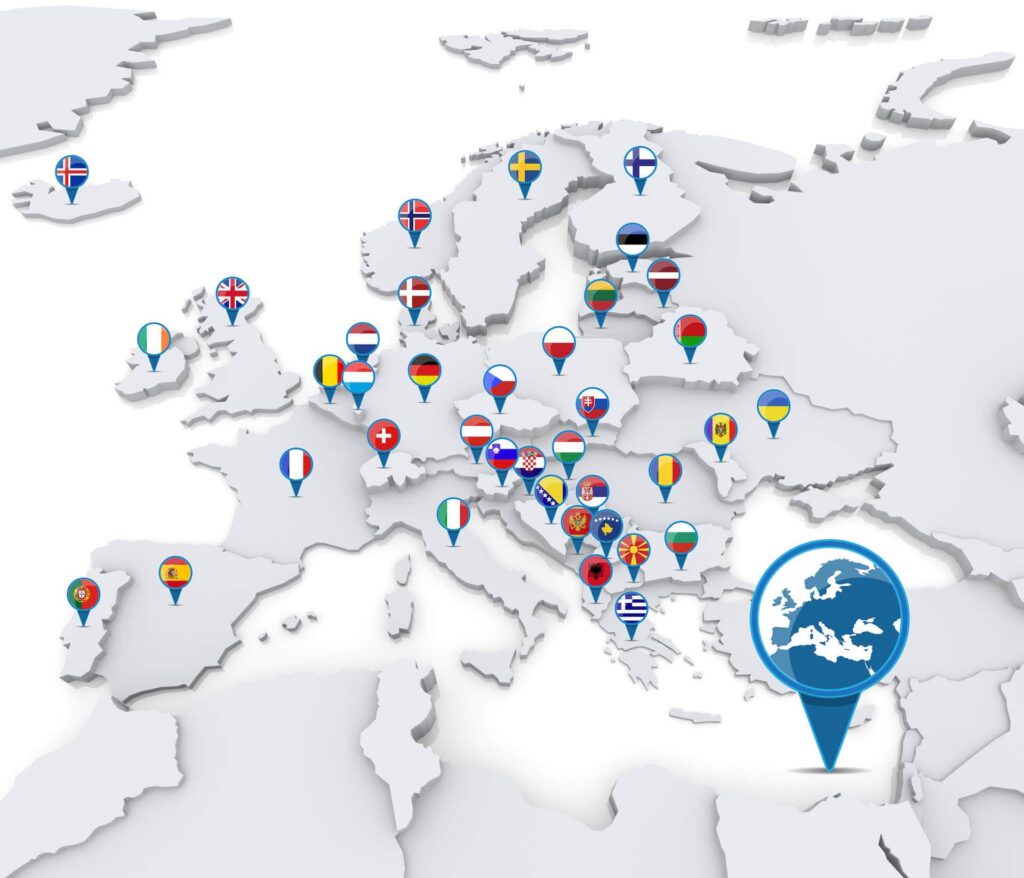
Importers should align their transport plans with our central topic cluster. Learn more about evaluating provider capabilities and managing cross-border logistics. Read our comprehensive industry manual on DDP shipping from China.
Key Change: €150 Duty-Free Threshold Eliminated in 2026
The 2026 EU customs reform officially removes the long-standing €150 duty-free threshold for B2C small parcels entering the European Union. Under these updated rules, all imports valued below €150 face a flat-rate duty of €3 per tariff line. This fee applies alongside mandatory digital tracking across the border. Importers utilizing DDP small parcels from China must provide accurate HS codes to avoid clear EU customs clearance risk and terminal delays.
The European Union introduced this structural reform to eliminate unfair competition from low-value imports. The policy aims to reduce tax declaration evasion across all member states. You can review the official policy roadmap on the official European Commission Taxation and Customs Union Portal.
Common Red Flags in Non-Compliant EU DDP Shipping
Non-compliant freight forwarders often offer DDP rates far below standard market tariff baselines. They achieve these artificial margins through systematic customs evasion. They do not rely on genuine operational efficiency. These problematic practices typically manifest in three specific areas.
Fraudulent Importer of Record (IOR) Entities
Rogue logistics providers frequently bypass the legal requirement of declaring the actual domestic buyer. They fail to list the true foreign seller on entry documents. Instead, they funnel massive consolidated shipments through shell companies or stolen corporate identities.
When customs authorities launch enforcement audits into these high-risk IOR entities, it causes problems. It may lead to collateral delays or holds on other shipments attached to that same filing. The actual cargo owners lack a direct legal connection on the official filings. This makes it difficult to resolve disputes and reclaim assets.
Incorrect HS Code Classification
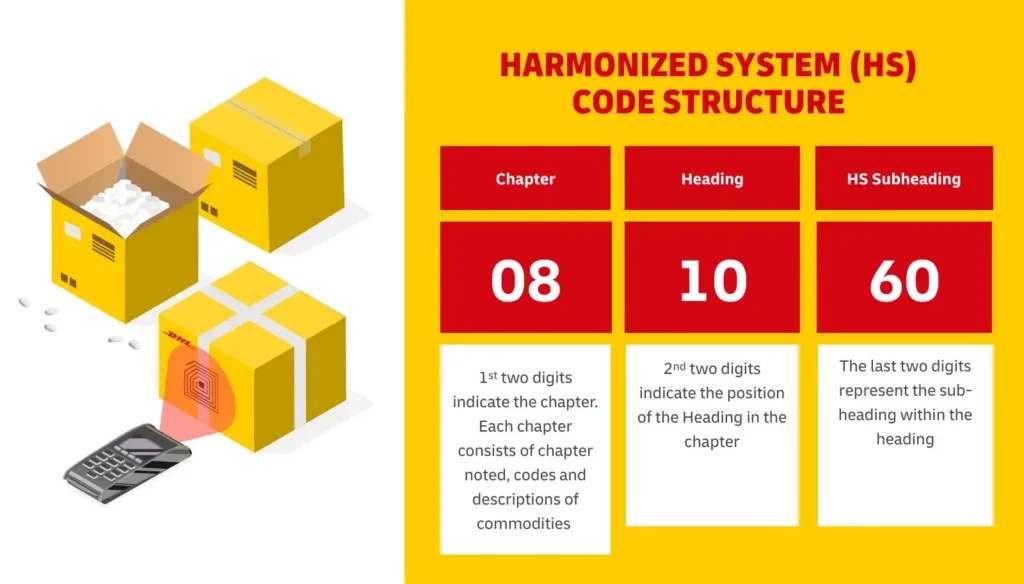
Operators exploit the anonymity of mixed-freight container consolidation to evade steep tariffs. They also try to bypass anti-dumping or countervailing duties. They deliberately declare high-value electronics or sensitive apparel under lower-rate classifications. For example, they might list them as basic plastics. This practice can be treated as a serious civil or criminal infraction by customs authorities.
Under-Valuation of Shipped Goods
Forwarders frequently construct completely fabricated commercial invoices. They use these to compress the declared transaction value to a minor fraction of its true worth. This action violates the customs valuation principles established by the World Trade Organization. Customs algorithms flag these discrepancies quickly. This can increase the risk of customs questions, extended inspections, or duty reassessments.
Comparing Compliant vs Opaque DDP Shipping Options
The table below highlights how compliant freight channels differ from high-risk, low-cost alternatives under current EU rules:
| Operational Feature | Compliance-Focused EU DDP | High-Risk Opaque DDP Options |
| Duty Calculation | Pays the €3 flat rate or exact duty per tariff line | Attempts to hide items or manipulate values |
| Data Submission | Submits complete HS codes and Product IDs early | Relies on generic descriptions to pass screening |
| Tax Integration | Works smoothly with IOSS or transparent brokers | Avoids sharing official tax or clearance records |
| Supply Chain Safety | Low risk of terminal delays; reliable delivery | High risk of bulk container holds and cargo returns |
Example Scenario: Low-Cost Pitfalls vs Transparent Pricing
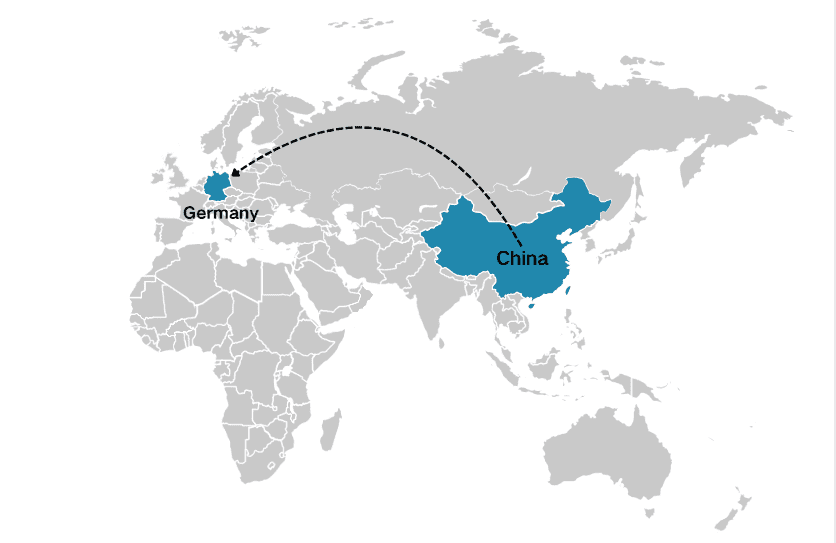
An ecommerce business imports mixed consumer accessories from Shenzhen to Germany. They evaluate two DDP shipping quotes for their parcel network.
Forwarder A offers an extremely cheap rate. They promise they can bypass the new €3 flat-rate duty by using a legacy transshipment point.
Forwarder B (VantageForwarding) provides a transparent quote. It includes an itemized review of the HS codes. It explicitly factors in the €3 duty line charges based on the packing list.
The importer chooses Forwarder A to save money. At the EU border, the consolidated container is flagged. The electronic data lacks proper product identifiers and uses vague item descriptions. Customs holds the entire batch of cargo for a valuation audit. This causes a four-week delivery delay and heavy port storage fees. These unexpected costs completely eliminate the initial savings.
Checklist: How to Prepare Your DDP Parcels for EU Customs Compliance
To preserve corporate standing and protect commercial assets, importers must follow a clean setup. Follow these seven essential steps before booking your next shipment:
- Step 1: Assign accurate HS codes. Check and verify the exact tariff codes for every single product in your inventory database.
- Step 2: Write specific descriptions. Avoid generic terms on the commercial invoice and describe materials clearly (e.g., “100% cotton t-shirt”).
- Step 3: Calculate flat-rate duty overhead. Evaluate potential multiple €3 flat-rate duty charges for mixed-item packages before finalizing prices.
- Step 4: Verify IOSS registration details. Ensure your freight provider uses a valid Import One-Stop Shop registration link. You can verify standards via the official EU IOSS Guidance Page.
- Step 5: Prepare Product Identification Numbers. Ensure mandatory digital product codes are ready for electronic customs submission.
- Step 6: Match digital data with physical lists. Ensure all data submitted to the electronic hub matches the physical packing list inside the box.
- Step 7: Request post-clearance release sheets. Demand unredacted official customs receipts from your forwarder to confirm compliance.
Main Operational Risks in Opaque DDP Logistics
Opaque DDP quote models often disguise operational liabilities. These issues can easily disrupt your online storefront or B2B supply chain. Importers should actively monitor these vulnerabilities:
- Extended terminal delays due to global container holds on flagged shell IOR entities.
- Potential loss of cargo value if assets are held long-term for valuation audits.
- Difficulty proving how duties, taxes, and declarations were handled without proper records.
- Potential challenges claiming standard business tax deductions or VAT reclamation programs.
How VantageForwarding Helps
VantageForwarding helps importers arrange DDP small parcels from China with clearer customs responsibility, proper documentation, and risk-controlled routing. We focus on providing sustainable logistics solutions rather than taking risks with unvetted clearance channels.
Before your cargo leaves China, our team reviews your product descriptions, HS code classifications, and packaging setup. This upfront review helps minimize the risk of unexpected customs questions, miscalculated duties, or transit delays at European gateways.
For businesses that require better visibility over their supply chain, we provide clear explanations of updated EU customs regulations and paperwork requirements. Our network utilizes established destination customs brokers to keep your small parcels moving smoothly to their final addresses.
Frequently Asked Questions About the 2026 EU Customs Reform
Do I have to pay customs duties on items under €150 now?
Yes. The 2026 EU customs reform officially removed the duty-free exemption for low-value goods under €150. All small parcels entering the EU are now subject to import duties, which are often processed through a simplified €3 flat fee per product type.

How is the €3 flat-rate duty calculated for mixed packages?
The €3 fee applies per tariff line (HS code) listed on the customs declaration. If your package contains three different types of products that require separate HS codes, the total flat-rate duty for that single parcel will be €9.
What happens if my forwarder uses a low-cost, unvetted DDP channel?
Using an unvetted channel increases your EU customs clearance risk. If the forwarder submits inaccurate data or attempts to bypass the flat-rate duty, customs authorities may hold the entire consolidated shipment, resulting in long delays, additional fines, or cargo abandonment.
Can EU customs still inspect small DDP parcels?
Yes. DDP terms change who is responsible for paying the duties and taxes, but they do not exempt cargo from official screening. EU customs authorities use automated data systems to flag and physically inspect any parcel with incomplete documentation or vague descriptions.
What information should I give my forwarder for an accurate EU DDP quote?
You should provide the exact product name, accurate HS codes, total carton weight, dimensions, pickup city in China, destination country, and confirmation of whether you are utilizing an active IOSS registration for VAT collection.
Will this reform cause shipping delays for ecommerce parcels?
Shipments with complete electronic data, proper product identifiers, and pre-paid duties will clear customs smoothly. Delays typically happen to shipments from providers who submit vague paperwork, leading to manual reviews and customs holds.
Conclusion
Adapting to data-driven compliance is the most effective way to protect your ecommerce operations and B2B supply chains in Europe. While vague or low-cost shipping methods might seem appealing initially, the operational risks of customs holds and unexpected duty adjustments can disrupt your business growth.
Need an accurate DDP quote from China? Send VantageForwarding your product details, cargo weight, carton sizes, origin city, destination country, and delivery address. Our compliance-focused team will design a transparent, risk-controlled route with clear duty coverage and reliable door-to-door delivery terms.
 English
  Chinese
  Arabic
  French
  German
  Portuguese
  Spanish