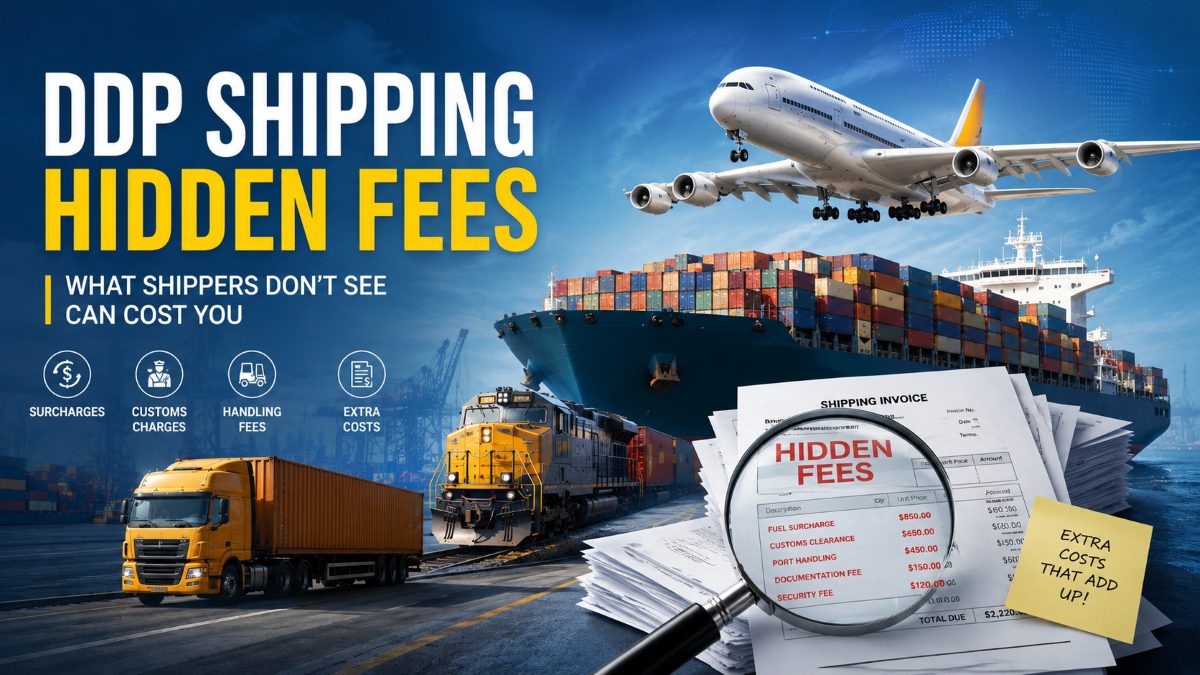
DDP shipping hidden fees can quickly turn a predictable door-to-door quote into a costly surprise. When sourcing goods from China, importers often face unexpected charges such as customs exam fees, demurrage, detention, storage, remote delivery surcharges, and unclear duty adjustments. These unquoted costs can reduce retail margins and make landed cost planning difficult. This 2026 guide explains the most common hidden fees in DDP shipping, why they happen, and how to review your quote before booking a shipment.
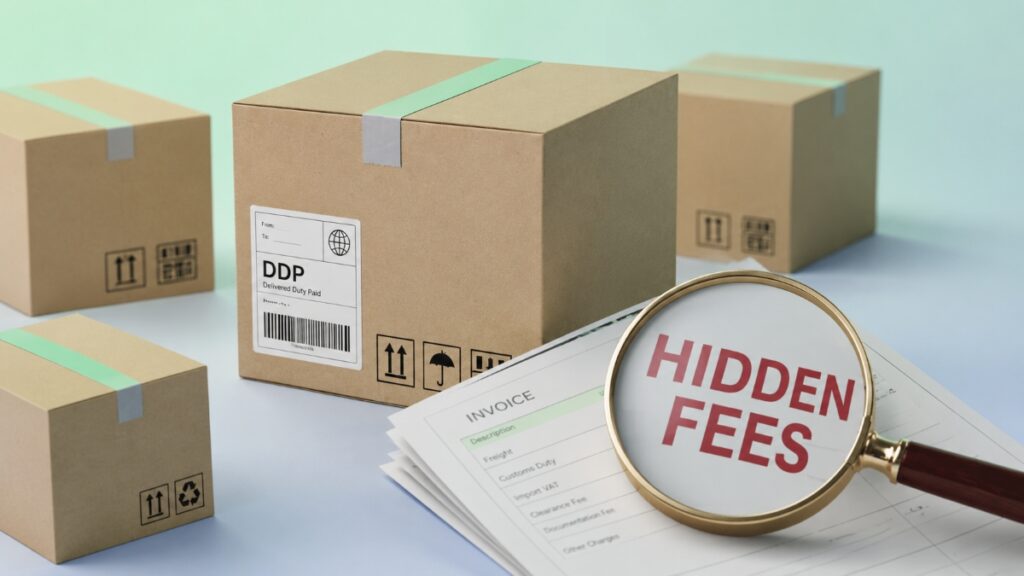
Importers can find hidden fees in DDP shipping in omitted destination terminal handling charges (DTHC), unquoted customs inspection storage, secondary terminal demurrage, fuel adjustment index updates, and residential final-mile delivery surcharges. While official Incoterms establish that the seller covers all import costs, low-cost forwarders often leave these localized variables out of their initial estimates. You can easily avoid these surprise billings by demanding a fully itemized contract that explicitly defines all destination accessory fees before your cargo departs the origin port.
Common Red Flags: Hidden DDP Shipping Charges to Watch For
Non-compliant or low-cost freight forwarders frequently use low upfront ocean freight rates to win contracts. They later recover their profit margins by issuing secondary invoices for destination services that should have been included in what your DDP quote covers. These unquoted expenses typically appear during three distinct stages of the shipping lifecycle.
Unquoted Destination Terminal Handling Charges (DTHC)
When an ocean container arrives at the destination port, terminal operators charge specific fees for offloading the vessel and transferring the container to the local yard. A standard, compliance-focused DDP agreement dictates that the forwarder prepays these terminal handling charges. However, opaque freight contracts often omit this line item entirely, forcing the buyer to settle the port bills directly before the carrier releases the cargo.
Fuel Surcharges and Peak Season Surcharges (PSS)
Logistics networks regularly adjust their baseline pricing using fluid market indexes. Opaque quotes often leave out active fuel surcharges or volatile peak season surcharges to make the base rate look more attractive. If your freight contract lacks fixed-rate parameters, your provider can retroactively apply these floating surcharges to your final invoice, causing severe budget variances.
Remote Area Delivery Surcharges and Final-Mile Accessories
Most initial DDP shipping estimates are calculated assuming delivery to a standard commercial zone equipped with a loading dock and a forklift. If your actual delivery site is located in a residential zone, a home office, or a limited-access facility, local carriers apply secondary fees. These include remote area delivery fees, residential zoning surcharges, and liftgate operational charges that can add hundreds of dollars to your invoice.

Customs Inspection Service Fees and HTS Misclassification Risks
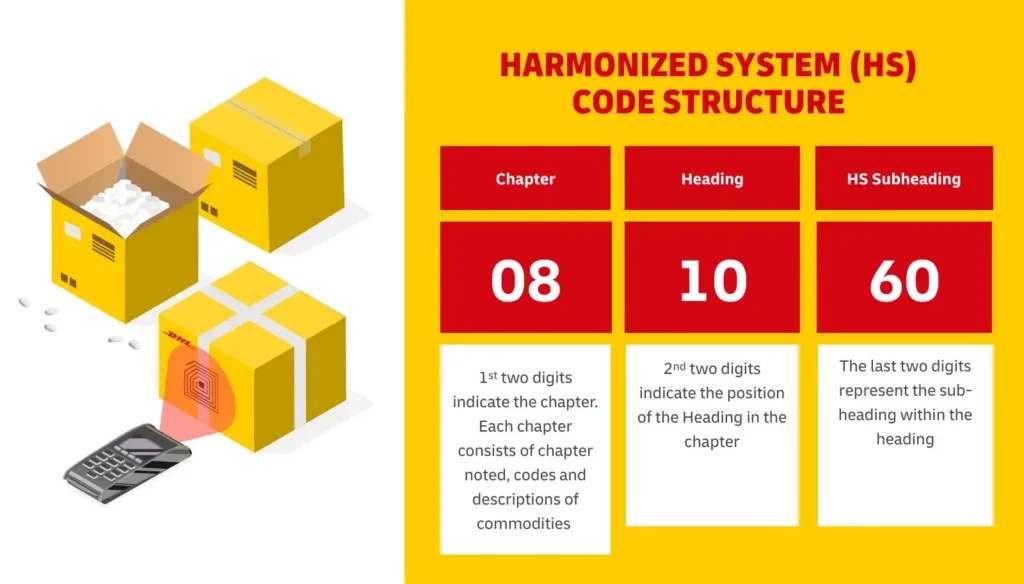
Even under Delivered Duty Paid terms, international shipments remain subject to random customs screening or documentation audits. If customs authorities select a container for review, it generates warehouse handling, drayage, and storage costs. Opaque forwarders often use fine print to pass all customs inspection fees back to the importer, especially if the delay stems from incorrect HS code classification or low declared values on the invoice.
Incoterms Evaluation: DDP vs DAP Cost Boundaries
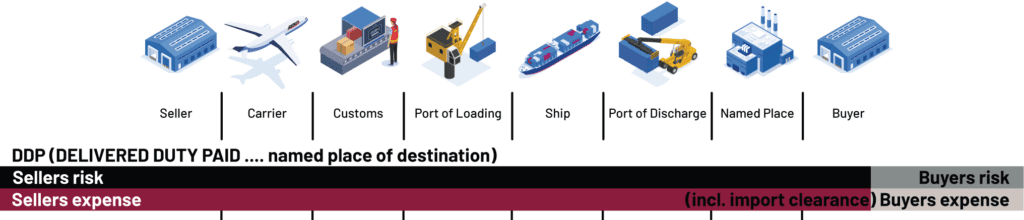
To protect your business from unexpected logistics billing, you must understand the official legal parameters established by global trade entities. Importers can review the official definitions of transport risk and cost allocation updates directly on the International Chamber of Commerce Portal.
According to data trends from the Shanghai Shipping Exchange, unvetted all-inclusive quotes frequently conceal a 30% markup on destination services under the guise of processing fees. Evaluating the precise boundaries between DDP and DAP (Delivered at Place) terms ensures you maintain control over your freight spend.
The table below outlines how compliant logistics pathways differ from high-risk, opaque pricing models across standard international shipping practices:
| Operational Feature | Compliance-Focused DDP Shipping | Delivered at Place (DAP) Framework | Opaque Low-Cost DDP Quotes |
| Import Customs Clearance | Forwarder arranges and pays all entry filings | Importer acts as IOR and coordinates broker | Omitted or handled via unvetted shell companies |
| Port Handling (DTHC) | Fully prepaid and included in your upfront rate | Importer settles port fees directly at destination | Billed retroactively as an unexpected surcharge |
| Customs Inspection Risks | Outlines clear operational liability for random holds | Importer assumes all local storage and exam costs | Automatically charges the importer for terminal delays |
| Final-Mile Accessories | Confirms liftgate and residential fees prior to booking | Importer coordinates and pays local ground freight | Billed retroactively as unexpected delivery surcharges |
A Typical Risk Scenario in Low-Cost DDP Shipping
A commercial electronics importer sourced a batch of retail inventory from a factory in Shenzhen and requested a DDP shipping quote to a facility in Denver, Colorado.
Forwarder A provided a flat quote of $3,200, but the document lacked an itemized breakdown of destination port handling or local delivery accessories.
Forwarder B (VantageForwarding) provided a quote of $4,100, which clearly itemized the destination terminal handling fees, customs brokerage entry costs, and a residential delivery surcharge with liftgate service included.
The importer chose Forwarder A to optimize their upfront logistics budget. However, once the container arrived at the domestic rail ramp, Forwarder A notified the importer that the destination carrier required an additional $650 for specialized liftgate delivery and terminal chassis surcharges. Furthermore, because the initial paperwork lacked clear importer of record data, the shipment faced an administrative hold that generated $400 in terminal demurrage. Ultimately, the importer paid $4,250 for the cheap quote, experiencing both a budget overrun and a ten-day delivery delay.
A Three-Step Corporate Audit Framework to Verify DDP Quotes
To preserve corporate standing and protect commercial assets, enterprise importers should institute a continuous, straightforward documentation audit protocol with their logistics partners.
Step 1: Request a DDP Shipping Quote Itemized Breakdown
Your auditing process begins during the pre-booking phase. Demand an itemized cost summary from your chosen China freight forwarder that details every cost segment from factory pickup to final delivery. A reliable provider will willingly separate ocean freight, destination terminal fees, customs clearance costs, and ground transport charges.
Step 2: Audit Destination Terminal Handling and Free-Time Allowances
The intermediate phase requires checking the exact free-time allowances provided for destination storage, demurrage, and detention. Confirm in writing that the forwarder prepays all destination terminal handling charges (DTHC). Ensure that your contract clearly assigns liability for port storage fees if a random customs exam occurs.
Step 3: Verify Post-Clearance Customs Entry Documentation
The final phase demands an exhaustive check of the official paperwork filed at the border. Request a copy of the unredacted Entry Summary, such as CBP Form 7501 for U.S. entries or a C88 document for UK corridors, within five days of release. Reviewing these official records allows you to cross-reference the declared value, HS codes, and actual duties settled with the destination government, completing the process of rigorous verification.
Checklist: DDP Shipping Guide to Quote Verification
Before confirming a shipment with a China freight forwarder, ensure you cross-check your service agreement against this verification checklist:
- Confirm in writing that Destination Terminal Handling Charges (DTHC) are 100% prepaid by the forwarder.
- Request an explicit statement regarding who pays for terminal storage if the cargo undergoes a routine customs inspection.
- Verify that the final delivery address classification (commercial vs. residential) matches the carrier’s manifest.
- Check if a liftgate is required for final offloading and confirm that the fee is included in the base rate.
- Demand a complete breakdown of any fuel surcharges, peak season surcharges, or currency adjustment factors.
- Confirm that customs brokerage filing fees and bond utilization charges are explicitly accounted for.
- Verify that the commercial invoice values and HS codes match the duty calculations used by the forwarder.
Main Operational Risks of Relying on Low-Cost Vague Quotes
Accepting vague logistics estimates introduces operational vulnerabilities that can harm your business cash flow and client relationship metrics:
- Unexpected delivery delays due to cargo holds at destination ports over unpaid local handling fees.
- Retroactive freight bills that eliminate your projected retail product profit margins.
- Strained relationships with final-mile truck drivers who may refuse to unload cargo without prepaid liftgate access.
- Legal and financial exposure if the forwarder attempts to reduce duty costs by utilizing unauthorized customs bonds.
How VantageForwarding Protects Your Landed Costs
VantageForwarding helps importers arrange DDP shipping from China with clearer customs responsibility, transparent duty and tax coverage, and itemized cost forecasting. We focus on providing stable logistics solutions rather than underquoting to win short-term business.
Before your cargo leaves the origin terminal, our customs clearance team performs a complete evaluation of your packing list, delivery address constraints, and commodity types. This practical screening process allows us to identify potential destination variables early, reducing the risk of unexpected port surcharges or delivery friction.
We work through an established, highly vetted overseas agent network to manage your ocean and air freight seamlessly. VantageForwarding ensures that every quote is fully itemized, providing your supply chain directors with a clear, auditable trail from factory pickup to door-to-door delivery.
Frequently Asked Questions About DDP Shipping Hidden Fees
What documents should I ask for after DDP shipping from China?
Importers should always ask for the official customs entry summary, such as CBP Form 7501 for the US or a C88 document for the UK. These official records provide verified proof of the exact classification, declared values, and duties settled with the destination government.
How can I tell if a DDP quote is too risky or contains hidden costs?
A quote may be risky if it is significantly lower than average market tariff rates and the forwarder refuses to explain who acts as the importer of record or provide itemized duty breakdowns. Complete transparency is essential for safe clearance.
Does a low DDP price mean duties and taxes are fully included?
Not necessarily. Low-cost DDP quotes may look all-inclusive but might leave out key destination charges, port handling fees, or specific tariff exclusions. Always request an itemized list of what is included and excluded before booking.
Who is responsible for customs clearance under DDP shipping rules?
Under DDP terms, the freight forwarder or logistics provider assumes the responsibility to arrange import customs clearance, pay duties, and handle taxes. However, the importer remains legally accountable for the accuracy of product descriptions and actual transaction values.
Can customs still inspect a DDP shipment, and who pays the exam fees?
Yes, customs authorities can inspect any shipment regardless of the Incoterms used. DDP terms change who pays for the normal clearance process, but random intensive exams generate secondary drayage and storage fees. Your service contract must explicitly state whether you or your forwarder covers these unexpected costs.
What information should I provide to ensure my DDP quote is completely accurate?
To get an itemized quote free from hidden variables, provide your exact product descriptions, valid HS codes, total cargo weight, carton dimensions, the exact pickup city in China, and clear details regarding destination site access (e.g., whether it has a loading dock).
How do fuel surcharges and peak season surcharges affect my DDP shipping rates?
Fuel and peak season surcharges fluctuate based on global transport demands and energy matrix indexes. If your freight forwarder does not fix these rates in your initial contract, they can append them retroactively to your final logistics invoice.
Conclusion
Protecting your enterprise from sudden freight invoice adjustments requires a commitment to transparent quote auditing and clear contract definitions. While opaque logistics options might look attractive on an initial spreadsheet, the operational risks of port storage holds and retroactive final-mile surcharges quickly eliminate those temporary savings.
Need a transparent, fully itemized DDP quote from China? Send VantageForwarding your product specifications, exact weight, carton sizes, origin city, and destination address. Our compliance-focused logistics team will build a clear, risk-controlled route with all duties, taxes, and final-mile delivery access fees fully outlined upfront.
 English
  Chinese
  Arabic
  French
  German
  Portuguese
  Spanish