If you’re still treating China export customs clearance as “just fill in the forms and wait,” you’re probably leaving money on the table — or worse, watching your goods sit in a warehouse eating storage fees.
In our day-to-day work at Vantage Forwarding, we mainly handle shipments out of Shenzhen, Guangzhou and Shanghai. What we’ve learned the hard way is this: in 2026, the difference between a smooth clearance and a 10-day headache usually comes down to two things — getting the documents right the first time, and knowing exactly how each airport actually operates.
This is the practical guide we wish we had when we started. No fluff. Just what actually matters on the ground right now.
What Export Customs Clearance Actually Looks Like in 2026
China Customs has pushed almost everything through the Single Window system with full paperless processing. On paper, this should make things faster. In reality, it means the system is now extremely good at spotting small inconsistencies — and when it does, your shipment gets pulled for manual review.
We’ve seen clean low-value shipments clear in 24–36 hours. We’ve also seen high-value or poorly documented shipments sit for 8–12 days because of one mismatched HS code or an outdated Entrust Letter template.
The process itself is straightforward. The devil is in the details.
The Documents You Actually Need (and Where People Go Wrong)
Forget the generic “you need this and that” lists. Here’s what really matters in practice:
Commercial Invoice + Packing List
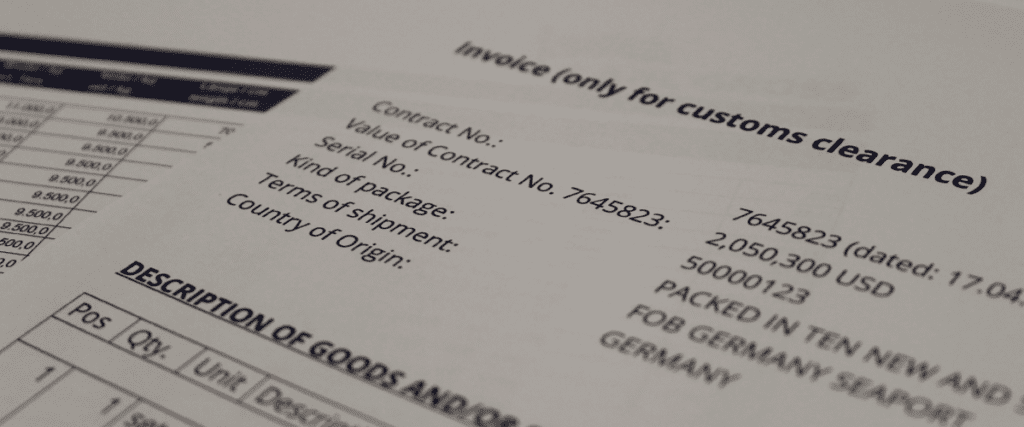
These two are non-negotiable for almost every commercial shipment. The invoice must show a clear description, HS code, and value that matches your Air Waybill and contract. The Packing List is especially critical at Guangzhou Baiyun — we’ve had multiple shipments held simply because the Packing List was missing or didn’t match the physical cargo.
Entrust Letter of Customs Declaration
Most small and medium exporters don’t have their own import/export license, so they need this. The template changed in 2025. Using the old version is one of the fastest ways to get rejected by the Single Window system.
Declaration Form & Supporting Documents
This is now submitted electronically. What many people don’t realize is that different airports still have slightly different supporting document requirements:
- Guangzhou Baiyun: Packing List is almost always requested. Shipments over 90kg must go through full Category D process.
- Shenzhen Bao’an: Identity documents are heavily checked for Personal Effects. Shipments over 99kg need Category D.
- Shanghai Pudong & Beijing Capital: Entrust Letter and price composition statement are frequently required for heavier shipments.
Pro tip: We keep a live checklist for all three airports. If you want the latest version, just drop us a message.
The Real 5-Step Process (What Actually Happens)
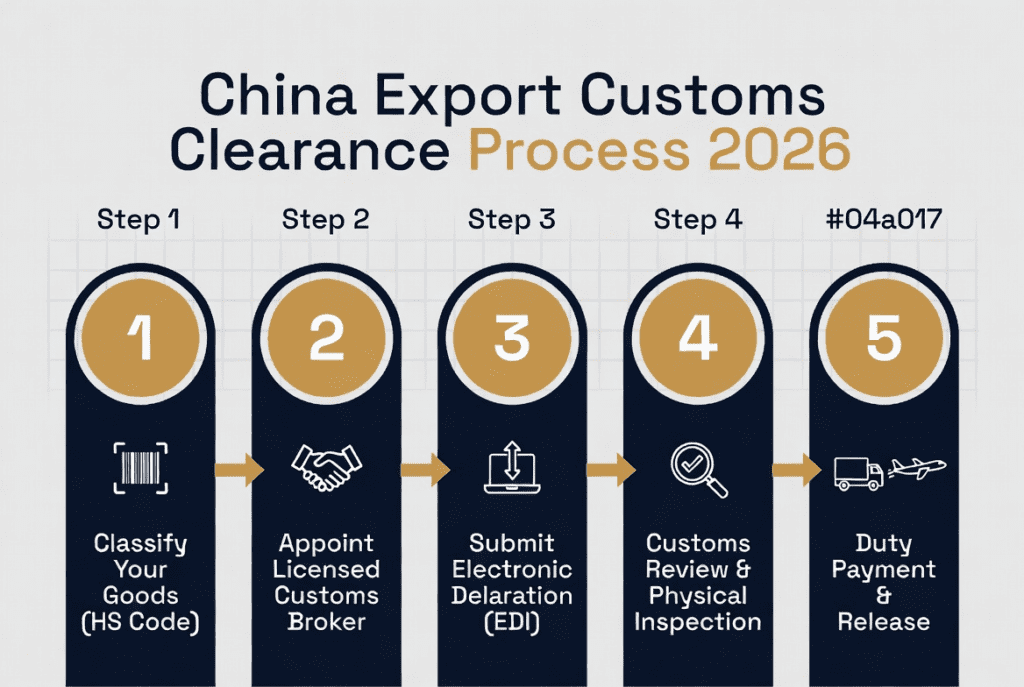
Step 1: Get the HS Code right
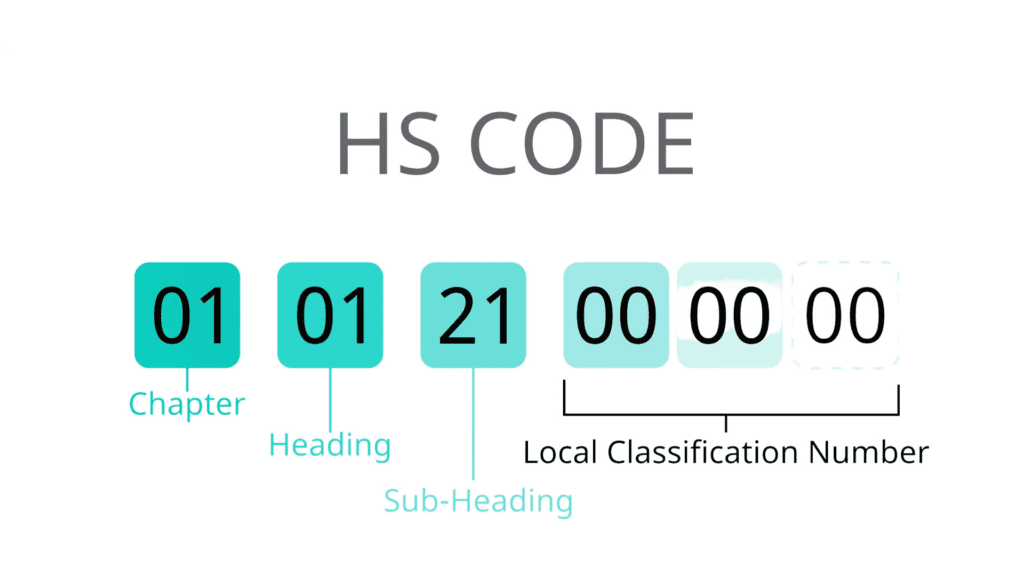
This is where most problems start. A wrong or “close enough” code doesn’t just affect duty — it affects whether your shipment gets selected for inspection and whether you can claim tax rebates. We always recommend verifying with someone who actually understands your product category.
Step 2: Work with a licensed broker
You can technically do it yourself, but in practice almost everyone uses a licensed broker. The Single Window is complex, and small mistakes are expensive. We’ve seen people try to save a few hundred RMB on broker fees only to lose thousands in storage and delays.
Step 3: Submit through Single Window
Data goes in electronically. Clean submissions often get green channel quickly. Anything that looks inconsistent gets flagged.
Step 4: Inspection (or not)
Most shipments go through without physical inspection. But if you’re a new exporter, shipping high-value goods, or your description is vague, expect a higher chance of red channel. We always tell clients to build in 5–7 buffer days for anything that might get checked.
Step 5: Pay and release
Once duties/taxes are settled (or rebates processed), the goods are released for loading. This part is usually smooth if everything before it was done correctly.
What Actually Changed in 2026 (The Stuff That Matters)
- Paperless is now the default at all major airports. Physical documents are only requested when something looks suspicious.
- The Single Window has become stricter on data consistency. Small mismatches between invoice value and packing list that used to slip through now trigger automatic holds.
- Cross-border e-commerce supervision codes have been updated again. Many traditional exporters are getting caught using the wrong code and facing re-classification.
- Airport-specific processes still exist. Trying to use Shanghai’s portal for a Guangzhou shipment is a common (and painful) mistake.
The biggest operational change we’ve noticed: Customs is now much better at linking shipments from the same exporter. If you had issues last year, there’s a higher chance your new shipment gets extra scrutiny.
The Mistakes We See Most Often (Real Examples)
Wrong HS Code
One client last month declared “plastic components” under a code that carried 12% duty. The correct code was 6.5%. They only found out after the shipment was held and re-classified. Total extra cost: over RMB 18,000 in duties + 6 days of storage.
Invoice Value Mismatch
Customs now cross-checks the commercial invoice against the Air Waybill and even the purchase contract. We had a case where the invoice showed USD 4,800 but the contract showed USD 5,200. The shipment was held for 9 days while they explained the difference.
Using Old Templates
The Entrust Letter format changed. Several clients got rejections in the first quarter of 2026 because they were still using 2024 versions. Small mistake, big delay.
Underestimating Inspection Risk
New exporters and shipments to Europe or the US are getting pulled more often than people expect. We now tell every new client to assume at least one inspection in their first 3–4 shipments.
How Long It Really Takes & What It Costs
There’s no single answer, but here’s what we see in practice:
- Clean low-value shipments (Category C): Usually 1–3 business days
- High-value or anything that gets inspected: 5–10 business days is common
- Personal Effects: 2–6 days depending on the airport and documentation quality
Costs (these vary a lot):
- Broker fee: RMB 350–900 depending on complexity
- CIQ inspection fee: RMB 500–3,000+ (we had a toy shipment last month that cost over RMB 3,200 because lab testing was required)
- Storage after free period: RMB 200–500 per day
The cheapest option on paper is often not the cheapest in reality.
Bottom Line
China export customs clearance in 2026 rewards preparation and punishes sloppiness. The companies that treat it as a core part of their supply chain — and work with people who actually know the airports and current rules — clear faster and pay less.
If you’re preparing your next shipment and want a second pair of eyes on the documents or HS code, just send us the details. We’ll tell you straight what’s likely to happen and how to avoid the common traps.
 English
  Chinese
  Arabic
  French
  German
  Portuguese
  Spanish