
The Pre-Implementation Phase: Navigating Regulatory Ambiguity
As discussions intensify around the European Union’s proposed €3 flat tariff on low-value imports, cross-border e-commerce sellers and logistics managers are closely monitoring Brussels. While preliminary timelines point toward potential shifts in 2026, it is critical to recognize that proposed trade policies remain highly fluid prior to official implementation. Final enforcement dates, exact exemptions, and implementation thresholds may still be modified as member states debate the operational logistics of universal parcel taxation.
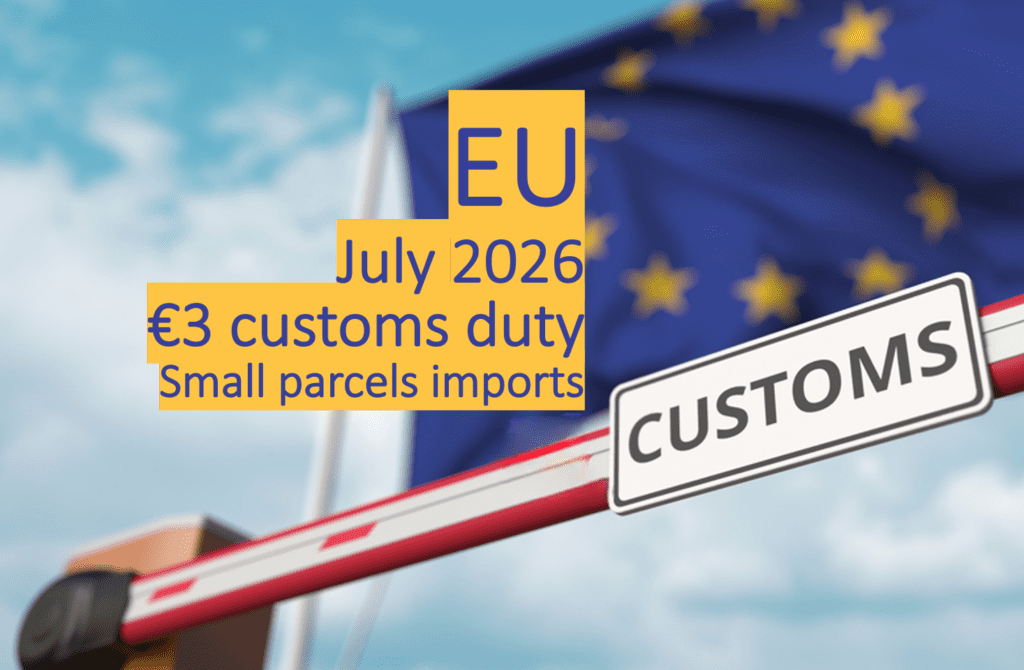
Rather than waiting for a finalized mandate to disrupt operations, forward-thinking exporters are treating this window as an opportunity to build supply chain resilience. The proposed €3 fee should not be viewed as an isolated tax, but as part of a broader European push toward comprehensive digital customs oversight.
Risk Management Note: Because final policy text can pivot before its official launch date, setting up a rigid, single-track logistics strategy carries inherent risk. The goal for high-value brands right now isn’t to guess the exact future, but to evaluate multiple operational contingency plans so they can pivot the moment the final framework is locked.
Scenario Planning: Evaluating Your Strategic Response Options
Should the €3 flat tariff be implemented as proposed, direct-to-consumer (DTC) air parcel networks will face altered margin dynamics. Depending on your product category, average order value (AOV), and cash flow constraints, several counter-strategies are worth analyzing:
Option A: Micro-Parcel Optimization and Consolidation
For sellers with lower-priced, highly seasonal goods, migrating away from air freight entirely may not be feasible.
- The Strategy: Restructuring storefront offers to encourage multi-item bundles or utilizing regional consolidation hubs to group orders prior to customs entry.
- The Trade-Off: This preserves the agility of just-in-time inventory but demands strict operational math to ensure regional handling and split-order fees do not eventually surpass the proposed €3 tariff threshold.

Option B: Transitioning to Pre-Positioned Inventory via DDP Ocean Freight
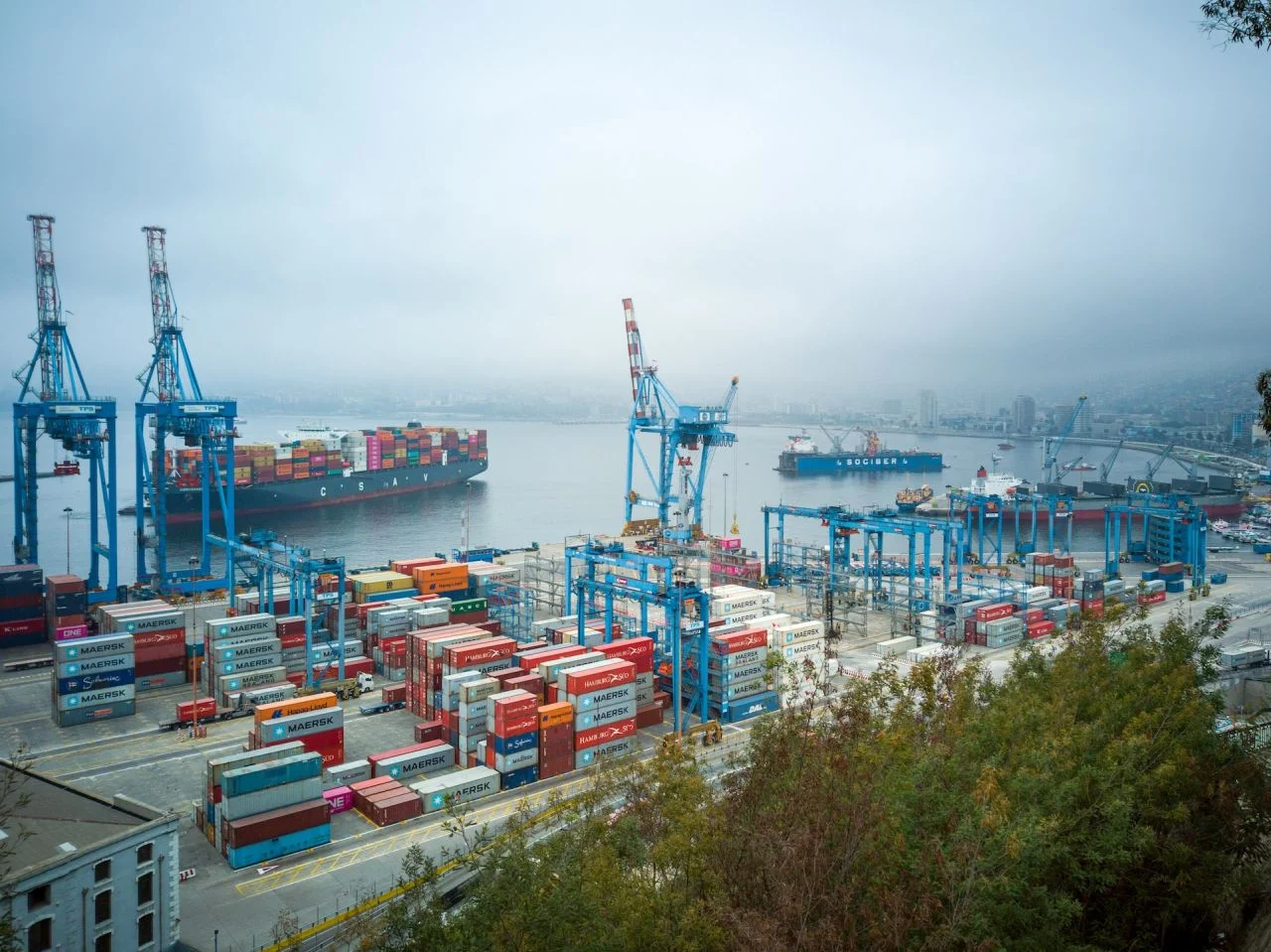
For premium brands, consumer electronics, and high-margin apparel, structural diversification into containerized maritime shipping (LCL/FCL) paired with European fulfillment centers represents a robust alternative.
- The Strategy: Shifting a portion of steady-velocity inventory to sea freight channels under a formal DDP (Delivered Duty Paid) structure. Duties and clearance parameters are pre-calculated in bulk, effectively distributing regulatory processing costs across thousands of units rather than paying per individual package.
- The Trade-Off: While it eliminates individual parcel tariff exposure and stabilizes landed costs, it requires greater upfront working capital to fund inventory transit times.
Option C: Regional Hub Diversification
- The Strategy: Exploring alternative entry points or neighboring non-EU fulfillment zones to manage final-mile delivery.
- The Trade-Off: This allows flexibility but requires highly sophisticated legal and customs routing architecture to ensure long-term compliance.
Building Compliance Guardrails into Your First-Mile Logistics
Regardless of which operational path your business tests during this transition period, stabilizing your data compliance remains the most effective line of defense. Regulatory shifts generally target information gaps at the border.
- Proactive Harmonized Tariff (HS) Audits: Ensure your product catalog is mapped against the most precise customs classifications. Mismatched data is the primary trigger for port holds, regardless of shipping volume.
- Pre-Calculated Landed Costing: Work toward pricing models where potential duty exposures are factored into your financial architecture early, preventing margin erosion if sudden enforcement occurs.
Adaptive Supply Chain Solutions with Vantage Forwarding
In an era of shifting trade parameters, operational flexibility is the ultimate asset. Operating from the Guangzhou Baiyun logistics hub with 15 years of international supply chain experience, Vantage Forwarding focuses on building highly adaptable, secure logistics corridors across US, European, and Mexican trade lanes.
- Flexible Multi-Channel Logistics: We don’t believe in one-size-fits-all answers. Whether your current setup requires optimized air freight compliance or a strategic pivot into containerized DDP sea freight (LCL/FCL), we build tailored infrastructure to keep your cargo moving smoothly.
- Dynamic Carrier and Risk Vetting: Our strict carrier verification protocols monitor the real-time compliance ratings and reliability of global shipping lines and regional drayage networks. We adapt your routing dynamically based on changing port conditions and shifting customs scrutiny levels.
Regulatory environments will continue to evolve. By partnerning with Vantage Forwarding, you ensure your logistics infrastructure possesses the agility to absorb policy shifts, protect your assets, and sustain your European market presence.

 English
  Chinese
  Arabic
  French
  German
  Portuguese
  Spanish