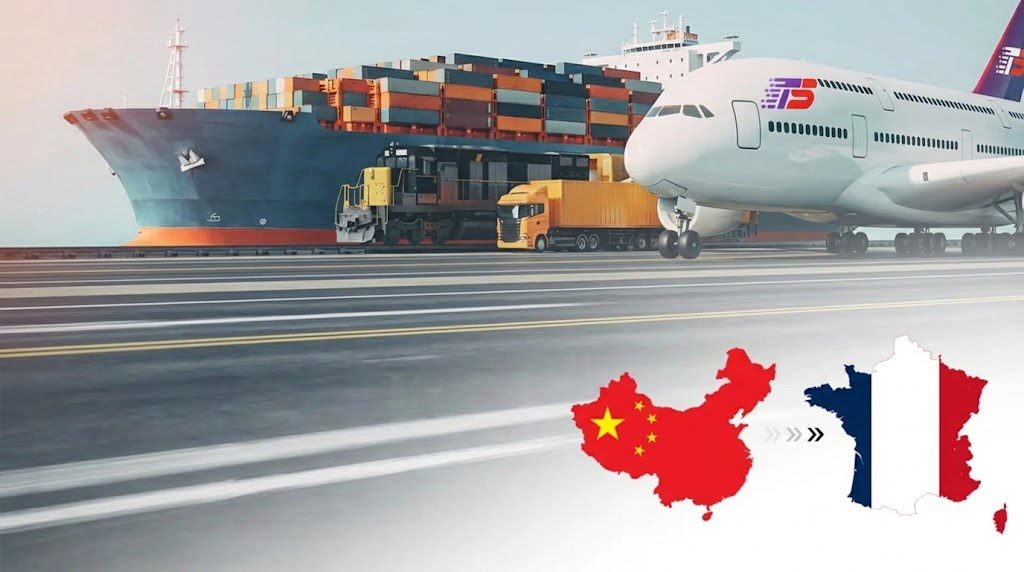
French importers buy from China the freight process runs on EU-wide rules. A B2B shipment from China to France clears customs under EU law, pays French import VAT, and reaches the buyer through Le Havre, Fos-sur-Mer, or Paris CDG. This guide explains how the process works, when LCL and air express make sense, and how DDP delivery to door changes the paperwork.
What does a B2B shipment to France need?
Every commercial shipment into France needs an importer of record with an EU EORI number, a commercial invoice with HS codes, a packing list, and a transport document. French customs applies the EU tariff, so the duty rate follows the HS code of each line. Import VAT at 20 percent applies on the duty-inclusive value and is recoverable by a registered French business.
The documents must be consistent across all three files. A mismatch between invoice and packing list is the most common reason a French shipment is held. Our importer documents checklist keeps the set complete.
How do you ship by sea to France?
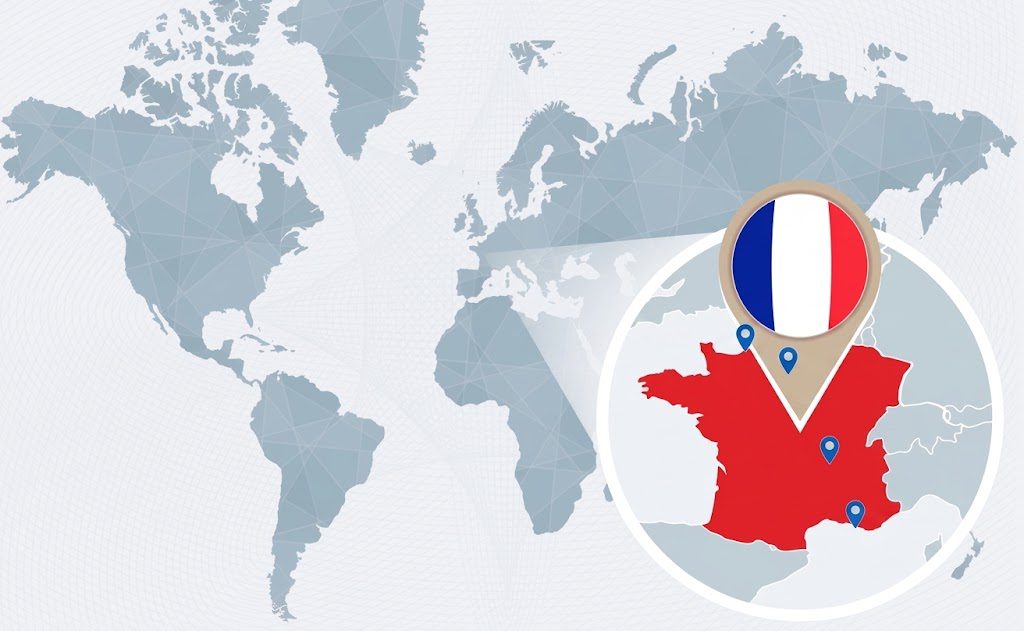
Ocean freight to France lands at Le Havre on the Atlantic coast or Fos-sur-Mer near Marseille. Two options apply:
- FCL (full container load) for a full container of goods
- LCL (less than container load) for smaller shipments sharing a container
LCL is the standard entry for medium B2B orders. The consolidation happens in China, the container is unpacked at the destination port, and the buyer collects the goods after clearance. For steady volume, FCL costs less per unit. Our less than container load guide covers the freight-side comparison.
When does air freight make sense?
Air freight to Paris CDG runs in days, not weeks, and suits high-value, time-sensitive, or seasonal cargo. French B2B buyers use air for launches, restocks, and components that cannot wait for a ship. The cost per kilogram is higher, so the decision is a value trade-off, not a speed habit. For small urgent loads, express courier offers door-to-door tracking; for larger urgent loads, consolidated air freight balances cost and speed.
What is DDP and when should you use it?
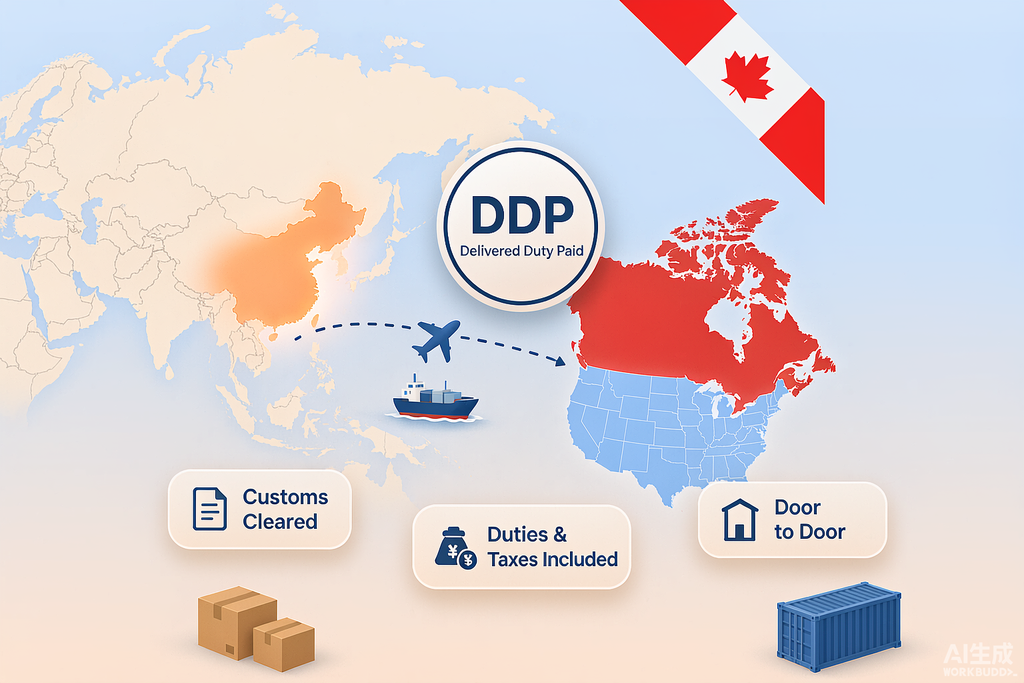
DDP means the seller delivers the goods cleared and duty-paid to the buyer’s door. For a French buyer, DDP offers a fixed landed price with no customs involvement. For the seller, it means handling French import clearance and paying import VAT, which usually requires a VAT registration or a fiscal representative in France.
DDP works well when the buyer is not set up to import, or when the seller wants to control the whole delivery promise. It works less well when the buyer wants to reclaim VAT on a normal basis, because the import is then in the seller’s name. Our IOSS versus DDP guide explains the VAT mechanics.
How do French customs handle reforms and low-value parcels?
The EU customs reforms tighten data requirements for all imports, and low-value parcels from outside the EU face stricter controls than before. For B2B freight, the practical effect is simple: complete, accurate, machine-readable data clears fast, and incomplete data gets pulled. The same discipline applies whether the goods move by sea, air, or parcel.
Common mistakes with France-bound shipments
- Using DDP without a French VAT setup and failing at clearance
- Declaring HS codes that differ between invoice and packing list
- Choosing air for low-value bulk cargo and inflating the landed cost
- Forgetting the buyer’s EORI number and delaying the import
- Ignoring product compliance (CE, battery rules) that blocks release
Frequently asked questions
Does the Chinese seller need a French VAT number for DDP?
Yes, for DDP the seller needs a French VAT registration or a fiscal representative. For standard DAP shipments, the French buyer imports and handles VAT.
What is the cheapest way to ship B2B cargo to France?
For bulk and stable inventory, sea freight (FCL or LCL) is cheapest per unit. Air is faster but costs more per kilogram. Match the mode to the cargo value and urgency.
Can I ship electronics to France?
Yes, with CE marking and battery declarations where applicable. Product compliance rules apply at the French border just as they do elsewhere in the EU.
How long does LCL take from China to France?
Typically 30 to 40 days door to port, depending on the origin port and the destination port. Air freight runs in days; rail offers a middle option for some European destinations.
 English
  Chinese
  Arabic
  French
  German
  Portuguese
  Spanish