
Reviewed by a licensed U.S. customs broker (CCS) at Vantage Forwarding, 12 years in China–U.S. DDP freight.
Furniture almost always moves by ocean, usually in a full container (FCL). The cost drivers are crating, wood treatment, and the delivery at the U.S. end, not the freight rate itself. Get the packing and the appointment right and a furniture shipment is uneventful.
This guide covers what actually causes damage claims and residential-delivery surprises.
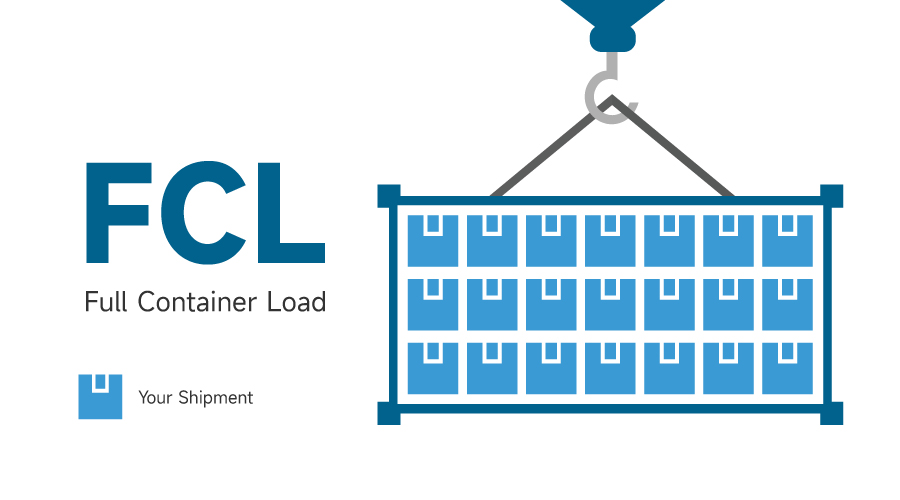
FCL is the normal path
Most furniture goes in a 20GP or 40HQ. A 20GP holds about 28 cbm and suits dense, heavy loads. A 40HQ holds about 68 cbm and suits bulky but light pieces.
| Container | Volume | Good for |
|---|---|---|
| 20GP | ~28 cbm | Stone, solid wood, heavy sets |
| 40HQ | ~68 cbm | Upholstered, flat-pack, bulk |
For a single sofa or a few chairs, LCL is possible but the handling risk rises. The shipping method guide covers the break-even volume between FCL and LCL.
Wood must carry the ISPM-15 mark
Any solid-wood pallet, crate, or dunnage entering the U.S. needs the ISPM-15 heat-treatment mark. Plywood and MDF are exempt because they are processed, but a solid-oak crate is not. The standard is set by FAO/IPPC ISPM-15, which U.S. ports enforce.
A missing or forged mark can get the whole container inspected or rejected at the port.
How we pack and protect furniture at Vantage Forwarding
Before we book a furniture container, we confirm three things: the wood carries a valid ISPM-15 mark or the pieces are plywood/MDF, the cartons use foam-in-place or dense corrugated rather than loose filler, and desiccant bags are in place for any wet-season sailing. We add the desiccant ourselves on most ocean shipments because Pacific container rain is the most common cause of a mold claim we see.
Crating stops most damage
For pieces that can chip or scratch:
- Band and corner-protect every panel.
- Use foam-in-place or dense corrugated, not loose filler.
- Keep pieces from touching container walls with dunnage.
Upholstered goods need a moisture barrier, because container rain is real on a Pacific crossing.
Desiccant prevents mold
A container that crosses in a wet season without desiccant bags can arrive with mildew on fabric.
Example: The following are typical scenarios and do not represent actual processing records from Vantage Forwarding.
One 2025 shipment of 40 oak dining sets reached New Jersey with mold on the seats. The claim exceeded $9,000. The all-risk policy covered it after a two-week adjustment, but the goods were still lost.
Two or three desiccant bags per container cost a few dollars and remove most of that risk.

The U.S. delivery is where costs appear
Residential furniture delivery usually needs:
- A liftgate ($60–140) if there is no dock. The low end is a curbside tailgate drop; the high end covers a powered liftgate with a longer on-site window.
- Inside delivery or room-of-choice service, billed per piece.
- A delivery appointment, since most carriers will not drop unannounced.
These line items are easy to miss on a door quote. We list them separately on every residential furniture quote so the number at delivery matches the number you approved. Ask for them explicitly when the destination is a home or a small showroom.
Insure the full value
Furniture damage claims are common enough that all-risk marine cargo insurance is worth it on a full container of finished goods. The high-value cargo guide covers coverage types and how to set the declared value.
Authoritative sources to verify against
- U.S. Customs and Border Protection: https://www.cbp.gov/trade/basic-import-export
- FAO/IPPC ISPM-15 wood-packaging standard: https://www.ippc.int/en/publications/635/


 English
  Chinese
  Arabic
  French
  German
  Portuguese
  Spanish