Alright, listen up. You’re an e-commerce seller, a small business owner, and you just got a DHL bill that made your stomach drop faster than a lead balloon in the Pearl River. You thought you understood DHL prices per kilo, but that number on the final invoice? It’s three times what you calculated.
Welcome to the club. You are not alone. Every day, we see good, honest entrepreneurs getting blindsided by the complexities of international express shipping. Carriers promise speed, and they deliver, but the price tag often comes with more fine print than a bad loan contract.
What Really Drives DHL prices per kilo?
Forget what you think you know about just multiplying your package weight by a rate. That’s kindergarten stuff. DHL, like all express carriers, uses a sophisticated (read: complicated) pricing model that goes way beyond simple weight. Here’s the breakdown:
The Base Rate: Where it Starts (But Doesn’t End)
Yes, there’s a base rate that’s tied to the weight of your shipment and the destination zone. This is the “dhl prices per kilo” you probably saw advertised or got in an initial quick quote. It’s usually tiered, meaning the more you ship, the lower the per-kilo rate *might* be. But this is just the tip of the iceberg, a starting point for a journey into a maze of surcharges.

Volumetric Weight: The Silent Killer of Your Budget
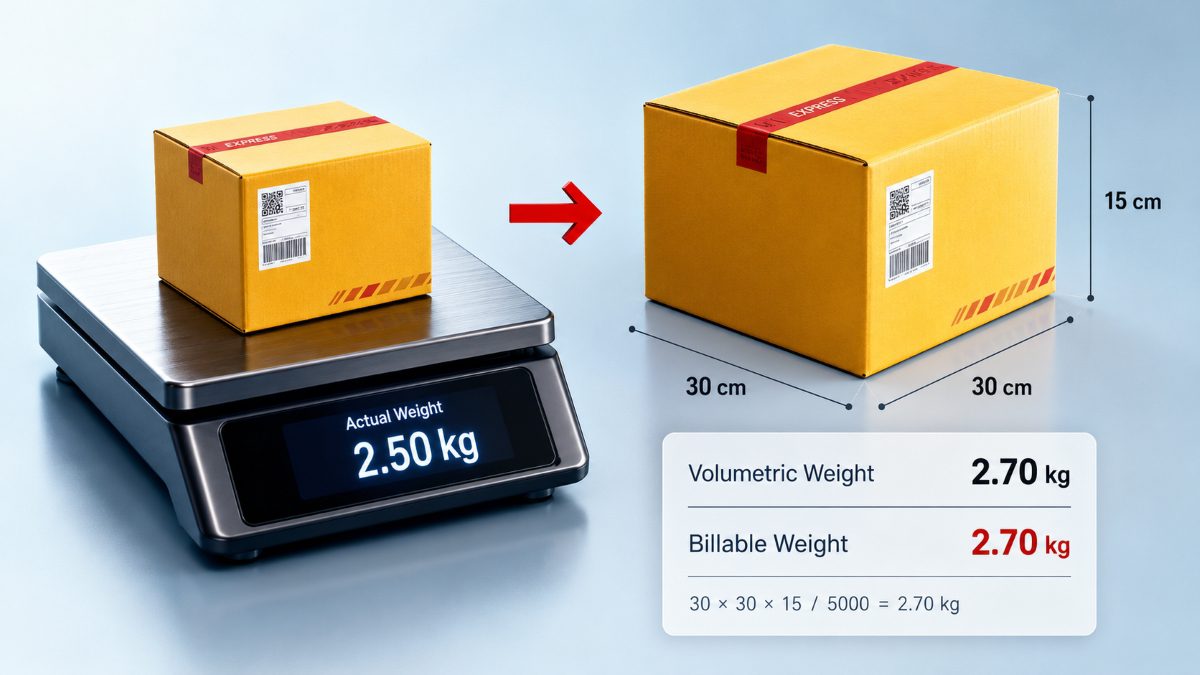
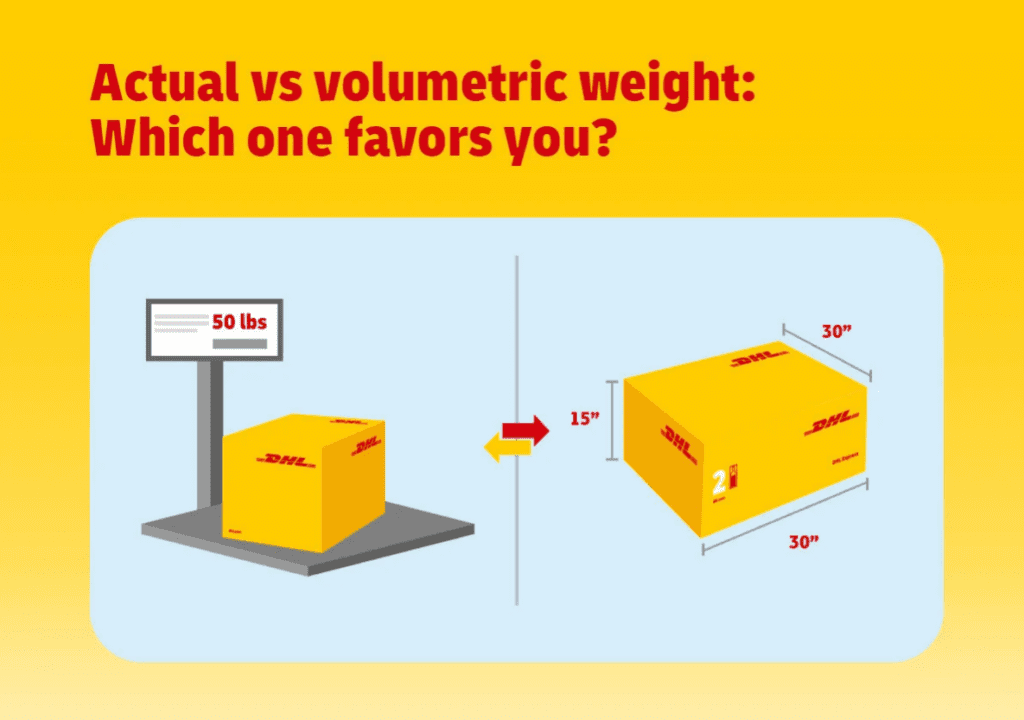
This is where most people get tripped up. DHL doesn’t just care about how heavy your box is; they care about how much space it takes up on their planes and trucks. If your package is light but bulky, you’re going to pay for its volume, not its actual weight. This is called volumetric weight, or dimensional weight.
Here’s the simple math: They calculate your package’s volume (Length x Width x Height) and divide it by a ‘dimensional factor’ (usually 5000 for centimeters or 139 for inches). If that calculated volumetric weight is higher than your actual gross weight, you pay for the volumetric weight. Always. No exceptions.
Example: You ship a box of lightweight plastic toys. It weighs 2 kg, but it’s 50cm x 40cm x 30cm. The volume is 60,000 cubic cm. Divide by 5000, and your volumetric weight is 12 kg. You’re paying for 12 kg, not 2 kg. Ouch.
How Does Volumetric Weight Affect DHL prices per kilo?
It impacts everything. If you’re selling items like apparel, plush toys, or anything with significant packaging, volumetric weight is probably why your DHL bill is higher than expected. It’s a fundamental part of how air freight, including express, is priced because space on an aircraft is just as valuable as weight capacity. Always pack smart, minimize dead space, and consider vacuum-sealing where appropriate to reduce volume.
What Hidden Fees Should I Watch Out For with DHL?
This is where the real fun begins. Beyond the base rate and volumetric weight, DHL tacks on a laundry list of surcharges. These aren’t always clear upfront, especially if you’re using their online calculator or a third-party comparison tool that only gives you the basic
Frequently Asked Questions
Why is my DHL bill so much higher than the ‘per kilo’ rate I expected?
DHL’s pricing is complex, going beyond simple weight. It includes a base rate, but crucially, it also considers volumetric weight (how much space your package takes up). On top of that, there are numerous surcharges like fuel, remote area, customs clearance, duties, taxes, and more. Most initial quotes only cover the base rate, leading to unexpected final bills.
What is volumetric weight and how does it impact my DHL ‘precios por kilo’?
Volumetric weight (or dimensional weight) is calculated by taking your package’s dimensions (Length x Width x Height) and dividing it by a specific dimensional factor (e.g., 5000 for cm). If this calculated volumetric weight is higher than your package’s actual physical weight, DHL will charge you based on the volumetric weight. This is common for light but bulky items like clothing or plastic goods.
Are there really ‘hidden’ fees beyond the base rate with DHL?
Absolutely. Common hidden fees include a fuel surcharge (which fluctuates constantly), a remote area surcharge if your delivery address is off the beaten path, customs clearance fees, and government-imposed duties and taxes. There can also be charges for re-delivery attempts, storage if your package is delayed, or special handling for certain goods.
When is DHL the best option, and when should I consider alternatives?
For small, urgent, high-value, or time-sensitive shipments, DHL can be a great option due to its speed and reliability. However, for larger, heavier, or less time-critical shipments, or if you need more hands-on customs support, a freight forwarder like Vantage Forwarding can often offer more competitive rates, DDP (Delivered Duty Paid) services, and a more tailored approach.
How can I get an accurate DHL ‘precios por kilo’ quote and avoid surprises?
To get the most accurate quote, you need to provide precise dimensions (length, width, height) and actual weight for your package, the exact origin and destination addresses (including zip codes), and a detailed description of the goods. Always ask for an ‘all-inclusive’ or ‘door-to-door’ quote to try and capture as many surcharges as possible upfront. Better yet, work with a freight forwarder who can give you a comprehensive Landed Cost Calculator estimate.



 English
  Chinese
  Arabic
  French
  German
  Portuguese
  Spanish