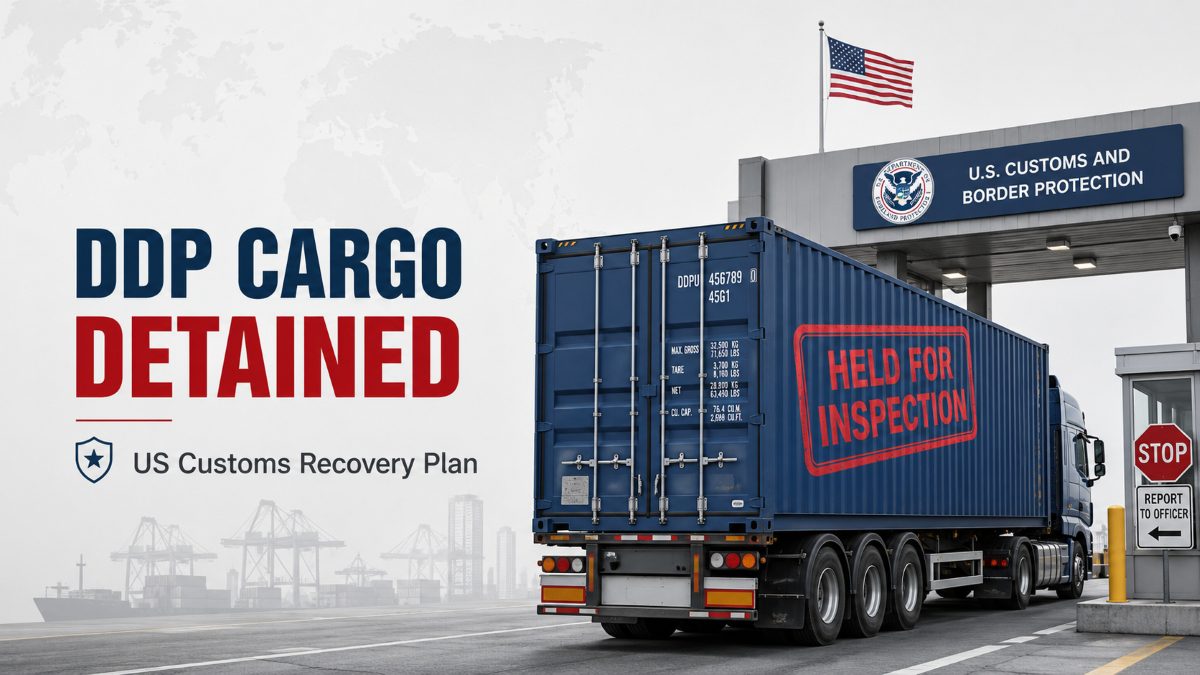
Introduction: Overcoming the Vulnerability of DDP Compliance Holds
Under standard Delivered Duty Paid (DDP) agreements, foreign shippers assume the theoretical responsibility for import clearance and duties. However, within the highly scrutinized environment of US ports of entry, relying on hands-off DDP structures routinely masks severe regulatory vulnerabilities. When U.S. Customs and Border Protection (CBP) issues a cargo hold or an absolute detention order, high-volume e-commerce brands and industrial importers frequently find themselves locked out of the resolution process due to structural anonymity within the entry documentation.
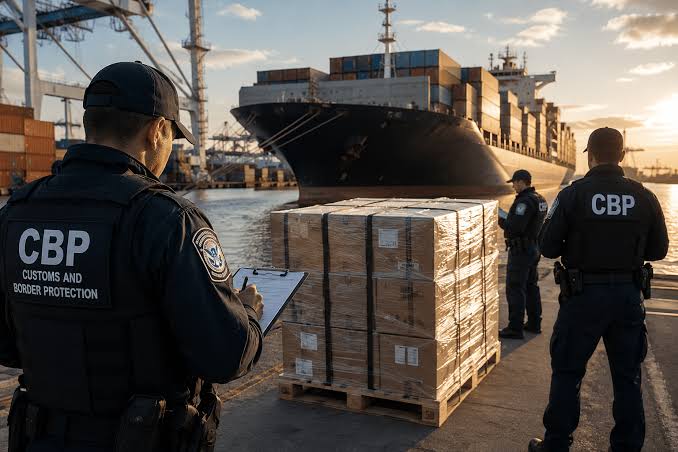
As a dedicated component of our master regulatory sequence, DDP Shipping from China: The 2026 “Double Clearance” Survival Guide, this operational playbook delivers an advanced, 4PL-level remediation strategy. Resolving a CBP hold requires migrating from passive shipping models to an assertive CBP detained cargo recovery framework. By understanding the structural intersection of ultimate consignee liability and integrated customs brokerage, enterprise importers can systematically discover how to release customs hold constraints and safeguard their domestic supply chains.
The Operational Reality: Why DDP Cargo Triggers CBP Holds
When a container is flagged at major entry nodes—such as the Ports of Los Angeles, Long Beach, or Newark—CBP does not recognize the commercial shorthand of “DDP.” Federal authorities evaluate shipments strictly through the lens of legal liability, identifying the bonded entity listed on CBP Form 3461 and CBP Form 7501.
Passive DDP structures routinely trigger a DDP shipment seized by customs or placed under severe administrative holds due to recurring structural failures:
- Continuous Bond Violation: Foreign freight forwarders frequently route thousands of unrelated DDP shipments under a single, mass-market continuous customs bond. If one importer violates compliance rules, CBP may hold the entire consolidated container.
- Evaded Ultimate Consignee Liability: DDP frameworks often utilize nominal or shell Importers of Record (IOR). Under current federal enforcement priorities, CBP rigorously audits the ultimate consignee to eliminate customs valuation evasion.
- PGA Hold Triggering: Shipments requiring oversight from Partner Government Agencies frequently face an FDA detention or similar agency actions due to misdeclared technical US codes by origin forwarders.

The 4-Step CBP Detained Cargo Recovery Action Plan
An effective CBP detained cargo recovery strategy demands swift coordination. Below is the mandatory execution sequence required to navigate an active detention, file a CBP detention notice appeal, and mitigate escalating port liabilities.
CBP Detention Exam Codes and Operational Timelines
To systematically track physical container movement during an active recovery cycle, consult the core enforcement matrix below:
| CBP Exam Type | Typical Processing Window | Primary Operational Target | 4PL Mitigation Strategy |
| Manifest Hold / Tail Gate | 24 to 72 Hours | Initial document review and physical container seal verification at the terminal gate. | Immediate electronic presentation of digital commercial invoices, packing lists, and manufacturing certifications via ACE. |
| CET / Intensive Physical Exam | 5 to 14 Business Days | Complete de-vanning, item counting, and physical sampling of cargo at a bonded Centralized Examination Station (CES). | Direct coordination with localized 3PL customs clearance USA teams to monitor physical de-vanning, secure cargo, and prevent product degradation. |
| PGA Enforcement Hold | Variable (Ad-Hoc) | Compliance verification for specialized agency mandates, frequently resulting in an intensive FDA detention. | Direct provision of laboratory testing data, country-of-origin certificates, or comprehensive upstream supply chain mapping documentation. |
Key Operational Takeaway: Most CET intensive physical exams are resolved within 14 days at a designated Centralized Examination Station (CES) or via a non-intrusive VACIS scan, but PGA enforcement holds require proactive submission of highly technical supply chain tracing data to successfully release the container.
Proactive Pre-Shipment Compliance: Preventing Customs Detentions
The most efficient way to manage a customs hold is to ensure it never occurs. Transitioning from a passive DDP model to a structured 4PL supply chain integration framework allows high-volume merchants to embed complete compliance parameters prior to origin departure:
- Secure Independent Import Credentials: Register a dedicated US EIN tax number and purchase an independent, single-client continuous customs bond. Ensure your Importer of Record information is fully valid, eliminating the risk of shared bond contagion.
- Enforce Granular Nomenclature Standards: Mandate that all commercial invoices and packing lists discard vague descriptors like “parts” or “daily commodities.” Implement strict “Material + Application + Model Number” data fields across all lines.
- Construct an Unbroken Trade Evidence Chain: Maintain a proactive audit trail linking factory purchase orders, verified bank wire confirmations, actual ocean freight bills, and reasonable item valuations based on true production costs plus rational margins.
- Execute 100% Data Alignment: Verify that data fields match across all digital files. The AMS, ISF, ocean bill of lading, commercial invoice, and packing list must maintain identical entries for the consignee name, physical address, tax registration number, declared value, and HTS classifications.
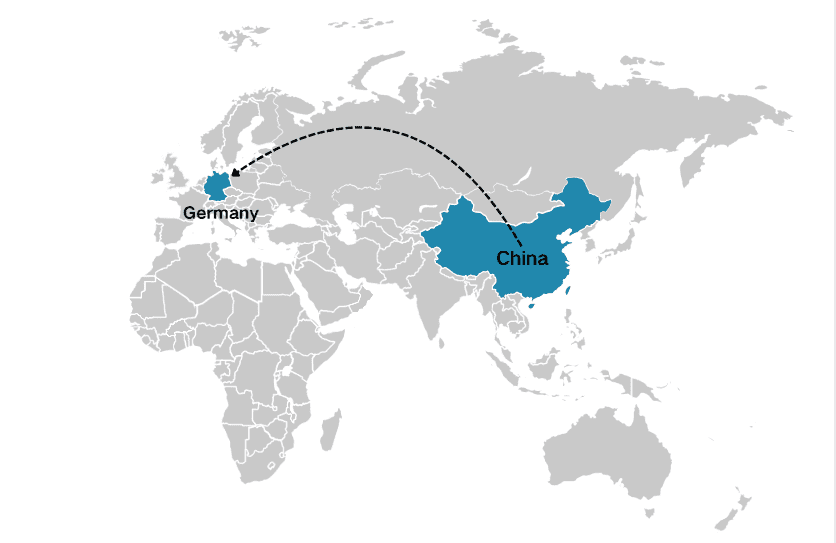
Context Note: Pre-shipment data alignment represents only half of the cross-border equation. To ensure your broader European logistics operations utilize identical multi-country compliance frameworks, review our definitive tactical guide: China-EU DDP FBA Fulfillment: Integrating Logistics with 3PL Networks.

 English
  Chinese
  Arabic
  French
  German
  Portuguese
  Spanish