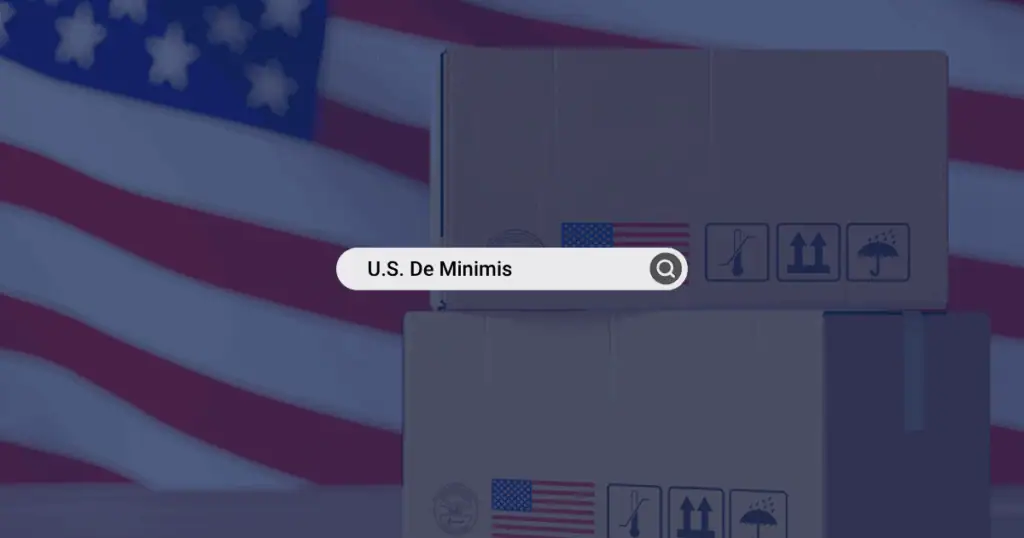
The Regulatory Realignment: It’s an Information War, Not Just a Tariff
Make no mistake: the White House and US Customs and Border Protection (CBP) have double-downed on their executive mandates, ensuring the suspension of the Section 321 de minimis exemption remains firmly in place for all nations. The foundational loophole that powered the rapid rise of cross-border B2C direct-shipping—allowing goods valued under $800 to enter the US duty-free—has officially closed.

Logistics Insider Insight:
The market is misjudging the real bottleneck. This isn’t merely about collecting incremental duties; it’s an all-out enforcement of data transparency at the border. CBP is forcing previously undocumented, high-frequency small parcels into formal automated entry systems (ACE). Requiring 10-digit HTS classifications for micro-packages means an inevitable explosion in customs inspection rates, port delays, and retroactive compliance audits.
The Three Critical Pain Points for Global Exporters
- Instant Margin CollapseLow-value merchandise that once bypassed the tax man is now hit with standard duty rates, alongside Section 301 punitive tariffs and 2026 temporary import surcharges.
- The Automated Customs BottleneckLegacy parcel express corridors are clogged. Shippers without authorized ACE filers or designated Importers of Record (IOR) are experiencing massive container holds. A single data mismatch on a commercial invoice can result in severe financial penalties or total cargo destruction.
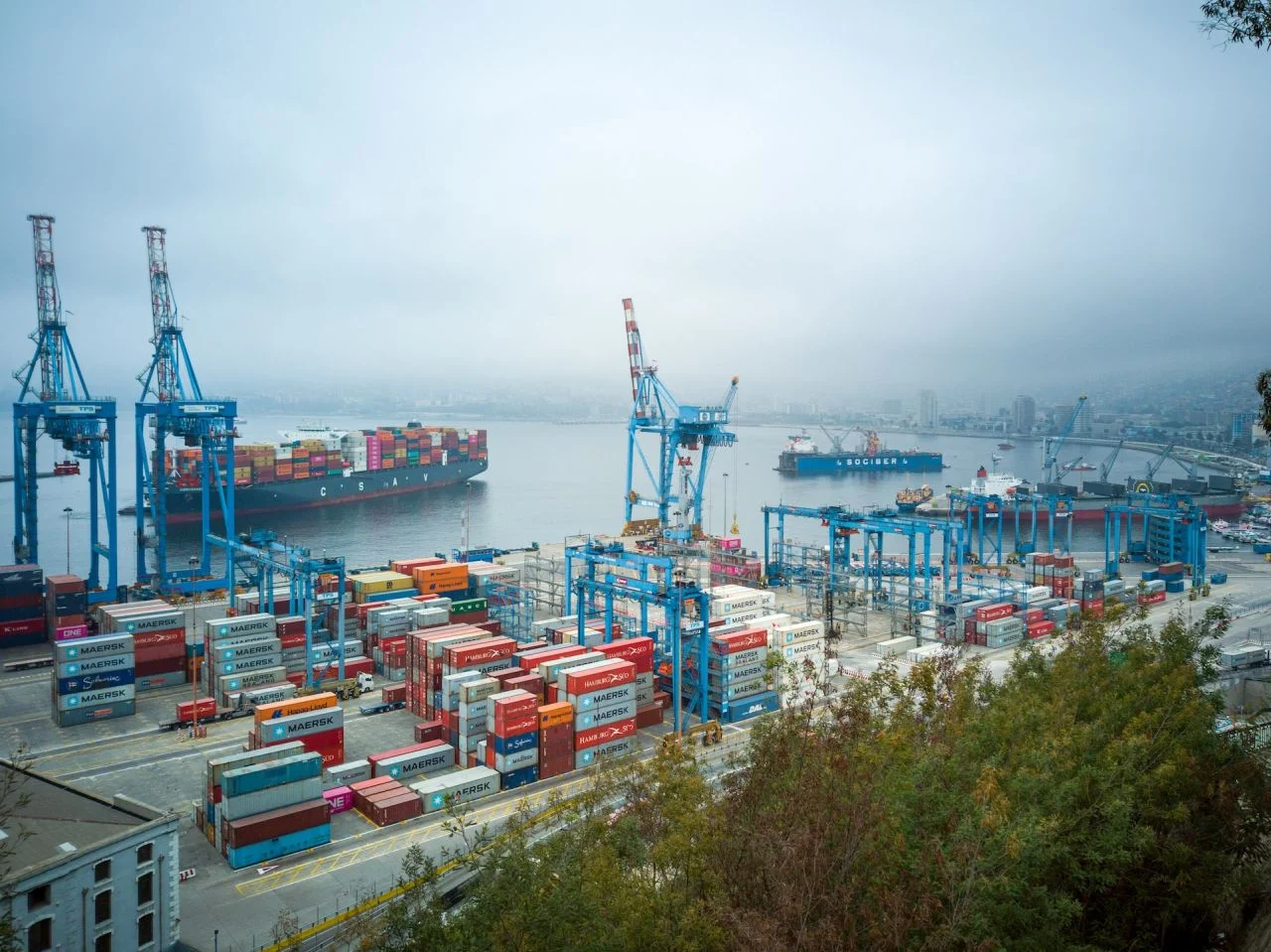
- Escalating Demurrage and Detention RisksWith documentation under intense scrutiny, cargo is sitting idle at major US gateways, racking up devastating port fees that can quickly eclipse the total product value.
Strategic Pivot: Transitioning to De-Risked Logistics
To survive in a post-de minimis world, exporters must immediately abandon fragile B2C direct-routing and transition to an asset-protected supply chain:
- Consolidate into Bulk Ocean Freight (FCL/LCL): Rather than spinning out thousands of individual air parcels, forward-thinking brands are leveraging commercial sea freight to pre-position inventory within domestic US fulfillment centers, dramatically lowering the per-unit cost of formal customs processing.
- Mandate Exact Landed Cost Modeling: Transition away from risky DAP billing. Implement a rigid DDP (Delivered Duty Paid) architecture where HTS classifications, duties, and logistics fees are pre-calculated and locked before the container leaves Guangzhou.
Vantage Forwarding: Built for absolute Regulatory Resilience
As under-compliant freight forwarders face widespread operational lockouts, Vantage Forwarding provides a safe harbor for your global trade lanes:
- DDP Compliant Filer Network: We manage the complexity of the post-de minimis transition. Our in-house trade specialists accurately classify your product catalog using 10-digit HTSUS codes, managing full formal customs entry end-to-end.
- Institutional Carrier Vetting: Vantage implements a comprehensive risk-rating framework evaluating FMCSA carrier scores and insurance liabilities. We bypass volatile, high-risk routing to ensure your freight is accepted by premier ocean carriers and domestic drayage lines, minimizing inspection disruptions


 English
  Chinese
  Arabic
  French
  German
  Portuguese
  Spanish