You Got a Quote for $300, But the Bill is $750. What the Hell Happened?
You just got a quote for shipping your goods from Guangzhou to Sydney: $300. You’re stoked. But then the invoice lands, and it’s $750. What the hell happened? That extra $450 didn’t just materialize out of thin air. It’s the hidden costs, the sneaky surcharges, and the stuff no one tells you about until it’s too late. When you’re sending freight to Australia, especially from China, you’re walking into a minefield if you don’t know the rules. Let’s blow up those mines and get you the real talk.
The ‘Volumetric Weight’ Trap That Doubles Your Bill
Imagine you’re shipping a massive box of feather-light pillows. It weighs maybe 2 kilograms, but it’s the size of a small refrigerator. You think you’ll pay for 2kg, right? Wrong. Every carrier, whether by air or sea, has a ‘volumetric weight’ rule. They’ll measure the dimensions of your box – length x width x height – and divide it by a specific factor (often 5000 or 6000 for air freight, different for sea). If that ‘volumetric weight’ is higher than your actual weight, you pay for the space your fluffy pillows take up, not their actual heft. This is the number one trap that catches e-commerce sellers off guard. Always calculate both and assume you’ll be charged for the higher one. Don’t let a lightweight product with a big footprint sneak up on your budget.
Why Your Quote Just Doubled: The Hidden Fees That Bite Hard
Beyond volumetric weight, there’s a whole pack of wolves waiting to chew through your budget. These aren’t optional extras; they’re standard industry charges that often aren’t included in a basic ‘per kg‘ quote. Ignoring them is how you get that nasty surprise bill.

The Fuel Surcharge (FSC) Assassin
This is a fluctuating monster. Fuel prices go up and down, and carriers pass that cost directly onto you. It’s a percentage of the base freight cost, and it can change weekly or monthly. You can’t avoid it, and it can add a significant chunk to your total. Don’t ever assume a quote includes a fixed fuel cost; it’s always dynamic.
The Remote Area Surcharge (RAS) Hitman
Australia is huge. If your destination isn’t Sydney, Melbourne, Brisbane, Perth, or Adelaide, chances are you’re hitting a remote area. Delivering to a farm in rural Queensland or a small town in Tasmania costs more. Carriers charge extra for the longer travel times, fewer delivery routes, and specialized logistics required. If your customer isn’t in a major metro, budget for this.
Customs Clearance Fees: Not Just Duties
You’ll pay import duties and GST (Goods and Services Tax) to the Australian government, that’s a given. But you also pay a fee for the actual service of getting your goods cleared through Australian Customs. This is the broker’s fee, the administrative cost for processing all the paperwork and ensuring compliance. It’s a separate charge from the actual taxes.
Port Congestion & Peak Season Surcharges: The Global Headache
When ports get backed up – due to bad weather, labor shortages, or just too many ships – carriers slap on a congestion surcharge. Similarly, during peak shipping seasons (like before Christmas or Chinese New Year), demand skyrockets, and so do prices. These are unpredictable but common. Your forwarder should warn you if these are likely.
Security Surcharges: The Post-9/11 Standard
Especially for air freight, there’s a mandatory security surcharge to cover enhanced screening and safety measures. It’s a small per-kilogram fee, but it adds up. It’s non-negotiable and part of the cost of doing international business today.
Storage, Demurrage, & Detention: The ‘Sitting Too Long’ Penalties
If your goods arrive at the port or airport and aren’t picked up or cleared quickly, you start racking up fees. Demurrage is for containers sitting too long at the port. Detention is for using the container outside the port beyond the free time. Storage is for goods sitting in a warehouse. These fees can be brutal and quickly eat into your profits. Get your paperwork in order and be ready to clear your goods fast.
The ‘HS Code‘ Passport: Your Product’s ID That Dictates Your Tax Bill
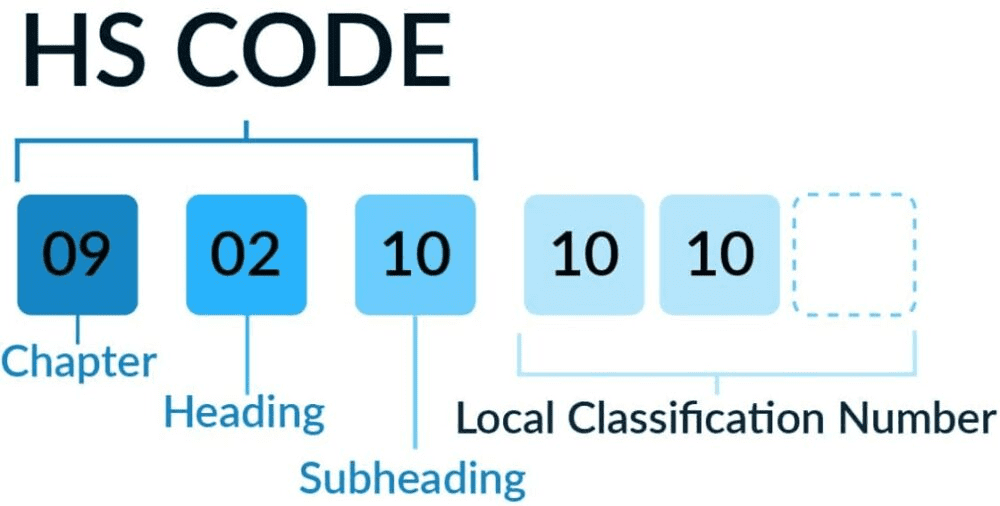
Think of an HS Code as the Chinese Customs ID passport for your product. It’s a 6-digit (or more) number that tells every customs agency in the world exactly what your product is. Is it a cotton t-shirt (6109.10)? Or a plastic toy (9503.00)? This code isn’t just some bureaucratic detail; it dictates your import tax bill in Australia, whether your product needs special permits, and if it’s even allowed into the country. Get this wrong, and your shipment gets stuck, you pay fines, or worse, it gets sent back. Don’t guess. Make sure your supplier provides the correct HS code, and double-check it yourself. It’s your first line of defense against customs headaches.
Incoterms: Who Pays for What? Don’t Get Stuck with Your Pants Down
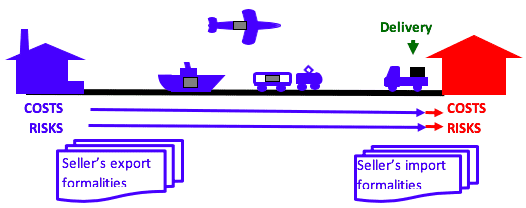
This is where many small businesses get absolutely burned. Incoterms define who pays for what, and where the responsibility shifts from seller to buyer. Get this wrong, and your customer gets a nasty surprise, or you end up paying for things you didn’t expect.
DAP (Delivered At Place): The Surprise Bill Option
With DAP, we get your goods to your buyer’s door in Australia. Sounds great, right? But here’s the kicker: your buyer is responsible for all import duties, taxes (like GST), and customs clearance fees once it hits Australian soil. They get a surprise bill from Australian Customs or the local delivery agent. For e-commerce, this is a terrible customer experience. Your buyer thought they paid for everything, then BAM, an unexpected charge. They’ll be pissed, and you’ll get a bad review. Avoid this for direct-to-consumer sales.
DDP (Delivered Duty Paid): The ‘No Surprises’ Option
This is what you want for e-commerce. With DDP, we handle everything. We pay all the export fees in China, all the freight costs, all the import duties, taxes, and customs clearance fees in Australia. Your buyer receives the package, no extra charges, no nasty surprises. It’s a higher upfront cost for you, but it’s a seamless experience for your customer. It’s peace of mind for everyone involved. Don’t cheap out on this; your brand reputation is on the line. DDP ensures your customer gets exactly what they paid for, with no unexpected shocks.
Sea Freight vs Air Freight: The Speed vs. Cost Showdown
Choosing how to send your goods is a fundamental decision that impacts both your wallet and your delivery times. There’s no single ‘best’ option; it depends entirely on your product, urgency, and budget.
Air Freight: Fast, Pricey, for Urgent or High-Value Goods
If you need your goods in Australia yesterday, air freight is your only option. It’s fast, typically 3-10 days from Guangzhou to an Australian airport. However, it’s significantly more expensive, especially for heavier or bulkier items. Use air freight for samples, high-value electronics, fashion items with short seasons, or urgent restocks. Remember, volumetric weight hits hardest here.
Sea Freight: Slow, Affordable, for Bulk & Non-Urgent Shipments
If you have time (typically 20-45 days from port to port, plus customs and local delivery), sea freight is the most cost-effective option for larger, heavier, or less urgent shipments. This is the backbone for most e-commerce sellers importing regular stock. You have two main options:
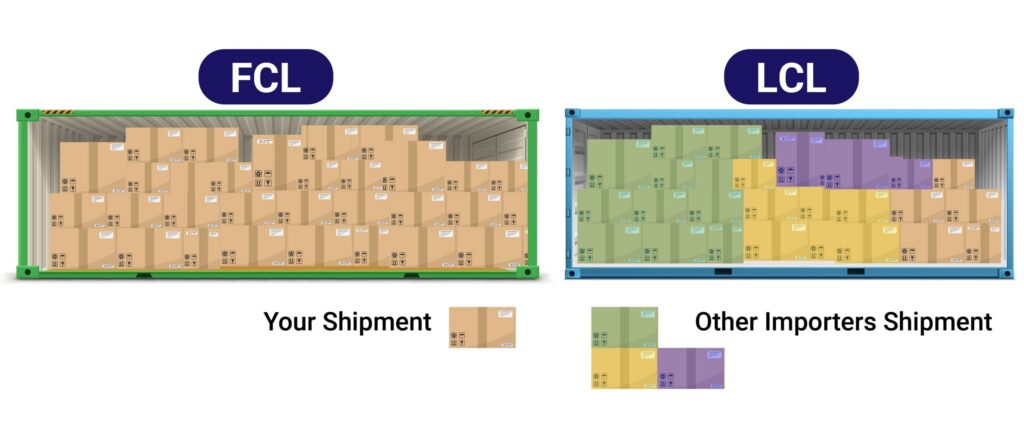
- LCL (Less than Container Load): This means your goods share space in a container with other people’s cargo. It’s perfect for smaller shipments that aren’t enough to fill an entire container. You pay for the space your goods occupy. It’s generally cheaper than air freight but takes longer due to consolidation and deconsolidation processes.
- FCL (Full Container Load): If you’re shipping enough to fill a 20-foot or 40-foot container yourself, FCL is usually the most cost-efficient per unit. You get your own container, which can sometimes mean faster transit and less handling. This is for serious volume.
The Paperwork Nightmare: What You ABSOLUTELY Need
This isn’t just bureaucracy; it’s the lifeblood of your shipment. Missing or incorrect documents are the fastest way to get your goods stuck in customs, incurring those brutal storage fees we talked about. Get these right, every single time.
- Commercial Invoice: This is your sales contract. It details the seller, buyer, product description, quantity, unit price, total value, and Incoterms. Customs uses this to assess duties and taxes.
- Packing List: A detailed inventory of every item in your shipment, including weights, dimensions, and how it’s packed (e.g., number of cartons). It helps customs verify the contents.
- Bill of Lading (for Sea Freight) / Air Waybill (for Air Freight): This is your contract of carriage and proof of ownership. It details the shipper, consignee, origin, destination, and description of goods. You need this to claim your cargo.
- Certificate of Origin: Sometimes required for specific products or if you want to claim preferential tariffs under free trade agreements between China and Australia. Check if your product qualifies.
- Import Permits/Licenses: For certain regulated goods like food products, cosmetics, electronics, some textiles, or anything with specific health or safety standards, Australia might require special import permits. Don’t assume; check with Australian Customs or your forwarder well in advance.
According to the operations team at Vantage Forwarding’s Guangzhou Baiyun hub, 80% of shipment delays happen because of incorrect or incomplete paperwork, especially wrong HS codes or missing permits. We see it every day. It’s not just about the cost; it’s about the time and the headache of a delayed shipment and angry customers.
Choosing Your Forwarder: Don’t Just Pick the Cheapest Guy
Your freight forwarder is your lifeline. Don’t just go with the cheapest quote you find online. A lowball quote often means they’ve conveniently ‘forgotten’ to include half the fees. Look for transparency, clear communication, and proven experience with the China-Australia lane. You need someone who understands Australian customs regulations, can navigate the complexities from Guangzhou, and gives you a full, landed cost upfront. A good forwarder will ask you a lot of questions – that’s a good sign. They’re trying to understand your needs to give you an accurate quote, not just a bait-and-switch number.
Your Action Plan: How to Avoid Getting Ripped Off
So, how do you protect yourself? Knowledge is power, but action is everything. Don’t guess these hidden costs. Don’t rely on a basic calculator that only gives you half the picture. Here’s what you need to do:
- Know Your Product: Get the exact dimensions, weight, and correct HS Code from your supplier.
- Understand Incoterms: For e-commerce, push for DDP to give your customers a seamless experience.
- Ask for an All-Inclusive Quote: Demand a quote that details every single charge from Guangzhou to your final destination in Australia, including all surcharges, duties, and taxes.
- Be Prepared: Have all your paperwork ready and accurate before your goods even leave the factory.
Skip the math, the guesswork, and the potential for nasty surprises. Run your exact product specs, dimensions, and destination through our Landed Cost Calculator at Vantage Forwarding. We’ll give you a real, locked-in, all-inclusive quote out of Guangzhou, so you know exactly what you’re paying, right down to the last Aussie dollar. No surprises, just honest freight to Australia.

 English
  Chinese
  Arabic
  French
  German
  Portuguese
  Spanish