
The ‘Cost Per Kg’ Lie: Why Your China Shipping Bill Explodes
You’re looking at a quote from China. It says $3/kg for air freight, or maybe $0.50/kg for sea. You do the math, feel good, and then the final bill hits. It’s double, sometimes triple, what you expected. Your stomach drops. Where did that extra money come from? This isn’t just a common problem; it’s the most common trap for e-commerce sellers and small business owners importing from China.
Forget the textbook definitions. I’m here at Vantage Forwarding’s Guangzhou Baiyun hub, and I see this panic every single day. The ‘cost per kg’ is just one tiny piece of a much bigger, nastier puzzle. We’re going to rip apart the real costs of shipping from China, air vs. sea, and show you exactly where the hidden fees hide. No fluff, just the brutal truth.
Air Freight: Why Your ‘Cheap’ Quote Just Doubled
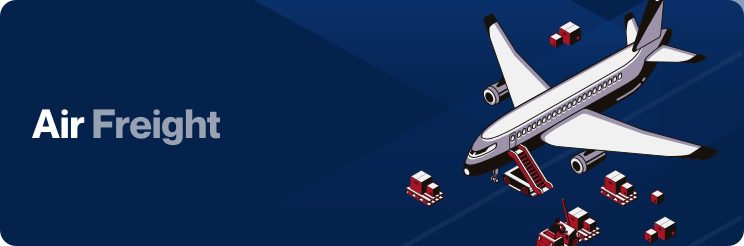
You think air freight is simple: weigh it, pay for it. Wrong. Air freight is fast, but it’s a minefield of surcharges and rules designed to make sure carriers get paid for every inch of space and every ounce of fuel. Here’s what you’re really paying for:
- The Volumetric Weight Assassin: This is the number one killer of budgets for light, bulky goods. Imagine shipping a huge box of pillows. It weighs 2kg but takes up the space of a refrigerator. The carrier will charge you for the fridge space, not the feathers. They calculate this using a formula: (Length x Width x Height in cm) / 5000 or 6000. Whichever is higher – actual weight or volumetric weight – that’s what you pay for. Always.
- Minimum Charge Trap: Even if your package is tiny, there’s a minimum charge. You might have a 1kg box, but the carrier won’t touch it for less than, say, a 20kg equivalent charge. Don’t assume small means proportionally cheap.
- Fuel Surcharges: The Invisible Tax: This isn’t fixed. Fuel prices fluctuate daily, and carriers pass these costs directly to you. It can be a significant percentage of your total bill and changes without warning.
- Security Surcharges: A standard, non-negotiable fee for enhanced security measures at airports. It’s small but adds up.
- Remote Area Surcharges: Is your final delivery address off the beaten path? Carriers charge extra to send trucks to hard-to-reach zip codes. Always check if your destination is considered ‘remote’ by their system.
- Customs Clearance Fees (Origin & Destination): Someone has to do the paperwork to get your goods out of China and into your country. This isn’t free. Your freight forwarder or a customs broker will charge for this service.
- Destination Handling Fees: Once your goods land at the destination airport, they don’t just magically appear at your door. There are charges for unloading, temporary storage, and preparing for local delivery.
- Import Duties & Taxes: The HS Code Dictator: This is where many get blindsided. Your product has an HS Code – think of it as the Chinese Customs ID passport for your product that dictates your tax bill. If this code is wrong, or you haven’t accounted for duties, you’ll get a surprise bill at your border.
- Incoterms (DAP vs. DDP): This is critical. DAP (Delivered At Place) means we drop it at their door, but your buyer gets hit with surprise import duties and taxes. DDP (Delivered Duty Paid) means we pay everything upfront – duties, taxes, all of it – so your buyer never panics and your landed cost is truly fixed. Always push for DDP if you want no surprises for your customer.
- Palletization/Crating: If your goods need to be put on a pallet or crated for protection, that’s an extra cost for materials and labor.
- Insurance: Air freight is generally safer, but accidents happen. Don’t skip cargo insurance, especially for high-value items. It’s a small percentage of your goods’ value but a huge peace of mind.
Sea Freight: The Slow Boat, But Is It Always Cheaper?
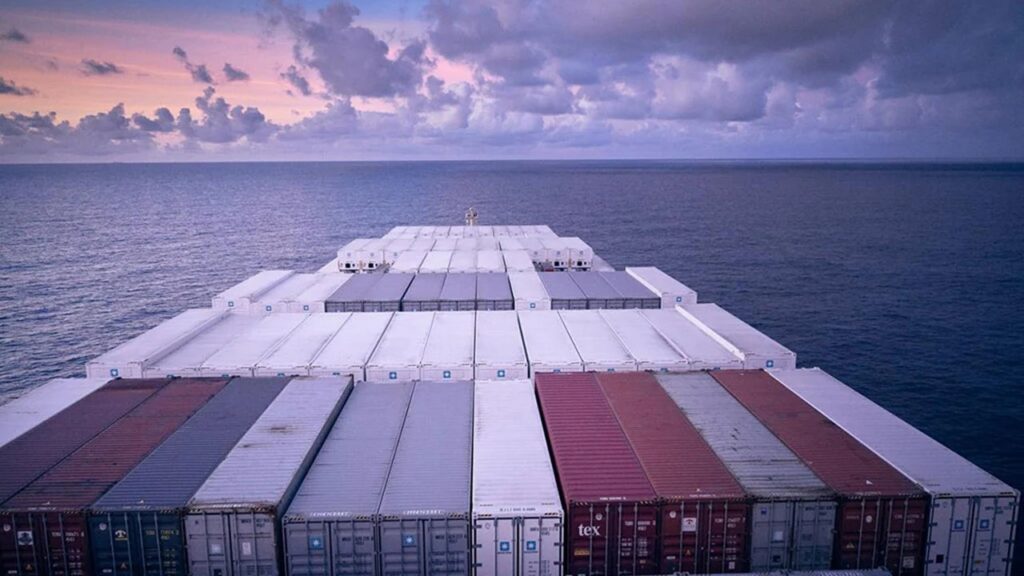
Sea freight is the go-to for heavy, bulky, non-urgent shipments. It’s generally cheaper per kg for larger volumes, but it comes with its own set of complex fees and longer lead times. For most small businesses, you’ll be looking at LCL (Less than Container Load).
- LCL (Less than Container Load) vs. FCL (Full Container Load): FCL means you fill an entire container yourself. LCL means your goods share space in a container with other shippers. LCL is more complex because you’re paying for your share of the container’s space and all the associated handling.
- Minimum Charge (CBM): Sea freight often has a minimum charge based on Cubic Meters (CBM). Even if your box is small, you might pay for a minimum of 1 CBM.
- Origin Charges (THC, Documentation, Customs): Just like air, there are charges at the port of loading in China. This includes Terminal Handling Charges (THC) for moving your container, documentation fees, and export customs clearance.
- Ocean Freight Rate: This is the actual cost of space on the ship. It fluctuates based on demand, season, and fuel prices.
- Bunker Adjustment Factor (BAF) / Low Sulphur Surcharge (LSS): These are the sea freight equivalents of fuel surcharges. They cover the cost of fuel for the vessel and compliance with environmental regulations. They can change quarterly or even monthly.
- Currency Adjustment Factor (CAF): Exchange rate fluctuations can impact the carrier’s costs, and they pass this on through a CAF.
- Destination Charges (DTHC, Customs, Delivery): Once the ship arrives, your goods need to be unloaded, moved, cleared through customs, and delivered. This includes Destination Terminal Handling Charges (DTHC), import customs clearance fees, and local delivery charges.
- Demurrage & Detention: The Daily Fines: This is a big one. If your container isn’t picked up from the port or returned empty to the shipping line within a certain free time (usually a few days), you get hit with daily fines. These can quickly eat into any savings you thought you had. Plan your pickup and delivery meticulously.
- Import Duties & Taxes: Again, the HS Code dictates your tax bill. Ensure you know these upfront and decide on Incoterms (DDP is still your best friend for predictability).
- Insurance: Sea freight has more risks – storms, piracy, containers falling overboard. Cargo insurance is non-negotiable for sea shipments.
Air vs. Sea: When to Pick Which and Why
The choice isn’t just about speed; it’s about the total landed cost, your inventory strategy, and your product type.
- Speed vs. Cost: Air is fast (3-10 days), but expensive. Sea is slow (20-45 days, sometimes more), but generally cheaper for larger volumes.
- Weight/Volume Sweet Spot: For small, high-value, or urgent items (under 100-150kg or low CBM), air freight often makes sense. For anything heavier, bulkier, or non-urgent, sea freight usually wins on cost. The crossover point varies, but generally, once you hit around 150-200kg or 1-2 CBM, sea freight starts looking much more attractive.
- Product Type: Perishables, fashion items with short seasons, high-demand electronics, or samples? Air. Heavy machinery, furniture, bulk commodities, or items with long shelf lives? Sea.
- Inventory Management: Do you need to restock quickly to avoid stockouts? Air. Can you afford to hold more inventory and plan months in advance? Sea.
According to the operations team at Vantage Forwarding’s Guangzhou Baiyun hub, 80% of shipment delays and unexpected costs happen because of incorrect documentation, miscalculated volumetric weight, or a fundamental misunderstanding of Incoterms and destination charges. Don’t be that statistic.
Your Battle Plan: How to Lock Down Real Costs

You don’t have to be a victim of hidden fees. Here’s how to protect your wallet:
- Demand a Landed Cost Quote: Don’t accept ‘port to port’ or ‘airport to airport’ quotes. Insist on a DDP (Delivered Duty Paid) quote that includes everything from our warehouse in Guangzhou all the way to your final delivery address, including all duties and taxes. This is the only way to get a true, fixed cost.
- Know Your Product Inside Out: Provide exact dimensions (L x W x H in cm) and actual weight for every carton. Know your product’s HS Code. The more accurate information you give us, the more accurate your quote will be.
- Understand Incoterms: If you’re not using DDP, make sure you understand exactly what costs you (or your buyer) are responsible for at the destination.
- Work with a Reputable Forwarder: The cheapest quote upfront is often the most expensive in the end. A good forwarder will be transparent about all potential costs and help you avoid surprises. They’ll explain everything, not just give you a number.
- Read the Fine Print: Ask about every single surcharge we mentioned above. Are they included? Are they estimated? What are the conditions?
- Plan Ahead: Give yourself ample lead time. Rushing shipments almost always means paying premium prices for air freight or expedited services.
The ‘cost per kg’ is a myth designed to get you hooked. The real cost of shipping from China is a complex sum of many parts. Don’t guess these hidden costs. Skip the math and run your exact specs through our Landed Cost Calculator to get a real, locked-in quote out of Guangzhou. We’ll show you the full picture, no surprises, no hidden fees. That’s how we do business here at Vantage Forwarding.

 English
  Chinese
  Arabic
  French
  German
  Portuguese
  Spanish