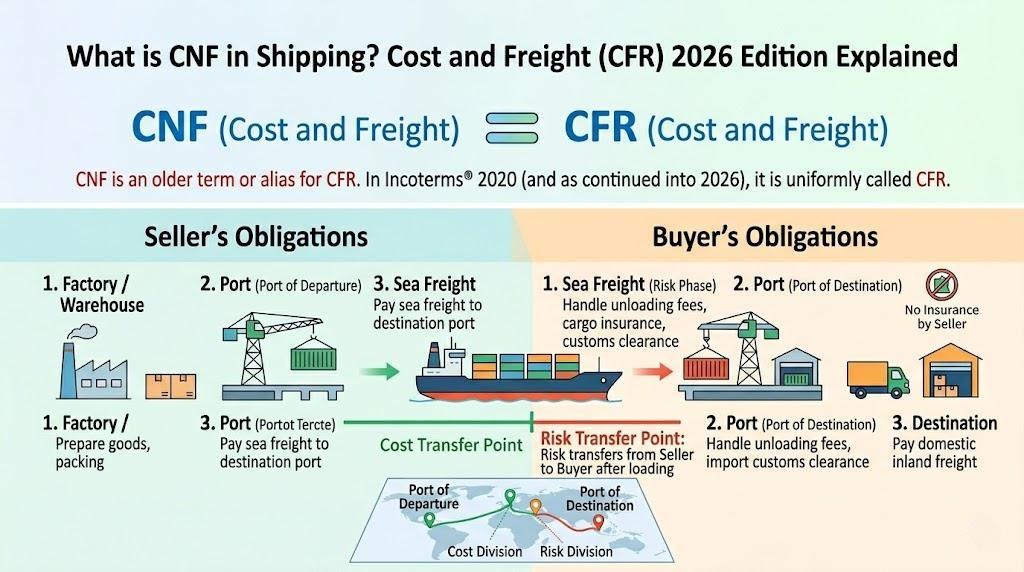
If you’ve received a freight quote showing “CNF” and aren’t sure what it means for your bottom line — this guide covers everything: the official definition, who pays what, the hidden destination port fees most buyers never see coming, and how CNF compares to CIF and FOB under Incoterms 2020.
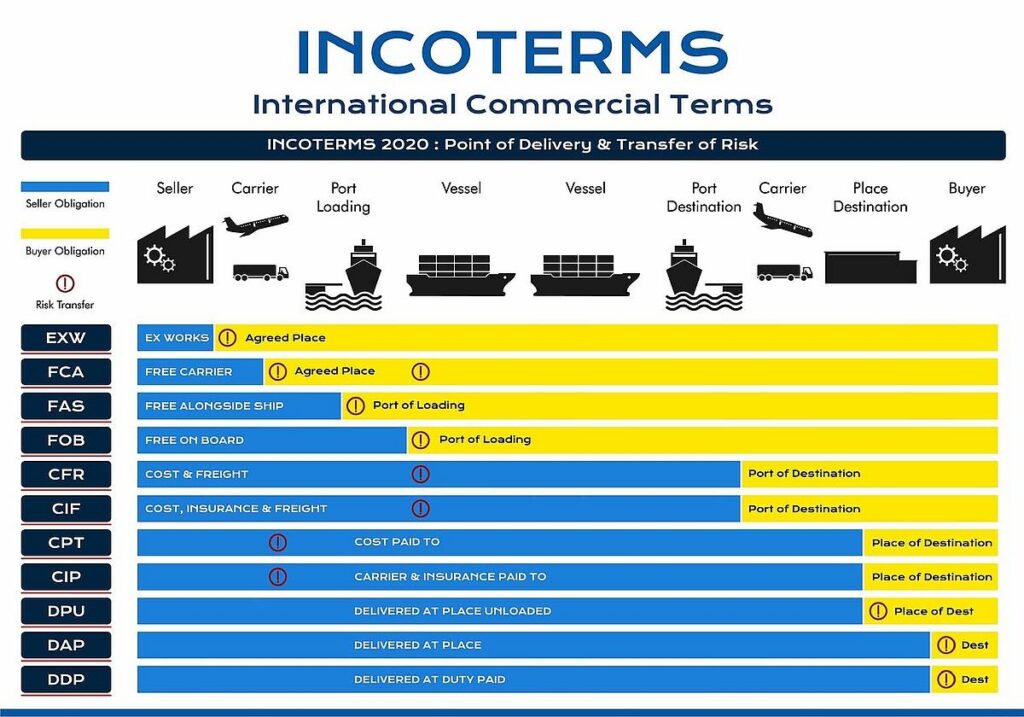
What Does CNF Mean in Shipping?
CNF stands for Cost and Freight. It is an international shipping term that defines how costs and risks are divided between a seller and a buyer in an ocean freight transaction.
Under CNF terms:
- The seller pays for the goods and ocean freight to the named destination port
- The buyer assumes all risk once goods are placed on board the vessel at origin
- The buyer is solely responsible for arranging and paying cargo insurance
CNF is functionally identical to CFR, the official abbreviation used under the Incoterms 2020 rules published by the International Chamber of Commerce (ICC). “CNF” remains widely used in practice — especially in Chinese export documentation and freight quotes — as an informal shorthand for “Cost aNd Freight.”
For contracts and legal documents, always use CFR to align with Incoterms 2020 standards.
What Is the CNF Shipping Price Definition?
When a seller quotes you a CNF shipping price, that price includes:
- The cost of the goods themselves
- Export packaging and labeling
- Export customs clearance at origin
- Origin port handling charges (up to loading)
- Ocean freight to the named destination port
It does not include:
- Cargo insurance
- Import customs duties and taxes at destination
- Terminal handling charges (THC) at the destination port
- Inland transport beyond the destination port
Understanding this cost structure is essential — because the CNF price you see on a quote is rarely the total landed cost you’ll actually pay.
Is CNF the Same as CFR?
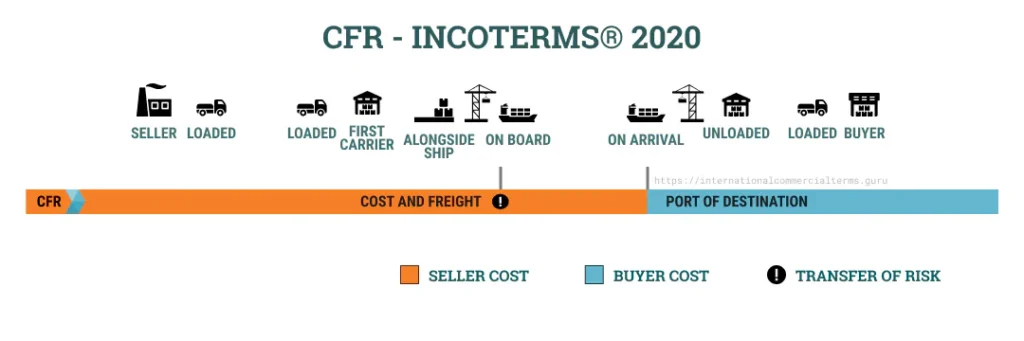
Yes — CNF and CFR refer to the same trade term.
The ICC standardized the abbreviation as CFR under Incoterms 2010 and carried it forward into Incoterms 2020. However, “CNF” persists in day-to-day trade, particularly across Asia and the Middle East.
For reference purposes, buyers sometimes search for CFR Incoterms 2020 PDF documentation — the official ICC publication is the authoritative source and the version your contracts should reference.
How Does CNF/CFR Work Under Incoterms 2020?
Step 1 — Seller prepares and exports the goods
The seller handles all production, packaging, and export customs clearance. All origin-side costs up to and including loading are the seller’s responsibility.
Step 2 — Goods are placed on board the vessel
Under Incoterms 2020, the critical moment is when goods are placed on board the vessel at the port of loading. This is both the delivery point and the risk transfer point.
Important correction from older standards: Many sources still describe risk transfer as occurring “when goods cross the ship’s rail.” This language comes from pre-Incoterms 2010 standards and is now outdated. Under Incoterms 2020, risk transfers the moment the goods are placed on board the vessel — not when they cross the ship’s rail. Using the old language in contracts can create legal ambiguity.
Step 3 — Seller pays ocean freight to destination port
Despite risk transferring to the buyer at origin, the seller continues to pay for ocean freight all the way to the named destination port. This cost split — where risk and freight payment travel in opposite directions — is what makes CNF distinct from FOB.
Step 4 — Buyer owns the risk from loading onward
Any loss or damage during the ocean voyage is the buyer’s responsibility. The seller has no further obligation once goods are on board.
Step 5 — Buyer handles everything at destination
At the named port, the buyer takes over completely: import clearance, duties, port handling, and inland delivery.
Who Pays Terminal Handling Charges (THC) Under CFR?
One of the most searched questions in CFR shipping is: who pays THC under CFR? The answer is straightforward — the buyer covers all destination terminal handling charges.
The answer: the buyer pays destination THC under CFR/CNF.
Here is how charges typically split:
| Charge Item | Who Pays Under CNF/CFR |
|---|---|
| Origin THC / Port Handling | Seller |
| Ocean Freight | Seller |
| Destination THC | Buyer |
| Destination Port Handling | Buyer |
| Import Customs & Duties | Buyer |
| Cargo Insurance | Buyer |
| Inland Delivery | Buyer |
This is a frequent source of disputes — particularly when buyers assume the seller’s CNF freight quote covers all port-related costs at both ends. It does not. Destination THC is always the buyer’s account under CFR Incoterms 2020.
The Hidden Trap of CNF: Destination Port Fees
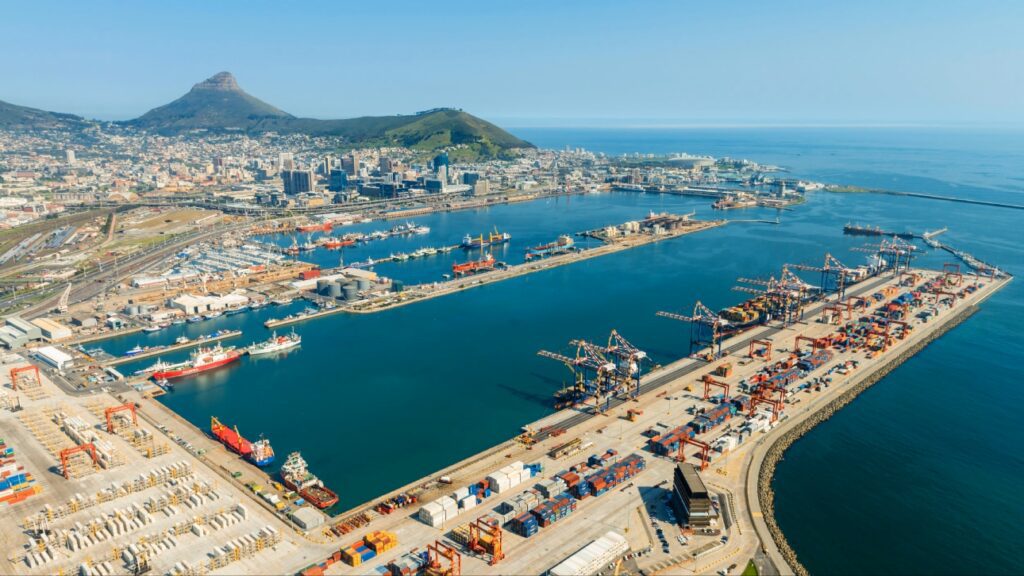
The destination port hidden charges under CNF are where most buyers get caught off guard — and what most CNF guides never tell you.
How destination port fee abuse works
A seller offers an attractively low CNF price. The freight forwarder — often one the seller has a relationship with — books the shipment at compressed ocean freight rates, then recoups the margin through inflated destination charges billed directly to the buyer.
Common charges used in this way include:
- Destination THC (Terminal Handling Charges) — sometimes quoted 2–3x the market rate
- D&D (Detention and Demurrage) — short free-time windows that trigger per-day penalties quickly
- LCL devanning / cargo handling fees — particularly common in consolidated shipments where buyers have less visibility
- Documentation fees — release fees, B/L amendment charges, and customs coordination fees billed at the destination end
The “cargo hostage” scenario
In extreme cases — more common than the industry publicly acknowledges — destination agents hold cargo release documentation until the buyer pays inflated fees. By the time the buyer realizes what is happening, their goods are sitting in a bonded warehouse accruing storage charges, and the leverage is entirely on the forwarder’s side.
This practice is particularly prevalent in certain destination markets and with LCL (less-than-container-load) consolidated shipments, where the buyer has less contractual visibility into the forwarding chain.
How to protect yourself
- Request a full destination fee schedule before booking — not just the CNF ocean freight rate
- Negotiate free-time terms upfront — standard is 7–14 days free demurrage at destination; anything shorter is a red flag
- Use your own destination agent where possible — an agent you appoint independently, not one recommended by the seller’s forwarder
- Get THC rates in writing — a legitimate forwarder will quote destination THC at booking, not after arrival
- Compare destination charges against published port tariffs — most major ports publish standard THC schedules online
CNF vs CIF: What Is the Difference?
| Shipping Terms | CNF / CFR | CIF |
|---|---|---|
| Cost of goods | Seller | Seller |
| Ocean freight | Seller | Seller |
| Cargo insurance | Buyer arranges & pays | Seller arranges & pays |
| Risk transfer point | On board vessel at origin | On board vessel at origin |
| Incoterms 2020 compliant | Yes (use CFR) | Yes |
The sole difference is who arranges cargo insurance.
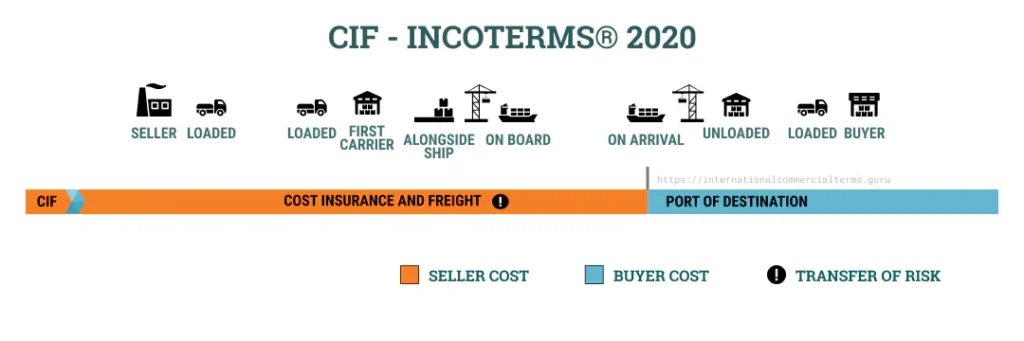
Under CIF, the seller must purchase minimum insurance coverage — typically Institute Cargo Clauses (C), the most basic level available. Under CNF/CFR, the buyer is completely responsible for their own insurance and can choose coverage level, insurer, and policy terms freely.
Which is better — CNF or CIF?
CNF gives the buyer more control. Experienced importers often prefer CNF because:
- They choose their own insurer and coverage level
- CIF insurance is often minimum coverage only — insufficient for high-value or fragile cargo
- Sellers sometimes mark up CIF insurance premiums as a margin line
CIF is simpler for less experienced buyers who want the seller to handle insurance logistics. But “simpler” comes at the cost of control.
For any shipment where cargo value is significant, CNF with a buyer-arranged all-risk policy is typically the stronger position.
CNF vs FOB: What Is the Difference?
| Freight Terms | CNF / CFR | FOB |
|---|---|---|
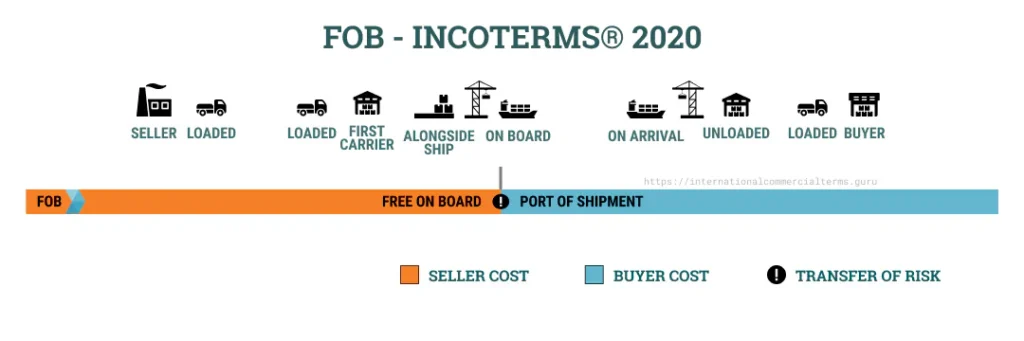
| Ocean freight | Seller books & pays | Buyer books & pays |
| Risk transfer | On board vessel at origin | On board vessel at origin |
| Insurance | Buyer arranges | Buyer arranges |
| Cost control | Seller controls freight | Buyer controls freight |
The core difference: under FOB, the buyer controls and pays for ocean freight. Under CNF, the seller does.
When CNF makes more sense than FOB
- The seller has high-volume carrier relationships and passes genuine freight savings to the buyer
- The buyer lacks established forwarder relationships at the origin port
- The buyer wants a simpler, all-in price structure from the seller
When FOB makes more sense than CNF
- The buyer has strong freight forwarder relationships and can negotiate better rates independently
- The buyer wants full visibility and control over the entire logistics chain
- The buyer is working with a forwarder who manages end-to-end operations — making the seller’s freight arrangement redundant
What Transport Modes Does CNF Apply To?
CNF/CFR applies exclusively to:
- Ocean freight
- Inland waterway transport
It does not apply to air freight, road, or rail.
For containerized cargo — where goods are handed over at a container freight station (CFS) before vessel loading — CPT (Carriage Paid To) is technically the more appropriate term under Incoterms 2020. In practice, CNF/CFR is still widely used for containerized shipments, but buyers should be aware this creates a potential gap in risk coverage between CFS handover and vessel loading.
Common Mistakes to Avoid with CNF Terms
Mistake 1 — Assuming the seller’s insurance covers your cargo
It does not. Arrange your own policy before goods are loaded. Minimum recommendation: Institute Cargo Clauses (A) for all-risk coverage.
Mistake 2 — Using outdated risk transfer language in contracts
Do not write “when goods cross the ship’s rail.” Under Incoterms 2020, the correct language is “when the goods are placed on board the vessel.”
Mistake 3 — Treating the CNF price as the landed cost
CNF covers ocean freight to the destination port — nothing beyond. Budget separately for destination THC, customs duties, and inland delivery.
Mistake 4 — Not specifying the destination port precisely
Always name the exact port. “CNF Europe” is not a valid term. “CNF Hamburg” or “CNF Rotterdam” is correct. Ambiguity creates fee disputes at destination.
Mistake 5 — Accepting short free-time terms without negotiation
Demurrage and detention charges accumulate fast. Always negotiate free-time terms at booking — not after arrival.
CNF Quick Reference
| Logistics Guide | |
|---|---|
| Full name | Cost and Freight |
| Official ICC abbreviation | CFR (Incoterms 2020) |
| Applies to | Sea freight and inland waterway only |
| Risk transfers | When goods are placed on board vessel at origin (Incoterms 2020) |
| Seller pays | Export clearance + origin port + ocean freight to named destination port |
| Buyer pays | Insurance + destination THC + import clearance + inland delivery |
| vs CIF | Buyer arranges own insurance |
| vs FOB | Seller books and pays ocean freight |
Final Thoughts
CNF/CFR is a practical, widely-used trade term — but it comes with responsibilities and risks that buyers consistently underestimate.
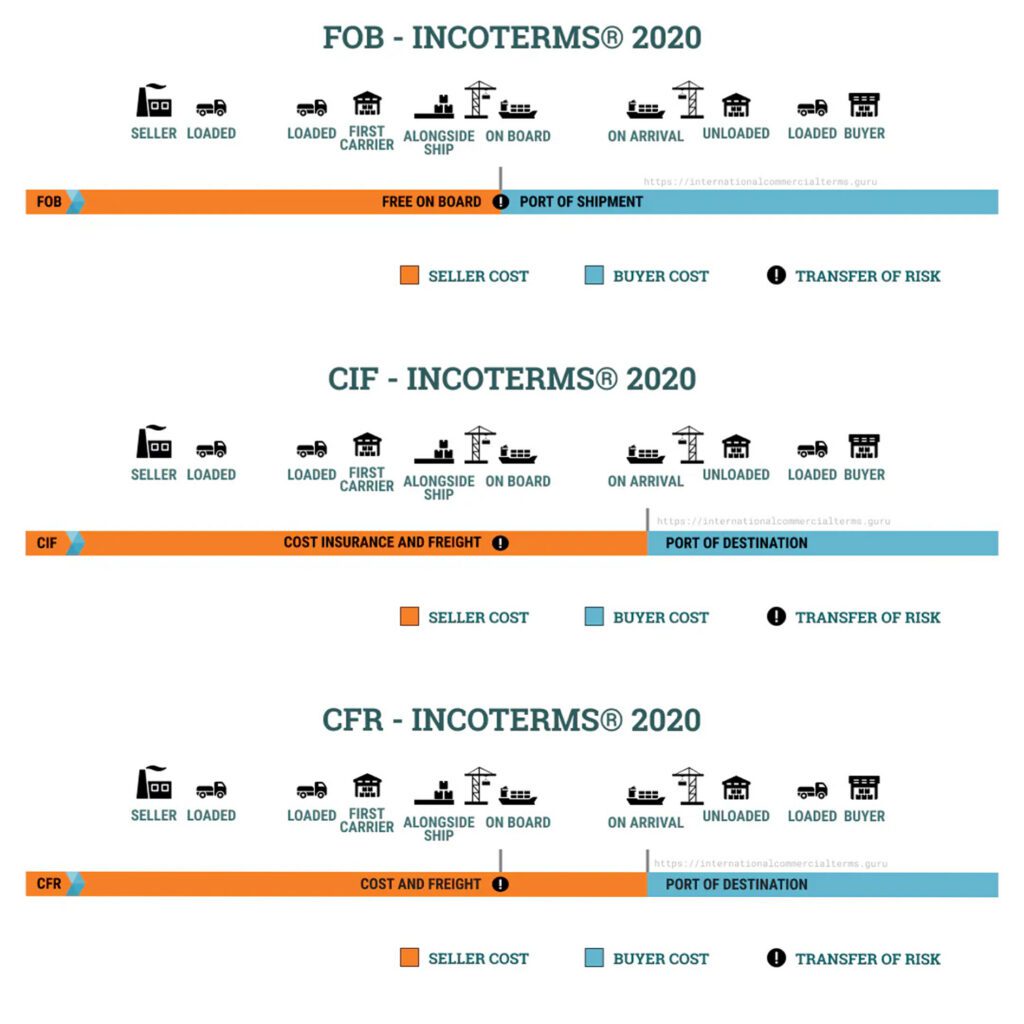
The risk transfer happens at origin. The hidden costs accumulate at destination. And the insurance gap is entirely yours to fill.
Understand the full cost structure before accepting a CNF price, appoint your own destination agent where possible, and always reference Incoterms 2020 — not outdated ship’s rail language — in your contracts.
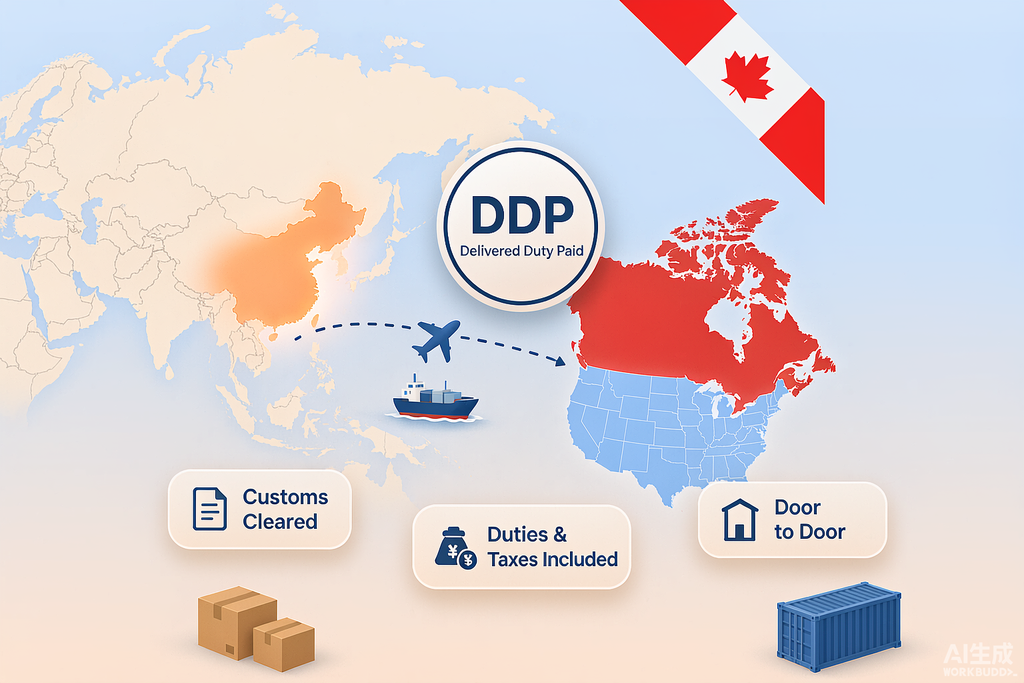
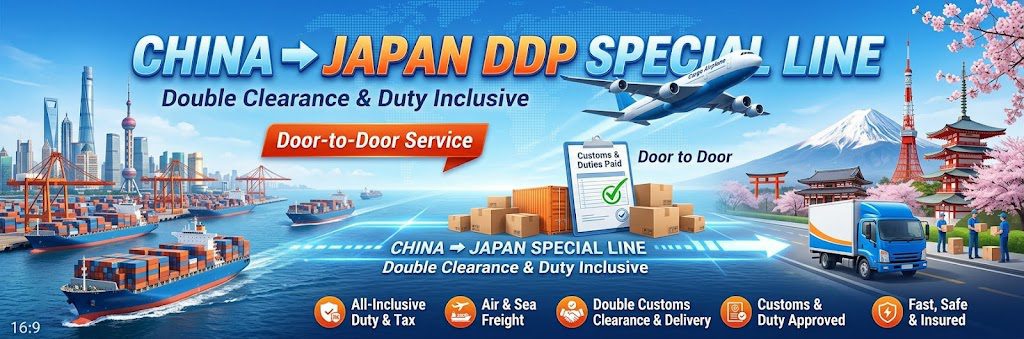
ant to Avoid CNF Risks and Hidden Fees? If you want full cost transparency and 100% risk control from origin to your warehouse, explore our fully compliant DDP Shipping Solutions from China. Let our team handle the logistics hassle safely.
 English
  Chinese
  Arabic
  French
  German
  Portuguese
  Spanish