Here’s the truth: if you’re shipping from China in 2026 and still picking your logistics partner the same way you did three years ago—blasting out RFQs and going with whoever comes back cheapest—you are probably paying for it right now. You pay for it in sudden peak-season surcharges, mysterious customs delays, or customers who get fed up waiting.
I’ve been in this industry long enough to see the same mistakes repeat. But this year, the stakes are undeniably higher. Tighter customs scrutiny globally, shifting trade tariffs, and buyers who expect real-time tracking mean the shipping agent you choose will either protect your profit margins or quietly eat them.
This is the no-fluff guide I wish someone had handed me when I first started moving serious volume. We’ll cover what actually separates a solid China freight forwarder from the noise, the red flags that always spell trouble, and how to protect your supply chain.
Why the Old Playbook is Breaking Down Fast
The days of getting away with an “average” forwarder are over. Think about it: EU carbon border rules are starting to bite. US Section 301 tariff reviews keep everyone guessing. Meanwhile, your Amazon FBA and Shopify customers demand tracking updates that push straight to their phones.
A forwarding company that still operates like it’s 2019—managing everything via chaotic spreadsheets and treating your cargo like just another box—quickly becomes a liability. The agencies that thrive today treat cross-border shipping as a true partnership, actively helping you navigate compliance and avoid dead ends.
6 Real-World Metrics to Evaluate Your China Logistics Partner
After years of cleaning up other people’s shipping messes, these are the exact areas I drill into before signing any contract.
1. Lane and Product Experience (Get Specific)
Anyone can say they ship to the US or Europe. The real test is whether they’ve consistently handled your specific type of cargo. If you ship high-value apparel, cosmetics, or battery-operated electronics, generic experience isn’t enough. Ask them: “How do you handle MSDS documentation?” or “What’s your process for confidential packaging on sensitive goods?” If they hesitate, walk away.
2. Verifiable Network Strength
Having “partners in 50 countries” sounds great on a website. But who actually picks up the phone when your container is stuck in Rotterdam or held by customs in Sydney at 2 a.m.? The best forwarders have direct contracts with major carriers and local clearance teams who actually solve problems, not just pass the blame.
3. Volumetric Weight Transparency
This is where the most arguments happen. Does your partner clearly explain how they calculate volumetric weight (e.g., dividing by 5000 vs. 6000)? The quote that looks 20% cheaper is almost always making up the difference by penalizing you on the dimensional weight calculation later.
4. Customs Track Record and Seizure Policies
Clearance success rates matter, but what matters more is how they handle the ugly situations. A reliable China shipping agent doesn’t promise “100% risk-free” (because that’s a lie). Instead, they tell you exactly what happens if goods get seized. Do they offer customs insurance? Do they refund the shipping fee? Honesty here is your best filter.
5. True DDP vs. “Fake” DDP
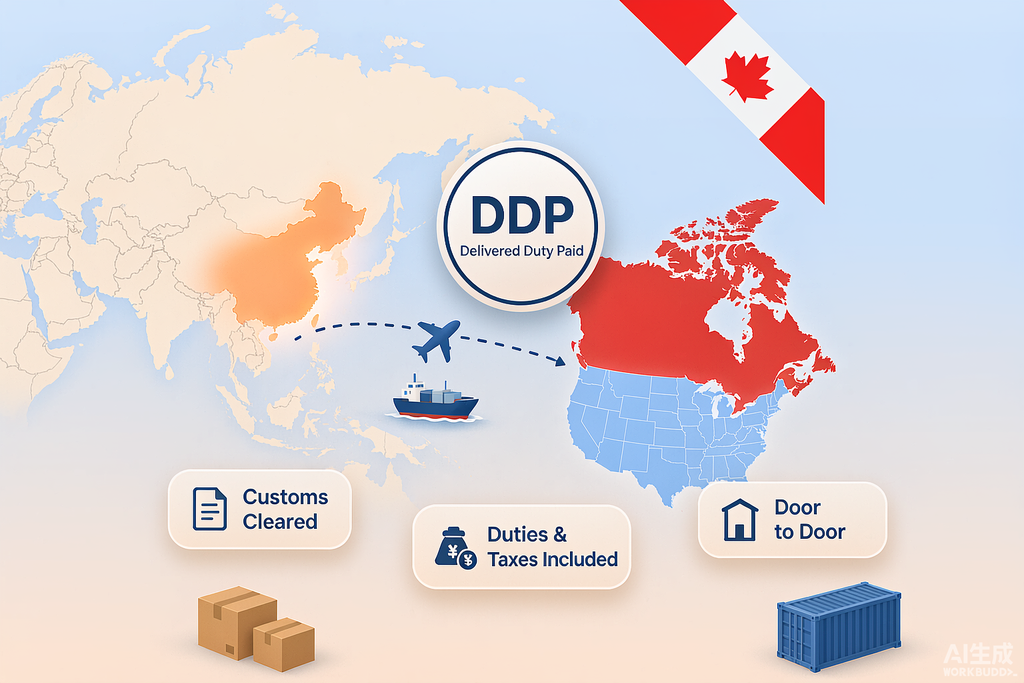
True Delivered Duty Paid (DDP) means your customer gets the package with zero surprise bills. “Fake DDP” is a low upfront rate followed by an email demanding extra money for “handling fees” or “import taxes” before final delivery. Always demand an all-inclusive breakdown.
6. Human Support That Doesn’t Disappear
You want a dedicated account manager who replies on WhatsApp within hours, not an automated ticketing system that takes three days. When a sailing is missed—and eventually, one will be—you need a human who fights for your cargo.
The Red Flags: How to Spot a Bad Deal
Some warning signs are so predictable you can spot them a mile away:
- The “Too Good to be True” Quote: If it’s 30% below market rate, expect terminal handling charges or “documentation fees” to magically appear on your final invoice.
- The LCL Trap: Forwarders who push Less than Container Load (LCL) consolidation without warning you that your goods might sit in a warehouse for 12 days waiting for other clients’ cargo to fill the box.
- Evasive Insurance Answers: If they can’t explicitly state their liability limits when a package is lost or damaged, do not give them your freight.
How Vantage Forwarding Operates Differently
I’ve worked with many providers, and the ones that last treat your reputation as their own. The team at Vantage Forwarding (based in Guangzhou since 2013) was built around this exact philosophy.
They’ve spent over a decade refining how to make DDP shipping actually painless. Where they truly stand out is in handling cargo that requires discretion and expertise—whether it’s plain packaging, removing unnecessary supplier branding, or navigating complex customs requirements for sensitive goods.
They don’t overpromise; instead, they offer a solid global network (covering 50+ countries) with competitive air routes (typically 3–8 days to major Western markets) and reliable sea freight for bulk. More importantly, you get a real person on WhatsApp who responds quickly and helps you with the heavy lifting, like HS code classification and landed cost calculations.
Your 2026 Vetting Checklist
Don’t learn these lessons the expensive way. Use this framework:
- Define your exact needs (budget, transit time, packaging requirements).
- Send the exact same RFQ to three different logistics providers.
- Score them not just on price, but on how clearly they explain their volumetric weight and customs policies.
- Run a small test shipment.
- Get the Service Level Agreement (SLA) in writing.
The Bottom Line
Your freight forwarder in 2026 needs to be a strategic partner, not just a rate sheet. They need to understand the realities of margin compression and shifting trade rules.
If these points hit home and you’re tired of the usual logistics runaround, let’s have a real conversation. Drop your shipment details to our team at Vantage Forwarding. No aggressive sales pitches, no hidden fees—just straight answers from people who move cargo every single day.
Your supply chain (and your peace of mind) will thank you.
 English
  Chinese
  Arabic
  French
  German
  Portuguese
  Spanish