
The era of “frictionless” e-commerce from China to the U.S. has hit a regulatory wall. Following the 2025 Executive Orders leveraging the International Emergency Economic Powers Act (IEEPA), the $800 de minimis loophole for Section 301-targeted goods has been effectively closed.
If you are a small importer who built a business on individual air parcels, your landed costs just spiked. At Vantage Forwarding, we’ve spent the last six months transitioning our clients from reactive shipping to proactive supply chain management. Here is how you survive the new China to USA Import Tax landscape.
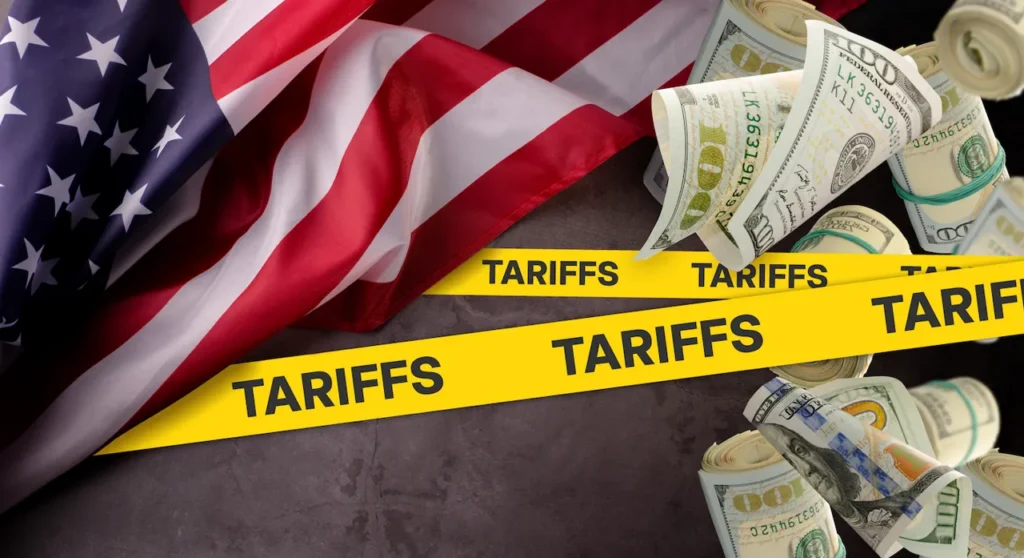
The Death of the “Loophole”: What Changed in 2026?
For years, Section 321 allowed goods under $800 to enter duty-free. However, the new 2026 enforcement mandates that most e-commerce categories originating from China are now subject to full tariffs, regardless of value.
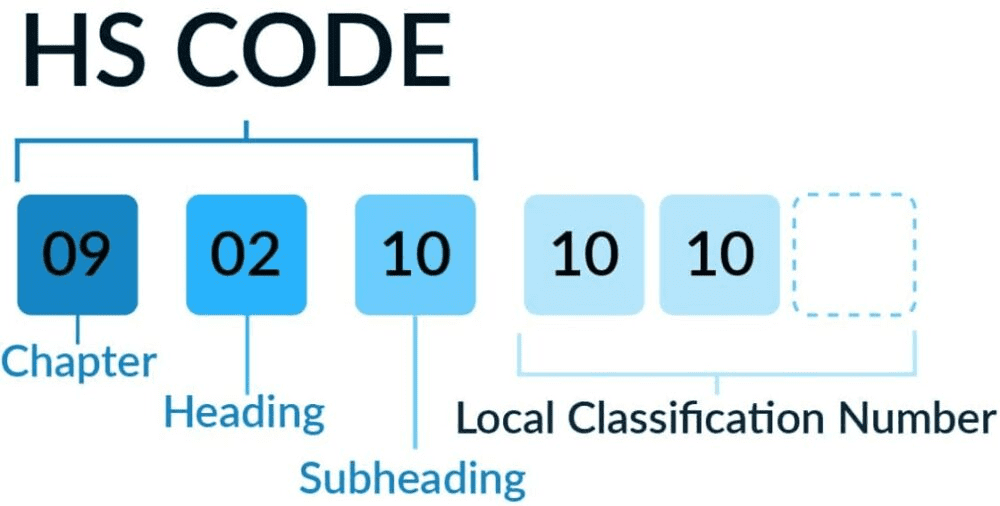
The primary shift isn’t just the tax itself, but the entry complexity. Customs and Border Protection (CBP) has increased “Type 86” electronic filing scrutiny, meaning that even a $20 item now requires a detailed Harmonized Tariff Schedule (HTS) classification. If you aren’t prepared for the De Minimis Rule 2026 shifts, your goods will simply sit in a bonded facility accumulating storage fees.
Formal Entry vs Informal Entry: Reversing the Logic
Many small sellers mistakenly believe that “Informal Entry” is a choice to save money. It’s actually a threshold of compliance.
- Formal Entry: Generally required for shipments over $2,500 or those containing “prohibited” or “restricted” items (which now includes many Section 301 goods). It requires a Customs Bond and a higher level of documentation.
- Informal Entry: While applicable for values under $2,500, it no longer grants you a “free pass” on the China to USA Import Tax.
In 2026, the smart move for small importers is often to voluntarily move to Formal Entry. Why? Because it allows you to consolidate hundreds of small orders into one bulk shipment. Paying one $150 brokerage fee for a $5,000 shipment is far more efficient than paying a $15 “processing fee” on 100 individual parcels.
The “Wholesale Value” Advantage: A Calculated Move
One of the biggest misconceptions in 2026 is that the new taxes will kill all profit. The key is where the tax is applied.

When you ship via direct-to-consumer dropshipping, the China to USA Import Tax is often assessed based on the Retail Price if the paperwork isn’t perfect. However, when you utilize Bulk Sea Freight (LCL) to a U.S. warehouse, the duty is assessed on the Transaction Value—what you paid the factory.
Let’s look at a conceptual comparison:
- Direct Air Parcel: Taxed on a $50 retail price at 25% = $12.50 tax.
- LCL to Warehouse: Taxed on a $15 factory cost at 25% = $3.75 tax.
Even after adding the costs of U.S. warehousing and local “last-mile” delivery, the bulk model often saves $5–$8 per unit in the 2026 tax environment. It’s not just about shipping; it’s about valuation engineering.
Transitioning to Bonded Warehousing and FTZs
To mitigate the De Minimis Rule 2026 impact, we are increasingly moving clients toward Customs Bonded Warehouses (under 19 U.S.C. § 1555) or Foreign Trade Zones (FTZs).
These facilities allow you to store your inventory on U.S. soil without paying duties immediately. You only pay the China to USA Import Tax when the item is “pulled” for domestic sale. This preserves your cash flow and gives you a buffer against sudden tariff fluctuations.
Survival Checklist for 2026
- Audit your HTS Codes: Precision is your best defense against overpayment.
- Consolidate Shipments: Move from “parcel-level” thinking to “CBM-level” (Cubic Meter) logistics.
- Secure a Continuous Bond: If you plan on shipping more than three times a year, a continuous customs bond is a mandatory investment.
The 2026 landscape is tougher, but it eliminates the “low-effort” competition. By professionalizing your import process, you aren’t just shipping goods—you’re building a sustainable moat for your brand.
Optimize Your 2026 Landed Costs
Not sure if your products still qualify for exemptions? Our team at Vantage Forwarding can provide a full 2026 Customs Impact Analysis. We’ll compare your current air-freight costs against a consolidated LCL strategy to find your new “profit sweet spot.”
Get a Professional Customs Consultation & Rate Quote
Disclaimer: The information provided in this article is for educational purposes only and does not constitute legal or tax advice. Customs regulations under IEEPA and Section 301 are subject to rapid change. Always consult with a licensed U.S. Customs Broker for specific compliance requirements.
 English
  Chinese
  Arabic
  French
  German
  Portuguese
  Spanish