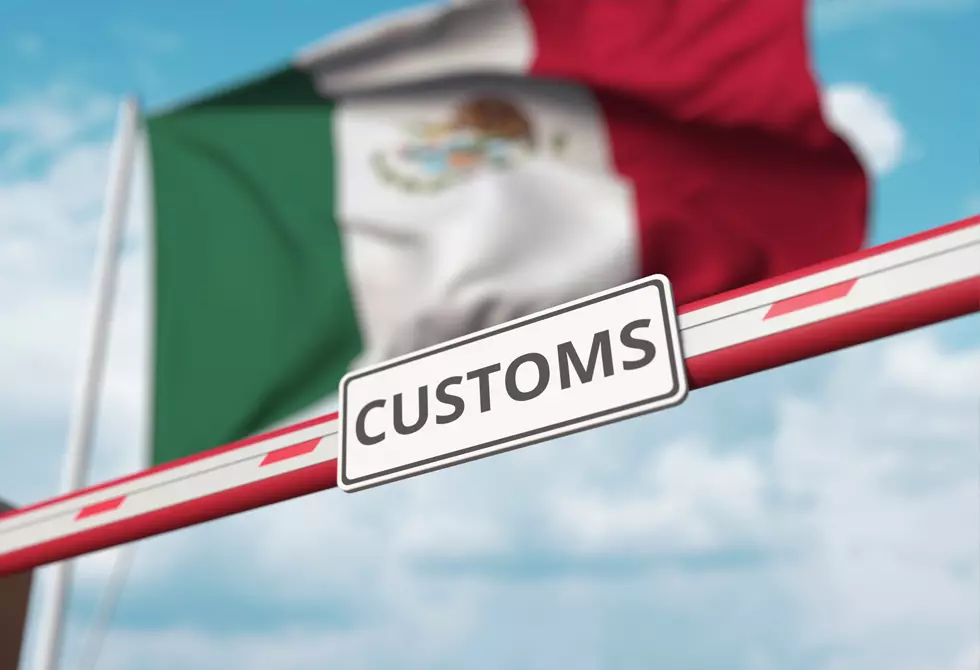
A Deadline That Kept Moving — Until Now
Mexico‘s Electronic Customs Value Declaration (MVE / Manifestación de Valor Electrónica) has been a long time coming. The requirement first went live in December 2025, but enforcement was repeatedly pushed back as importers struggled to adapt. A grace period ran through March 2026. Then another extension pushed the hard deadline to June 1, 2026.

That date is now 6 days away — and there are no more reprieves on the table.
What Changes on June 1
Starting June 1, 2026, all importers must electronically submit their MVE through Mexico’s Digital Foreign Trade Window (VUCEM) before goods can clear customs. The transition period — during which errors were tolerated and penalties suspended — officially ends.
From that date forward:
- Fines of up to MXN $106,970 per transaction apply for non-compliant or inaccurate submissions
- Cargo delays and shipment holds become live risks
- Liability sits with the importer, not the customs broker
What the MVE Must Include
Each electronic declaration requires:
- Importer details (name, tax ID, address)
- Supplier and country of origin information
- Transaction terms and business relationship disclosure
- Price paid, plus incremental costs (freight, insurance, commissions, royalties)
- Customs valuation method and justification
- Supporting documents: commercial invoices, contracts, proof of payment, Incoterms
Who Is Most at Risk
Any company importing goods into Mexico without a streamlined electronic filing process faces exposure. This includes Chinese exporters supplying documentation to Mexican importers — since the accuracy of the MVE depends directly on the quality of the commercial invoices, contracts, and shipping documents you provide.
Industry data suggests 37% of current declarations contain errors — a number that becomes costly starting June 1.
What to Do Before the Deadline
1. Audit your documentation workflow Identify where MVE data comes from across your logistics chain and who is responsible for compiling it.
2. Consider AI-powered filing tools Platforms like Desteia’s Auto-MVE connect to trade team inboxes, extract data from documents in any format, validate information, and build the complete electronic file — cutting preparation time from 60+ minutes to under 5 minutes per declaration.
3. Coordinate with your customs broker and Mexican partners Confirm they are VUCEM-ready and aligned on document requirements and submission timelines.
4. Run a test submission now VUCEM allows test filings. Use the remaining days to identify gaps before enforcement begins.
5. Stay alert post-June 1 The SAT has signaled ongoing scrutiny. Treat June 1 as the starting point of a stricter compliance era, not a one-time hurdle.
The Bottom Line
The MVE regulation survived multiple delays and industry pushback. June 1 is the final deadline. With fines now attached and liability squarely on importers, the cost of being unprepared has never been higher.
Six days. Act now.

 English
  Chinese
  Arabic
  French
  German
  Portuguese
  Spanish