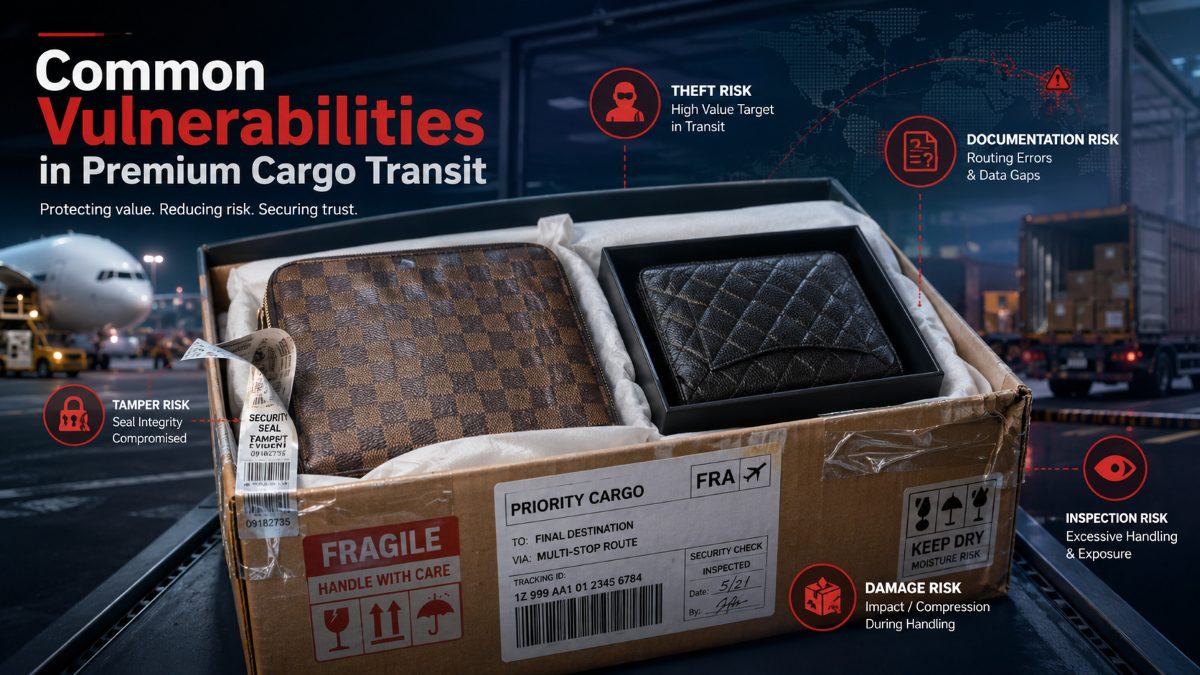
Cargo theft and transit losses cost premium brands millions of dollars annually, directly impacting retail inventory availability and brand reputation. When you transport high-value commodities like luxury watches, designer apparel, or premium sports merchandise, standard shipping frameworks often expose your freight to severe security gaps. Implementing strict risk mitigation strategies across your international supply chain helps ensure asset protection. This comprehensive 2026 guide breaks down the vulnerabilities within high-value supply chains, outlines the mechanics of high-security logistics, and provides actionable audit steps to prevent theft and loss during transit.
High-security logistics involves protecting valuable freight through real-time asset tracking, tamper-evident packaging, vetted carrier networks, and continuous chain-of-custody verification. Importers can minimize risks during premium cargo transit by utilizing vehicles certified under Transported Asset Protection Association (TAPA) standards and deploying covert GPS sensors inside individual cartons. Selecting a logistics provider that integrates these specialized hardware and software controls effectively insulates high-value shipments from terminal blind spots and final-mile delivery target vulnerabilities.
Common Vulnerabilities in Premium Cargo Transit
Rogue or unvetted transport operators frequently handle high-value cargo using the same methods applied to low-cost bulk commodities. This lack of specialized oversight creates systematic blind spots that cargo theft syndicates easily exploit. Understanding where these security breakdowns occur allows you to fortify your distribution lanes effectively.
Unmonitored Cross-Docking and Sorting Terminal Delays
When premium freight moves through standard less-than-container load (LCL) consolidation networks, it changes hands multiple times at various transshipment hubs. Unmonitored cross-docking facilities lack specialized boundary controls or dedicated high-value storage cages. These terminal gaps give unauthorized personnel opportunities to identify, pilfer, or divert high-value cartons without triggering immediate system alerts.
Final-Mile Delivery Vulnerabilities and Target Exploitation
The final-mile delivery stage represents the highest statistical window of risk for premium cargo transit. Cargo thieves frequently target delivery vans during local distributions near major commercial hubs or airport terminals like London Heathrow (LHR). Without dedicated team driving, covert tracking, or hard-sided delivery vehicles, your high-value inventory remains vulnerable to opportunistic theft or hijacked cargo routing.
Opaque Chain-of-Custody Documentation Gaps
Standard freight forwarding structures rely heavily on layered sub-contracting to execute final-mile distribution. When your forwarder hands over a pallet of luxury goods to an unvetted third-party courier, the digital visibility chain breaks down. This document gap makes it incredibly difficult to isolate exactly when and where a cargo loss occurred, complicating marine insurance claims and post-incident investigations.
Strategic Evaluation: Standard Freight vs. High-Security Logistics
To safeguard your high-premium cargo from sophisticated theft networks, you must understand the operational baselines established by international security groups. Importers can review globally recognized asset protection standards and terminal facility security metrics directly on the Transported Asset Protection Association Portal.
According to recent cargo crime statistics, cargo theft syndicates utilize digital scanning technologies to target vulnerable logistics hubs. Evaluating the operational differences between standard shipping methods and true high-security logistics ensures you maintain total visibility over your premium assets.

The table below contrasts the technical differences between standard transport options and risk-controlled high-security solutions:
| Operational Feature | Standard Freight Forwarding | High-Security Logistics Framework |
| Asset Tracking Frequency | Milestone updates at major ports or air terminals | Continuous, real-time GPS and cellular tracking |
| Facility Security Standards | Basic commercial fencing and standard CCTV | TAPA certified facilities with dedicated security vaults |
| Packaging Protocols | Standard cardboard boxes with clear brand labeling | Tamper-evident, confidential packaging with neutral markings |
| Chain-of-Custody Control | Layered sub-contracting with untracked handovers | Strict point-to-point sign-offs with vetted personnel |
| Routing Management | Visual, predictable paths with unmonitored stops | Geo-fenced routing with pre-approved secure rest bays |
A Typical Risk Scenario in Low-Security Premium Freight
An independent fashion brand arranged a shipment of premium designer apparel from a manufacturing site in Shenzhen to a fulfillment center near London Heathrow Airport (LHR).
Forwarder A provided a low-cost, all-inclusive freight quote but did not itemize any specific asset protection measures or cargo tracking hardware.
Forwarder B (VantageForwarding) provided a comprehensive quote detailing a secure transport route, utilizing confidential, unbranded exterior packaging, and embedding covert IoT tracking sensors within the master pallets.
The importer selected Forwarder A to reduce immediate upfront transport costs. During a routine cross-docking transfer at a regional transit hub, the unvetted carrier left the pallet unattended in an unmonitored staging zone. Because the master cartons featured prominent, high-end brand logos, warehouse pilferers easily identified the premium cargo and removed several high-value cartons. The loss was only discovered weeks later during final stock counts at the destination warehouse. Because Forwarder A lacked real-time sensor records or a clear chain of custody, the importer faced an expensive product deficit, cancelled orders, and an unresolved insurance dispute.
A Three-Step Protocol to Verify Asset Protection Measures
Protecting your high-value inventory requires a straightforward documentation and hardware verification protocol with your logistics providers.
Step 1: Audit Facility Physical Security and TAPA Certifications
Your verification process begins with a detailed review of the forwarder’s warehousing assets. Ensure that all transit hubs, consolidation zones, and final-mile sorting facilities utilize access-controlled environments, 24/7 actively monitored security centers, and dedicated high-value cages. Confirming TAPA facility security clearance levels establishes a reliable baseline for safe cargo staging.
Step 2: Mandate Covert Hardware Tracking and Geo-Fenced Routing
The intermediate phase requires implementing continuous digital visibility over your freight. Demand that your forwarder deploy standalone, long-life GPS tracking units directly inside your master packaging rather than relying solely on truck-mounted telematics. Your provider must configure automated geo-fencing alerts that instantly flag any unauthorized route deviations, unscheduled stops, or unscheduled door openings.
Step 3: Establish Strict Chain-of-Custody Documentation
The final phase demands a definitive point-to-point verification framework for all cargo handovers. Ensure your shipping contract mandates signed, electronic chain-of-custody logs at every transfer point, from the factory floor to the final delivery desk. Restricting your shipping lines to verified, pre-vetted drivers minimizes the risk of unauthorized handovers and establishes a clear paper trail for compliance verification.

Checklist: High-Security Verification Before Cargo Departure
Before releasing high-value commercial goods into your forwarder’s network, verify that your logistics setup meets these strict security parameters:
- Confirm all outer shipping packaging uses completely neutral, unbranded labels to hide premium contents.
- Verify that high-security, ISO 17712 compliant bolt seals are applied to ocean containers immediately after loading.
- Test individual covert GPS tracking sensors to ensure stable signal transmission from inside the packaging layouts.
- Confirm in writing that the selected transit route utilizes pre-approved, monitored rest bays for ground transport.
- Verify that the delivery truck manifest explicitly restricts sub-contracting to unvetted third-party couriers.
- Ensure your marine insurance policy explicitly covers the exact transit paths and specific high-value commodities shipped.
- Obtain the names and verified identification credentials of the specific drivers assigned to your cargo route.
Core Operational Risks of Opaque Freight Networks
Relying on low-cost, unvetted freight networks introduces structural vulnerabilities that can stall your supply chain and generate unexpected financial exposure:
- Severe stock shortages caused by opportunistic pilferage at unmonitored transit terminals.
- Extended delivery delays while insurance providers investigate undocumented cargo losses along your shipping routes.
- Increased risk of targeted theft if your logistics provider uses predictable, unmonitored transport schedules.
- Complications with customs authorities if a forwarder attempts to clear high-value goods using inaccurate or consolidated generic manifests.
How VantageForwarding Secures Your High-Value Freight
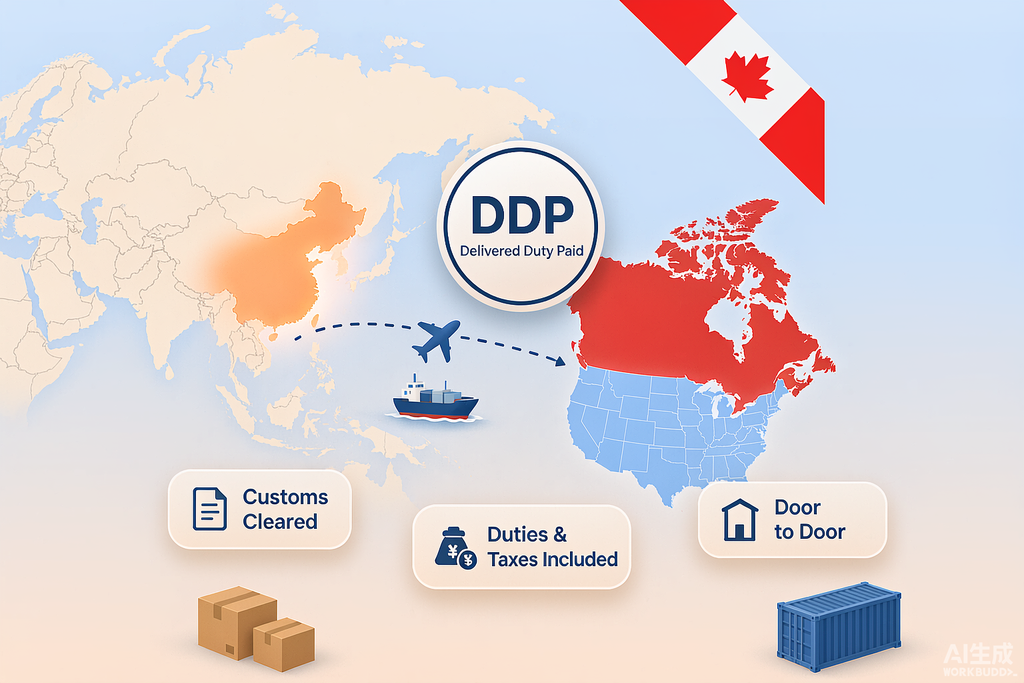
VantageForwarding helps importers arrange DDP and high-security shipping lanes from China with clearer customs responsibility, transparent tracking protocols, and strict asset protection controls. We focus on providing secure logistics management rather than cutting costs through unvetted transport methods.
Before your freight leaves the origin point, our documentation review team performs a complete evaluation of your security packaging, routing parameters, and final-mile delivery constraints. This proactive screening process helps us identify potential transit vulnerabilities early, reducing the risk of cargo loss, terminal blind spots, or unexpected delivery disruptions.
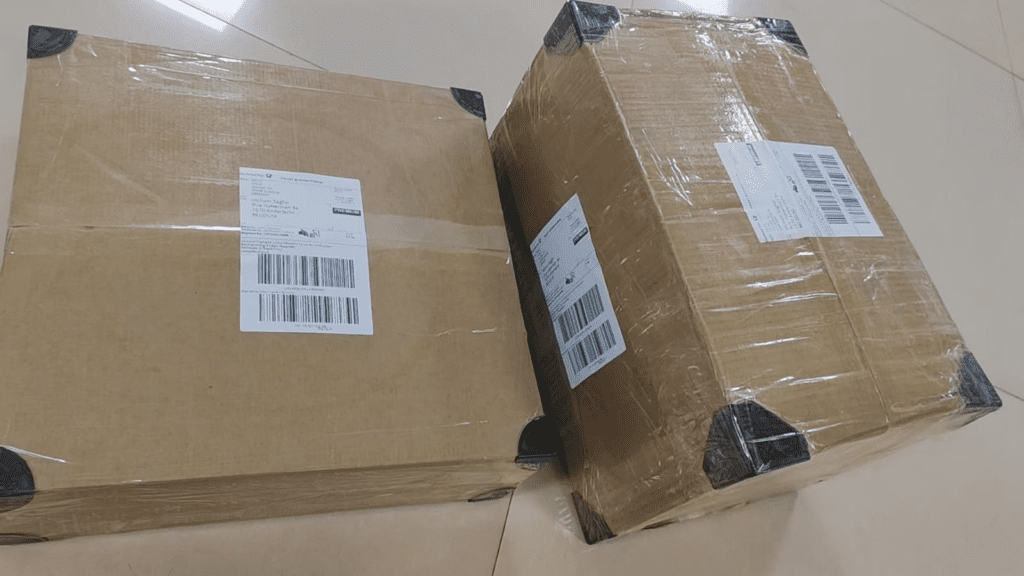
We work through an established, highly vetted overseas agent network to manage your high-value air and ocean freight seamlessly. VantageForwarding ensures that every stage of your transport route is actively monitored, providing your supply chain directors with a clear, secure, and auditable trail from factory pickup to final door-to-door delivery.
Frequently Asked Questions About High-Security Logistics
What is the advantage of using covert GPS tracking over standard carrier milestone tracking?
Standard milestone tracking only records data when a barcode is scanned at a major transit facility, leaving long blind spots during active transportation. Covert GPS tracking units operate independently inside the cargo boxes, giving you real-time visibility into the exact location, speed, ambient light exposure, and temperature changes of your premium freight.
How can I tell if a high-value shipping quote is too risky?
A quote may be risky if the freight forwarder cannot provide details regarding their driver vetting processes, refuses to outline facility security certifications, or packages your premium cargo alongside generic bulk cargo without dedicated high-value sorting controls. Complete visibility is essential for asset protection.
Does a high-security logistics framework cover the loss of branded box packaging?
Yes. High-security logistics includes protecting the physical condition of your branded product presentation boxes from scuffs, dents, and environmental moisture. Vetted providers utilize heavy-duty outer protective wrapping and pallet stabilization techniques to keep the inner retail packaging pristine.
Who is legally responsible if premium cargo is stolen during a DDP shipment?
Under standard DDP terms, the seller or their logistics agent carries the financial risk of loss or damage until the goods are delivered safely to the designated final destination. However, if the forwarder’s contract includes ambiguous liability limitations, resolving theft claims can become difficult. Always review contract liability terms before booking.
What information should I provide to secure an accurate high-security freight estimate?
To receive a customized asset protection plan, prepare your exact commodity descriptions, total shipment values, carton quantities, specific dimensional weights, pickup origin point in China, and complete details regarding security setups at the delivery location.
How does the VantageForwarding overseas agent network reduce final-mile delivery risks?
Our overseas agent network consists of licensed, native logistics providers who utilize secure, hard-sided transport vehicles and dedicated team-driving procedures. They coordinate directly with local customs authorities to handle cross-border customs clearance support smoothly, minimizing unnecessary terminal waiting times.

Conclusion
Protecting your high-value commercial assets from transit vulnerabilities requires a continuous commitment to transparent quote auditing and modern tracking technologies. While opaque transport options might look attractive on a preliminary shipping invoice, the operational risks of terminal cargo theft and unresolved insurance disputes can quickly erase your projected business profits.
Need a transparent, high-security DDP quote from China? Send VantageForwarding your product specifications, total cargo value, carton sizes, origin city, and destination address. Our compliance-focused logistics team will build a clear, risk-controlled route with real-time tracking, secure terminal handling, and reliable door-to-door asset protection included upfront.
 English
  Chinese
  Arabic
  French
  German
  Portuguese
  Spanish