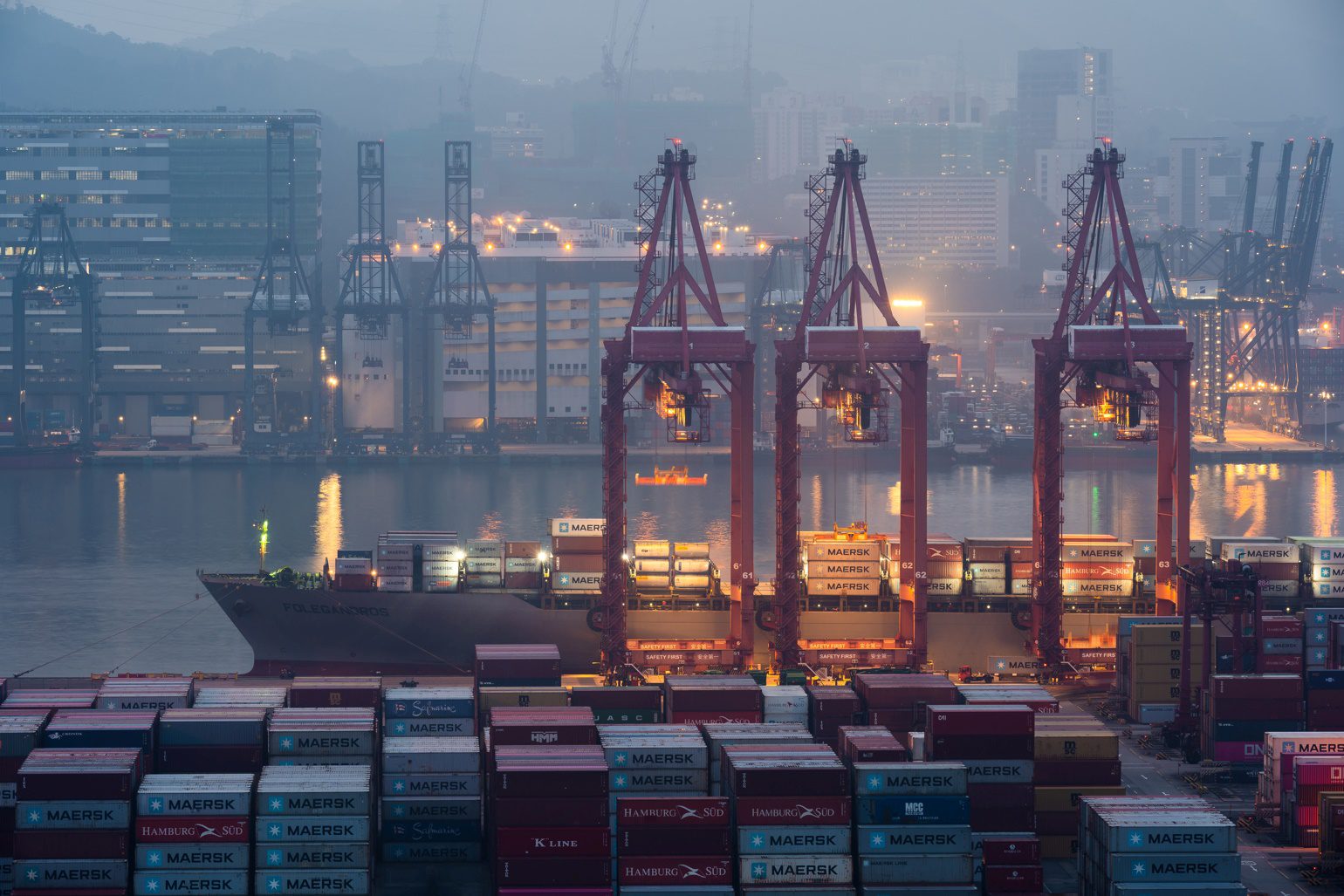
The global shipping landscape is experiencing an unprecedented overhaul, forcing international importers straight into what experts call the modern “Tariff Trap.” Recent aggressive tariff enforcements and turbulent legal battles surrounding trade policies have sent shockwaves through the global supply chain ecosystem. For small and mid-sized enterprises (SMEs) relying on imported goods from Asia, this Tariff Trap presents an immediate existential threat. According to recent data from Infios, standard, rigid logistics models are no longer viable. A survey of over 500 US importers revealed that businesses failing to adapt are falling victim to sudden financial penalties, retroactively applied duties, and devastating customs delays at the port of entry.
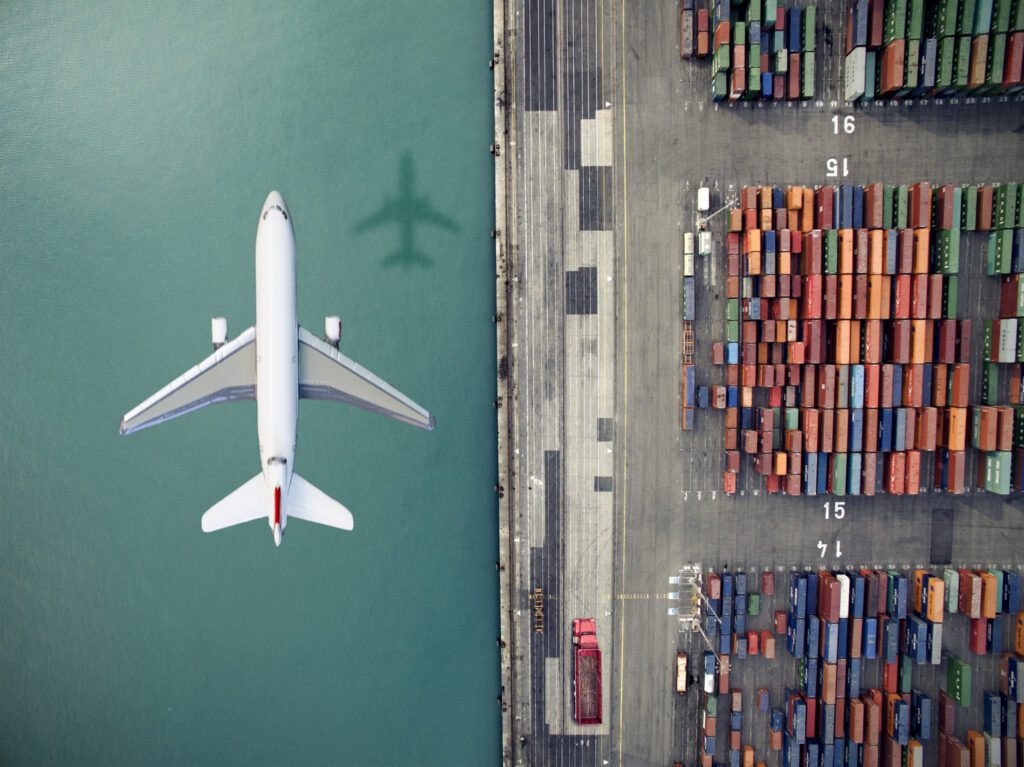
The Rise of Shipping Optionality: Moving Beyond Single-Route Dependency
In this volatile market, a new operational paradigm has emerged: “Optionality is the new efficiency.” Relying strictly on one shipping method or a single port of entry is a recipe for operational failure. True logistics efficiency is no longer defined by simply finding the absolute lowest baseline freight rate. Instead, it is measured by a shipper’s ability to instantly pivot when regulations shift or a specific trade lane becomes congested. Forward-thinking companies are now building diversified distribution strategies—integrating multimodal routing, sea-air combinations, and flexible nearshoring corridors—to maintain supply chain resilience.
Vantage Local Insight: Navigating Customs Complexity from South China
From our operational hubs in Guangzhou and Shenzhen, the Vantage Forwarding team sees firsthand how unpredictable tariff shifts disrupt cargo flow. Our recommendation for international buyers is clear: stop relying on a single logistics blueprint. To secure your margins, you must adapt your strategy in two critical areas:
- Diversify Port Gateways: Avoid putting all your containers into a single entry port. If a specific trade lane faces intense anti-dumping scrutiny or customs bottlenecks, utilize alternative routing (such as routing through alternative coastal gateways or deploying localized nearshoring channels into Mexico).
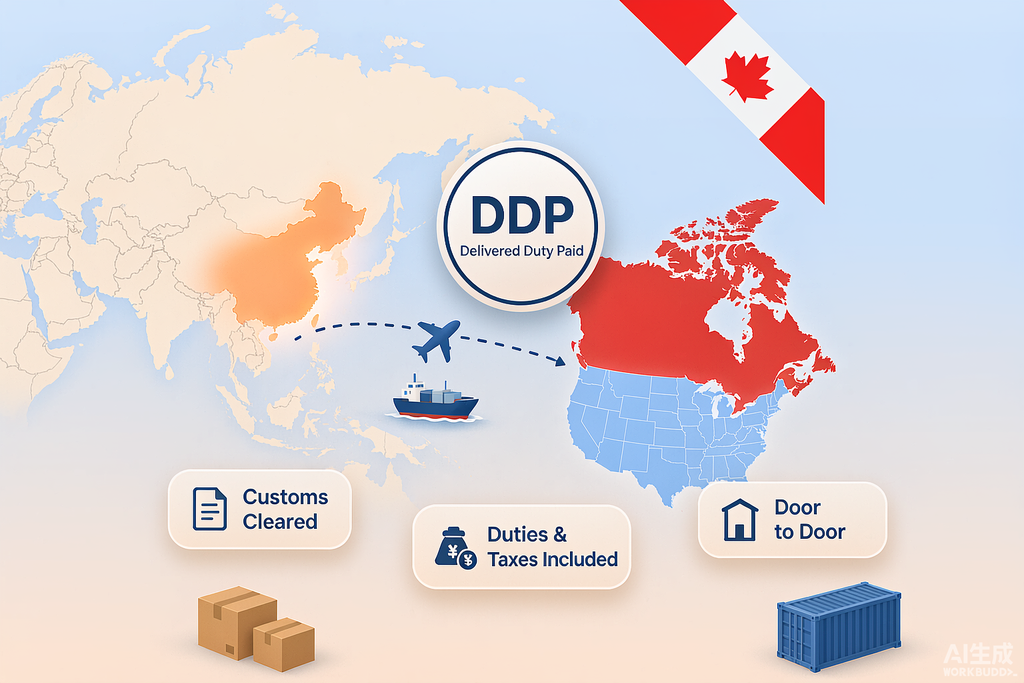
- Transition to Secure DDP Frameworks: Shifting to Delivered Duty Paid (DDP) structures allows you to locks in predictable clearing rates and mitigates the risk of unexpected seizures or compliance holdups at destination ports.
Data-Driven Decisions: Master Your True Costs
To successfully execute an agile logistics strategy, guesswork must be replaced with hard data. Importers cannot afford to guess their final numbers when moving freight under volatile tariff structures. This is why incorporating a comprehensive Landed Cost Calculator into your procurement pipeline is non-negotiable. By running your routing options through a dynamic calculator, you can instantly compare total costs—including baseline freight, real-time customs duties, brokerage fees, and final-mile distribution—ensuring that your logistics optionality always serves your bottom line.
Are your current shipping lanes exposed to upcoming tariff hikes? Contact the Vantage Forwarding team today to explore our resilient customs clearance solutions. Let us help you integrate an accurate Landed Cost Calculator framework into your shipping workflow to protect your business margins.
Frequently asked questions about international shipping tariffs, logistics strategy, and customs clearance for importers.
A Tariff Trap is the compounding financial exposure importers face when volatile trade policy triggers unexpected duty liabilities — often retroactively — at the point of customs entry.
Concretely, businesses impacted by the Tariff Trap experience:
- Retroactive duty bills — anti-dumping or countervailing duties applied to already-shipped goods, eroding product margins after the fact
- Cargo holds at the port of entry — compliance disputes that freeze inventory for days or weeks, creating downstream stockouts
- Cash flow disruption — unpredictable “bill shocks” that strain working capital, particularly for SMEs operating on tight margins
- Supply chain paralysis — single-lane dependency means one blocked corridor can halt the entire operation
Single-lane dependency creates a structural single point of failure — one disruption event can halt your entire supply chain with zero fallback options.
The three most common single-lane failure triggers in 2024–2025:
- Regulatory crackdowns: Sudden anti-dumping investigations targeting a specific trade corridor force carriers to implement blank sailings or route diversions overnight
- Port congestion & labor actions: Bottlenecks at major US West Coast or East Coast gateways cause weeks-long dwell time increases and freight rate spikes
- Geopolitical disruptions: Red Sea rerouting, Panama Canal draft restrictions, and China–US trade tensions have all demonstrated how a single choke point can unravel global shipping schedules
Under DDP (Delivered Duty Paid) terms, the logistics provider assumes full legal and financial liability for customs duties, import taxes, and clearance compliance — entirely removing that burden from the buyer.
Key protections a DDP framework delivers:
- Predictable landed cost: Duties and fees are locked in upfront, eliminating surprise invoices after goods arrive
- Zero customs exposure: Retroactive tariff penalties and seizure risk transfer to the provider, not the importer
- Faster clearance velocity: Professional customs brokers handle HS code classification, ISF filings, and compliance documentation — reducing hold frequency
- Reduced administrative burden: No need to manage foreign customs authorities, power of attorney filings, or destination-country tax registrations in-house
A Landed Cost Calculator computes the true, all-in cost of a unit of goods from factory origin to final destination — accounting for every fee between the supplier’s loading dock and the customer’s door.
The five core cost dimensions a complete calculator must include:
- EXW / FOB cost: Baseline product manufacturing price at origin
- International freight: Ocean, air, or multimodal shipping rates by lane and transit mode
- Customs duties & import taxes: Destination-specific tariff rates by HS code, anti-dumping duties, and import VAT
- Customs clearance & brokerage fees: ISF filing, entry preparation, exam fees, and broker commission
- Inland logistics & final mile: Port drayage, domestic trucking, last-mile delivery, and fulfillment/warehousing costs
Sea-Air transport combines ocean freight from Asia to a midpoint hub (Dubai, Kuala Lumpur, or Singapore) with onward air freight to the destination — delivering transit times 1–2 weeks faster than full ocean, at roughly 40–60% less cost than full air.
Sea-Air is the optimal routing choice when:
- Time-sensitive but volume-heavy: Goods too large to justify full air freight costs but too urgent for 30+ day ocean transit — e.g. branded consumer electronics, fashion apparel, seasonal merchandise
- Production delay recovery: Factory delays in China or Vietnam risk missing a critical US or EU product launch window; Sea-Air closes the gap without blowing the entire logistics budget
- Tariff lane avoidance: Routing via a third-country hub can legitimately alter the trade lane and reduce exposure to targeted tariff scrutiny on direct China–US shipments
- E-commerce replenishment cycles: Fast-moving SKUs that require more frequent, smaller-batch restocking where pure ocean economics no longer work
Vantage Forwarding is a South China-based international freight forwarder specializing in tariff-resilient logistics for US, European, and Mexican import lanes — operating from hubs in Guangzhou and Shenzhen.
Core service capabilities:
- DDP customs clearance: Fully managed import duty and compliance processing into the US, EU, and Mexico — with locked, all-inclusive rates
- Multi-gateway port routing: Real-time trade lane analysis to identify the lowest-risk, most cost-efficient port of entry given current tariff and congestion conditions
- Sea-Air & multimodal coordination: Flexible routing across ocean, air, and hybrid corridors to balance cost, speed, and tariff exposure
- Nearshoring logistics to Mexico: Cross-border supply chain structuring via Mexican nearshore corridors as a tariff mitigation alternative to direct China–US routing
- Landed Cost Calculator integration: Tariff data and duty rate analysis fed directly into client procurement workflows for accurate total cost modeling
 English
  Chinese
  Arabic
  French
  German
  Portuguese
  Spanish