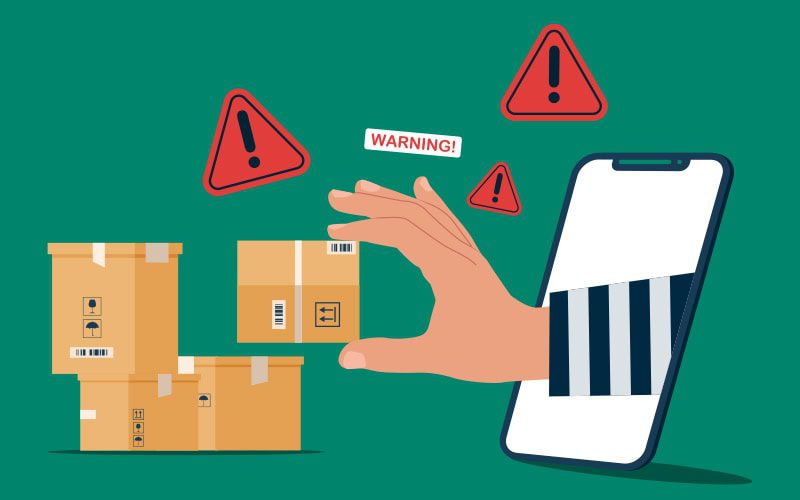
Freight Fraud Has Gone Corporate
Freight fraud used to mean a fly-by-night operator disappearing with a deposit. That model still exists — but it’s no longer the main threat.
Today’s cargo fraud operates like a business — and freight fraud double brokering in 2026 has reached a scale that individual exporters are ill-equipped to handle alone. There are dedicated teams handling fake documentation, separate units managing customer impersonation, and sophisticated digital infrastructure built to mimic legitimate freight forwarders. Cases are growing at double-digit rates year over year, and high-volume cross-border exporters — particularly those shipping via DDP or consolidated channels — are the primary targets.
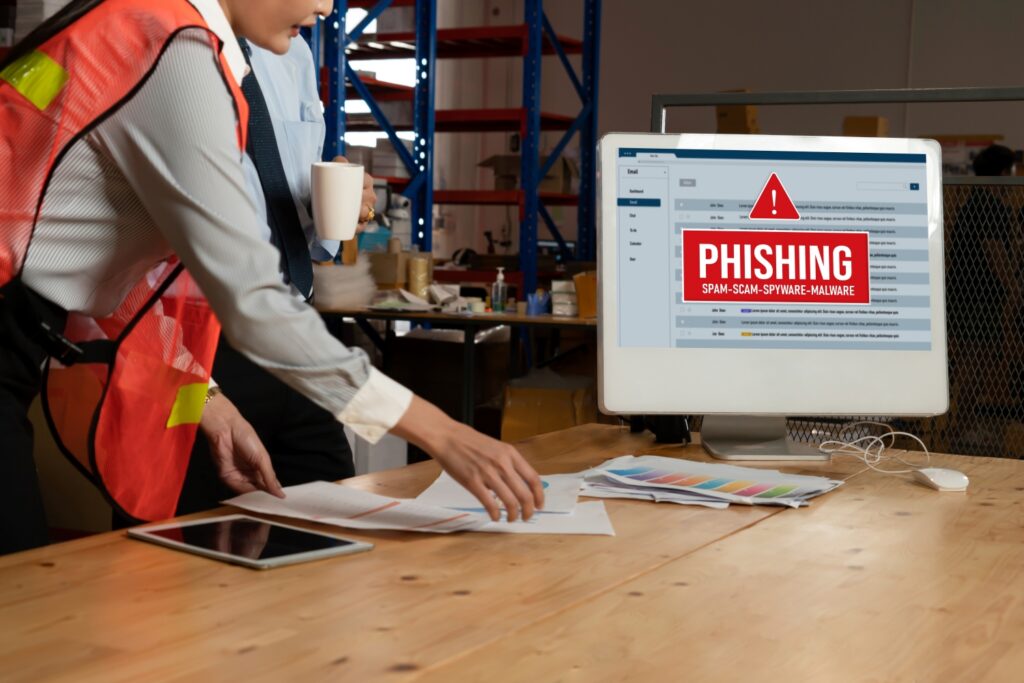
If you’re moving goods at scale through third-party logistics providers, understanding how these schemes work is no longer optional.
The Four Fraud Patterns Costing Exporters the Most
1. Ghost Freight Forwarders
Fraudsters register companies with names nearly identical to established forwarders. They build convincing websites, create fake customer reviews, and offer rates 20–30% below market — just enough to win the business without triggering immediate suspicion.
The operation runs smoothly for the first one or two shipments to build trust. On the third — typically a large consolidated order — the cargo disappears along with the deposit.
Red flag: Unsolicited outreach with aggressive pricing, no verifiable physical address, payment only to personal or offshore accounts.
2. Double Brokering
Freight fraud double brokering in 2026 is no longer a fringe problem — it is the organized crime version of logistics fraud. A legitimate-looking forwarder accepts your shipment, then quietly re-brokers it to an unknown third party — without your knowledge or consent. That third party may re-broker it again.
By the time your cargo is in transit, you have no visibility into who actually holds it, what carrier it’s on, or whether the documentation is legitimate. When something goes wrong — delay, damage, or outright theft — the chain of liability is deliberately obscured.
Double brokering is particularly common in the U.S. trucking and cross-border DDP market, and it is expanding rapidly into Asia-origin shipments.
Red flag: Forwarder is vague about actual carriers, tracking numbers don’t match expected carrier systems, invoices come from a different entity than the one you contracted.
3. Document Fraud & Fake Clearance
Forged bills of lading, fabricated customs clearance certificates, and counterfeit duty-paid receipts are used to either release payment prematurely or create the illusion that cargo has cleared when it hasn’t.
For exporters working on DDP terms, this is especially dangerous — you may believe delivery is complete while your goods are sitting in a bonded warehouse or, worse, have been seized.
Red flag: Clearance documents arrive unusually fast, document formats don’t match standard government-issued templates, broker is reluctant to share tracking or official customs reference numbers.
4. Phishing & Credential Harvesting
Fraudsters send emails mimicking your existing forwarder or customs broker — same logo, similar domain, near-identical email address. The goal is to intercept payment instructions, redirect wire transfers, or extract login credentials to your logistics management systems.
This is not a cargo fraud in the traditional sense, but it enables all the others.
Red flag: Sudden “updated bank details” from a known partner, emails with slightly misspelled domains (e.g. dhl-express-logistics.com vs dhl.com), urgent requests to confirm sensitive information.
Who Is Most Exposed
High-volume exporters shipping via consolidated DDP channels carry the greatest risk. The more intermediaries between you and the final-mile delivery, the more opportunities for fraud to enter the chain.
Specifically vulnerable:
- E-commerce exporters using third-party fulfillment and overseas warehousing
- Manufacturers shipping large B2B orders through new or unverified forwarders
- Sellers on platforms like Temu or Shein’s supply chain routing goods through gray-channel customs clearance — a practice that creates structural opacity by design
If your logistics chain involves “买单报关” (purchasing someone else’s import license) or undeclared value practices, you are not just exposed to fraud — you are operating in the exact environment where fraud thrives.
A Five-Layer Defense Framework
Layer 1 — Verify before you ship Check forwarder registration against official databases (NVOCC licenses in the U.S., FIATA membership, local customs broker registration). Call the company on a number you sourced independently — not one they provided. Visit their physical office if the contract value warrants it.
Layer 2 — Contract with precision A vague service agreement is a fraudster’s best tool. Your contract should name the actual carrier, specify that re-brokering requires written consent, define liability for cargo loss at each leg, and include escalation procedures for documentation disputes.
Layer 3 — Structure payments to reduce exposure Avoid large upfront deposits with new partners. Use milestone payments tied to verifiable events — departure scan, port of loading confirmation, customs release. For high-value shipments, letter of credit or escrow arrangements are worth the administrative overhead.
Layer 4 — Maintain independent visibility Do not rely solely on your forwarder’s tracking updates. Use carrier-direct tracking where possible. For DDP shipments, request official customs clearance reference numbers you can verify independently through the destination country’s customs portal.
Layer 5 — Transfer residual risk with insurance Cargo insurance does not prevent fraud, but it limits the financial damage when prevention fails. Ensure your policy covers theft, document fraud, and non-delivery — not just physical damage in transit. Read exclusions carefully.
The Transparent Alternative
The reason freight fraud thrives in cross-border logistics is structural: complexity, opacity, and a race to the lowest price create the conditions that fraudsters exploit.
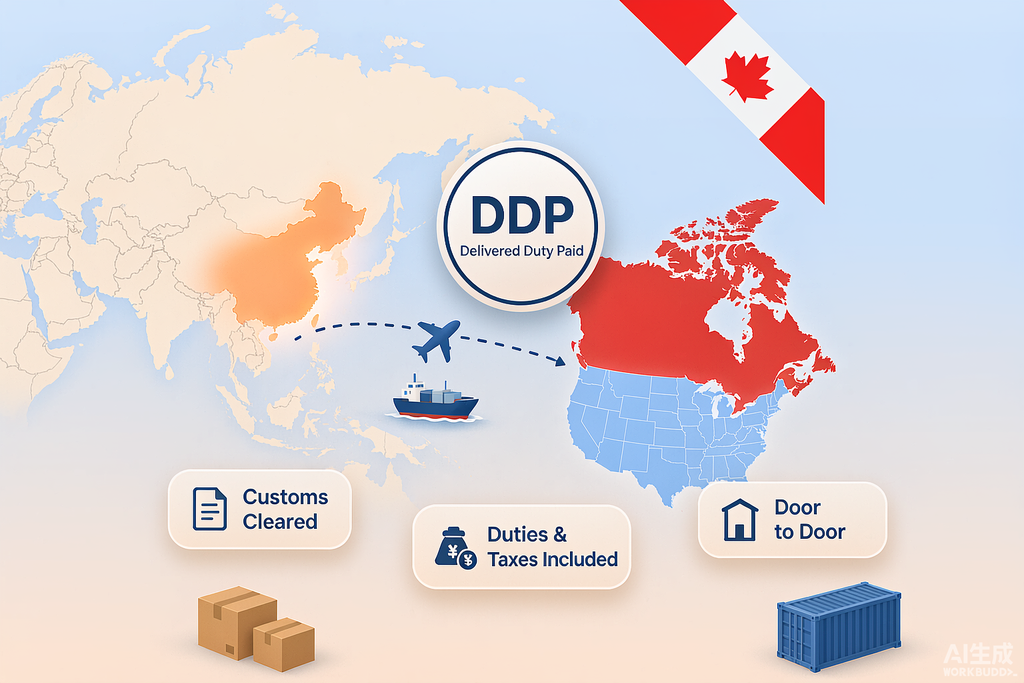
The most effective long-term protection is working with forwarders who operate fully transparent, compliant DDP channels — where every party in the chain is named, every document is verifiable, and there is no incentive to obscure the route.
That is not just a compliance question. It is a business continuity question. As freight fraud double brokering cases continue rising through 2026, the exporters who survive are those who treat logistics vetting as seriously as they treat product quality.
 English
  Chinese
  Arabic
  French
  German
  Portuguese
  Spanish