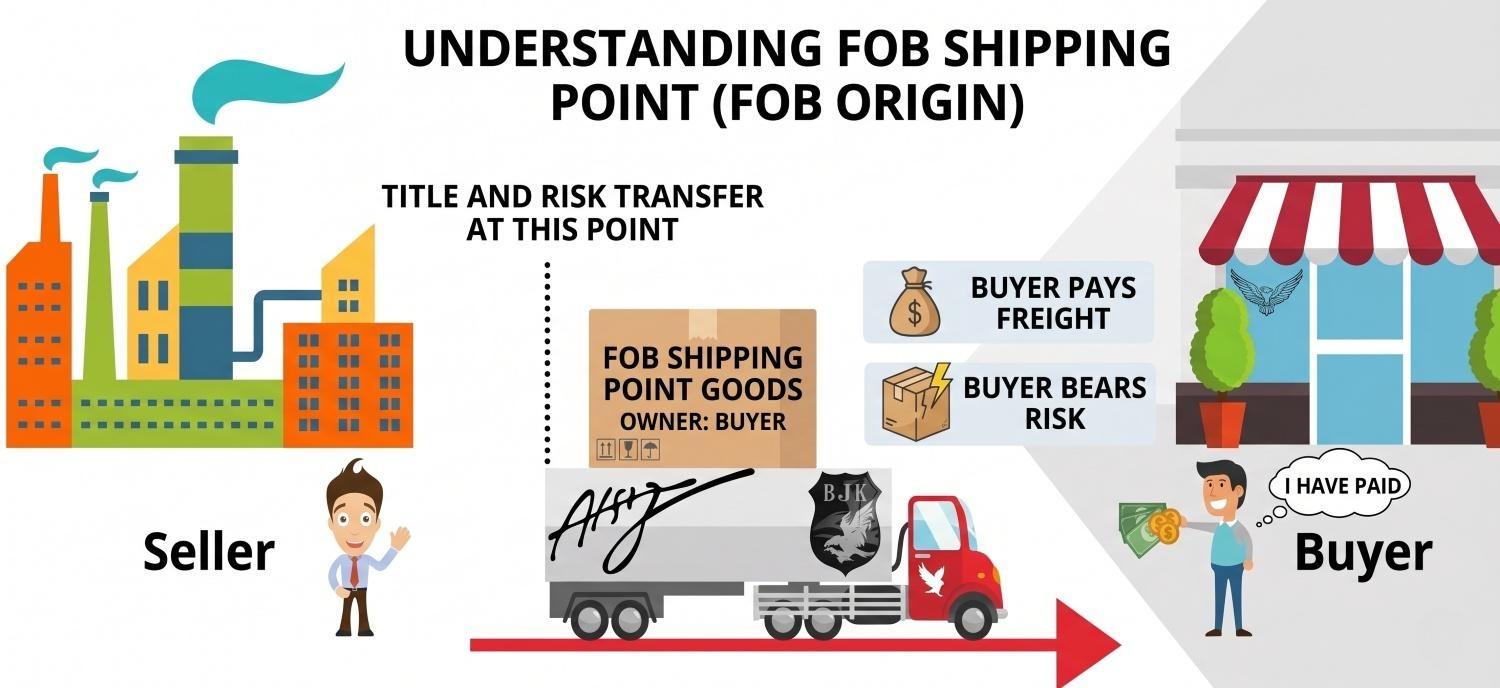
Understanding FOB Shipping Point: The Foundation of International Trade Terms
In the intricate world of global logistics and supply chains, clarity on shipping terms is paramount. Among the most critical is ‘FOB Shipping Point’ (also known as ‘FOB Origin’). This seemingly simple three-letter acronym carries significant weight, defining who is responsible for goods, when ownership transfers, and who bears the cost and risk of damage or loss during transit. For businesses engaged in importing and exporting, a thorough understanding of FOB Shipping Point isn’t just a matter of compliance; it’s essential for managing costs, mitigating risks, and ensuring smooth operations.
What Does FOB Shipping Point Mean?
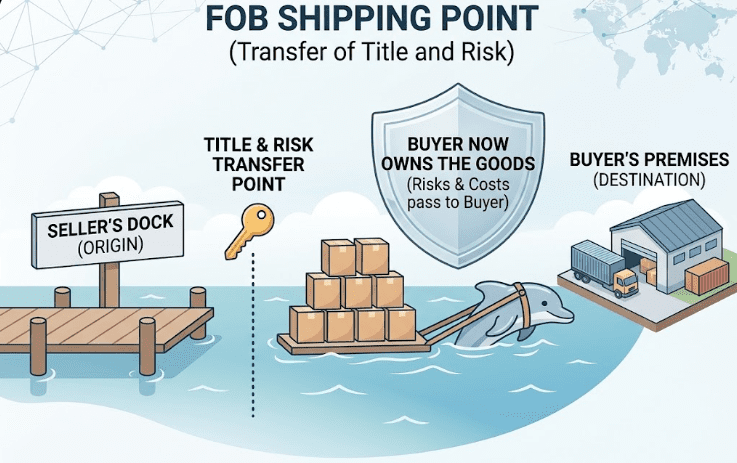
Under FOB Shipping Point, the seller’s obligation ends once the goods are placed into the hands of the first carrier at the named origin point — often the factory loading dock or a local warehouse. From that moment, you own the goods. You own the risk. You own the freight, the insurance, and any headaches that follow.
This is fundamentally different from the Incoterms® 2020 rule “FOB” (Free On Board), which applies only to sea and inland waterway transport and requires the seller to deliver goods on board the vessel. FOB Shipping Point is a concept from the U.S. Uniform Commercial Code, used heavily in domestic and some cross-border contracts. The globally recommended Incoterm for any mode of transport where the buyer takes over from the first carrier is “FCA” (Free Carrier). If your contract just says “FOB” with no further detail, you’re walking into a potential dispute about who pays what at the port.
FOB Shipping Point vs FOB Destination: A Crucial Distinction
To fully grasp the implications of FOB Shipping Point, it’s vital to understand its counterpart: FOB Destination. The difference between these two terms dictates who controls the shipment, who pays, and who is liable for the goods at various stages of their journey.
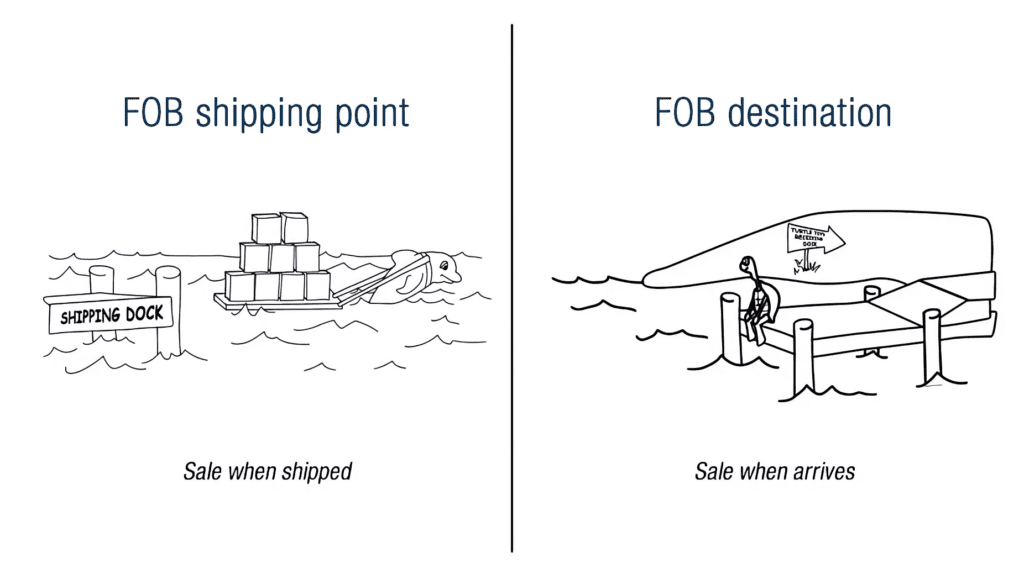
Here’s a breakdown of the key differences:
| Characteristic | FOB Shipping Point (FOB Origin) | FOB Destination |
|---|---|---|
| Transfer of Ownership | At the seller’s shipping point (e.g., factory, warehouse). | At the buyer’s receiving point (e.g., buyer’s warehouse). |
| Freight Charges Paid By | Buyer (often ‘freight collect’). | Seller (often ‘freight prepaid’). |
| Risk of Loss/Damage | Buyer assumes risk once goods leave seller’s premises. | Seller assumes risk until goods arrive at buyer’s premises. |
| Insurance Responsibility | Buyer is responsible for arranging and paying for transit insurance. | Seller is responsible for arranging and paying for transit insurance. |
| Inventory Recording (Buyer) | Recorded as inventory upon shipment from seller. | Recorded as inventory upon arrival at buyer’s location. |
| Revenue Recognition (Seller) | Recognized upon shipment from seller. | Recognized upon delivery to buyer. |
Why FOB Shipping Point Matters for Importers and Exporters
For both parties involved in international trade, understanding and negotiating FOB terms has profound implications:
For the Buyer (Importer):
- Cost Control: With FOB Shipping Point, the buyer controls the choice of carrier and can negotiate freight rates directly, potentially securing better deals or preferred service levels. However, they must factor these costs into their landed cost calculations.
- Risk Management: The buyer takes on the risk early. This means it’s crucial for the buyer to arrange adequate cargo insurance for the entire transit, from the moment goods leave the seller’s dock.
- Inventory Management: Goods are legally considered part of the buyer’s inventory as soon as they ship. This impacts financial statements and inventory tracking systems.
- Claim Management: If damage or loss occurs, the buyer is responsible for initiating and pursuing claims with the carrier or their insurance provider.
For the Seller (Exporter):
- Reduced Responsibility: The seller’s responsibility ends relatively early in the shipping process, reducing their exposure to transit risks and costs.
- Clear Revenue Recognition: Revenue can be recognized as soon as the goods are shipped, which can be advantageous for financial reporting cycles.
- Less Administrative Burden: The seller doesn’t need to manage carrier selection, freight negotiations, or insurance beyond their own premises.
Where Importers Get Burned
In our experience, the most painful surprises come from three things:
- Uninsured gaps. The seller arranges trucking to the port, something happens, and you discover no one had insurance coverage for that short leg. Under FOB Shipping Point, that gap is yours.
- Handover ambiguity. The loading dock is “the point.” But what if the cargo sits waiting for a truck for two days? Who bears that risk? We’ve seen contracts silent on this, and buyers left arguing after damage from a rainstorm.
- Hidden origin charges. Even under FOB Shipping Point, some sellers pass on documentation fees, port handling charges, or “management fees” that should have been included. Without a clear contract and a forwarder who can audit those costs locally, you absorb them.
How We Manage FOB Shipments for Importers
Operating from our Baiyun hub, our team handles hundreds of FOB-origin shipments every month. Here’s what actually makes a difference:
- Pre-shipment coordination. Before the goods are even ready, we confirm the exact pickup point, loading method, and timing with the supplier. We’ve avoided countless disputes simply by clarifying that “FOB factory” means the seller is responsible until the goods are securely loaded on our nominated truck.
- Immediate cargo insurance attachment. We help clients structure a policy that picks up the second the goods leave the seller’s facility. There’s no gap. For high-value items like electronics or luxury goods, we’ve even arranged live monitoring for the inland transit portion.
- Local carrier vetting. Not all trucks are equal. We use vetted carriers with equipment suitable for the cargo — temperature-controlled where needed, air-ride suspension for delicate items — and we track that truck in real time to the port of loading.
- Landed cost clarity before shipment. We build a full landed cost model that includes the seller’s ex-works price, all origin charges, freight, insurance, duties, and destination delivery. This way, the “cheaper FOB price” doesn’t blindside you with hidden fees.
Accounting and Legal Reality
From a financial standpoint, FOB Shipping Point means you record inventory and the corresponding liability the moment the goods ship. This affects your balance sheet, your working capital, and your insurance coverage triggers. We’ve seen growing businesses discover they were underinsured because their policy terms didn’t align with the transfer of risk under their FOB contracts — a conversation with your finance team that’s worth having today.
When damage or loss occurs, the FOB terms determine who files the claim. Under FOB Shipping Point, that’s you. We assist our clients directly in the claims process: gathering photos, inspection reports, and carrier statements, and pursuing recovery. It’s a practical burden that many first-time importers underestimate.
A Smarter Way to Use FOB Shipping Point
FOB Shipping Point isn’t inherently bad. It gives you control over freight and carrier choice, which can be a big advantage if you have scale. But it only works when paired with:
- A clearly written contract detailing the exact transfer point and seller’s loading obligations.
- Insurance that attaches at the origin handover.
- A forwarder with a physical presence in the origin country who can verify what’s happening on the ground.
If your current shipments feel like a gamble between the factory and the port, we can help reset that. At Vantage Forwarding, we don’t just book freight — we make sure the first mile of an FOB shipment is as tightly managed as the ocean crossing. Reach out with your supplier’s terms, and we’ll map out exactly where your risk starts and how to cover it.
Common Pitfalls and Best Practices
Misunderstanding FOB Shipping Point can lead to significant financial and operational headaches. Here are common pitfalls and how to avoid them:
Common Pitfalls:
- Neglecting Insurance: Buyers often overlook arranging comprehensive insurance, assuming the seller or carrier will cover losses.
- Unclear Communication: Lack of explicit agreement on FOB terms in purchase orders and contracts can lead to disputes.
- Underestimating Landed Costs: Buyers may fail to factor in all freight, insurance, and customs costs, leading to inaccurate product pricing.
- Poor Carrier Selection: Opting for the cheapest carrier without considering reliability or transit times can result in delays and damages.
Best Practices:
- Explicitly Define Terms: Always clearly state ‘FOB Shipping Point’ in all purchase orders, invoices, and contracts.
- Secure Adequate Insurance: Buyers must arrange robust cargo insurance from the point of origin.
- Partner with a Trusted Forwarder: Engage an experienced freight forwarder to manage logistics, negotiate rates, and provide guidance on risk management.
- Thoroughly Calculate Landed Costs: Account for all costs associated with transport, insurance, duties, and fees to determine the true cost of goods.
- Maintain Clear Documentation: Keep meticulous records of all shipping documents, insurance policies, and communication.
Conclusion: Turning FOB Shipping Point from a Liability into an Advantage
FOB Shipping Point is not simply a line on a purchase order — it’s a transfer of control, risk, and financial responsibility that kicks in the moment goods leave your supplier’s dock. Get it right, and it gives you the freedom to shape your own freight strategy, negotiate better rates, and build a supply chain that truly reflects your business priorities. Get it wrong, and it becomes a source of uninsured losses, hidden costs, and disputes that drain time and money.
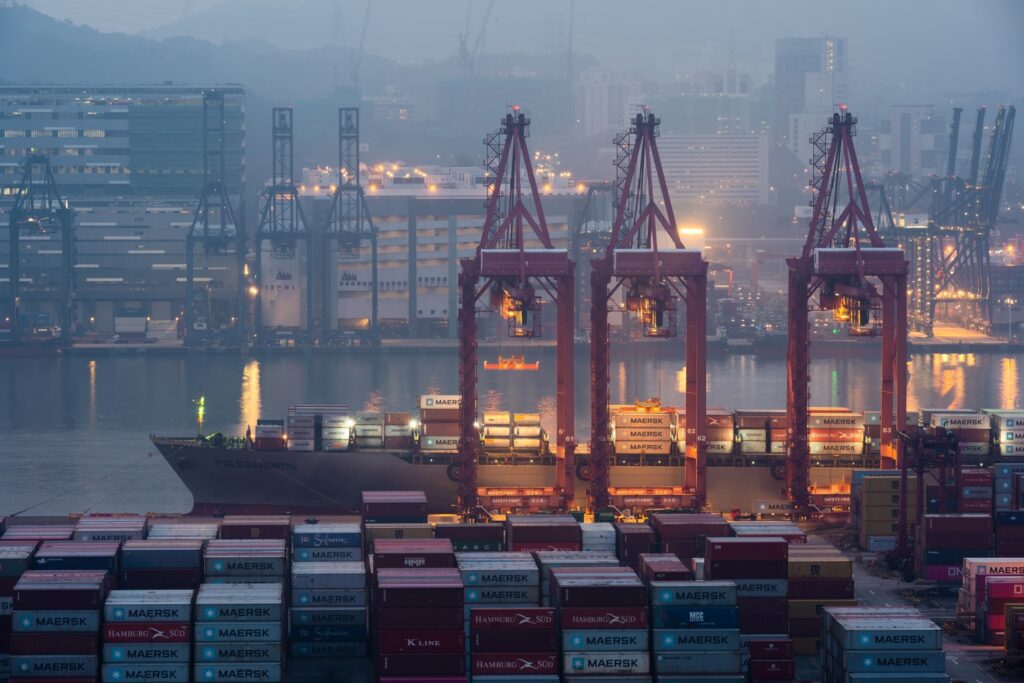
The difference between those two outcomes is almost always preparation. Clear contractual language that defines the exact handover point, cargo insurance that attaches at origin, a hard-nosed landed cost calculation that captures every fee, and a freight partner with genuine boots on the ground in the origin country — these are not optional extras. They are the price of making FOB Shipping Point work for you rather than against you.
At Vantage Forwarding, we’ve helped importers move from uncertain FOB arrangements to tightly managed first-mile operations where nothing is left to chance. When you have visibility from the factory floor to the port, insurance that leaves no gaps, and a team that can audit origin charges and vet local carriers, FOB Shipping Point stops being a gamble and starts being a genuine lever for cost control.
If you’re currently shipping under FOB terms and want to know exactly where your risk sits — or if you’re negotiating your next contract and need help structuring terms that protect your interests — reach out to our team. We’ll review your supplier’s language, map out the real transfer of responsibility, and build a logistics plan that keeps your goods, your cash flow, and your peace of mind secure.
 English
  Chinese
  Arabic
  French
  German
  Portuguese
  Spanish