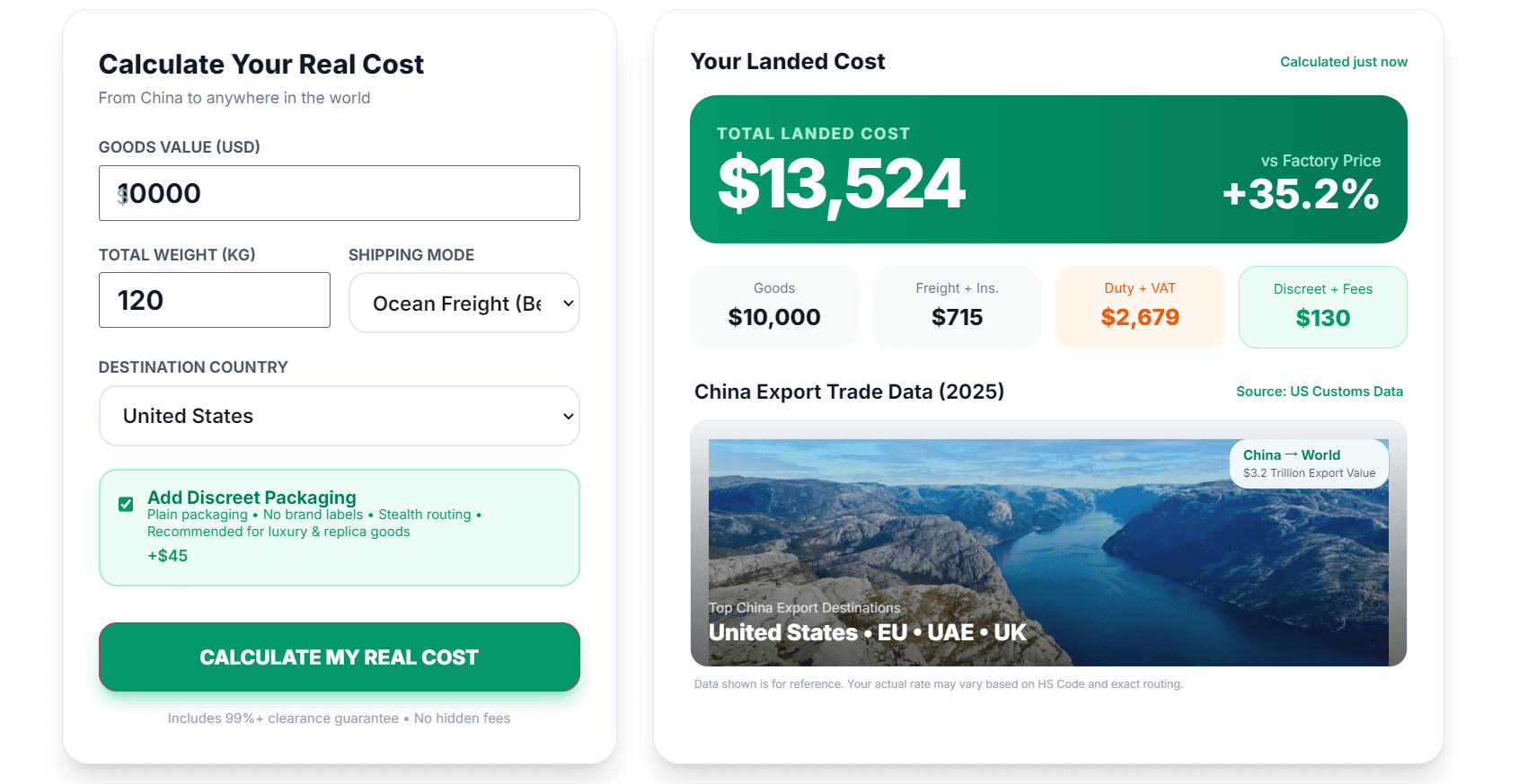
The global logistics landscape is undergoing a massive paradigm shift. Shippers worldwide are no longer just reacting to trade disruptions; they are actively adapting to create permanent, tariff-optimised supply chains. However, as trade policies fluctuate, navigating this new reality requires moving away from guesswork and relying on precise data, specifically through a robust Landed Cost Calculator.
A recent industry report by supply chain software company Infios highlighted two distinct waves of post-tariff responses among international importers and e-commerce businesses.
From Reactive Rushing to Structural Adaptation
According to the data, Wave One (spanning May to June 2025) was characterized by “pure reaction.” Companies rushed to move massive freight volumes through whatever corridors looked most advantageous at the moment, trying to beat upcoming tariff deadlines.
However, Wave Two—which spanned from July 2025 straight into 2026—has seen a shift toward “structural adaptation.” Once the initial shock of new tariffs passed, a completely different picture emerged. Shippers stopped looking for temporary band-aids and began re-engineering their entire routing, nearshoring capabilities, and financial modeling.
In this era of structural adaptation, the winners are those who can calculate their total expenses before the cargo even leaves the factory floor. This is where an advanced Landed Cost Calculator becomes an indispensable tool for survival.

Why a Landed Cost Calculator is Essential for Modern Customs Clearance
To truly achieve a tariff-optimised supply chain, businesses must look beyond basic ocean or air freight rates. High-value goods, electronics, and e-commerce merchandise face complex duty structures that can instantly wipe out profit margins if miscalculated.
An accurate Landed Cost Calculator aggregates multiple critical variables into a single, actionable metric:
- EXW/FOB Product Costs: The baseline manufacturing price.
- International Freight Rates: Air cargo, ocean freight, or multimodal routing adjustments (such as routing around volatile maritime zones).
- Customs Duties and Tariffs: Country-specific HS code duties, anti-dumping duties, and local import taxes.
- Customs Clearance and Brokerage Fees: The administrative costs of securing legal entry into the destination market (e.g., US, Europe, or Mexico).
- Final Mile Delivery and Warehousing: The cost of fulfillment and local distribution.
Without simulating these expenses through a Landed Cost Calculator, shippers risk facing “bill shocks” at the port of entry, resulting in unexpected customs delays, demurrage fees, or severe margin erosion.
Building Resilience with Specialized DDP and Logistics Partners
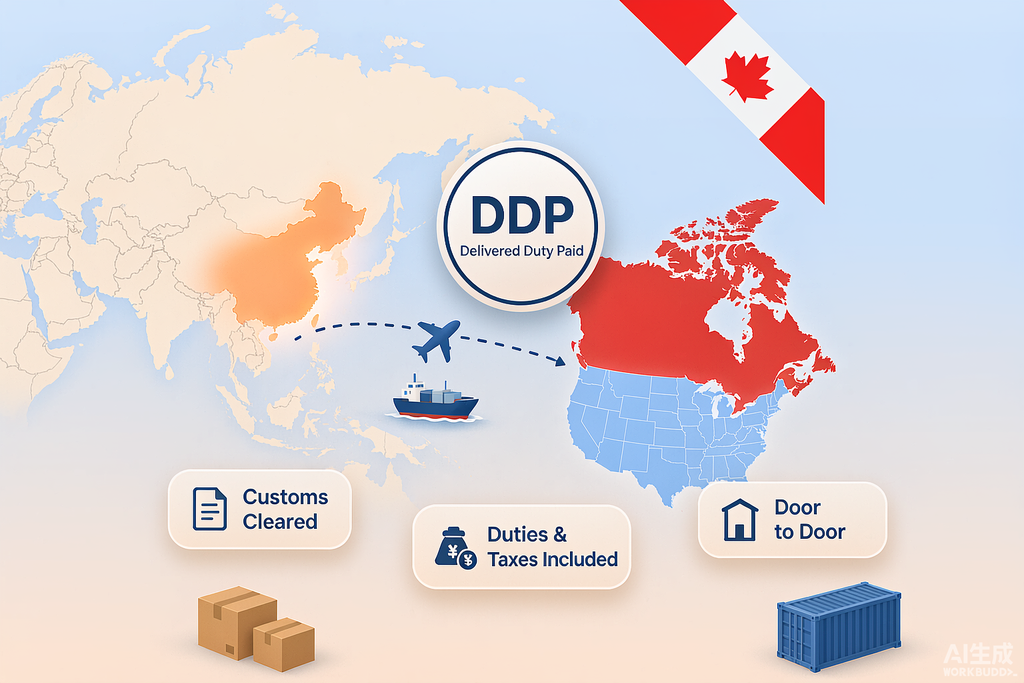
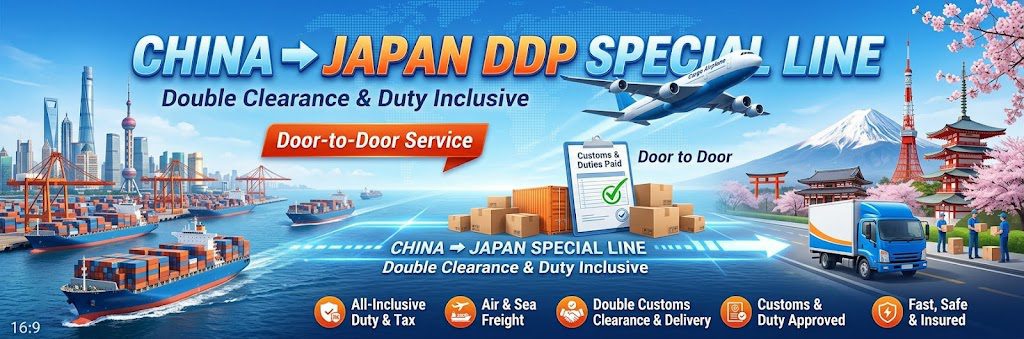
As the industry settles into 2026, structural adaptation means partnering with logistics providers who don’t just move boxes, but provide complete fiscal clarity. Utilizing specialized Customs Clearance strategies—such as Delivered Duty Paid (DDP) solutions and secure, confidential shipping for high-value merchandise—allows businesses to feed precise, predictable numbers into their Landed Cost Calculator.
Whether you are navigating the evolving nearshoring trade lanes into Mexico or managing high-volume B2C e-commerce fulfillment into the US and Europe, optimization starts with total cost visibility. Stop reacting to tariffs. Implement a comprehensive Landed Cost Calculator strategy today, streamline your customs clearance workflow, and lock in your competitive edge in a volatile market.
 English
  Chinese
  Arabic
  French
  German
  Portuguese
  Spanish